
Water parameters
Temperature12–28°C
pH6–8
General hardness (GH)2–20 dGH
Recommended range
Overview
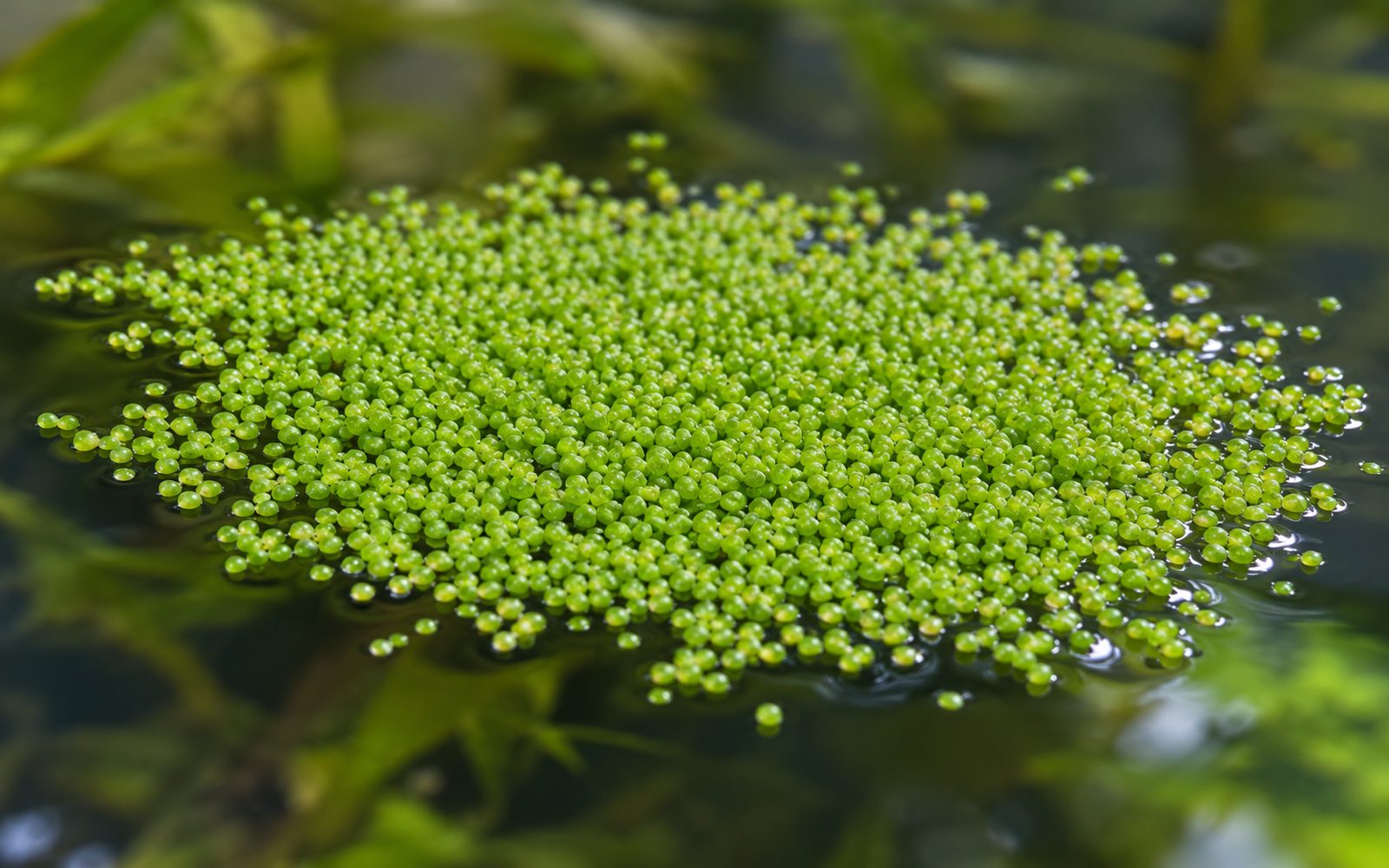
Wolffia is among the smallest flowering plants in the world. Each plant is nothing more than a round or oval green grain about 1 mm across; it has no roots and no leaves. When thousands of them gather together, they look like a thin layer of green powder on the water surface; this is also where the English name "watermeal" comes from. It is often found together with duckweed.
Planting and Placement
It is not planted; it is placed on the surface. Because it is so small it is hard to collect with a net; keeping it in a separate container makes it easier to control.
Care and Fertilization
- Light: Moderate.
- CO₂: Not required.
- It multiplies very fast by budding. Some aquarists grow it in separate containers as food for fry and plant-eating species. Once it gets into the main aquarium, like duckweed, it is hard to remove completely. Do not throw the excess into natural waters.
Propagation
This section has not been written yet. How is it propagated?
Be the first to write it
Common Problems
This section has not been written yet. Problems such as melting, yellowing and algae, and how to fix them.
Be the first to write it
Hobbyist notes
Things you won't find in books, learned by trial and error. The most helpful ones are on top.
No notes yet. If you have experience with this species, leave the first note.
Was this page helpful?
Change history and contributors
- Page created · October 16, 2026