
Water parameters
Overview
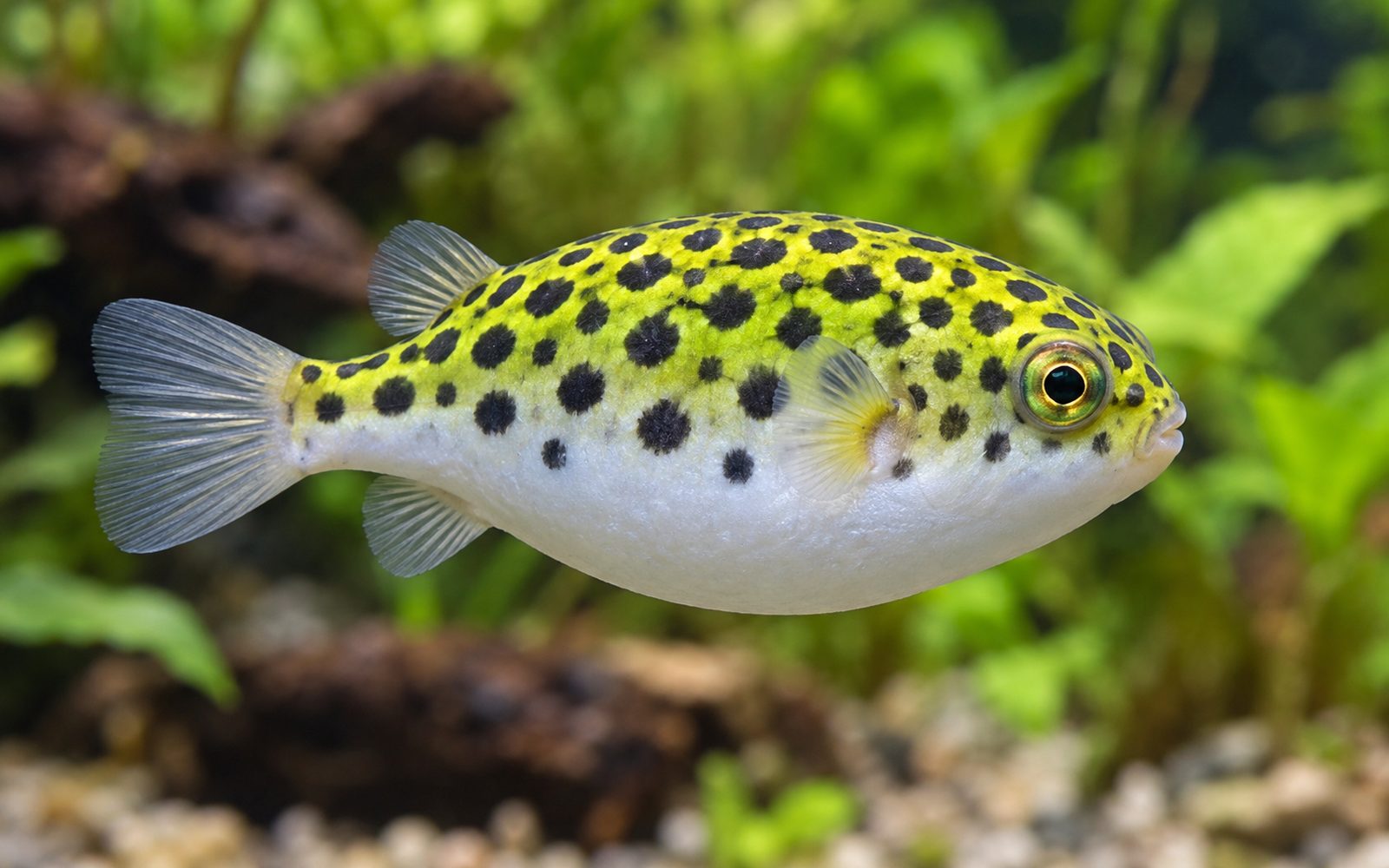
With large black spots on its yellowish-green back and a pure white belly, the green spotted puffer is one of the most eye-catching puffers in stores. It moves its eyes independently, recognizes its owner and "begs for food" at the front glass. This personality makes it very endearing; however, two common misconceptions make its care harder.
First, it is not a freshwater fish. Juveniles manage in slightly brackish water, but their salinity needs increase as they grow, and adults are at their healthiest at a salinity close to seawater. Individuals kept in fresh water fall ill and die within a few years. Second, the 3 cm juvenile in the store reaches 15 cm and does not fit into any community tank.
Natural Habitat
It lives in river mouths, mangrove channels and tidal waters from India to the islands of Southeast Asia. Juveniles are found in the parts of the river closer to fresh water, adults in saltier water.
Tank Setup
- Volume: at least 200 liters for a single adult; choose a long, wide tank.
- Salinity: use marine aquarium salt, not table salt, and measure it with a refractometer or hydrometer. Start juveniles at a specific gravity of 1.005–1.008; raise it in small steps over several months to around 1.018–1.022 in adults.
- Filter: Puffers are very messy; you need a filter that turns over at least 5–6 times the tank volume per hour and 30–40% water changes every week.
- Decor: Rocks and roots; plants that tolerate brackish water (Java fern, anubias) can be used.
Diet
Carnivorous. Hard-shelled foods such as snails, mussels and shell-on shrimp are essential: its beak-like teeth grow throughout life and wear down only by cracking shells. Vary the diet with frozen bloodworms, mysis and krill. One filling meal every two to three days is enough for adults; overfeeding quickly fouls the water.
Behavior and Compatibility
Intelligent, curious and territorial. As it grows it starts biting every creature in the tank; it nips fins, hunts shrimp and snails and eats fish that fit in its mouth.
Good companions: the safest option is to keep it alone. In very large brackish tanks it can be tried with fast, large species (silver mono, scat); even so, it is risky.
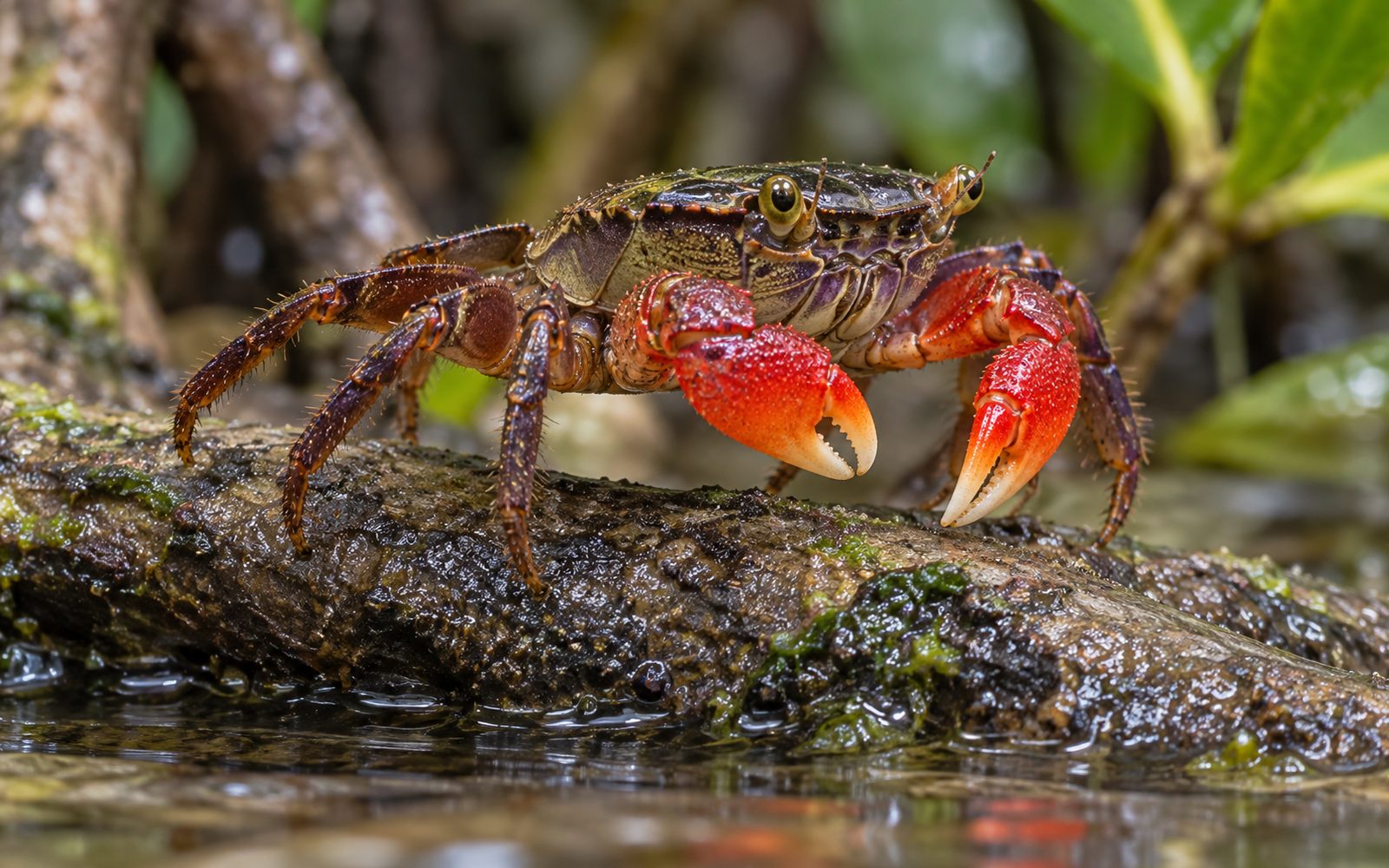
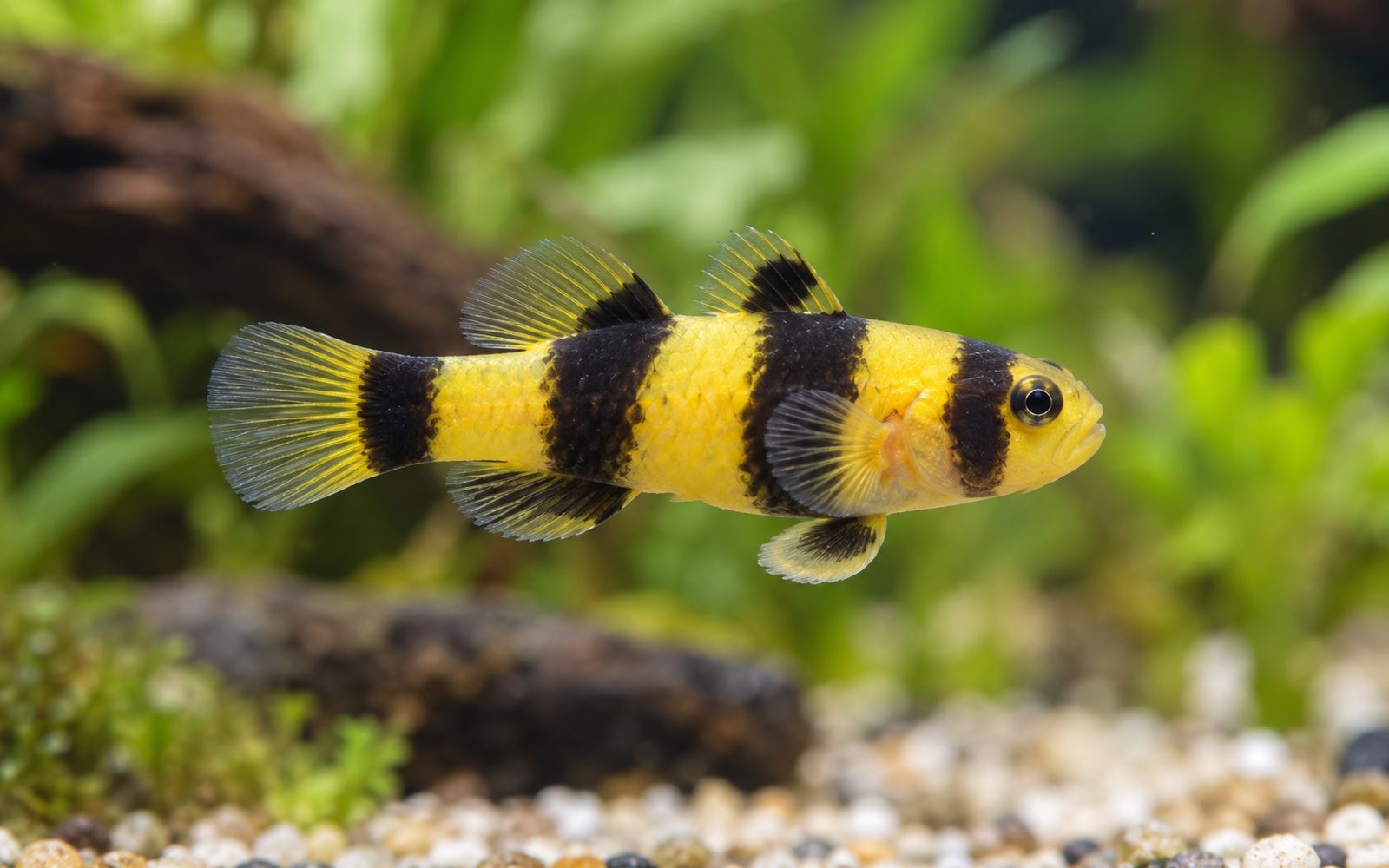
Avoid: freshwater community fish, shrimp, snails, slow and long-finned species, a second puffer in the same tank.
Group and Colony Structure
Kept as a single individual. Juveniles may get along in a small group for a while, but they injure each other as they grow. Keeping more than one is possible only in a very large tank with broken lines of sight; not recommended for the home.
Breeding
In the wild it lays its eggs on a hard surface and the male guards them. Breeding in the aquarium has been reported very rarely; almost all individuals sold are wild-caught.
Health and Common Problems
- Keeping it in fresh water: weakened immunity, white spot and skin diseases; the real solution is the correct salinity.
- Overgrown teeth: in individuals not given shelled food, the beak prevents feeding; in advanced cases trimming by a veterinarian is needed.
- Medication sensitivity: its scaleless skin is very sensitive to copper-based medications; choose medications carefully.
- Puffing up: deliberately making the fish puff up or causing it to inflate with air is dangerous; keep it underwater when moving it.
Sexing
There is no reliable external difference. During the breeding season females may look fuller in the belly.
Tank mates
This list is calculated automatically from the species profile and grows as new species are added to the catalog. Try it in the planner for a definite answer.
Usually compatible
Should not be kept together
Hobbyist notes
Things you won't find in books, learned by trial and error. The most helpful ones are on top.
Change history and contributors
- Page created · October 16, 2026