
Water parameters
Overview
The archerfish uses its tongue and palate like a tube to spit a jet of water from its mouth, knocking down and catching insects resting on branches above the water. Its shots can reach up to one and a half meters and are accurate enough to account for the refraction of light in water; if the prey is close, it also catches it by leaping directly.
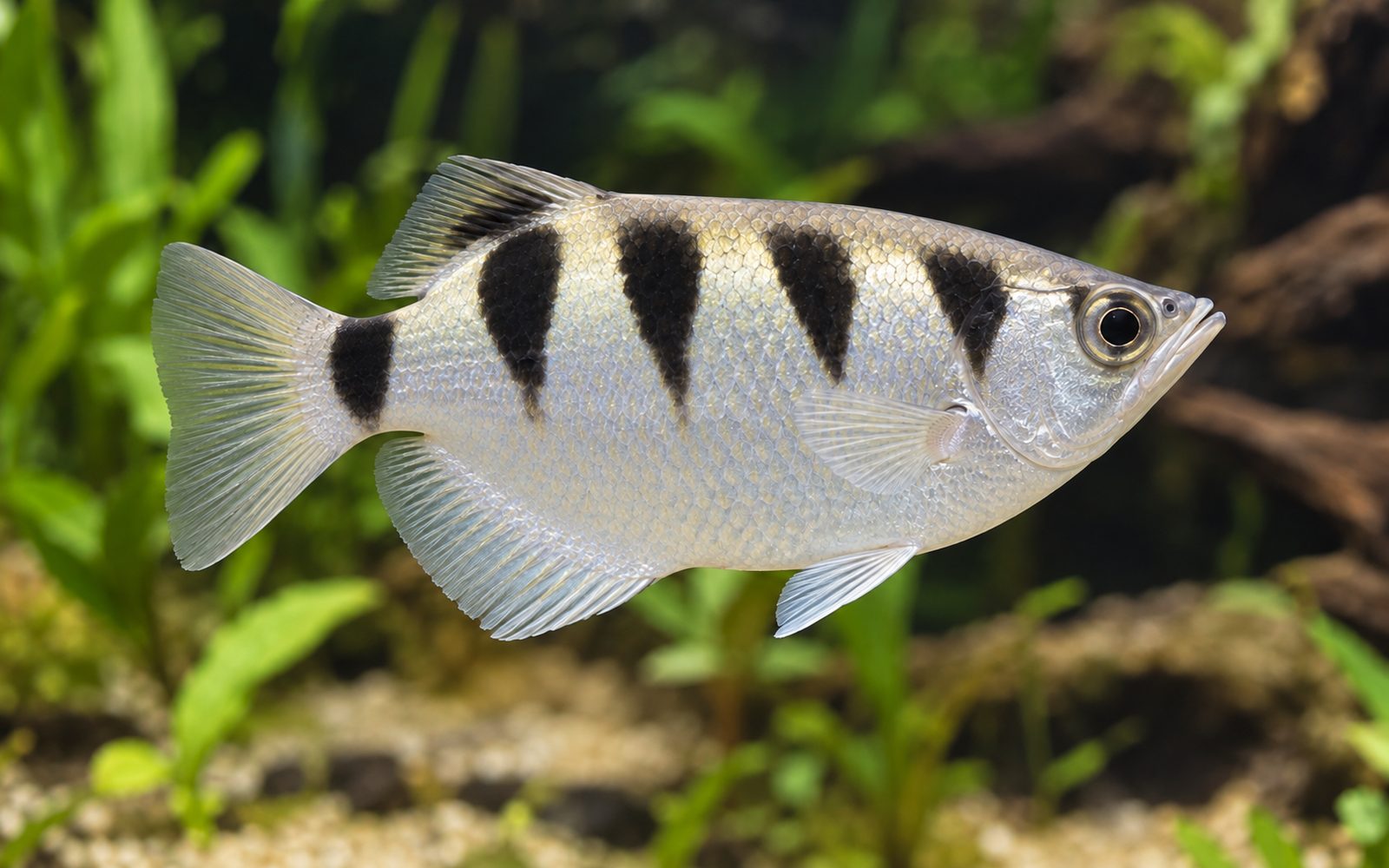
The upper part of its silvery-white body carries four to five black triangular bands. It usually reaches 15–20 cm in the aquarium and 30 cm in the wild. Its care is difficult for two reasons: it needs brackish water, and a special aquarium layout is required for its surface hunting.
Natural Habitat
It lives in mangrove channels, estuaries and river mouths from South and Southeast Asia to northern Australia, beneath overhanging branches. Juveniles are found in waters closer to fresh, adults in saltier waters.
Tank Setup
- Volume: at least 400 liters for a group of 3–5; a long aquarium with a wide surface.
- Salinity: using marine salt, a specific gravity of 1.003–1.008 for juveniles and 1.010 or higher for adults. Raise salinity gradually and keep it stable.
- Water level and lid: you can keep the water level 15–20 cm below the rim and create a shooting area with overhanging plants above. A lid is essential; it jumps.
- Decor: mangrove roots, roots; open swimming space in the middle.
Diet
Carnivorous and feeds from the surface. Insects such as crickets, flies and mealworms; floating sticks and pellets, frozen krill and mysis. You can encourage shooting behavior by placing insects on the glass or on overhanging leaves.
Behavior and Compatibility
It forms a hierarchy within the group; when kept singly or as a pair, the dominant fish constantly chases the other. It eats small fish that fit in its mouth.
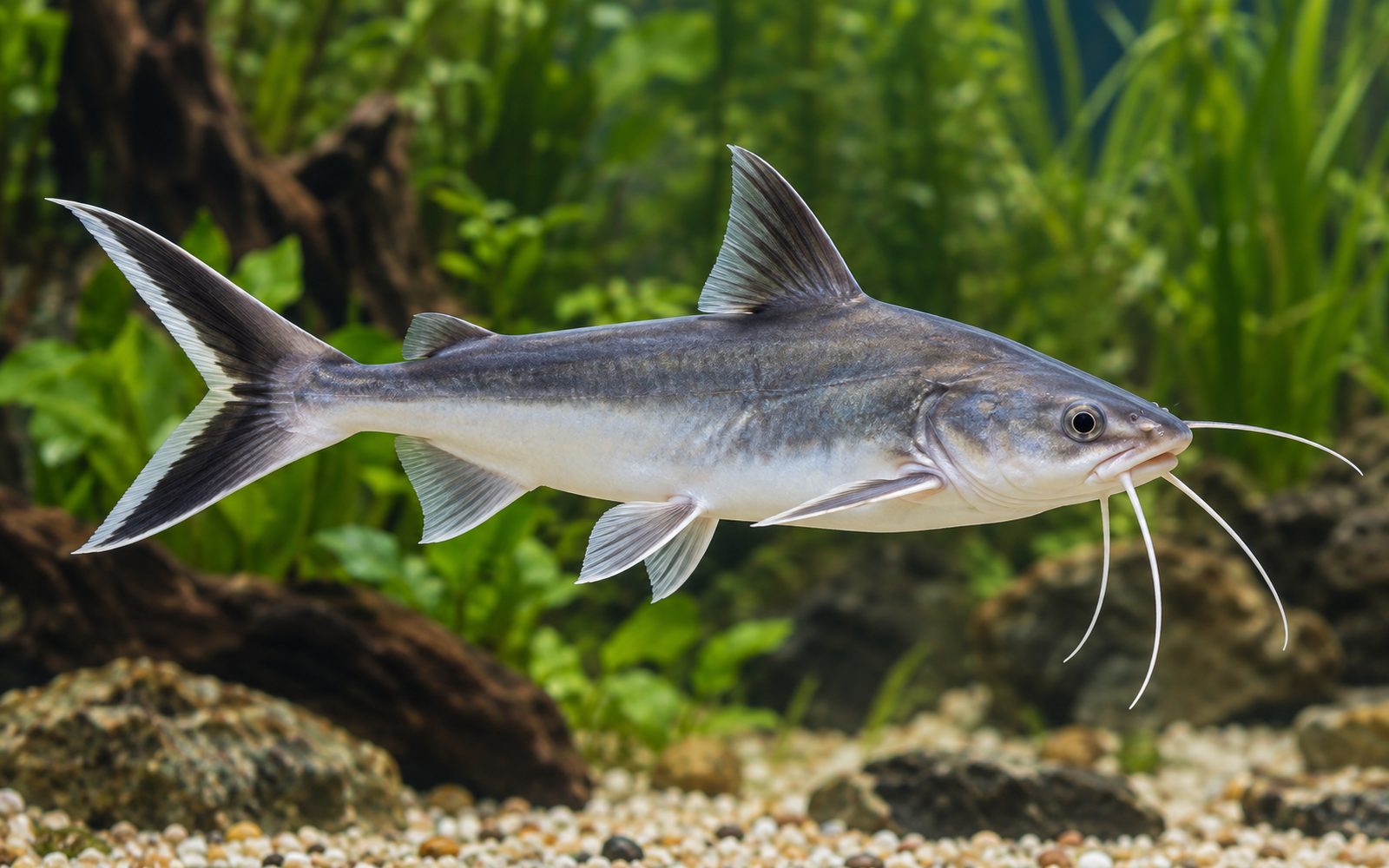
Good companions: species that adapt to the same salinity and are too big for its mouth: large brackish species such as silver monos, scats and dragon gobies.
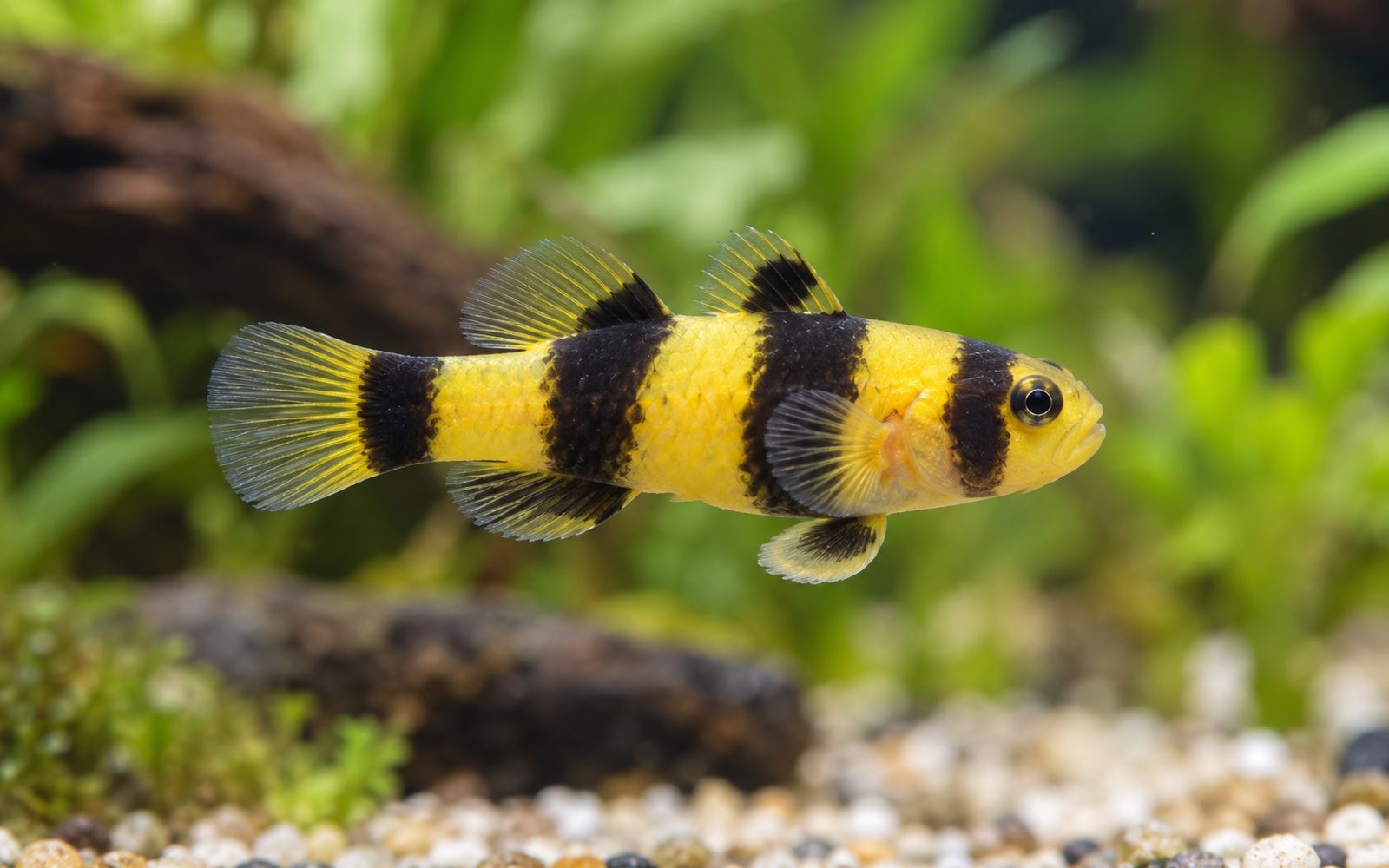
Avoid: small fish (such as bumblebee gobies), species that need fully fresh water, predators that compete at the surface.
Group and Colony Structure
Kept in a group of 3–5 or more; aggression is spread out within the group. A single fish also does fine, but two individuals are not recommended.
Breeding
There are almost no records of it being bred in a home aquarium; the fish sold are wild-caught.
Health and Common Problems
- Keeping in fresh water: skin and fin infections, white spot.
- Jumping injuries: in an uncovered aquarium.
- Nutrition: nutritional deficiencies in fish fed only live insects; vary the diet.
Sexing
There is no reliable external way to tell the sexes apart.
Tank mates
This list is calculated automatically from the species profile and grows as new species are added to the catalog. Try it in the planner for a definite answer.
Usually compatible
Should not be kept together
Hobbyist notes
Things you won't find in books, learned by trial and error. The most helpful ones are on top.
Change history and contributors
- Page created · October 16, 2026