
Water parameters
Overview
The mudskipper is one of the few fish adapted to life on land. On mudflats exposed by the tide it walks and skips using its strong pectoral fins like arms. By holding water in its gill chambers and taking in oxygen through its moist skin, it can stay out of the water for hours. It hunts insects with the large eyes on top of its head. It reaches around 15 cm. It should be kept not in a classic aquarium but in a paludarium with a land area.
Tank Setup
- At least 150 liters of footprint for a single individual; half land and half water.
- Brackish water 10–15 cm deep: a specific gravity of 1.005–1.015 with marine salt.
- A sloping mud-and-sand shore, roots and rocks; it must stay moist at all times.
- Warm, humid air and a tight-fitting lid; it escapes and dies once it dries out.
Diet
Carnivorous. Crickets, mealworms, flies, bloodworms, krill and mysis. It mostly takes food left on the shore, out of the water.
Behavior and Compatibility
Males are very aggressive toward each other over territory; they display by raising their dorsal fins and jumping. It hunts small creatures.
Good companions: a single-species paludarium is best; in a large space, one male and several females.
Avoid: classic aquarium fish, fully aquatic species, shrimp, a second male (in a small space).
A short profile for this species
The Atlantic Mudskipper page has the basics, but the sections below have not been written yet. If you keep this species, write a section from your own experience; it will be published under your name after editor approval.
Tank mates
This list is calculated automatically from the species profile and grows as new species are added to the catalog. Try it in the planner for a definite answer.
Usually compatible
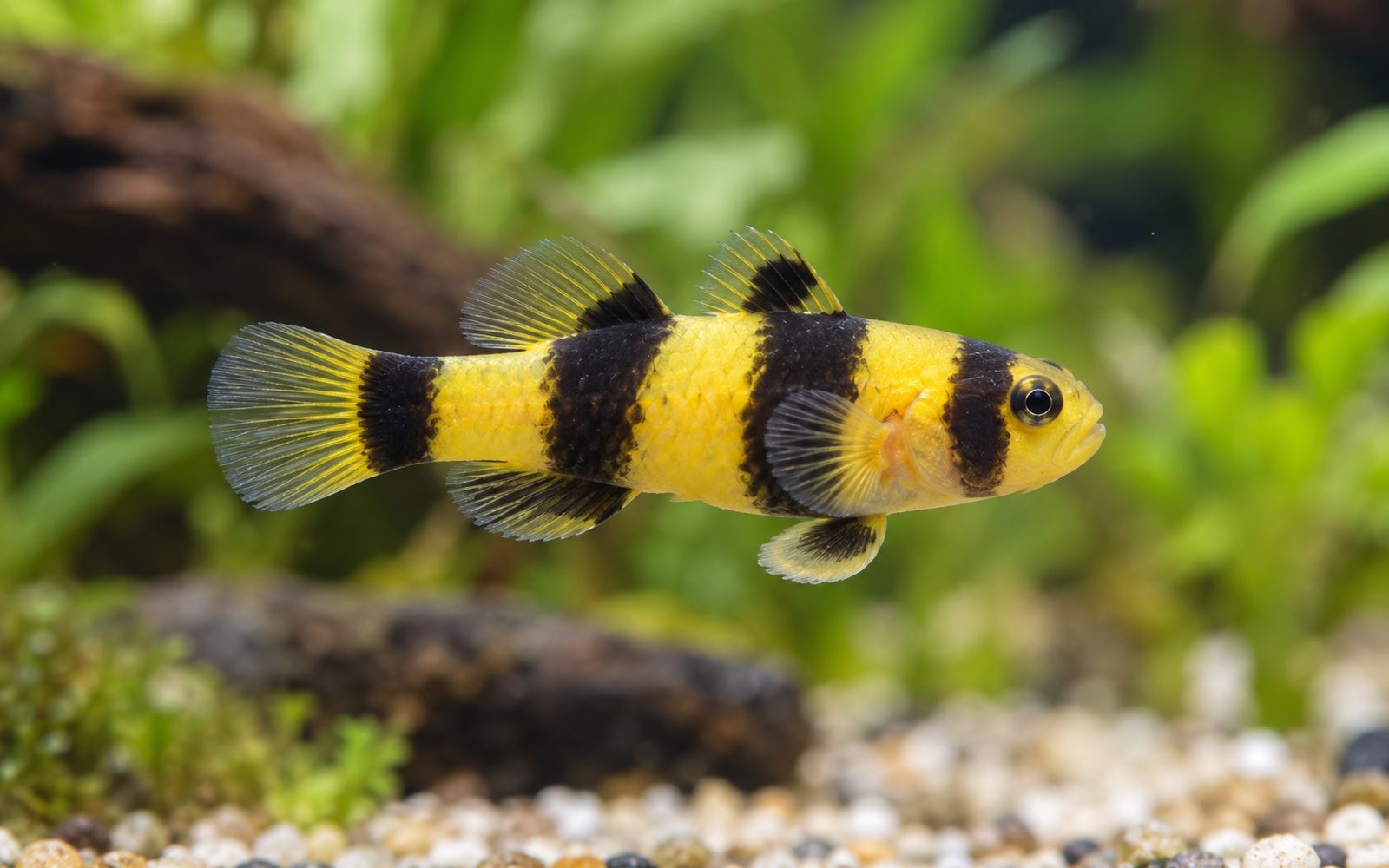 Bumblebee Goby
Black Devil Snail
Sheepshead Minnow
Dragon Goby
Bumblebee Goby
Black Devil Snail
Sheepshead Minnow
Dragon Goby
 Red Claw Crab
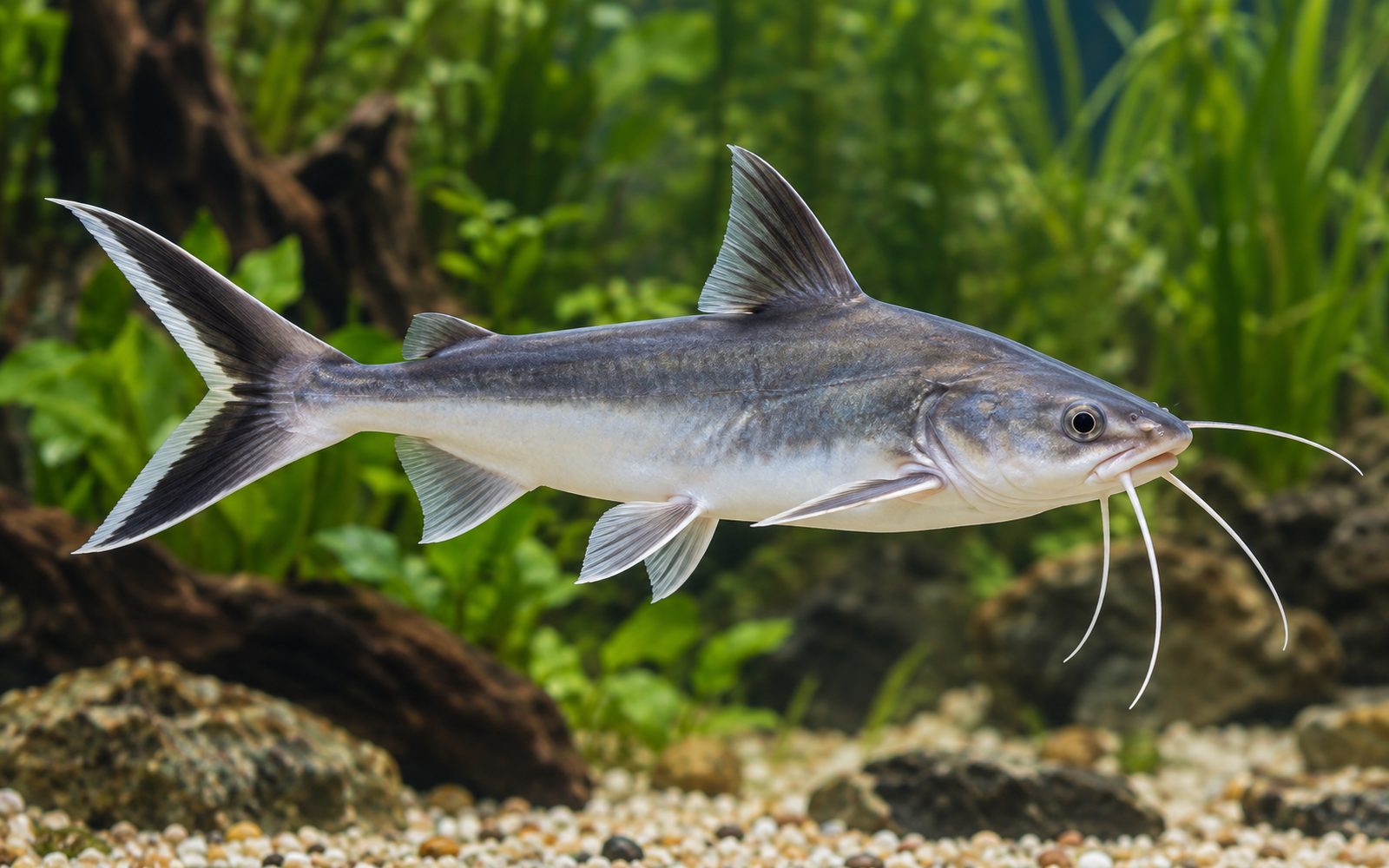 Columbian Shark
Mangrove Rivulus
Columbian Shark
Mangrove Rivulus
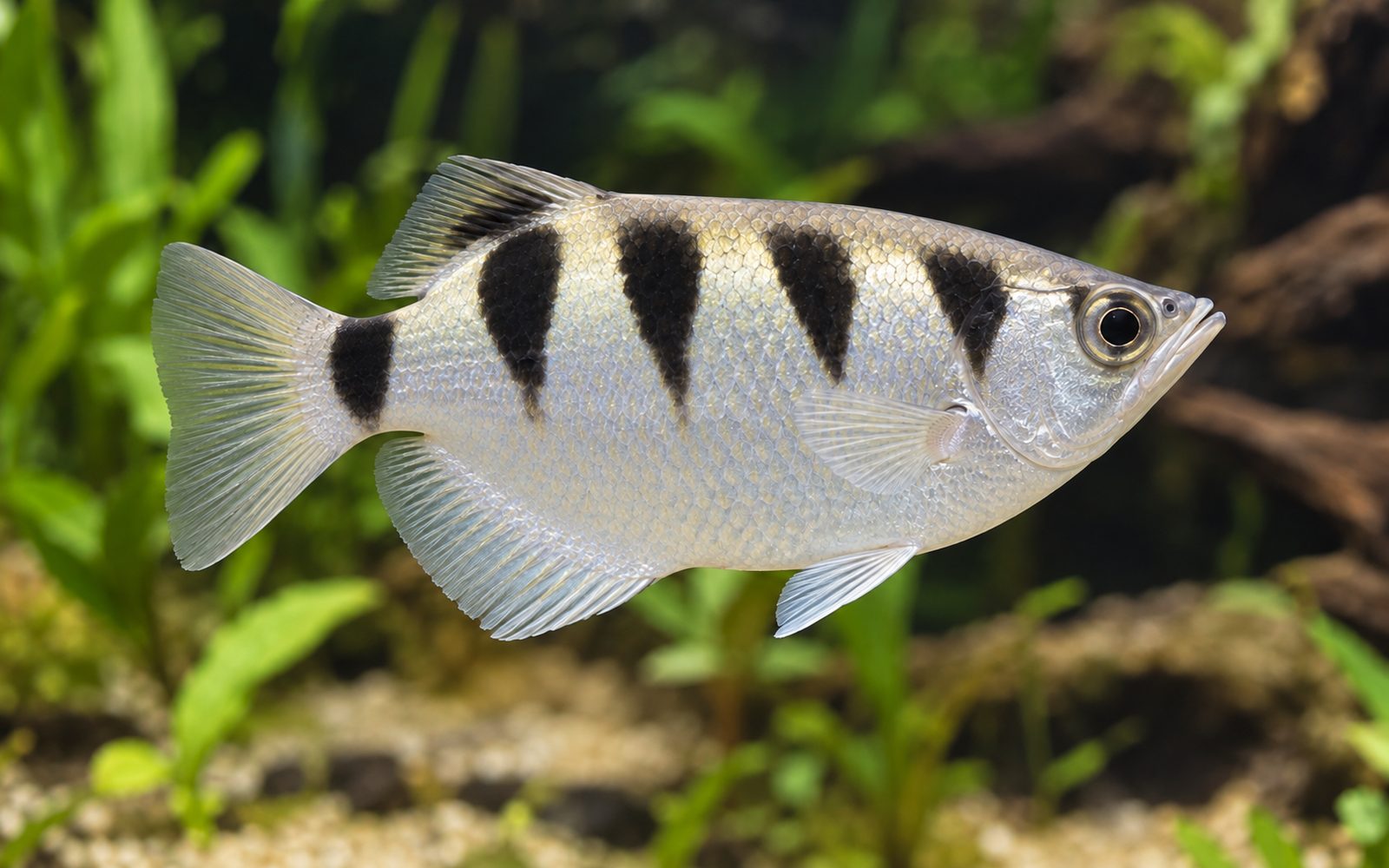 Banded Archerfish
Knight Goby
Banded Archerfish
Knight Goby
Should not be kept together
Hobbyist notes
Things you won't find in books, learned by trial and error. The most helpful ones are on top.
Change history and contributors
- Page created · October 16, 2026