
Water parameters
Overview
Kryptolebias marmoratus is a killifish notable for its biology. Most individuals are hermaphrodites that produce both eggs and sperm and can fertilize their own eggs inside the body; because of this, even a single fish can lay eggs. Males also exist but are rare. It lives in crab burrows and rotting logs in mangroves; when the water recedes it can survive out of water for weeks in a damp environment. It is recognized by its spotted, brown-olive body and the eye-like spot at the base of the tail.
Tank Setup
- 30 liters for a single individual; more than one individual only in a divided, spacious aquarium.
- Brackish water: a salinity of about one third of seawater is suitable; it also tolerates fresh and saltier water.
- Roots, pieces of log, shallow areas and spots that rise above the water surface.
- The lid must cover every gap; it can climb out over the glass and along hoses.
Diet
Carnivorous. It is fed brine shrimp, mysis shrimp, bloodworms and small crustaceans; it may also accept granules.
Behavior and Compatibility
Rough and territorial towards its own species; it is usually kept alone. It lives near the bottom among hiding places and often leaves the water to rest on wet surfaces.
Good companions: best kept alone; because it needs brackish water, it cannot be kept with freshwater species.
Avoid: a second individual of its own species (in a small aquarium), freshwater community fish, large fish.
A short profile for this species
The Mangrove Rivulus page has the basics, but the sections below have not been written yet. If you keep this species, write a section from your own experience; it will be published under your name after editor approval.
Tank mates
This list is calculated automatically from the species profile and grows as new species are added to the catalog. Try it in the planner for a definite answer.
Usually compatible
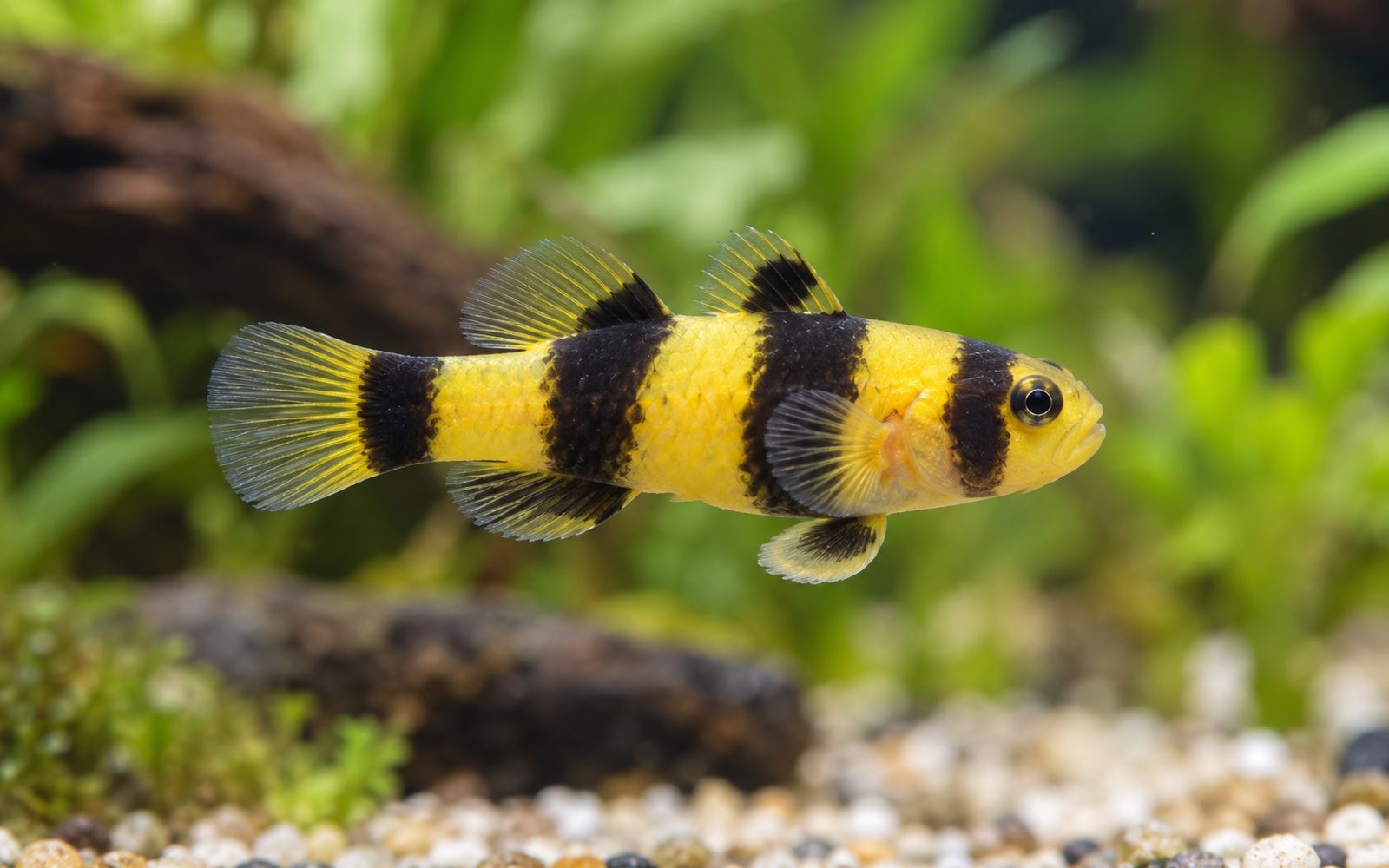 Bumblebee Goby
Atlantic Mudskipper
Black Devil Snail
Sheepshead Minnow
Dragon Goby
Bumblebee Goby
Atlantic Mudskipper
Black Devil Snail
Sheepshead Minnow
Dragon Goby
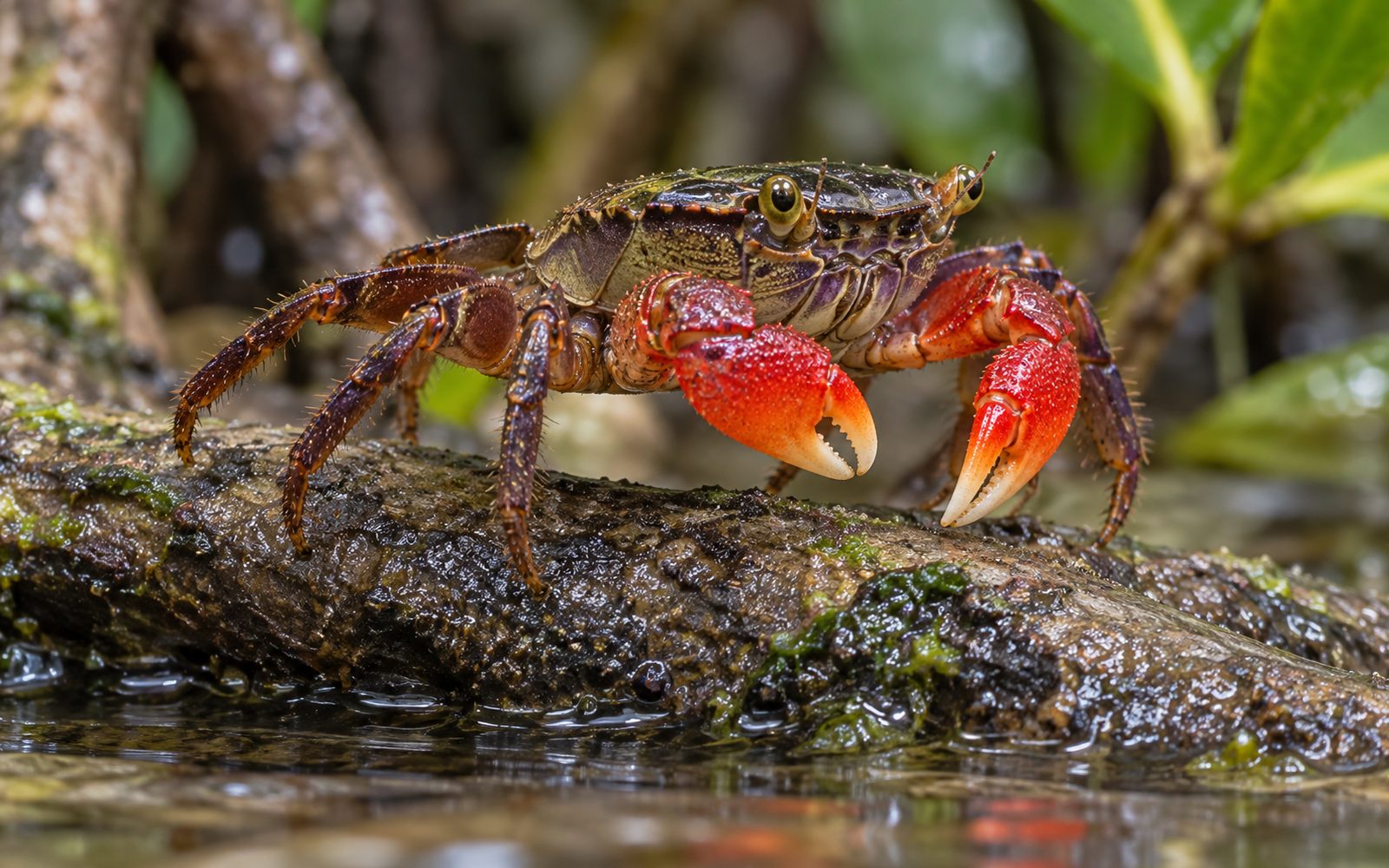 Red Claw Crab
Mummichog
Knight Goby
Red Claw Crab
Mummichog
Knight Goby
Should not be kept together
Hobbyist notes
Things you won't find in books, learned by trial and error. The most helpful ones are on top.
Change history and contributors
- Page created · October 16, 2026