
Water parameters
Overview
The Mediterranean killifish is a small killifish that lives in the coastal lagoons, salt pans and estuaries of the Mediterranean; it is also found on the Aegean and Mediterranean coasts of Türkiye. It is known for tolerating environments whose salinity ranges from fresh water to several times that of seawater. Males are recognized by their bodies with dense dark vertical bands and their yellow-orange fins, females by their larger, spotted bodies. It is among the protected species in Europe; the draining of coastal wetlands and the invasive mosquitofish are the main threats. It should not be collected from the wild, nor released into the wild.
Tank Setup
- At least 60 liters for a group of 4–6.
- Brackish water is ideal: a salinity of roughly a quarter to a half of seawater; the transition to fresh water should be made slowly.
- No heater is needed; 22–26°C in summer, and cooling down in winter is natural.
- Salt-tolerant plants or rocks, good lighting, a tight lid.
Diet
Omnivorous. In the wild it eats small crustaceans, insect larvae and algae. In the aquarium it is fed brine shrimp, mysis shrimp, daphnia and spirulina flakes.
Behavior and Compatibility
Males are territorial; they chase each other and are persistent towards females. A divided layout reduces tension. It lays its eggs on plants or algae.
Good companions: a group of its own species; calm species suited to brackish water.
Avoid: freshwater community fish (salt incompatibility), other toothcarp species (hybridization), large and aggressive fish.
A short profile for this species
The Mediterranean Killifish page has the basics, but the sections below have not been written yet. If you keep this species, write a section from your own experience; it will be published under your name after editor approval.
Tank mates
This list is calculated automatically from the species profile and grows as new species are added to the catalog. Try it in the planner for a definite answer.
Usually compatible
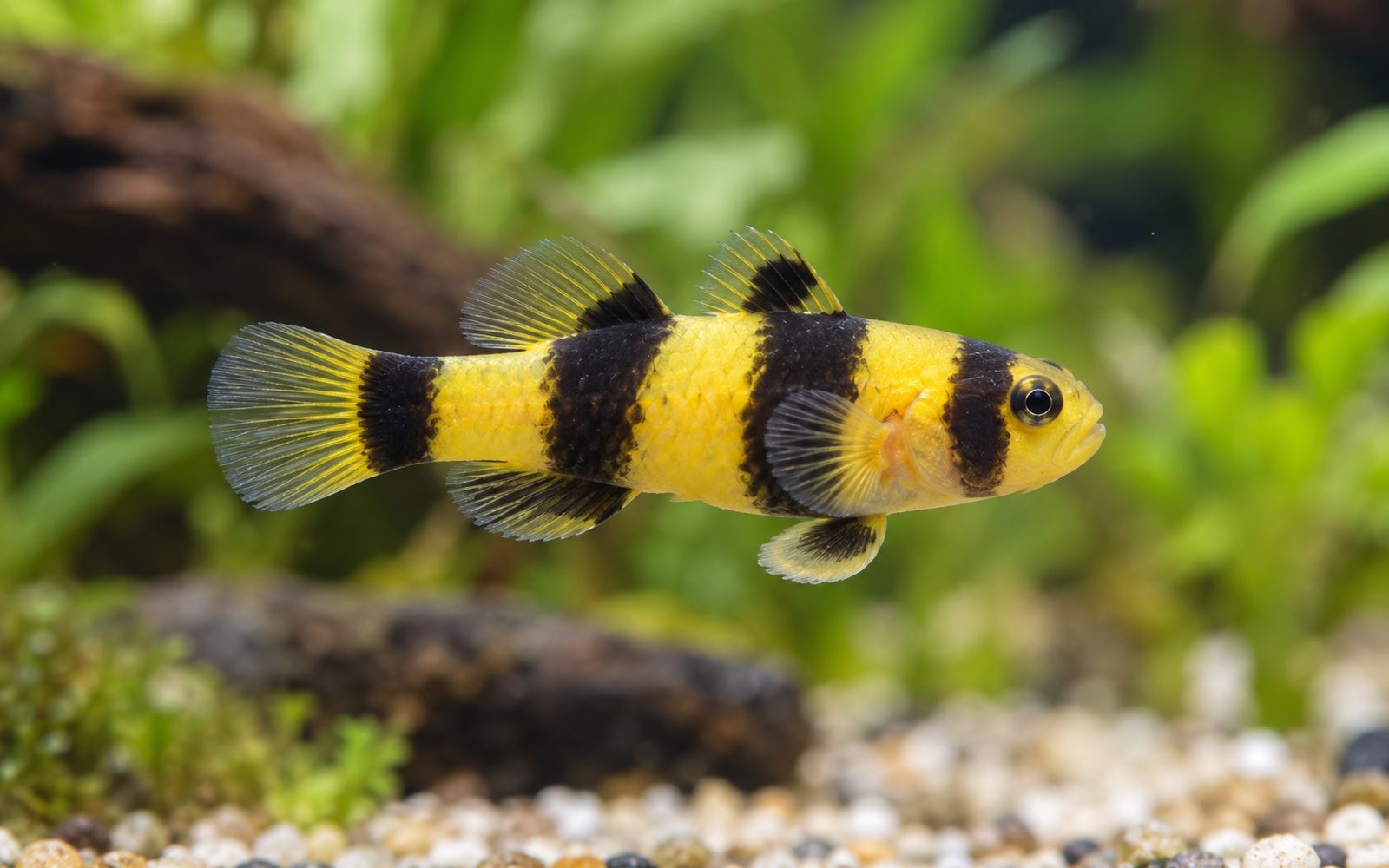 Bumblebee Goby
Atlantic Mudskipper
Black Devil Snail
Sheepshead Minnow
Dragon Goby
Bumblebee Goby
Atlantic Mudskipper
Black Devil Snail
Sheepshead Minnow
Dragon Goby
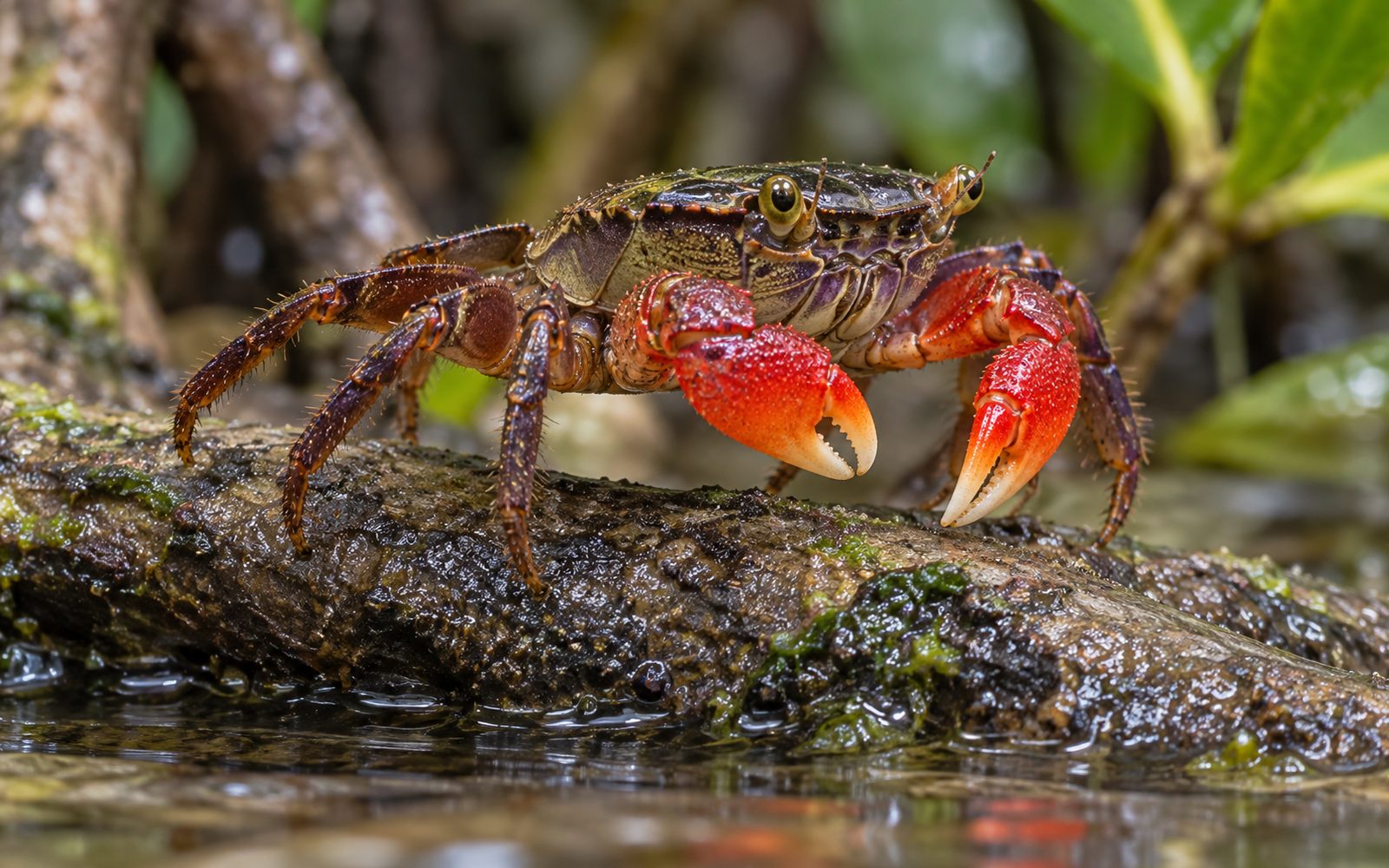 Red Claw Crab
Mangrove Rivulus
Mummichog
Knight Goby
Red Claw Crab
Mangrove Rivulus
Mummichog
Knight Goby
Should not be kept together
Hobbyist notes
Things you won't find in books, learned by trial and error. The most helpful ones are on top.
Change history and contributors
- Page created · October 16, 2026