
Water parameters
Overview
The Fiji damsel is a small Chrysiptera species with a bright electric blue back and head and a vivid yellow belly and tail. A thin black line running from its snout to its eye and a black spot at the rear of the dorsal fin set it apart from similar blue-and-yellow damsels. It resembles the azure damsel (Chrysiptera hemicyanea), which has its own page on the site, but its yellow area is larger and its temperament noticeably tougher.
It is very hardy, accepts almost any food and tolerates small swings in water parameters. However, it is not one of the calm species of the genus Chrysiptera; adult males may attack any fish that enters their territory. Because it is cheap and easy to find in stores, it is often bought as a first fish; this creates problems for peaceful species added later.
Natural Habitat
It lives in lagoons and on open reefs of the Southwest Pacific from the Coral Sea to Fiji and Samoa, usually in water shallower than 10 meters. It holds a small territory around coral heads and rock crevices and hides in these crevices when in danger. In the wild it feeds on small plankton in the water column and fine algae on the rocks.
Tank Setup
- Volume: at least 110 liters for a single fish; a large aquarium spreads out aggression.
- Water: salinity 1.023–1.026 specific gravity, pH 8.1–8.4, temperature 24–27°C; low nitrate.
- Layout: plenty of rocks, caves and crevices. Rock structures that break lines of sight reduce chasing.
- Reef compatibility: reef safe; it does not touch corals, shrimp or snails.
- Order of addition: make it one of the last fish added to the aquarium; if added first, it treats the whole aquarium as its territory.
Diet
Omnivorous. Make marine fish granules or flakes the staple; vary the diet with frozen mysis, brine shrimp and copepods. Foods containing spirulina or algae keep the yellow and blue colors vivid. Twice a day, as much as is eaten within a few minutes.
Behavior and Compatibility
Active, bold and territorial. Its aggression increases with age; it may chase even fish larger than itself. It is especially harsh toward fish of similar color and size.
Good companions: medium-sized species that can defend themselves: tangs, large wrasses, dwarf angelfish, hawkfish, foxface.
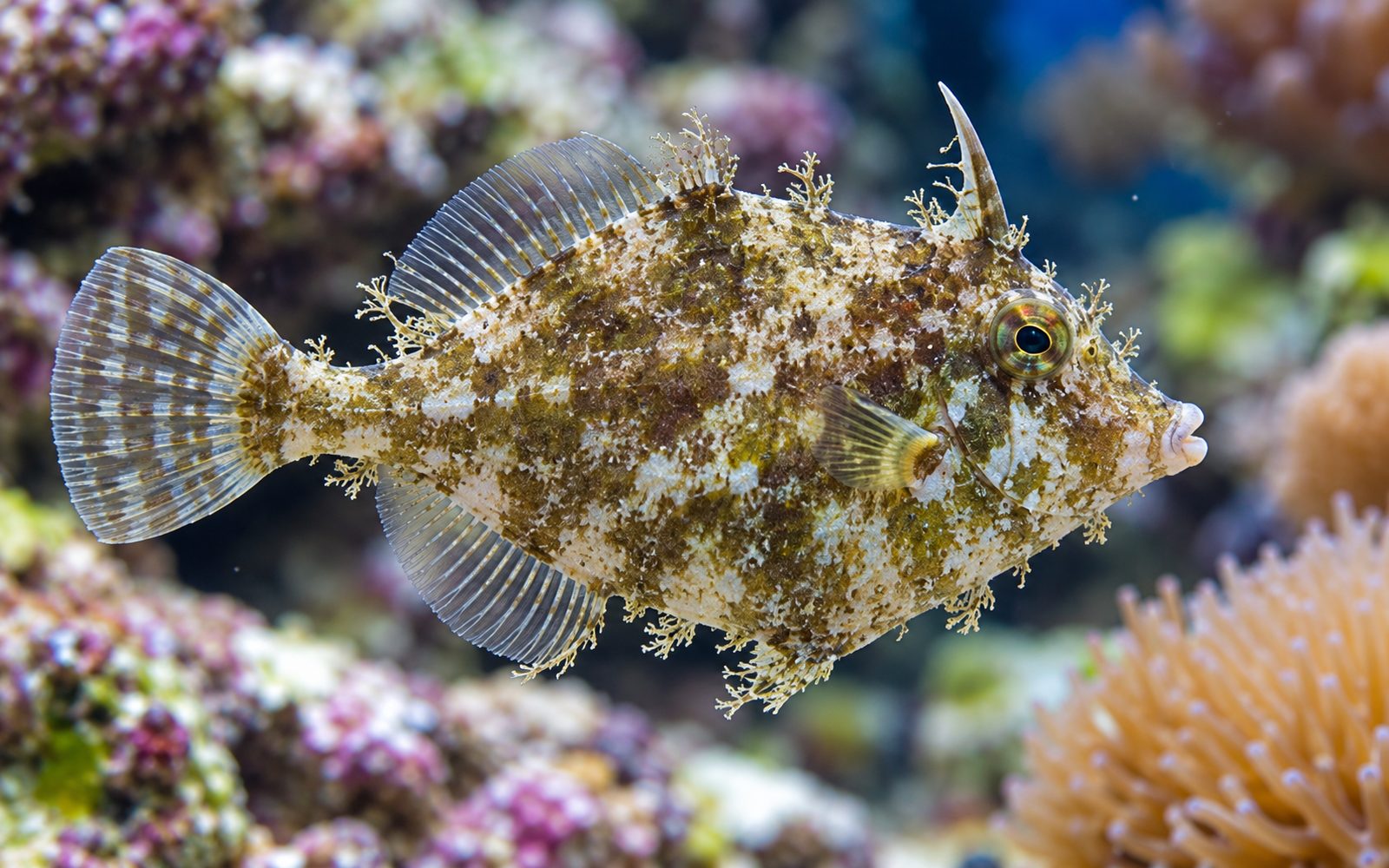
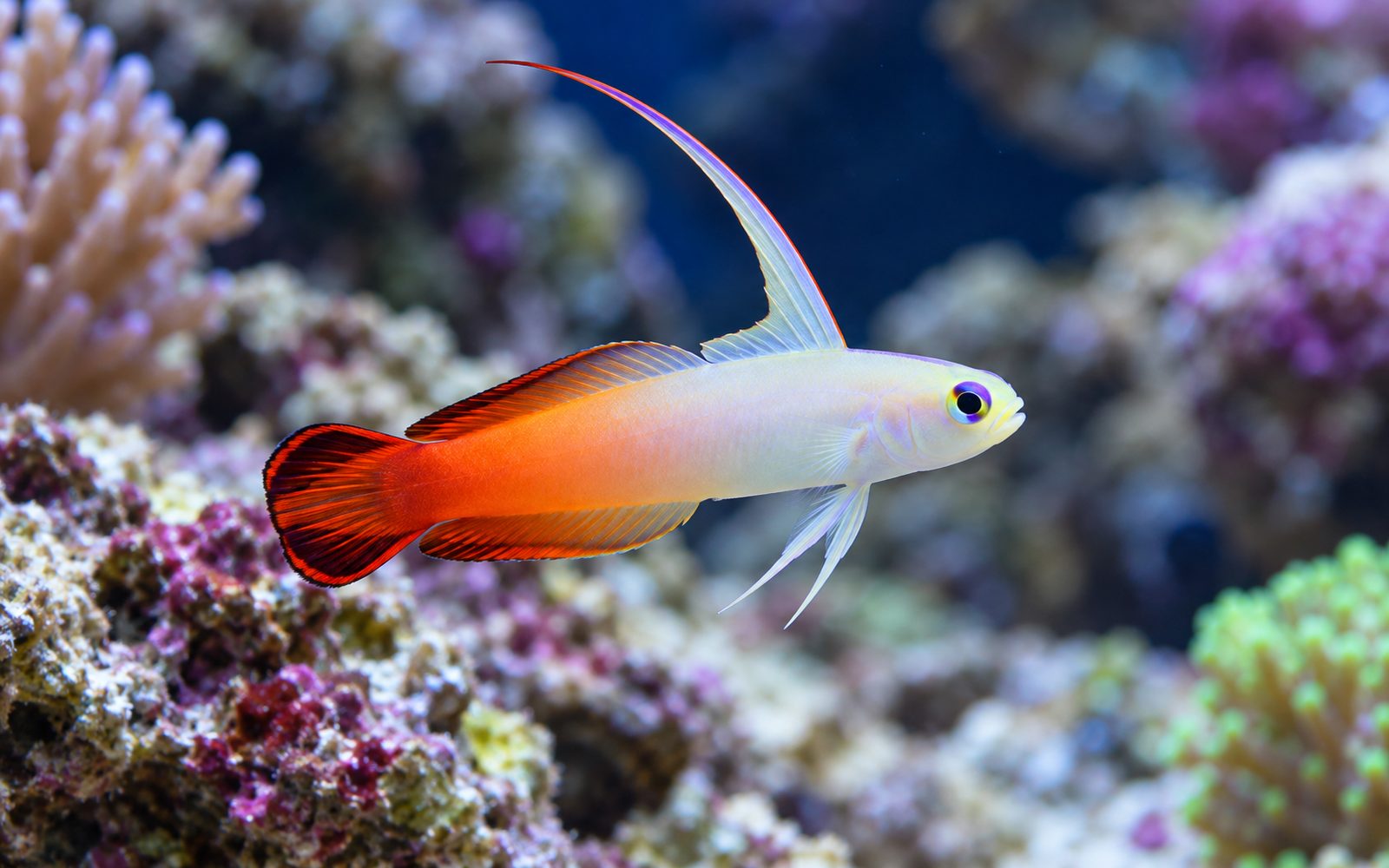
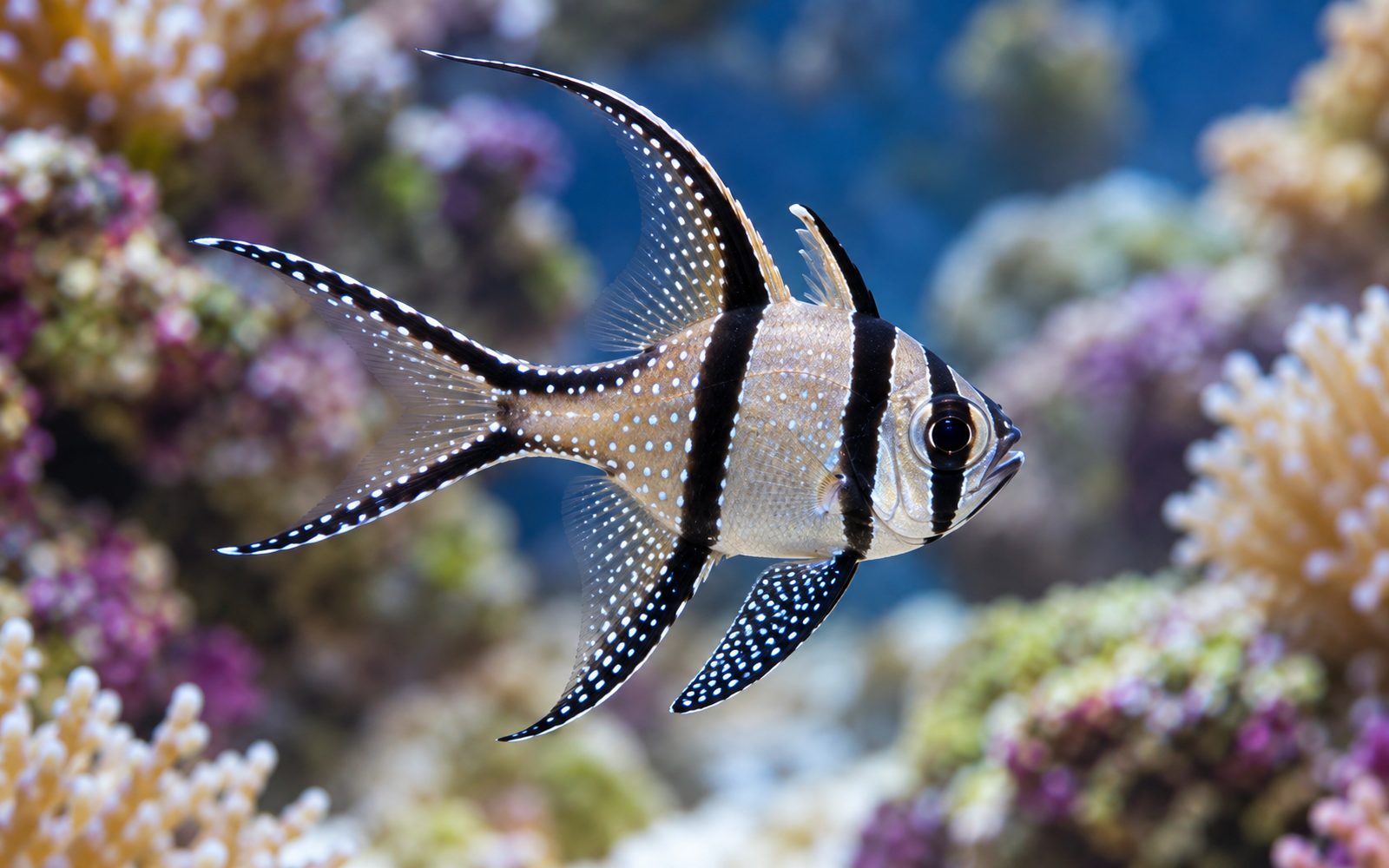
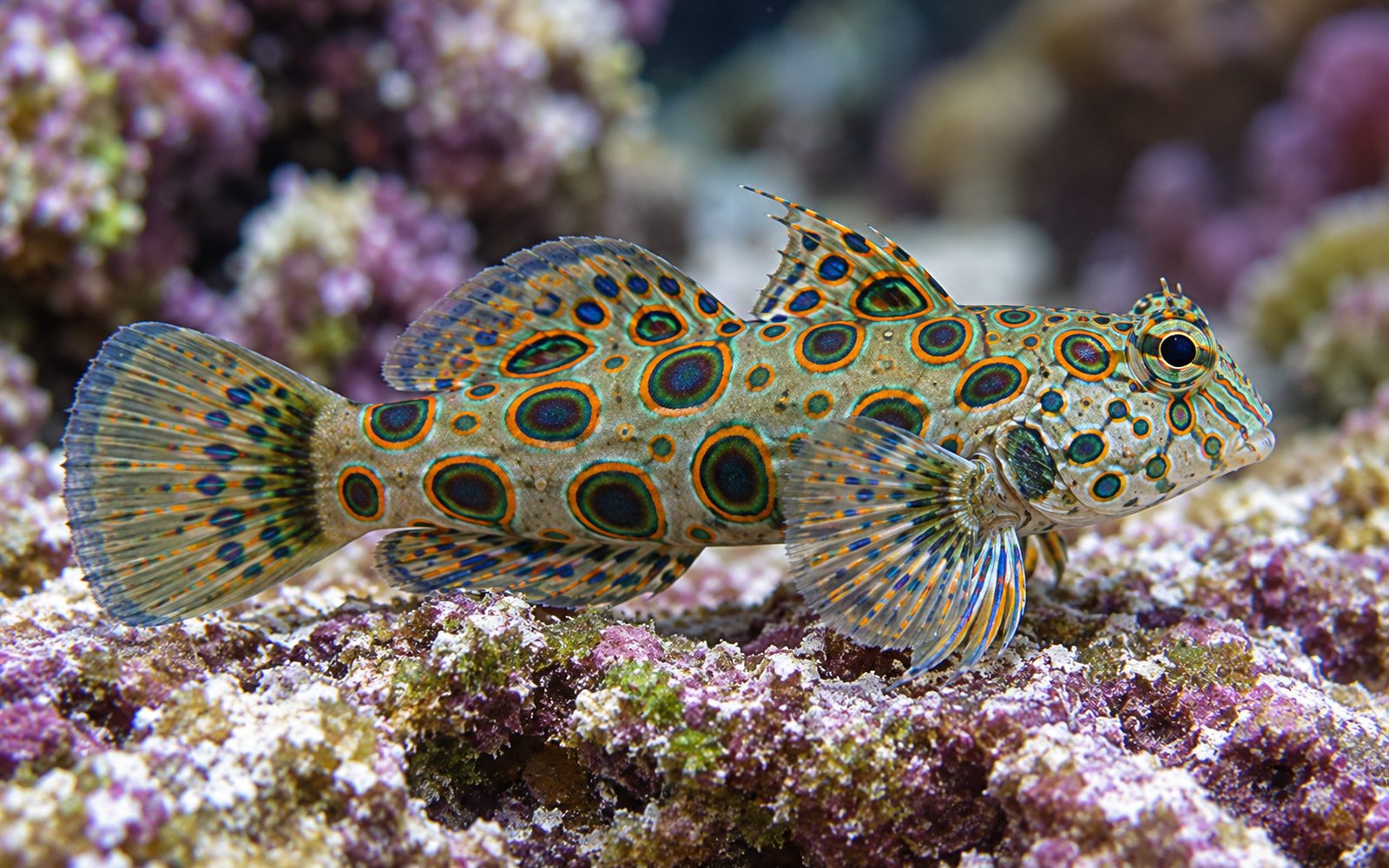
Avoid: other damsels, timid fish such as firefish and dartfish, small gobies, royal gramma, a small tank with clownfish.
Group and Colony Structure
Kept as a single individual. If a second Fiji damsel or another blue damsel is put in the same aquarium, fighting is almost inevitable. In very large aquariums (400 liters and up), a group of juveniles can be added at the same time, but over time the dominant individual corners the others.
Breeding
It forms temporary pairs in the breeding season. The female lays her sticky eggs on a rock or shell surface; the male guards the eggs and aerates them by fanning with his fins. The eggs hatch within a few days. The larvae are planktonic; because they require a separate rearing container, rotifers and marine phytoplankton, raising them in the aquarium is rare.
Health and Common Problems
- Resistant to disease; still, quarantine a new arrival for 3–4 weeks.
- Marine ich (Cryptocaryon) and velvet (Amyloodinium): watch for them in quarantine.
- Fighting wounds show up as torn fins; separate a fish that is constantly being chased.
Sexing
Reliable external sexing is difficult. Males usually have a mostly blue dorsal fin, while females' is mostly yellow; this difference is not clear in every individual. In the breeding season the female's belly becomes fuller.
Tank mates
This list is calculated automatically from the species profile and grows as new species are added to the catalog. Try it in the planner for a definite answer.
Should not be kept together


Hobbyist notes
Things you won't find in books, learned by trial and error. The most helpful ones are on top.
Change history and contributors
- Page created · October 16, 2026