
Water parameters
Overview
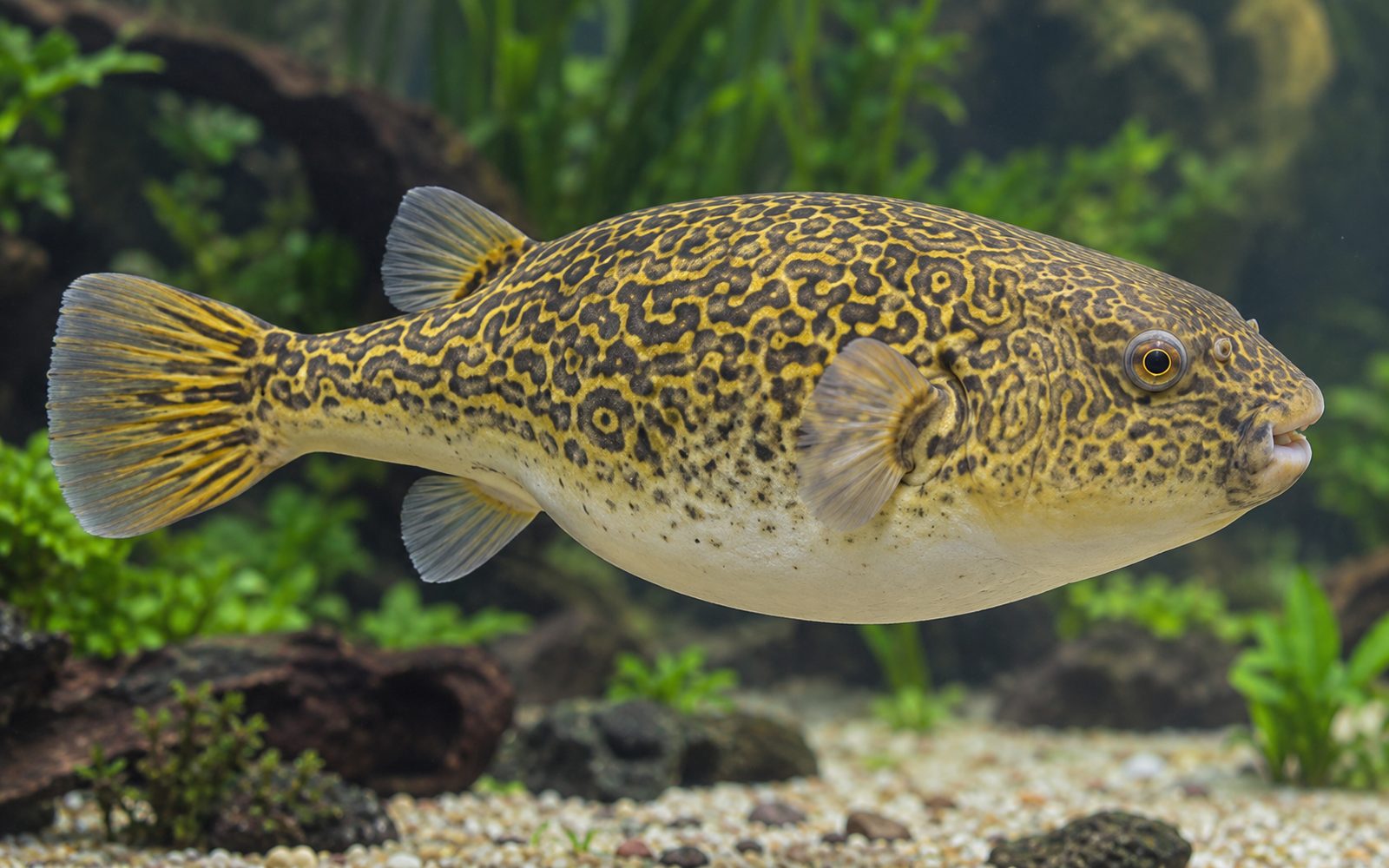
The mbu is the largest of the puffers living in fresh water; in the wild it exceeds 65 cm. The dark, worm-track-like lines covering its yellowish-olive skin become denser with age. It is a large, dignified and intelligent fish; it recognizes its owner and comes to the front glass at feeding time.
It is sold in stores as a 5–8 cm juvenile and grows very large over the years. It should not be bought unless you will set up an aquarium of at least 2000 liters with matching filtration. It is long-lived and can live for more than ten years.
Natural Habitat
It lives in the wide, deep stretches of the Congo River and in Lake Tanganyika. In the wild it feeds by crushing snails, mussels and crustaceans with its powerful beak. These waters are moderately hard and slightly alkaline; in the aquarium, too, stable water close to these values should be preferred over soft, acidic water.
The mbu's size determines not only the aquarium volume but the whole care routine: every water change means hundreds of liters, every feeding means kilos of shelled food. Before buying, calculate whether this load can be sustained for years.
Tank Setup
- Volume: at least 2000 liters for an adult; ideally 3000 liters or more, with a width of at least 100 cm.
- Filter: a very strong canister or sump filter; 40–50% water change weekly. Large food items and waste foul the water quickly.
- Water: moderately hard to hard, slightly alkaline; no salt is needed.
- Decor: simple and sturdy: large stones, a guarded heater. Leave plenty of swimming space.
Diet
Carnivorous. Hard-shelled foods such as mussels, snails, crayfish, crabs and shell-on shrimp should be the staple; only these wear down its beak. Vary with fish fillet and squid. Adults are fed to satiation a few times a week.
Behavior and Compatibility
It is known to be calmer toward people than the fahaka, but it has little tolerance for tankmates; it bites fins and eyes and eats anything that fits.
Good companions: the safest option is to keep it alone.
Avoid: all small and medium-sized fish, shrimp, snails, a second puffer.
Group and Colony Structure
In a home aquarium a single fish is kept.
Breeding
Aquarium breeding is unknown; its breeding behavior in the wild is also poorly documented.
Health and Common Problems
- Overgrown teeth: occur when shelled food is lacking; in advanced cases expert intervention is needed.
- Water quality: because of the heavy bioload, nitrate rises quickly; loss of appetite is the first sign.
- Medication sensitivity: its scaleless skin is sensitive to copper.
Sexing
No reliable external difference is known.
Tank mates
This list is calculated automatically from the species profile and grows as new species are added to the catalog. Try it in the planner for a definite answer.
Usually compatible
 Spotted Tilapia
 Flowerhorn
 Jaguar Cichlid
 Red Terror Cichlid
 Cryptocoryne Parva
 Wolf Cichlid
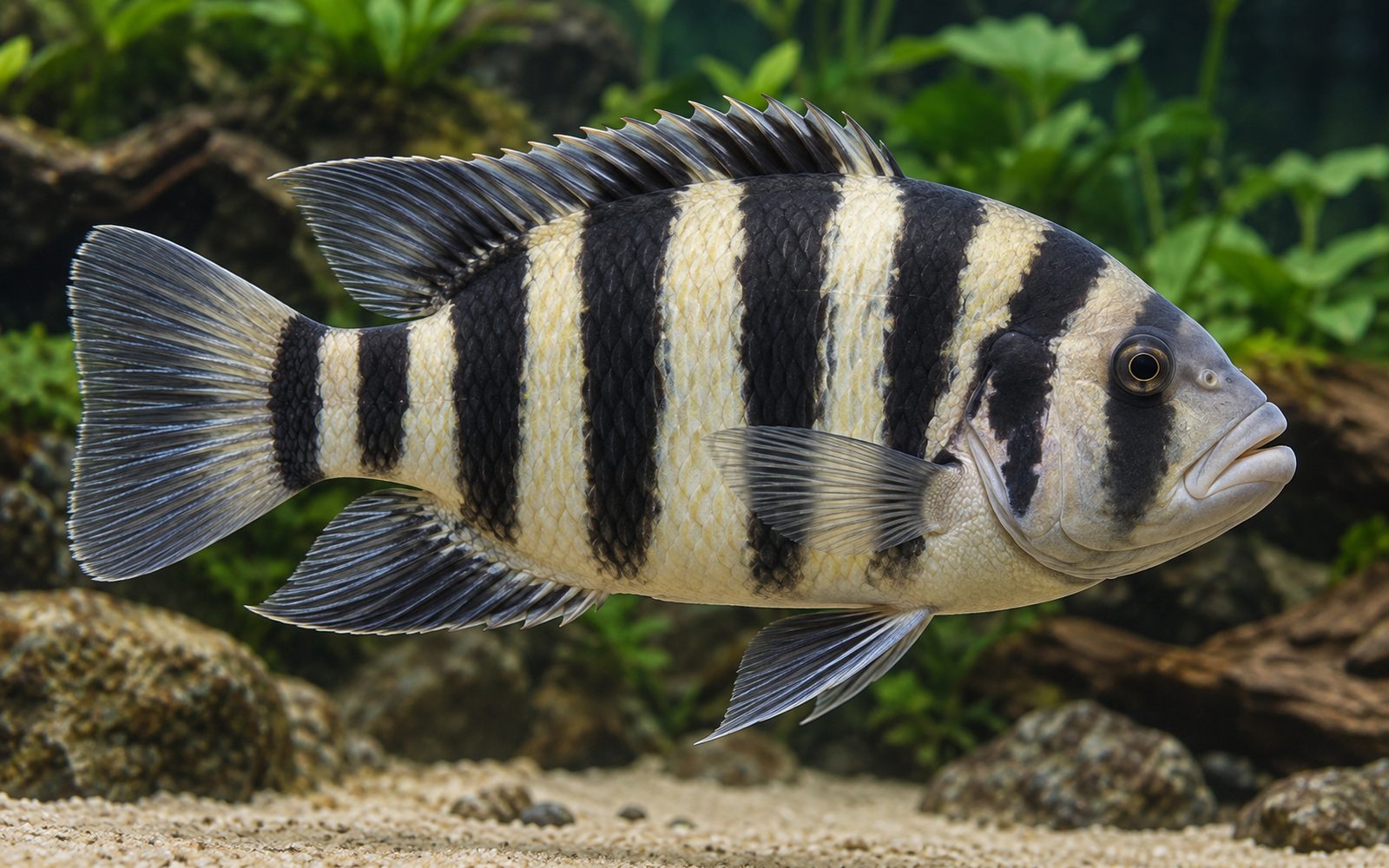 Zebra Tilapia
 Weeping Moss
 Flame Moss
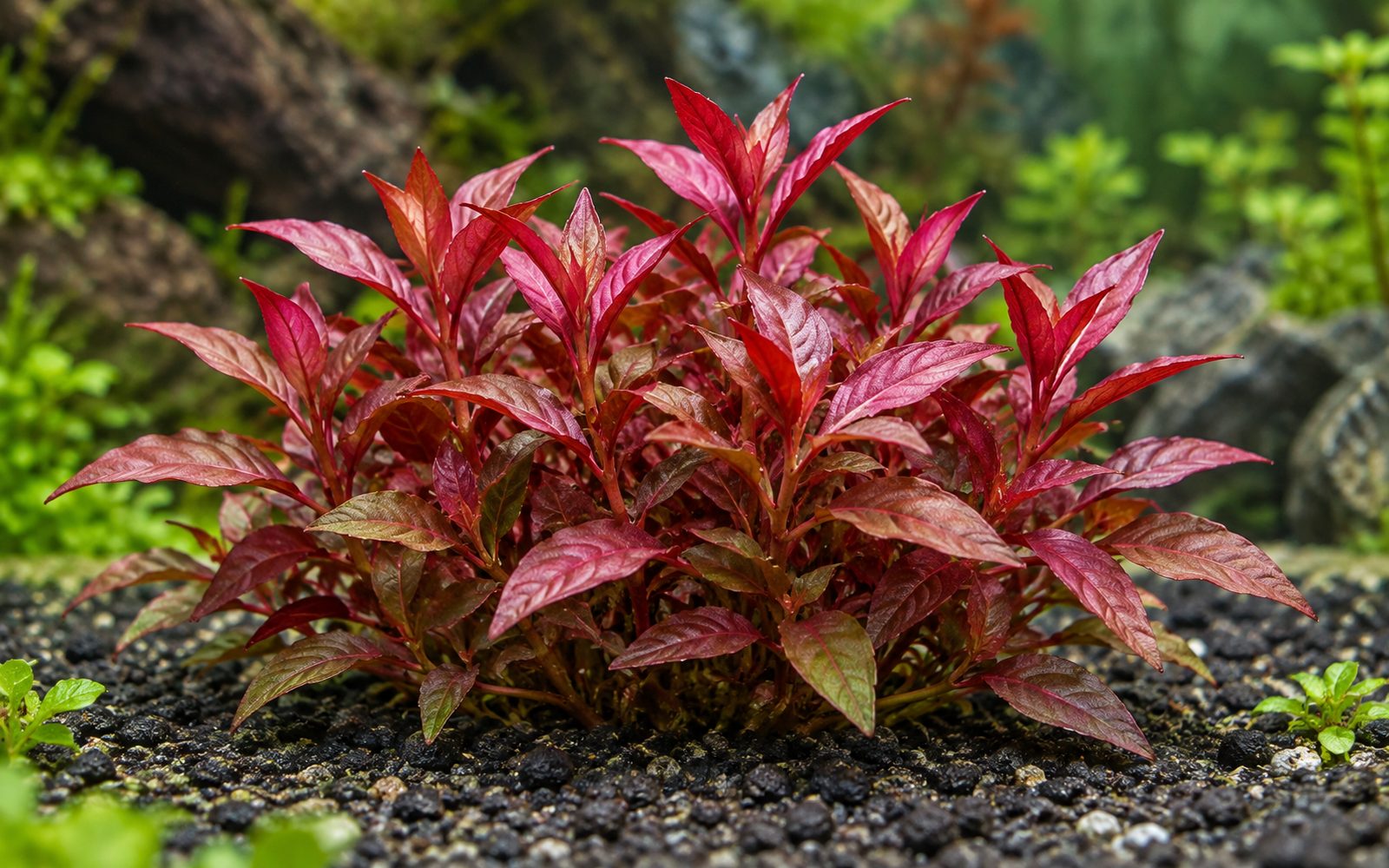 Alternanthera Reineckii 'Mini'
Should not be kept together








Hobbyist notes
Things you won't find in books, learned by trial and error. The most helpful ones are on top.
Change history and contributors
- Page created · October 16, 2026