
Water parameters
Overview
Cyphotilapia gibberosa is a separate species described in 2003 for populations long known as the southern forms of the frontosa. Its appearance is very similar to the frontosa: a pale background, thick black vertical bands and a forehead hump that grows with age. Forms sold in the trade as "Blue Zaire Moba," "Mpimbwe" and "Kipili" are generally attributed to this species; forms whose body and fins lean toward an intense blue are especially sought after. Telling the two species apart from the outside is a job for experts; for this reason they should not be mixed in the same group, and local forms should not be hybridized.
Tank Setup
- At least 500 liters and a length of 180 cm or more for one male and 3–4 females.
- A few large, sturdy caves and a wide swimming area in the middle; dim or moderate light.
- Hard, alkaline and stable water (pH 8–9); a 25–30% water change every week.
- Since it lives in deep water, it is best if the temperature does not exceed 27°C; a strong filter is essential.
Diet
Carnivorous. A sinking granule for large cichlids should be the staple; vary it with mysis, krill and pieces of shrimp. Do not feed mammalian meat or live feeder fish. Because it eats slowly, do not make it compete for food with fast fish.
Behavior and Compatibility
Calm and slow-moving; within the group the dominant male sets the hierarchy. The female broods the eggs in her mouth for about a month and releases large fry ready to swim. It grows slowly; maturity takes several years.
Good companions: adult Altolamprologus, large Synodontis species and calm Tanganyika fish too big to fit in its mouth.
Avoid: small fish and shrimp (they become prey), fast and aggressive species such as Tropheus and mbuna, a mixed group with frontosa.
A short profile for this species
The Cyphotilapia gibberosa page has the basics, but the sections below have not been written yet. If you keep this species, write a section from your own experience; it will be published under your name after editor approval.
Tank mates
This list is calculated automatically from the species profile and grows as new species are added to the catalog. Try it in the planner for a definite answer.
Usually compatible
 Yellow Tail Acei
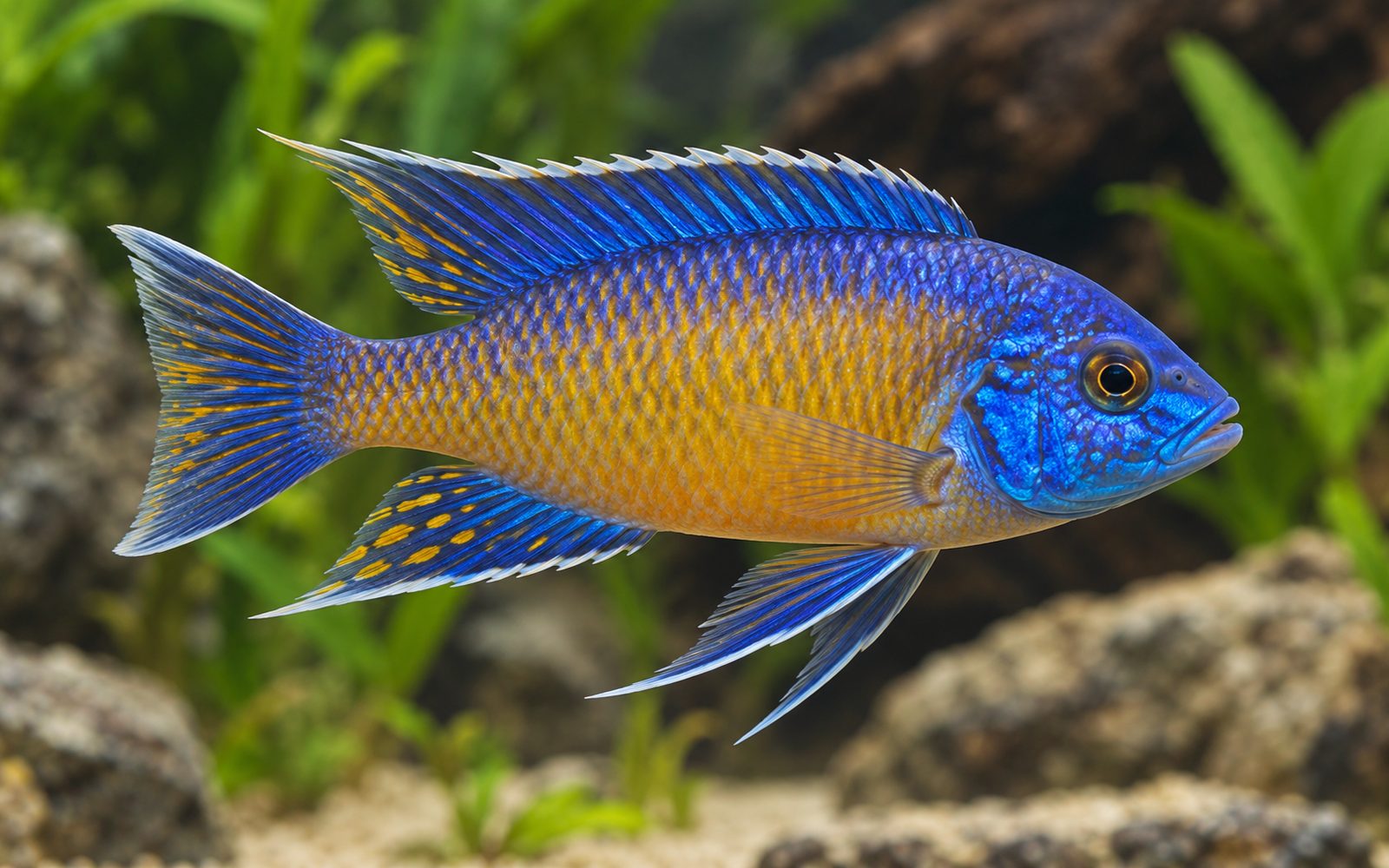 Fairy Cichlid
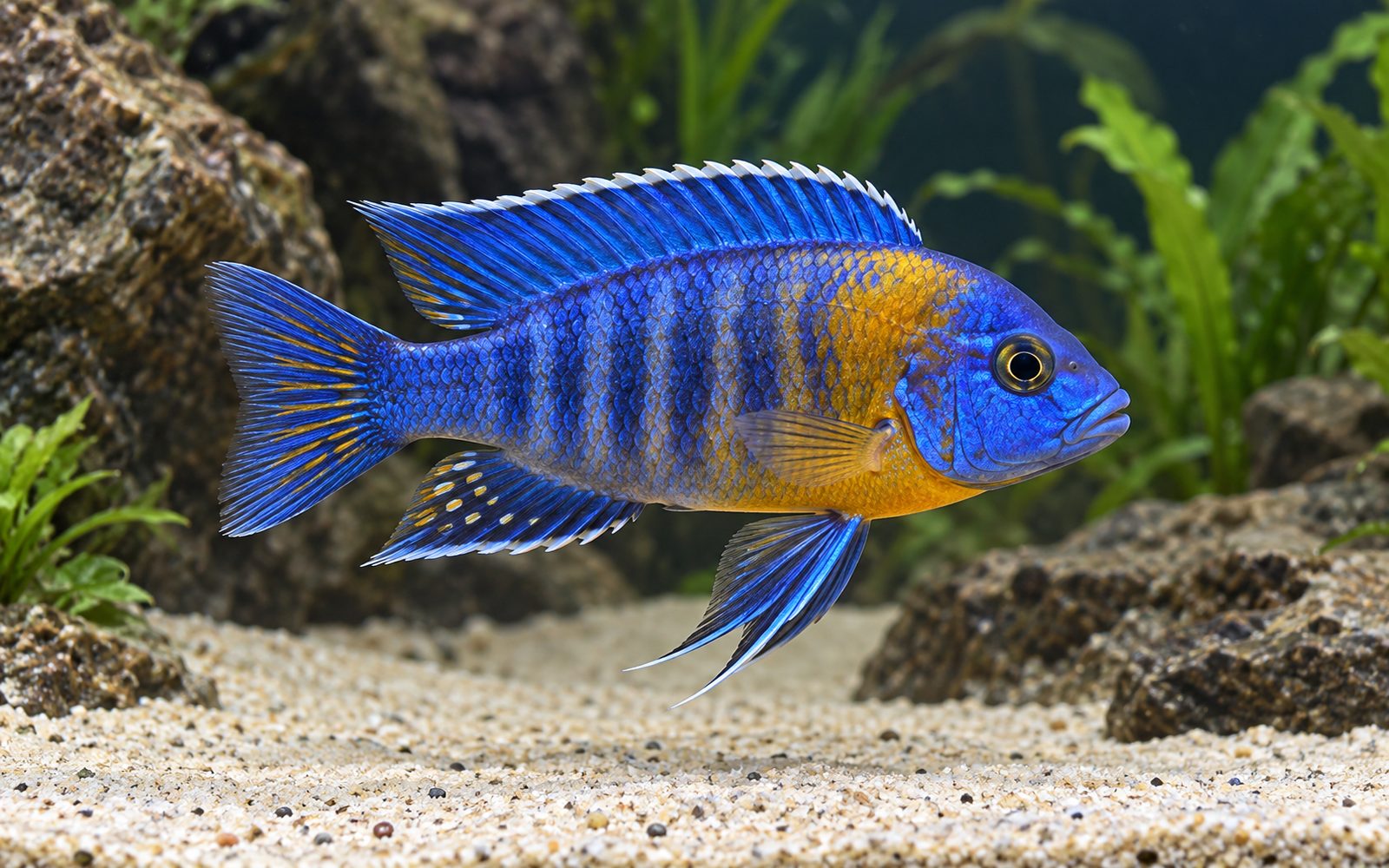 Peacock Cichlid
 Bumblebee Cichlid
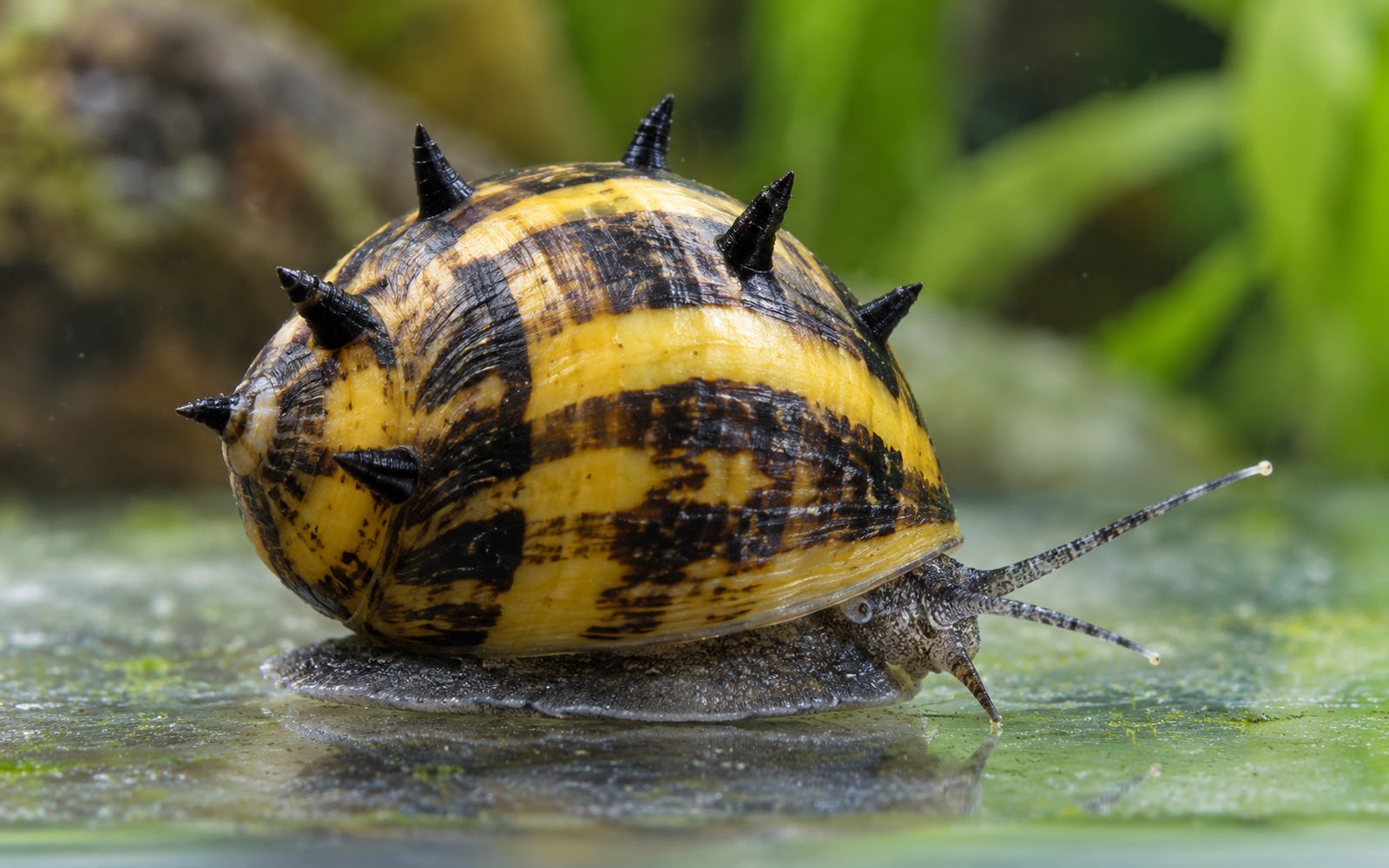 Horned Nerite Snail
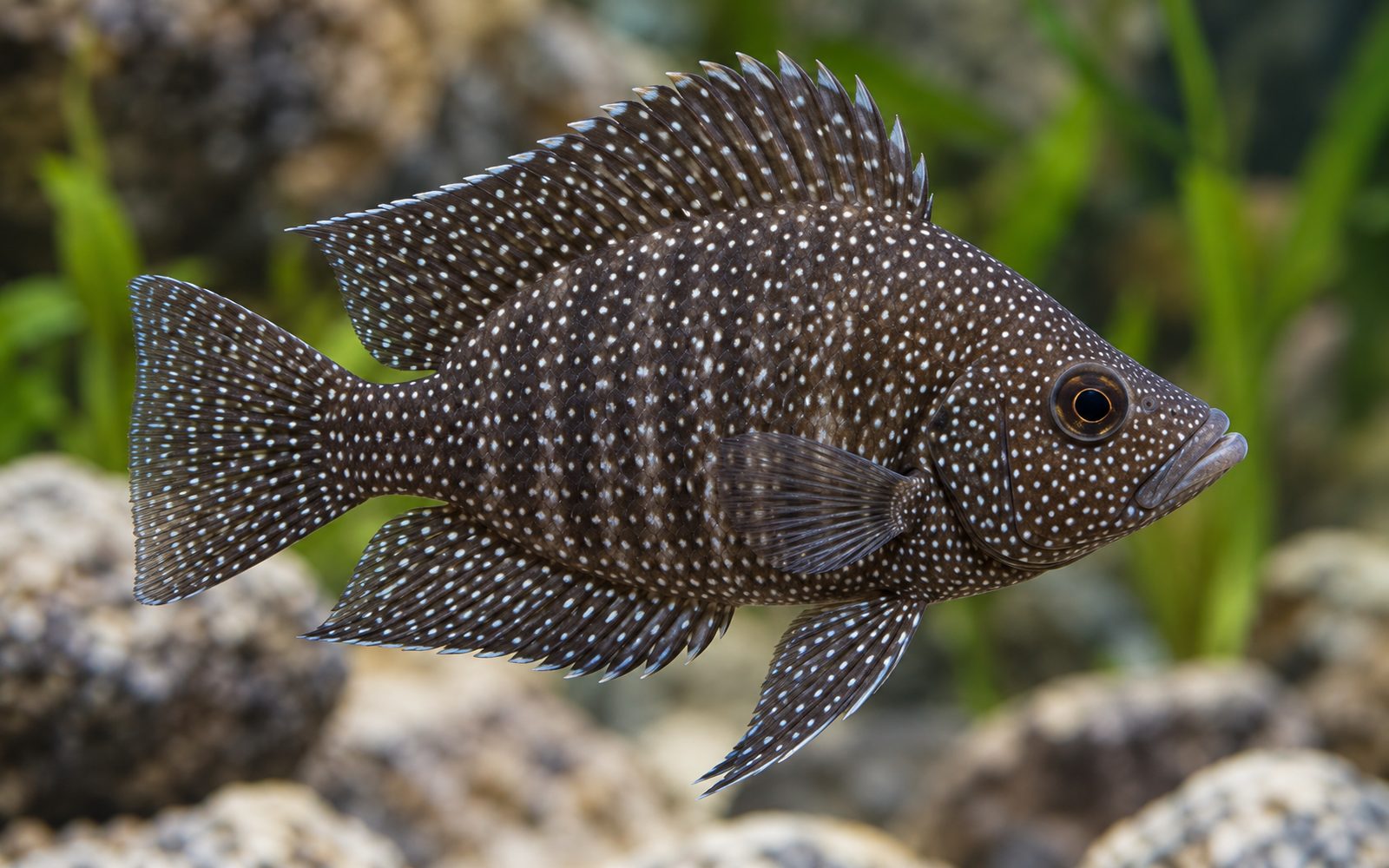 Altolamprologus calvus
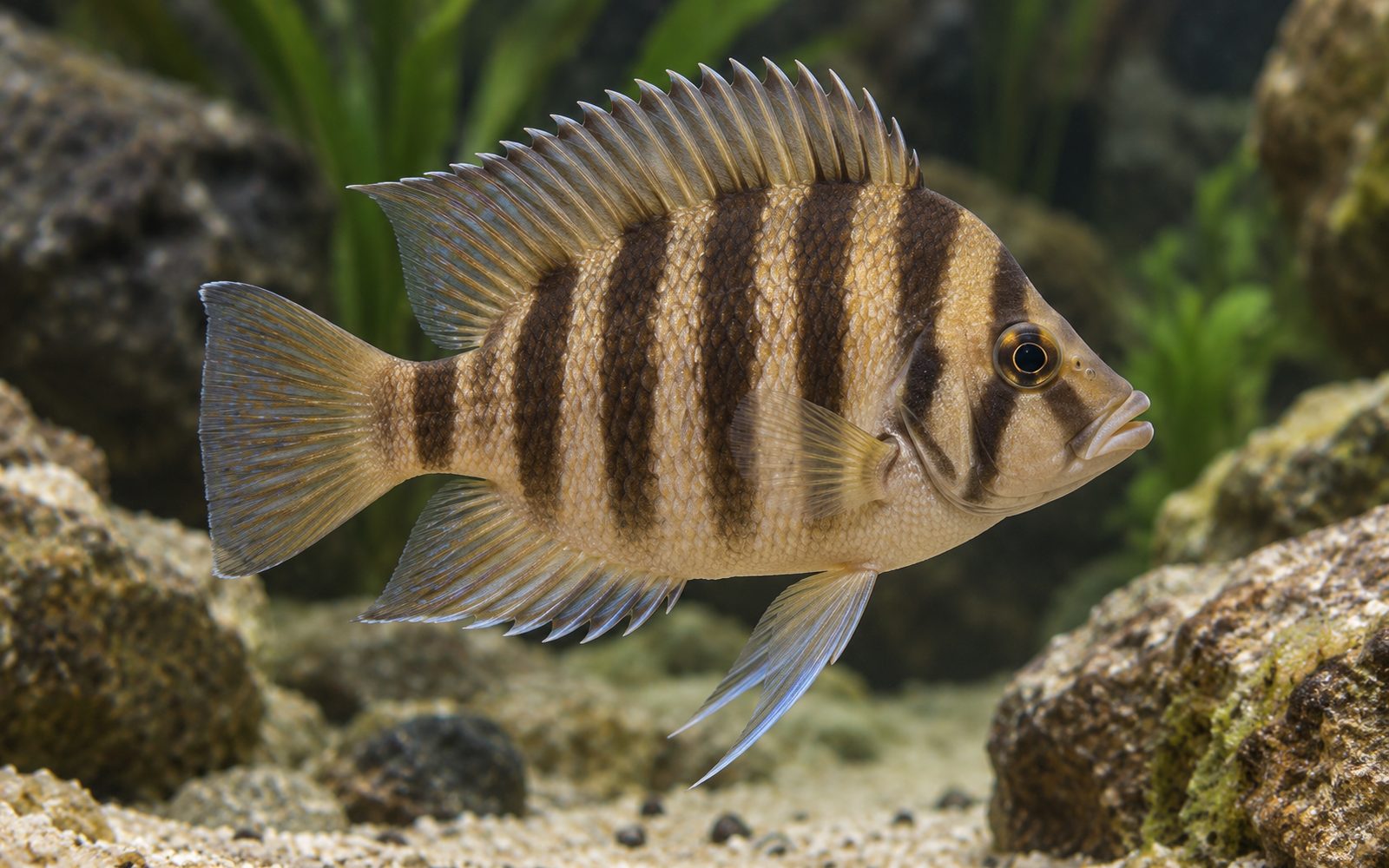 Altolamprologus compressiceps
Copadichromis azureus
Altolamprologus compressiceps
Copadichromis azureus
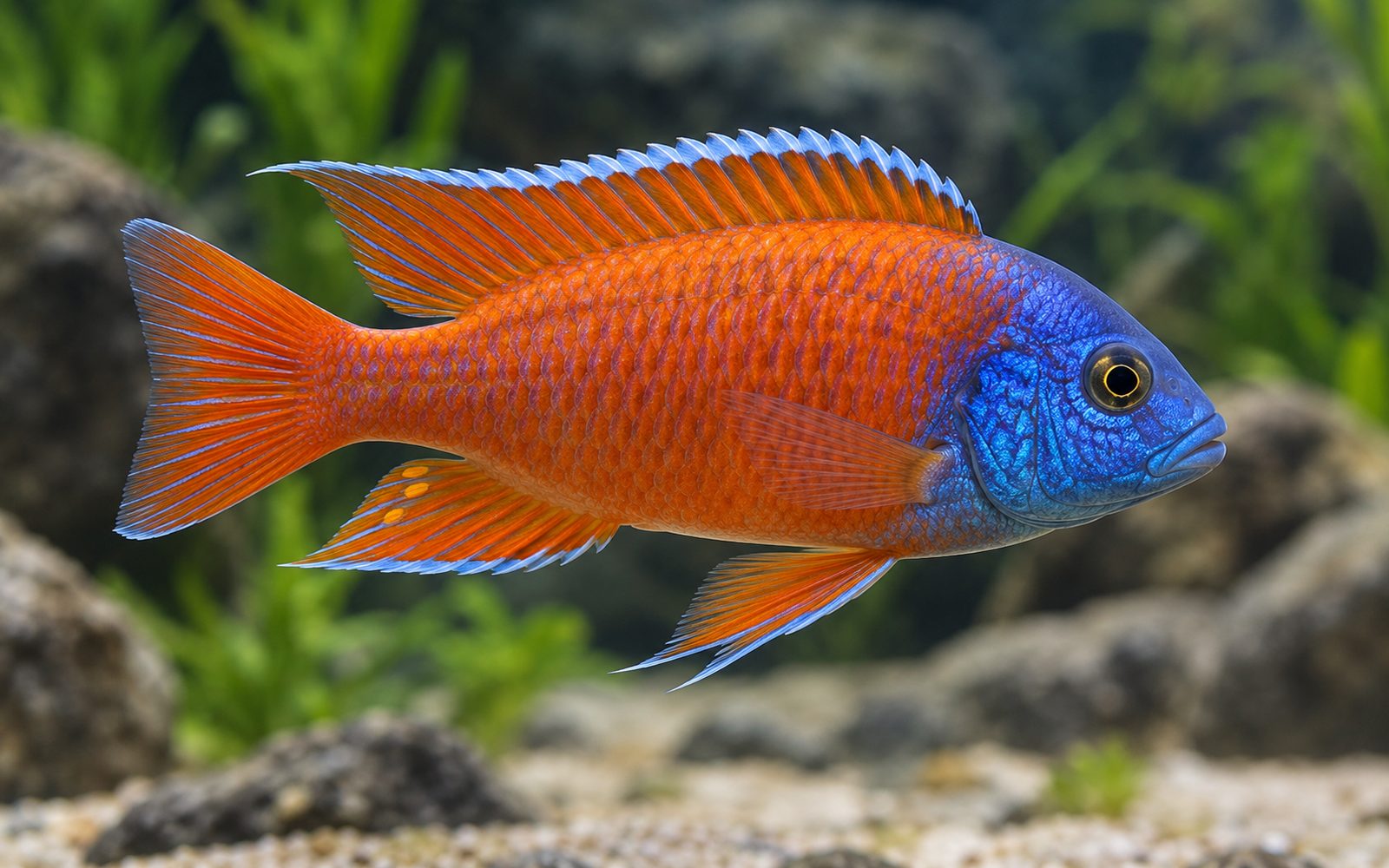 Copadichromis borleyi
Cyathopharynx furcifer
Copadichromis borleyi
Cyathopharynx furcifer
Should not be kept together








Hobbyist notes
Things you won't find in books, learned by trial and error. The most helpful ones are on top.
Change history and contributors
- Page created · October 16, 2026