

Water parameters
Overview
The altum angelfish is the largest and tallest species in the genus Pterophyllum. With a body length of around 18 cm, its height including the dorsal and anal fins can exceed 40 cm. The distinct notch just above the snout, the reddish spots on the fins and its smaller scales set it apart from the common angelfish.
For many years only wild-caught specimens were sold; in recent years captive-bred altums have also become available. Wild-caught fish are sensitive to transport stress and disease. For this reason the altum suits hobbyists who can manage water chemistry and set aside a large, tall aquarium.
Natural Habitat
It lives in the blackwaters of the Orinoco basin (especially tributaries such as the Atabapo and Inírida) and the upper Rio Negro. These waters are tea-colored, almost mineral-free and very acidic. Altums gather in groups among fallen trees and branches overhanging the water.
Tank Setup
- Volume and height: At least 400 liters for a group of 5–6; a water depth of at least 65–70 cm.
- Water: Very soft (low conductivity), pH 5–6.5 and 28–30°C. Reverse osmosis water and a source of tannins (leaves, roots) are used.
- Decor: Vertical roots and branches, tall plants, dim light.
- Maintenance: A 25–40% water change every week; the new water must have the same values as the aquarium. It is sensitive to sudden changes.
Diet
Omnivorous. Offer quality granules and flakes, frozen bloodworms, brine shrimp, mysis and mosquito larvae. Newly arrived wild fish may accept only frozen food at first. Two small meals a day are enough.
Behavior and Compatibility
Calm and social, but it eats small fish that fit in its mouth. Because it is skittish, it can injure itself by crashing into decor when suddenly startled.
Good companions: Discus, Heckel discus, large-bodied tetras (such as a school of rummy-nose tetras), corydoras, plecos, calm Geophagus species.
Avoid: Fish that fit in its mouth, such as neons and cardinals (risky even if raised together from a young age), fin-nipping barbs, aggressive cichlids, shrimp.
Group and Colony Structure
In the wild it lives in groups; in the aquarium a group of at least 5–6 is also recommended. One or two fish on their own become skittish, and stress-related diseases increase. Over time a pair may split off from the group.
Breeding
It is difficult to breed in the aquarium; it requires very soft and acidic water and a high temperature. The pair lays its eggs on a vertical surface (leaf, root, pipe) and guards them much like the common angelfish. The fry are fed brine shrimp nauplii.
Health and Common Problems
- Transport stress and bacterial infections: The first weeks are critical for wild fish; quarantine is essential.
- Parasites: Intestinal and gill parasites are common.
- Fluctuating water values: Sudden changes in pH and hardness can be fatal.
Sexing
It is almost impossible to tell the sexes apart from the outside. Mature males may have a slightly more pronounced forehead. A reliable distinction is made by the papilla during spawning.
Tank mates
This list is calculated automatically from the species profile and grows as new species are added to the catalog. Try it in the planner for a definite answer.
Usually compatible
 Chocolate Cichlid
 Discus
 Festivum
 Geophagus altifrons
 Geophagus surinamensis
 Threadfin Acara
Adonis Pleco
Threadfin Acara
Adonis Pleco
 African Butterflyfish
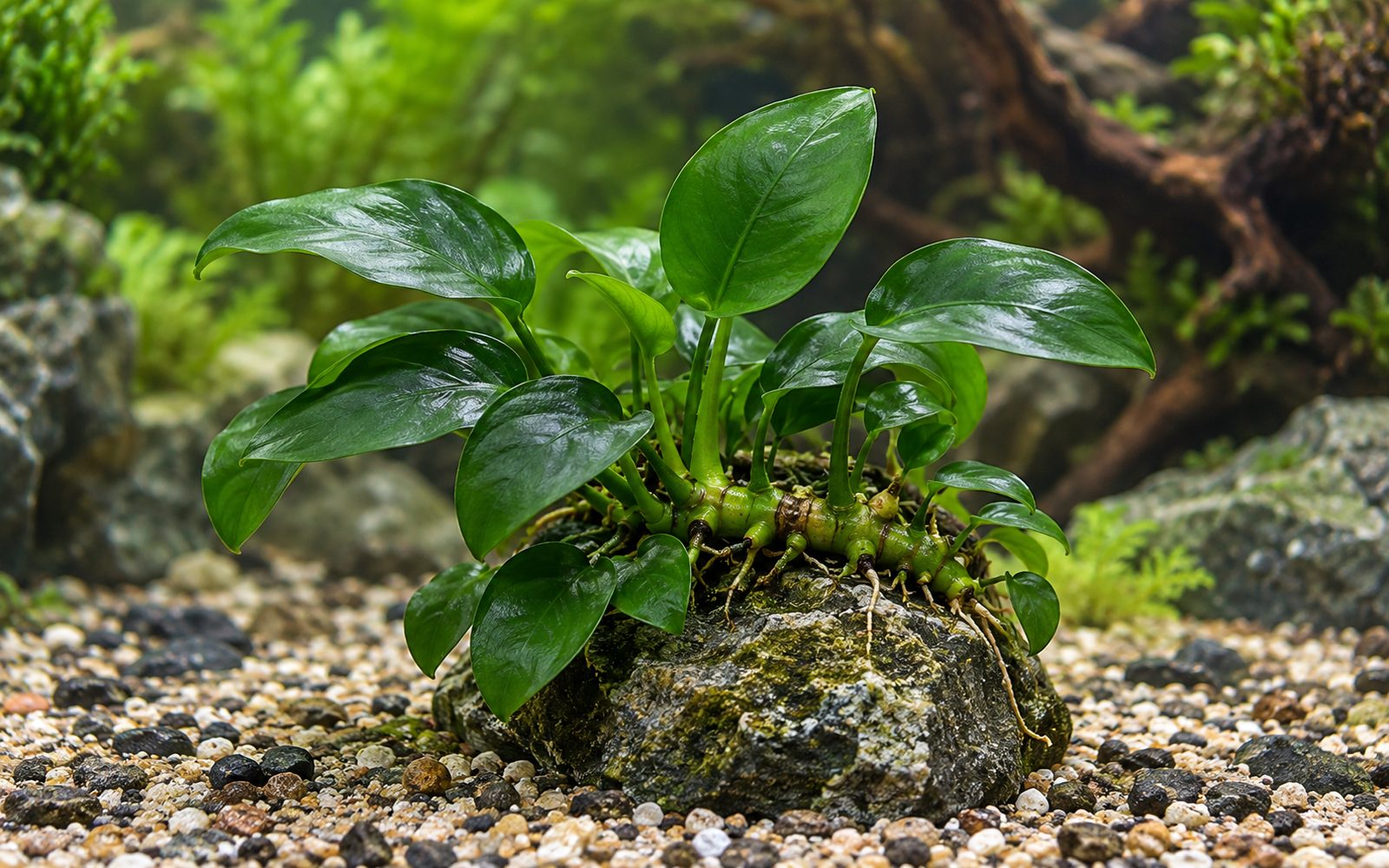 Anubias Nana
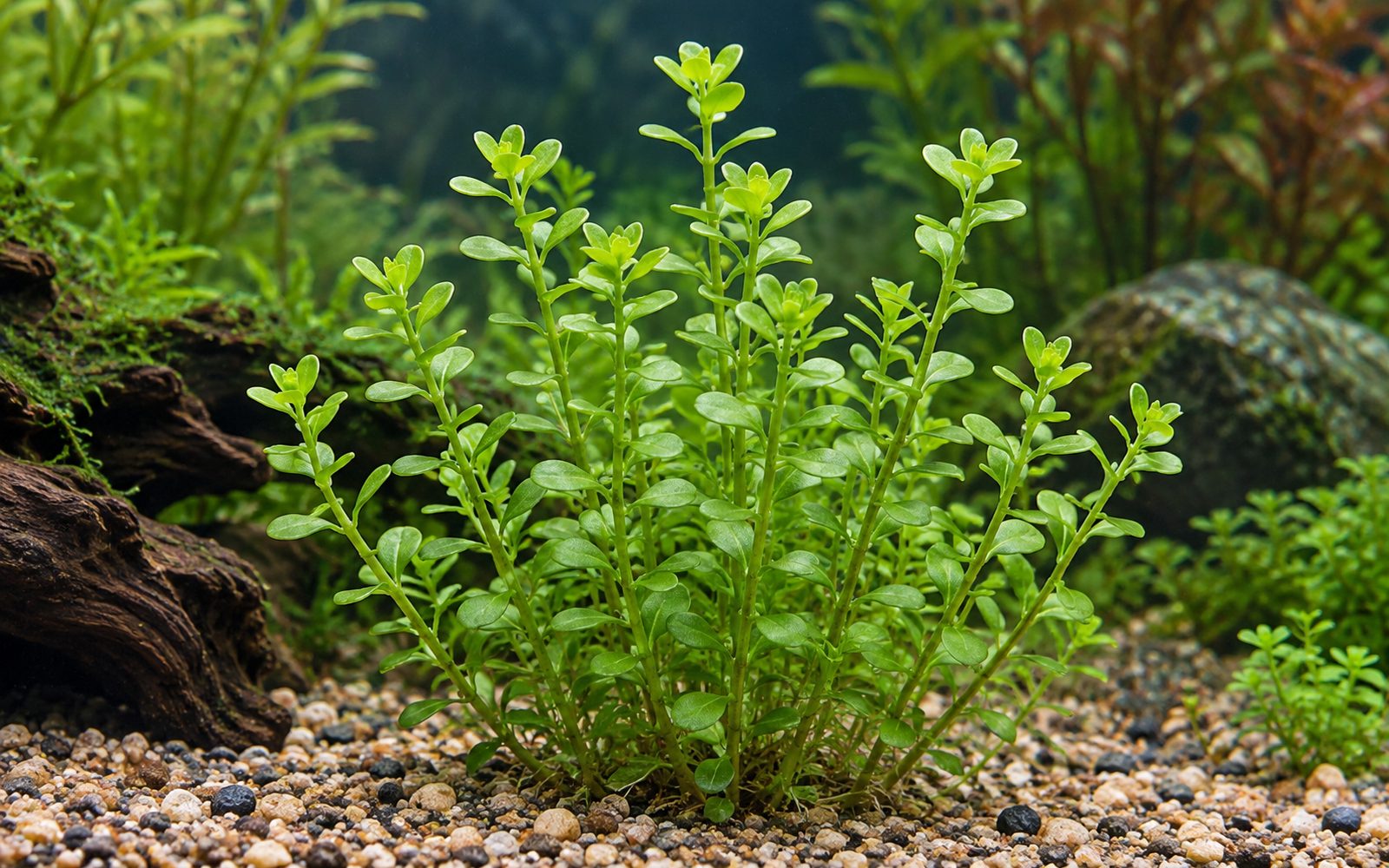 Bacopa Monnieri
Should not be kept together








Hobbyist notes
Things you won't find in books, learned by trial and error. The most helpful ones are on top.
Change history and contributors
- Page created · October 16, 2026