
Water parameters
Overview
As a juvenile, the adonis pleco is one of the most eye-catching plecos in stores, with its white polka dots on a black background and its long-tipped, lyre-like tail. But this cute look is misleading: the spots fade and disappear with age, and the fish reaches 60 cm in the aquarium and, according to reported records, much more in the wild.
In the trade, dark-colored Acanthicus are often also sold under the number L155; which species this number belongs to is disputed.
Tank Setup
- At least 1500 liters and 300 cm length for one adult; public aquarium scale.
- Very powerful sump filtration, frequent water changes.
- Large, sturdy caves; it easily shifts decor around.
Diet
Omnivorous. Pieces of fish, mussel and shrimp, krill, protein-rich sinking tablets and blanched vegetables should be given in rotation.
Behavior and Compatibility
It becomes territorial and rough as it grows; it may attack other plecos and bottom dwellers. Its spiny plates and fin spines can injure other fish.
Good companions: Only very large, robust fish: large cichlids, large characins (in a very large system).
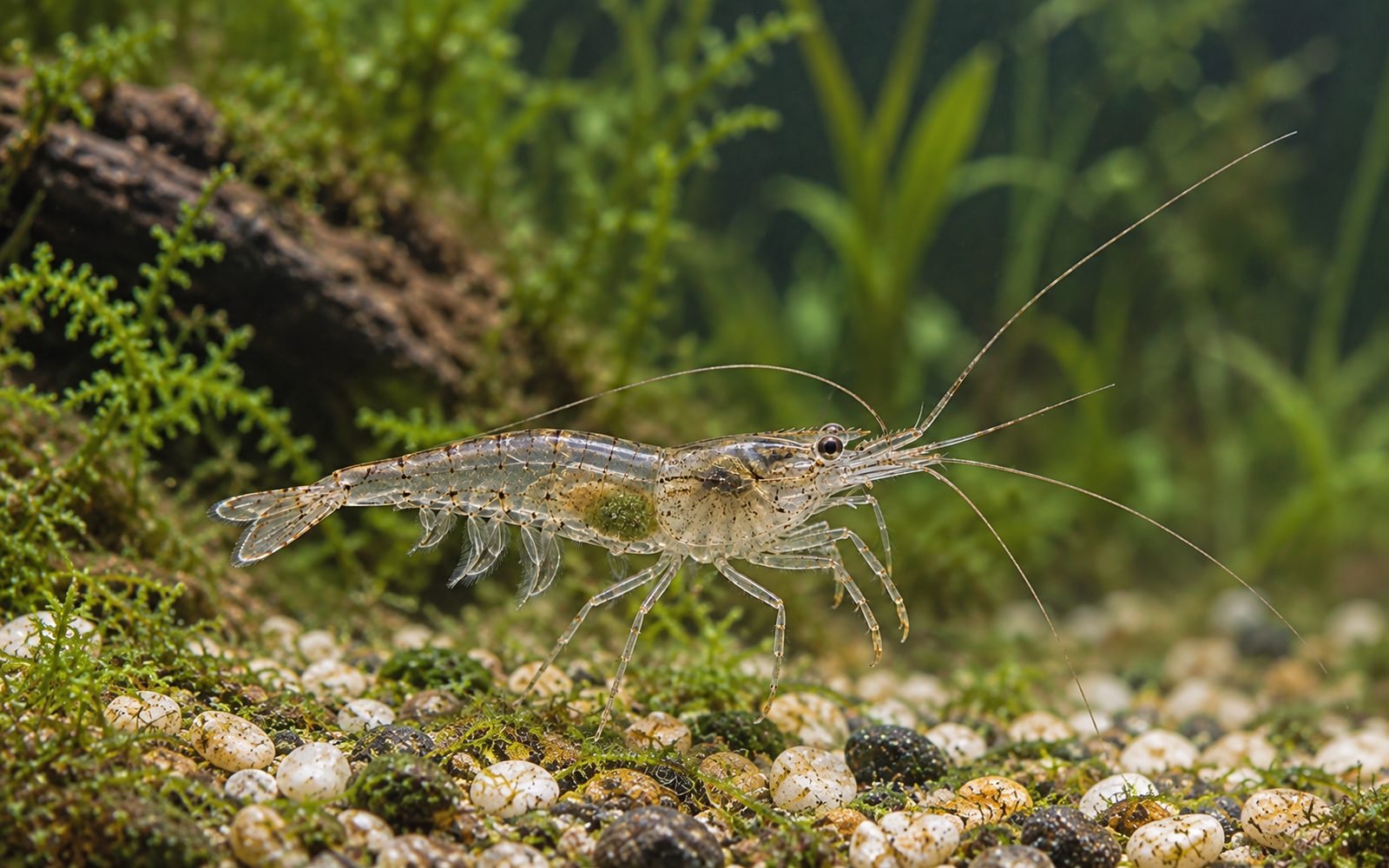
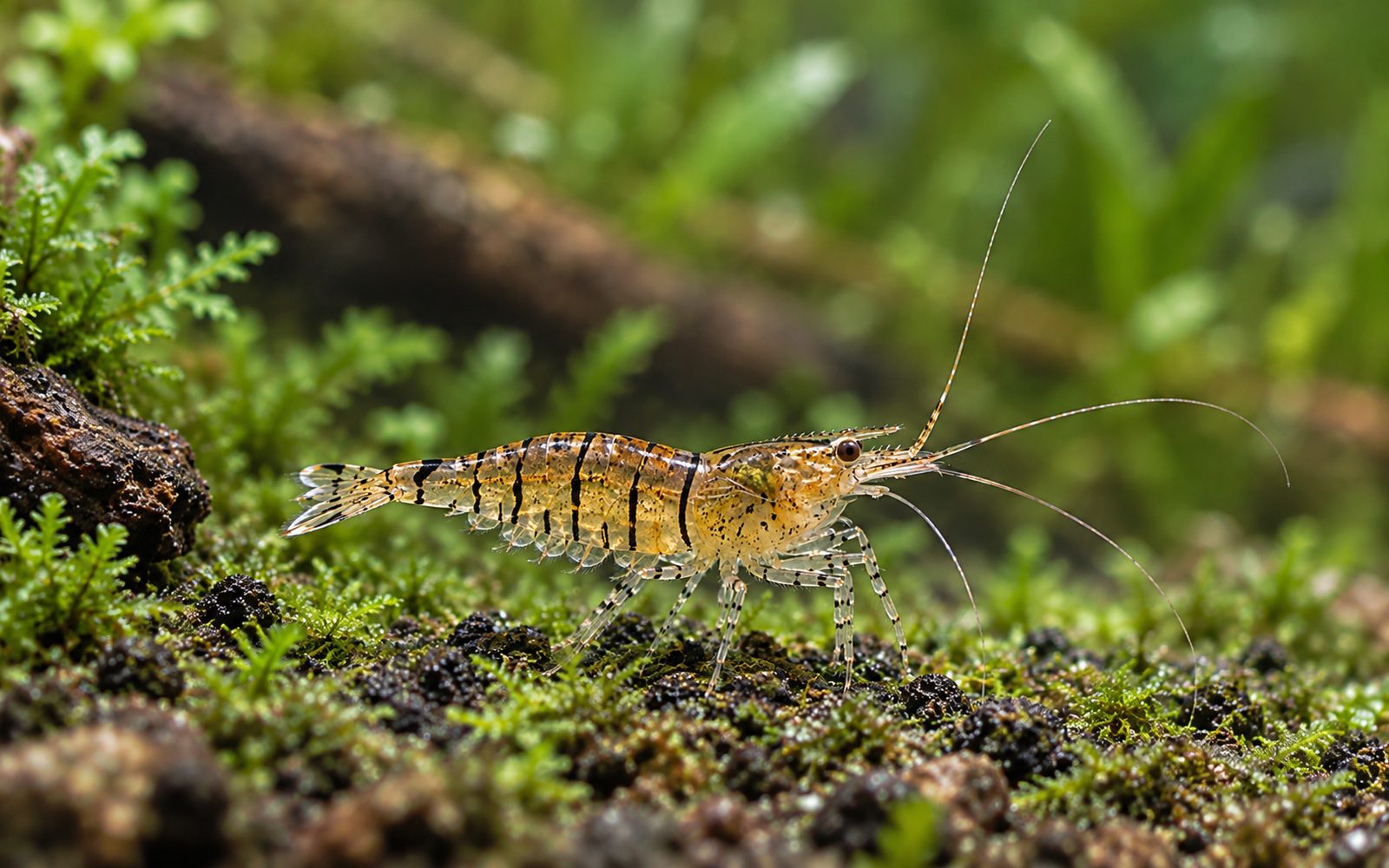
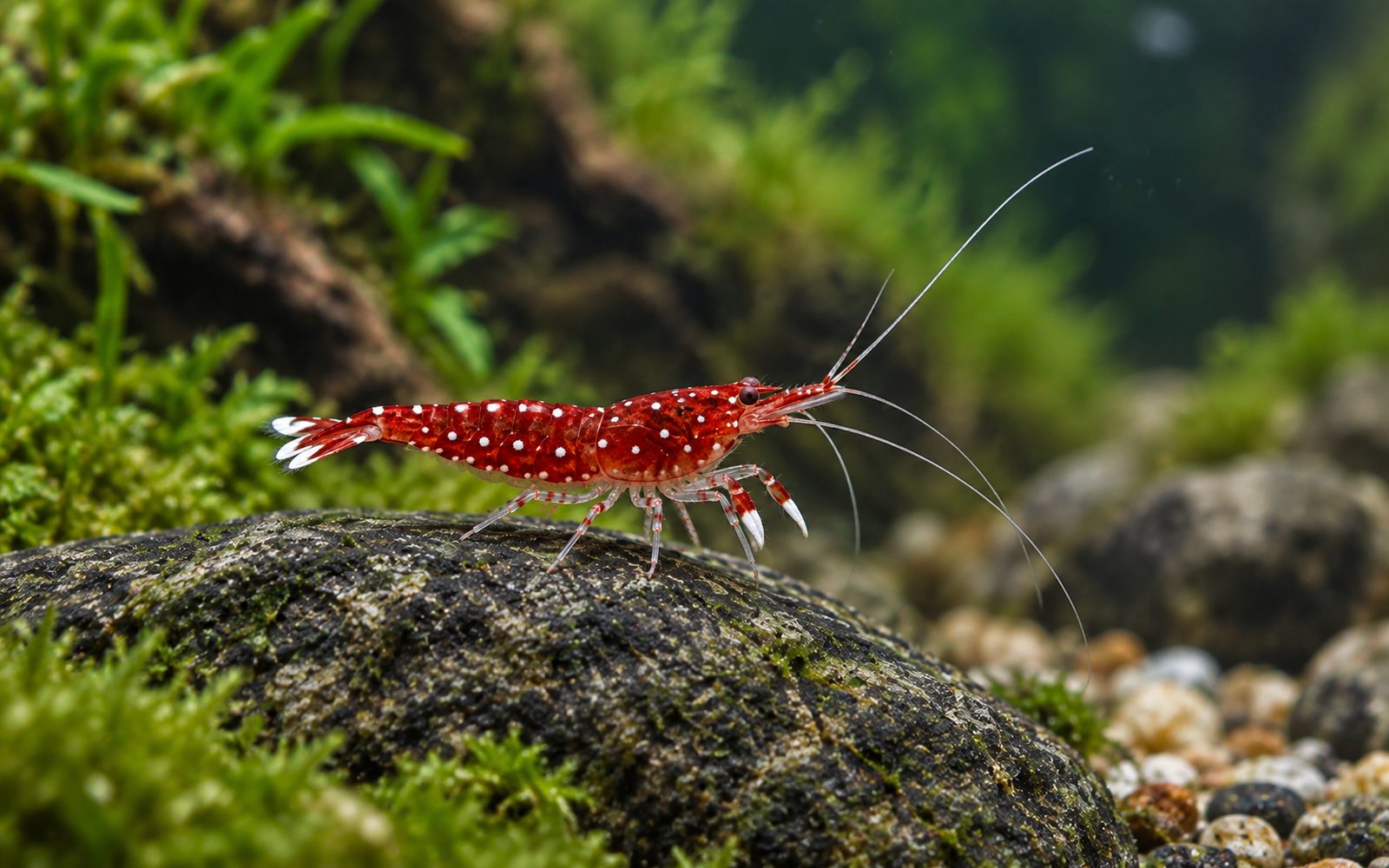
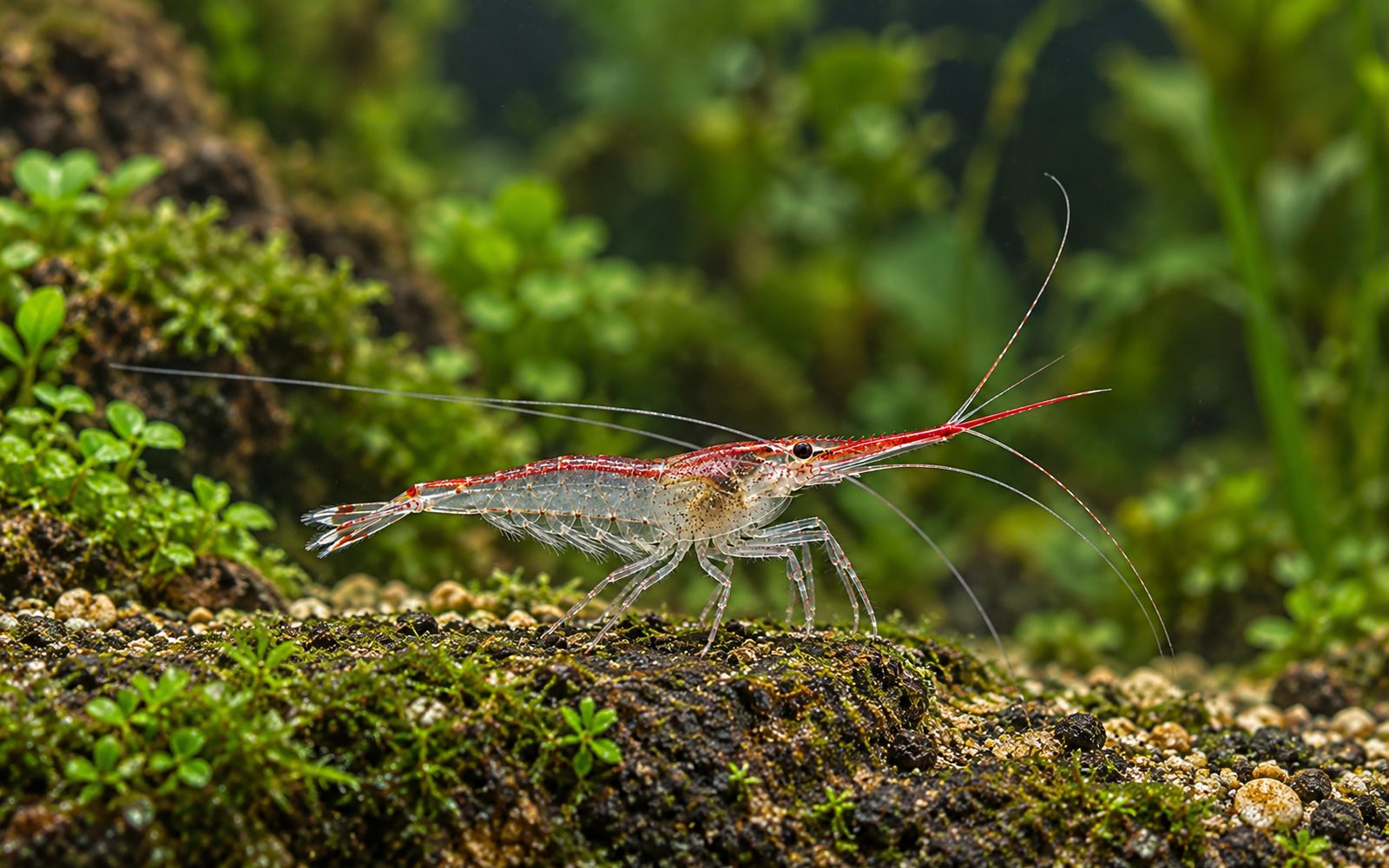
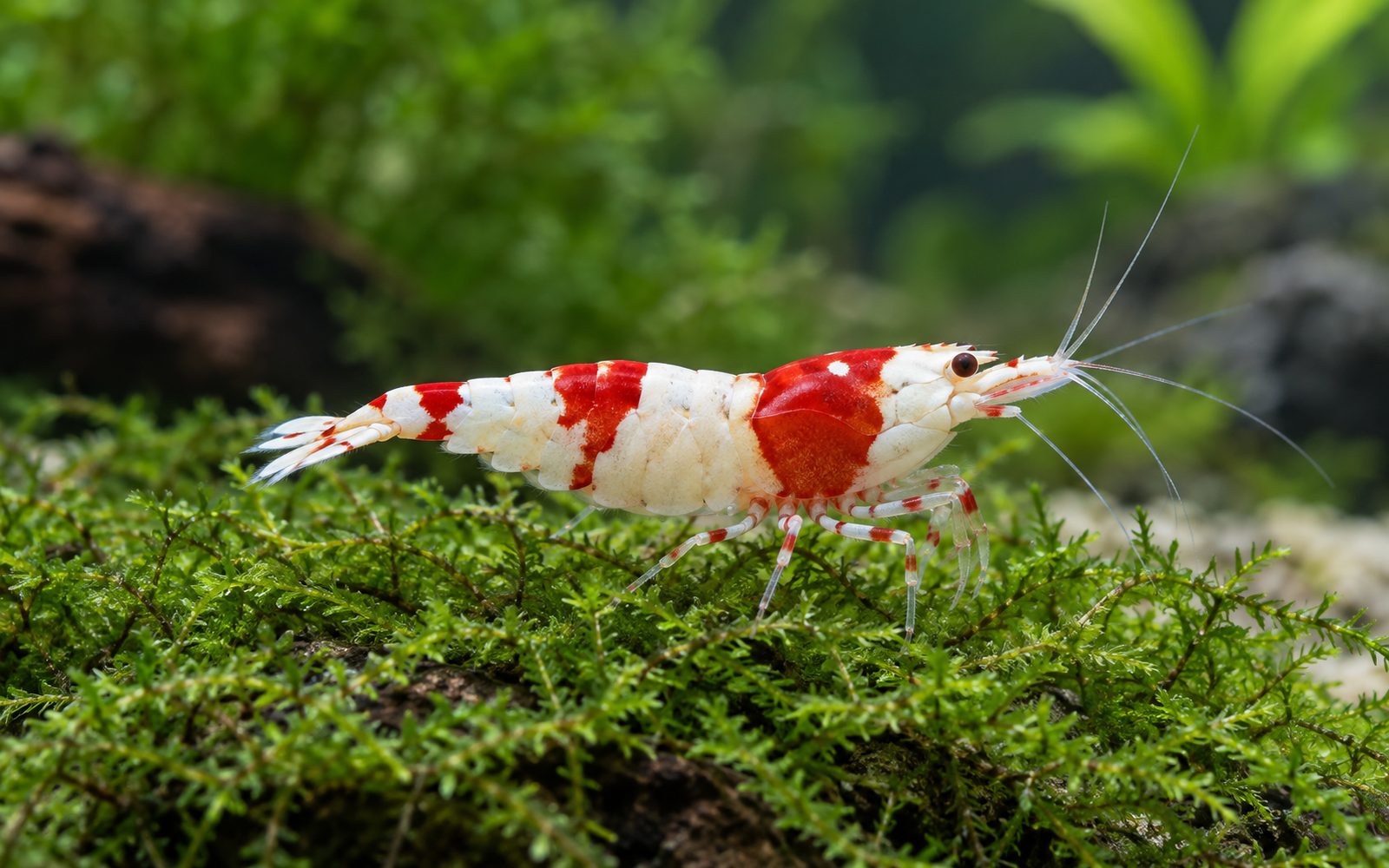
Avoid: Home aquariums, other plecos, small and slow bottom dwellers, shrimp.
A short profile for this species
The Adonis Pleco page has the basics, but the sections below have not been written yet. If you keep this species, write a section from your own experience; it will be published under your name after editor approval.
Tank mates
This list is calculated automatically from the species profile and grows as new species are added to the catalog. Try it in the planner for a definite answer.
Usually compatible
 Emerald Betta
 Altum Angelfish
 Firemouth Cichlid
 Banded Jewel Cichlid
 Spotted Tilapia
 Buffalohead Cichlid
 Chocolate Cichlid
 Festivum
 Flowerhorn
Should not be kept together


Hobbyist notes
Things you won't find in books, learned by trial and error. The most helpful ones are on top.
Change history and contributors
- Page created · October 16, 2026