
Water parameters
Overview
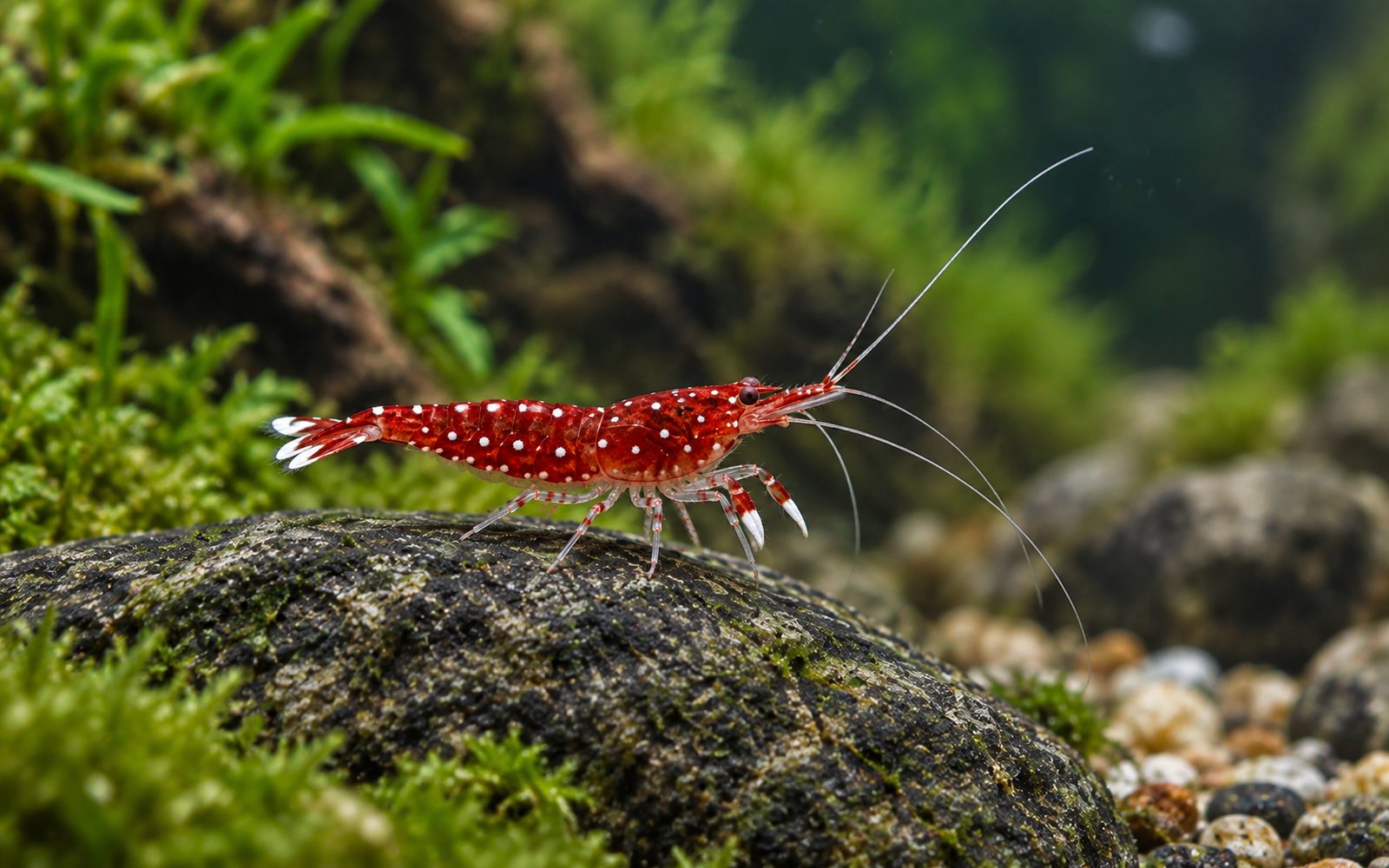
The cardinal shrimp is a species scientifically described in 2009 that lives only in Lake Matano on the Indonesian island of Sulawesi. Its deep red body is decorated with small white spots; the white tips of its front legs give it a "gloved" look.
It is known for its sensitivity as much as for its beauty: like other Sulawesi shrimp it needs warm, soft but alkaline water and does not forgive parameter swings. Because its natural habitat is very small, it is threatened in the wild; captive-bred individuals should be chosen whenever possible.
Natural Habitat
Lake Matano is the deepest and oldest lake in Sulawesi's Malili lake system. Its water is very clear, poor in nutrients and rich in iron. The cardinal shrimp lives in rocky areas near the shore, grazing on the biofilm on rock surfaces.
Tank Setup
- Volume: 30 liters or more; a larger volume provides the stability this species needs most.
- Water: RO water with a mineral made for Sulawesi shrimp: GH 4–8, KH 2–5, pH 7.5–8.5. Tap water is usually unsuitable.
- Temperature: 26–29°C; below 24°C is unsuitable for long periods.
- Substrate and decor: Inert sand or fine gravel; plenty of rocks and caves. Active substrates that lower pH are not used.
- Acclimation: Drip method over 2–3 hours. Losses in the first weeks are common with this species.
Diet
Omnivorous; its main food is the biofilm on rocks. That is why an aquarium whose rocks have been matured in advance is very important. In addition, very small amounts of shrimp food, spirulina and powdered biofilm food are given. Excess food quickly spoils water quality.
Behavior and Compatibility
Peaceful and shy. It grazes on and between the rocks all day; it appears more at ease in a larger group.
Good companions: Rabbit snails (Tylomelania), nerite snails, other Sulawesi animals that need the same water parameters.
Avoid: Neocaridina and bee shrimp (they need different water), almost all fish, any product containing copper.
Group and Colony Structure
Start with a colony of at least 10, preferably 20 individuals. Because reproduction is slow, the colony grows only by a few individuals over months. Keeping different Sulawesi shrimp species in the same aquarium makes it harder to tell which species is having problems; starting with a single species is safer.
Breeding
There is no larval stage. The female carries a small number (usually fewer than 20) of large eggs under her abdomen for 3–4 weeks; the young hatch tiny but fully formed. Stable water and plenty of biofilm are the keys to breeding.
Health and Common Problems
- Sudden mass deaths: Temperature drops, pH or GH swings, ammonia.
- Failed molts: Sudden, large water changes; do small changes with matched parameters.
- Shipping stress: Losses are common among newly arrived individuals in the first weeks.
Sexing
Females are slightly larger with a wider abdomen; the eggs may be visible under the abdomen. Males are smaller and slimmer.
Tank mates
This list is calculated automatically from the species profile and grows as new species are added to the catalog. Try it in the planner for a definite answer.
Usually compatible
 Anubias Angustifolia
 Anubias Barteri
 Anubias Caladiifolia
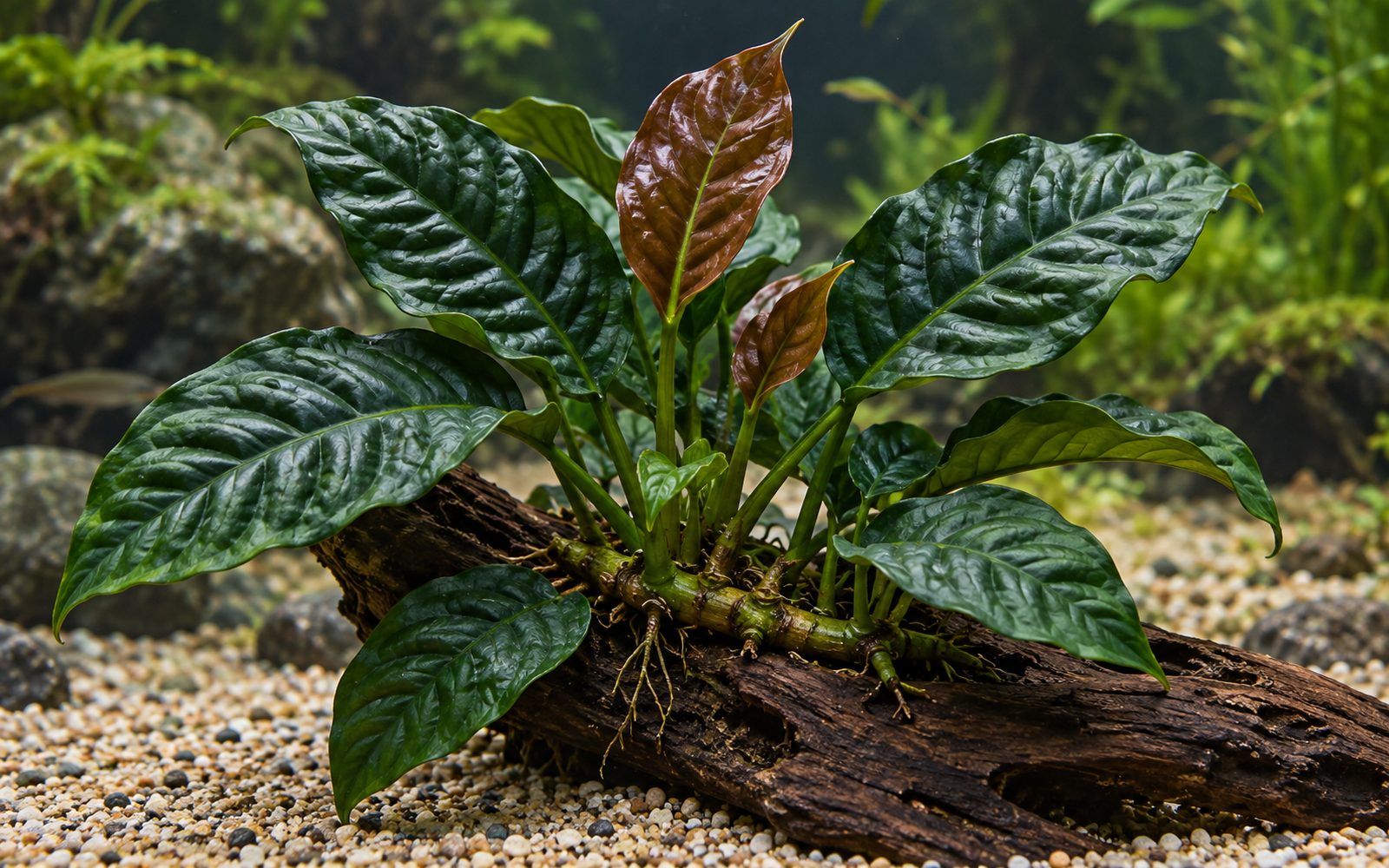 Anubias Coffeefolia
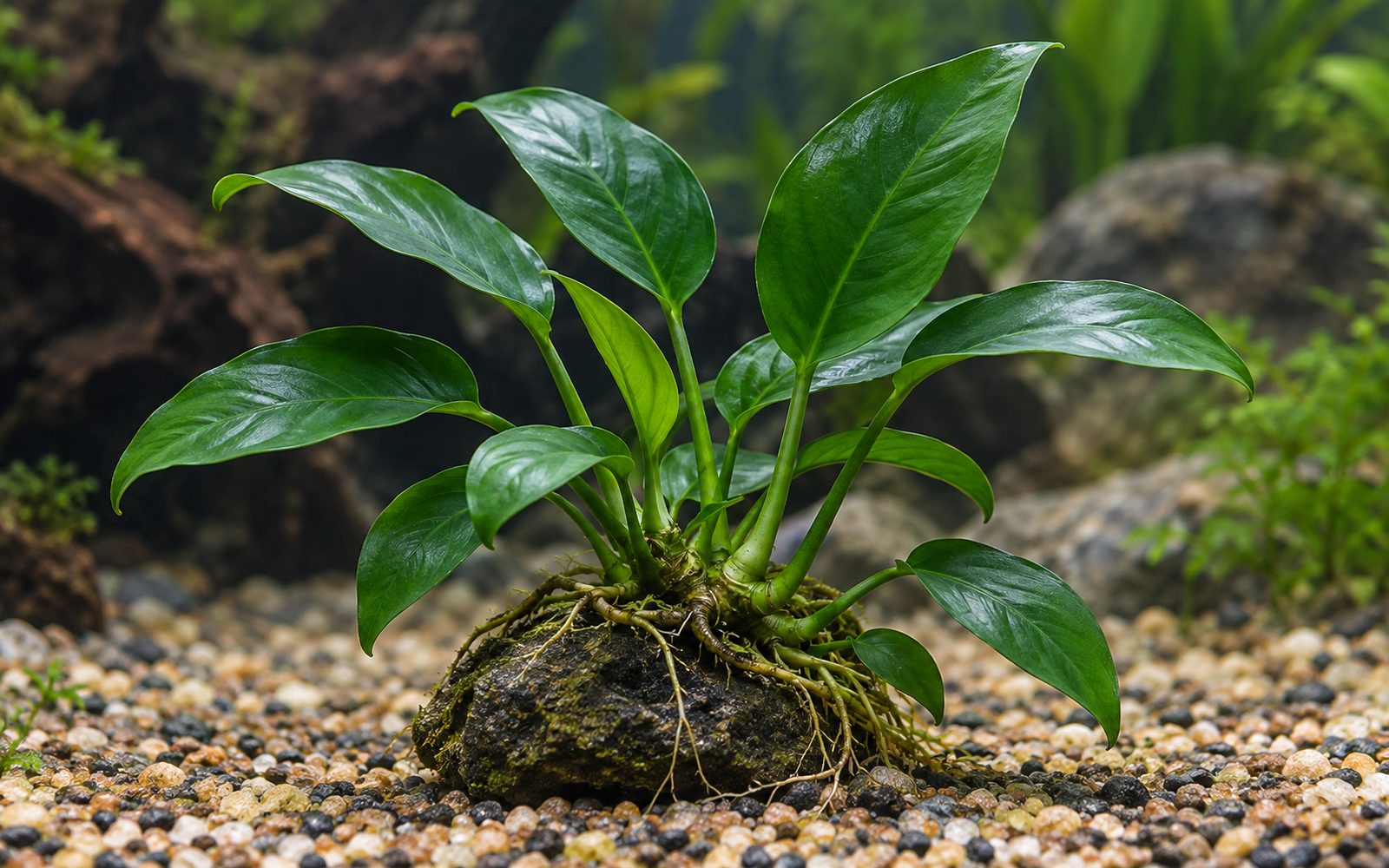 Anubias Glabra
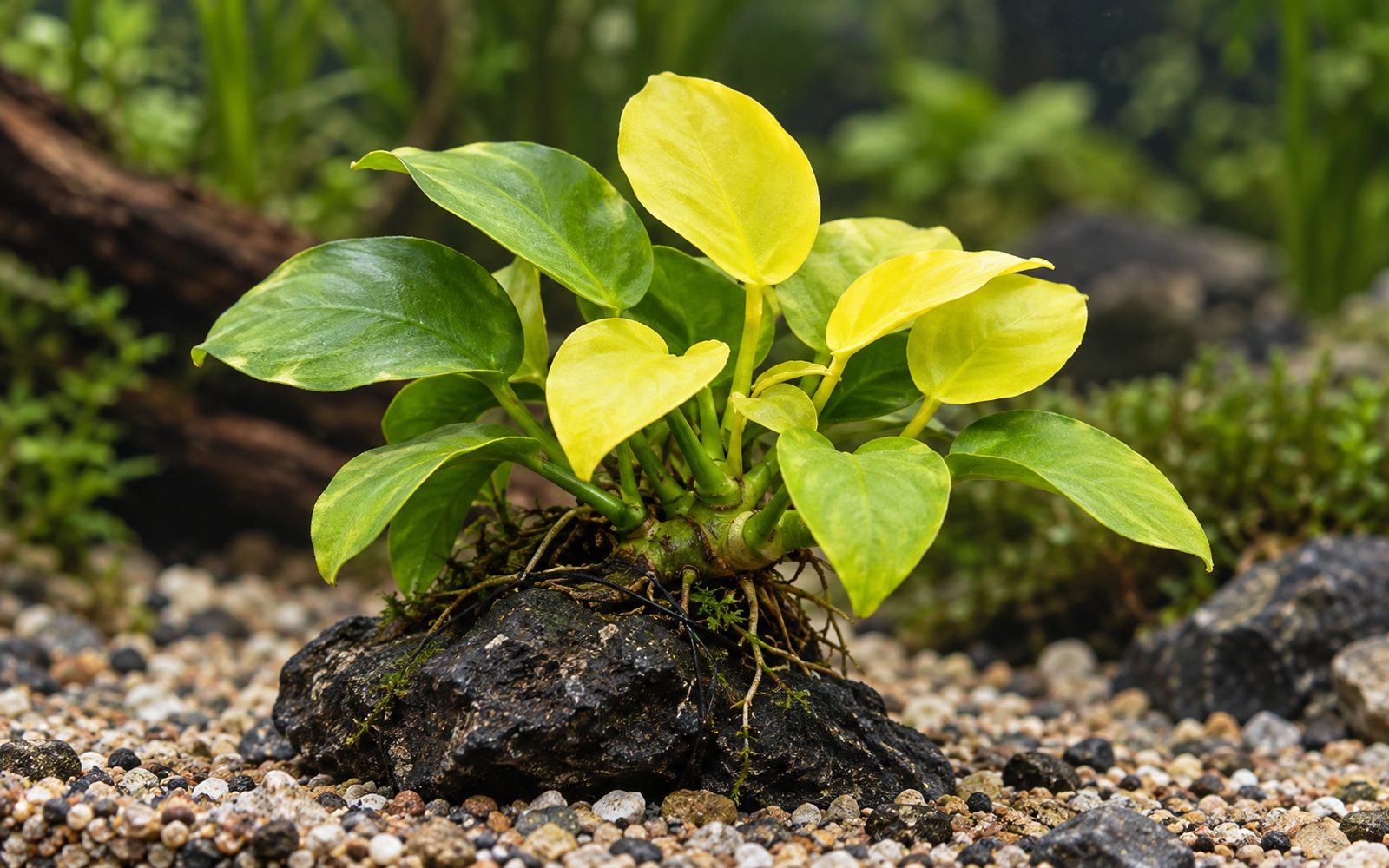 Anubias Nana Golden
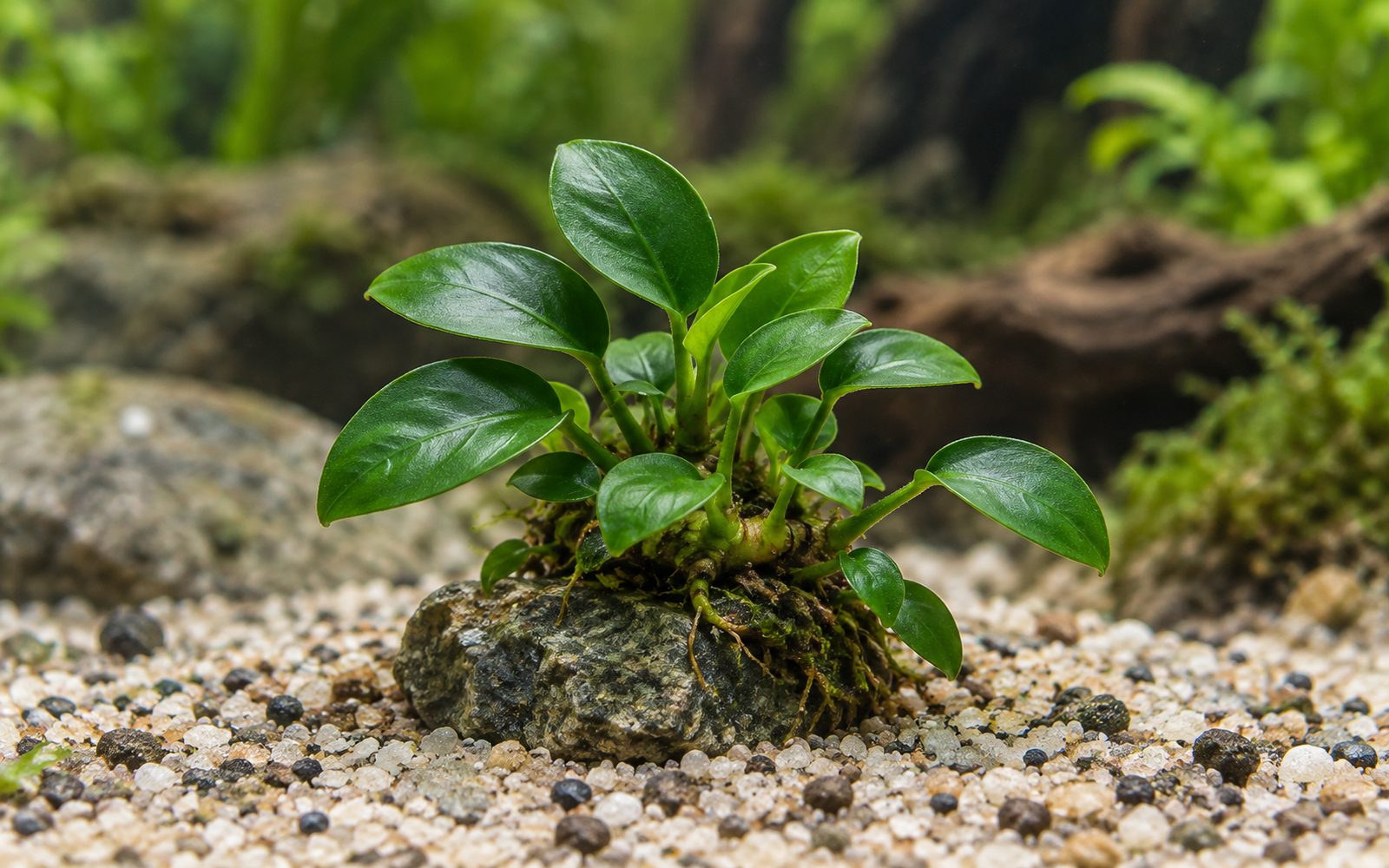 Anubias Nana Petite
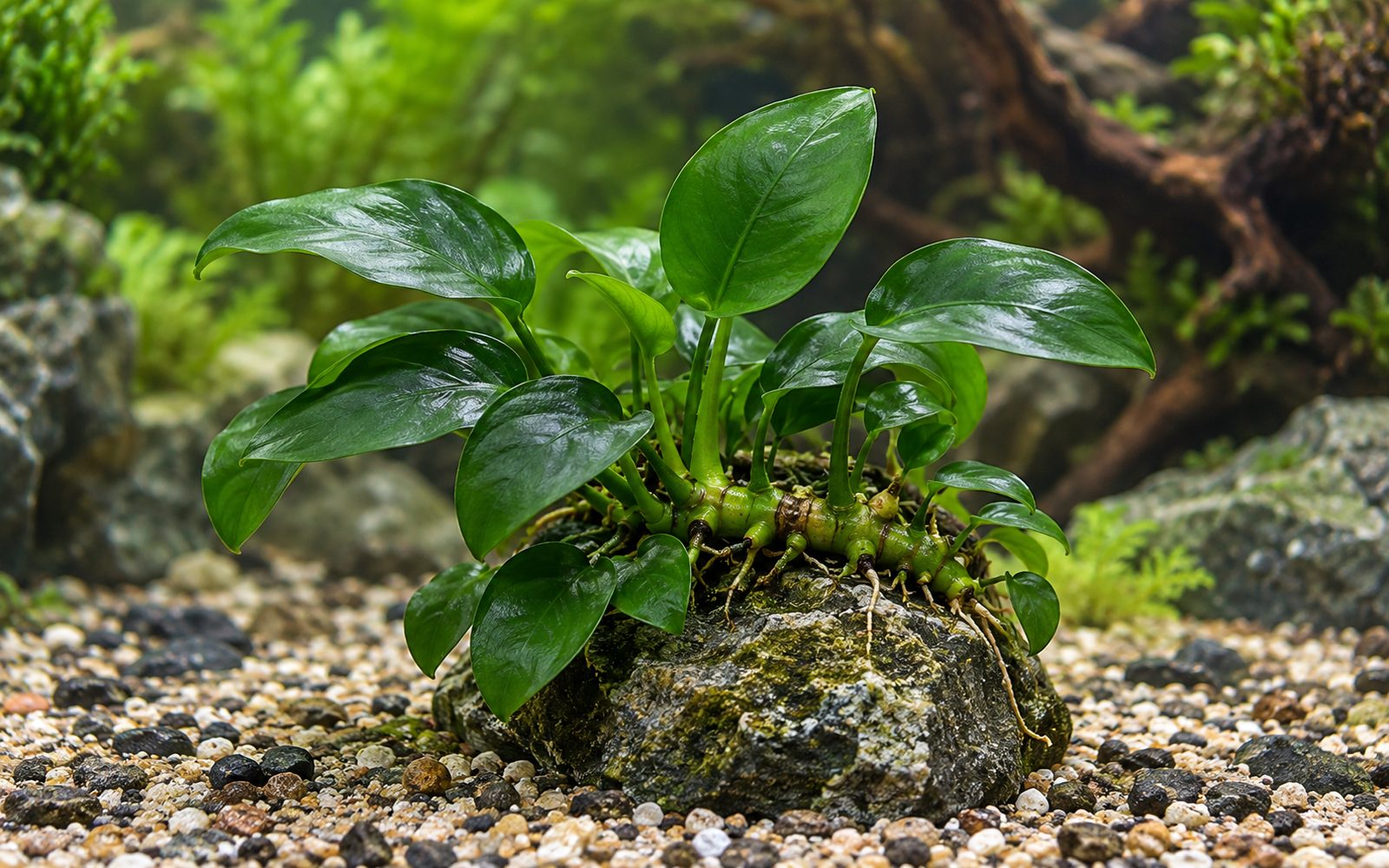 Anubias Nana
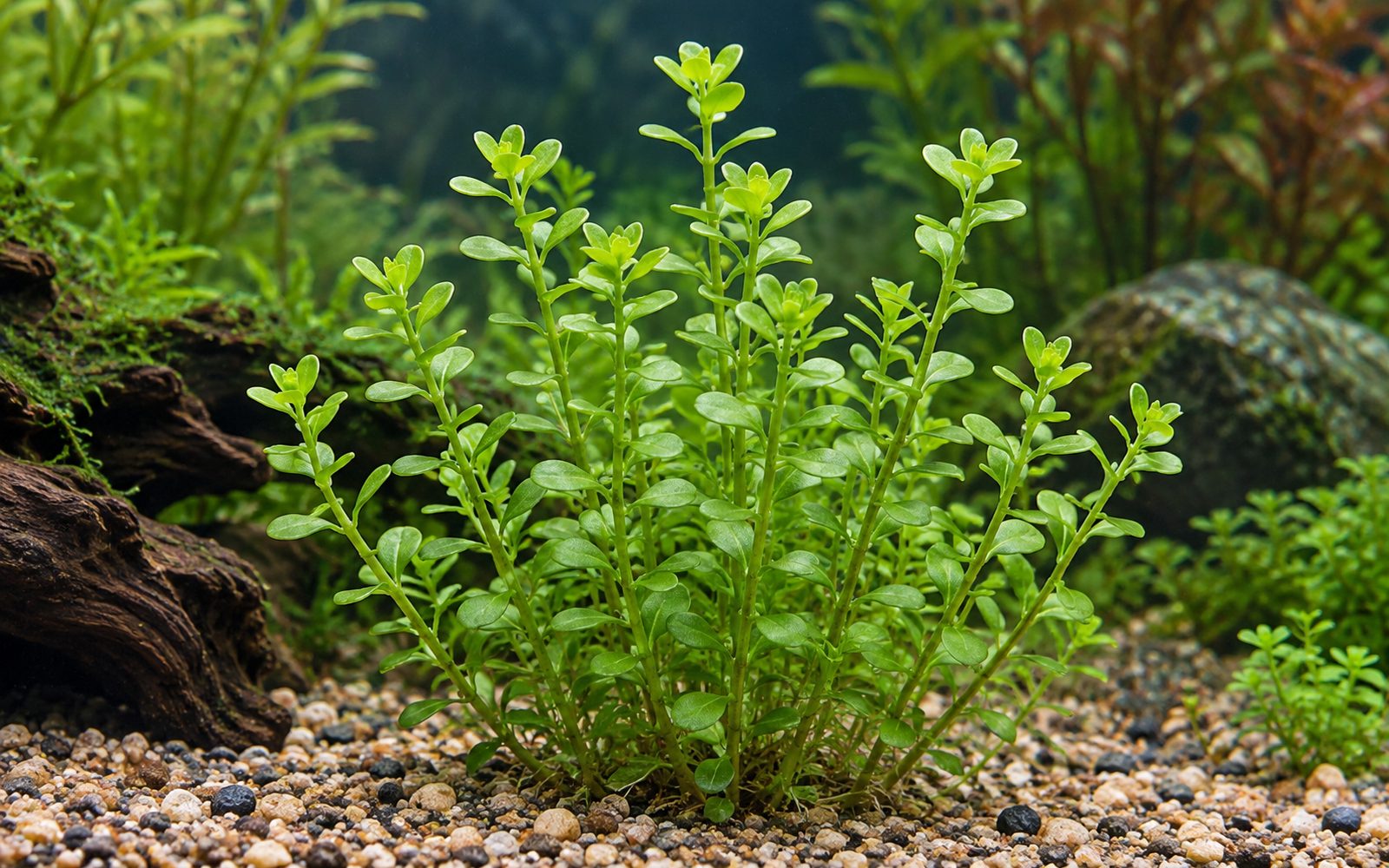 Bacopa Monnieri
Should not be kept together






Hobbyist notes
Things you won't find in books, learned by trial and error. The most helpful ones are on top.
Change history and contributors
- Page created · October 16, 2026