
Water parameters
Overview
The giant freshwater prawn is one of the largest freshwater shrimp in the world and is widely farmed for food. In adult males the second pair of legs is very long and slender and ends in bright blue claws; these claws can be even longer than the body. It is usually bought for the aquarium when small, but it grows quickly and turns into a powerful predator. Because its larvae develop in brackish water, breeding it at home is laborious.
Tank Setup
- 200 liters or more for a single adult, with a large floor area.
- 26–29°C, neutral to alkaline, moderately hard to hard water; a strong filter and good oxygenation.
- Large caves; it hides after molting.
- A tight lid is essential; when startled it can shoot out with a powerful leap.
Diet
Omnivorous and greedy. It eats sinking tablets, granules, blanched vegetables, and fish, mussel and shrimp meat. Excess food quickly increases waste; remove leftovers.
Behavior and Compatibility
Nocturnal, territorial and predatory. It catches sleeping fish, shrimp and snails; it attacks members of its own species, especially those that are molting.
Good companions: It should be kept alone. In very large aquariums, fish too large and fast for it to catch can be tried.
Avoid: Small and medium-sized fish, bottom-dwelling fish, all shrimp, snails, crayfish.
A short profile for this species
The Giant Freshwater Prawn page has the basics, but the sections below have not been written yet. If you keep this species, write a section from your own experience; it will be published under your name after editor approval.
Tank mates
This list is calculated automatically from the species profile and grows as new species are added to the catalog. Try it in the planner for a definite answer.
Usually compatible
 Cryptocoryne Parva
 Weeping Moss
 Flame Moss
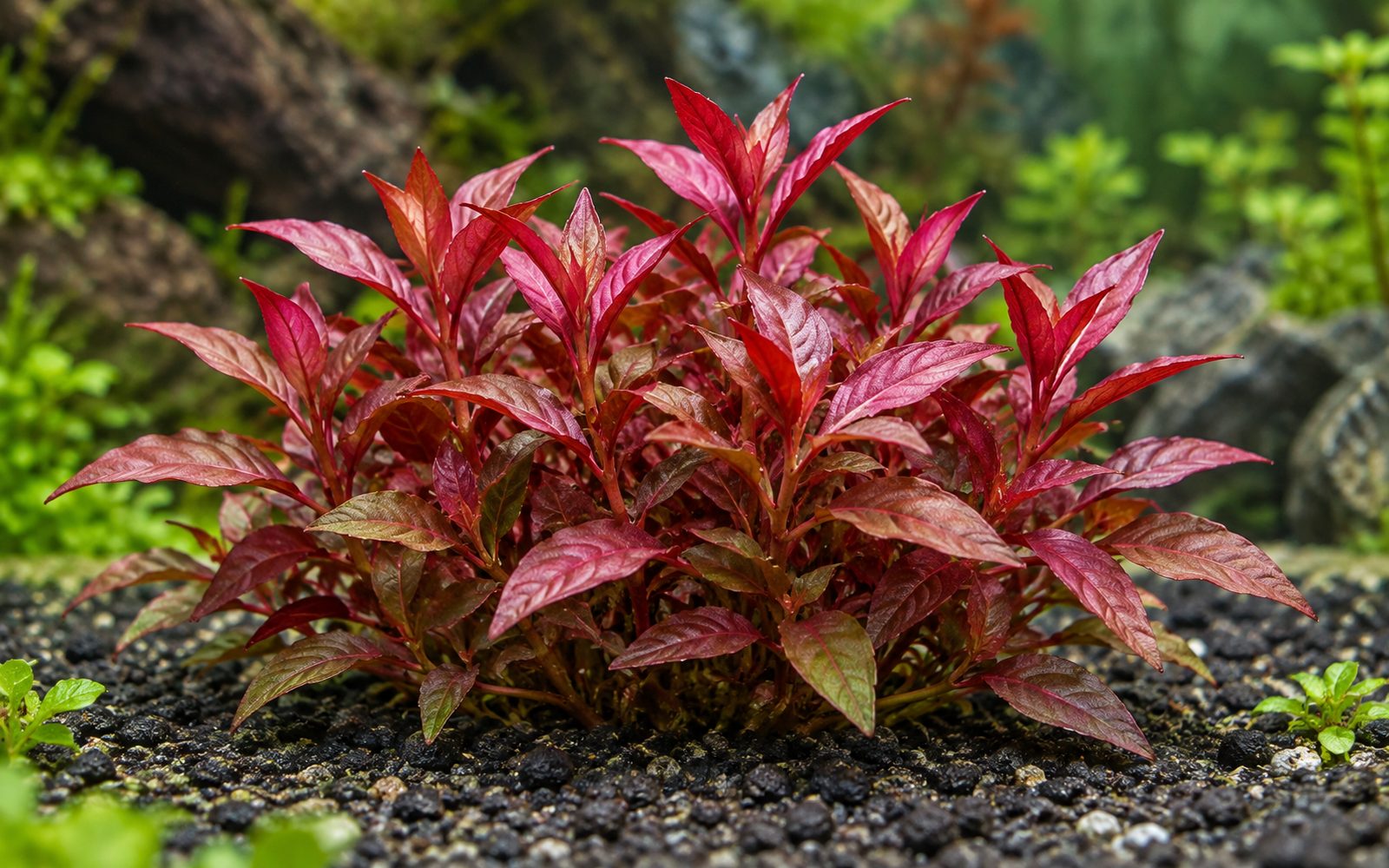 Alternanthera Reineckii 'Mini'
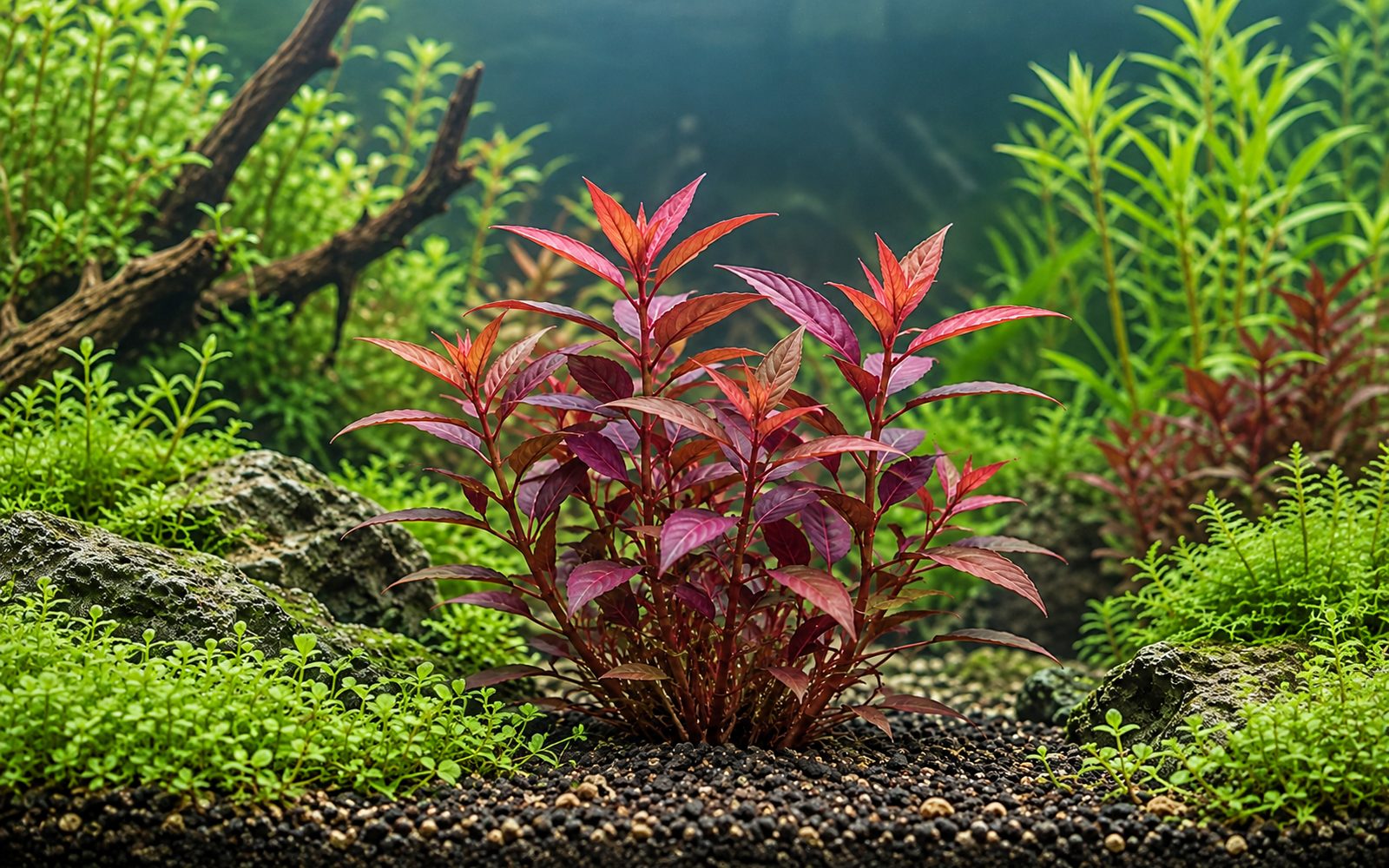 Alternanthera Reineckii
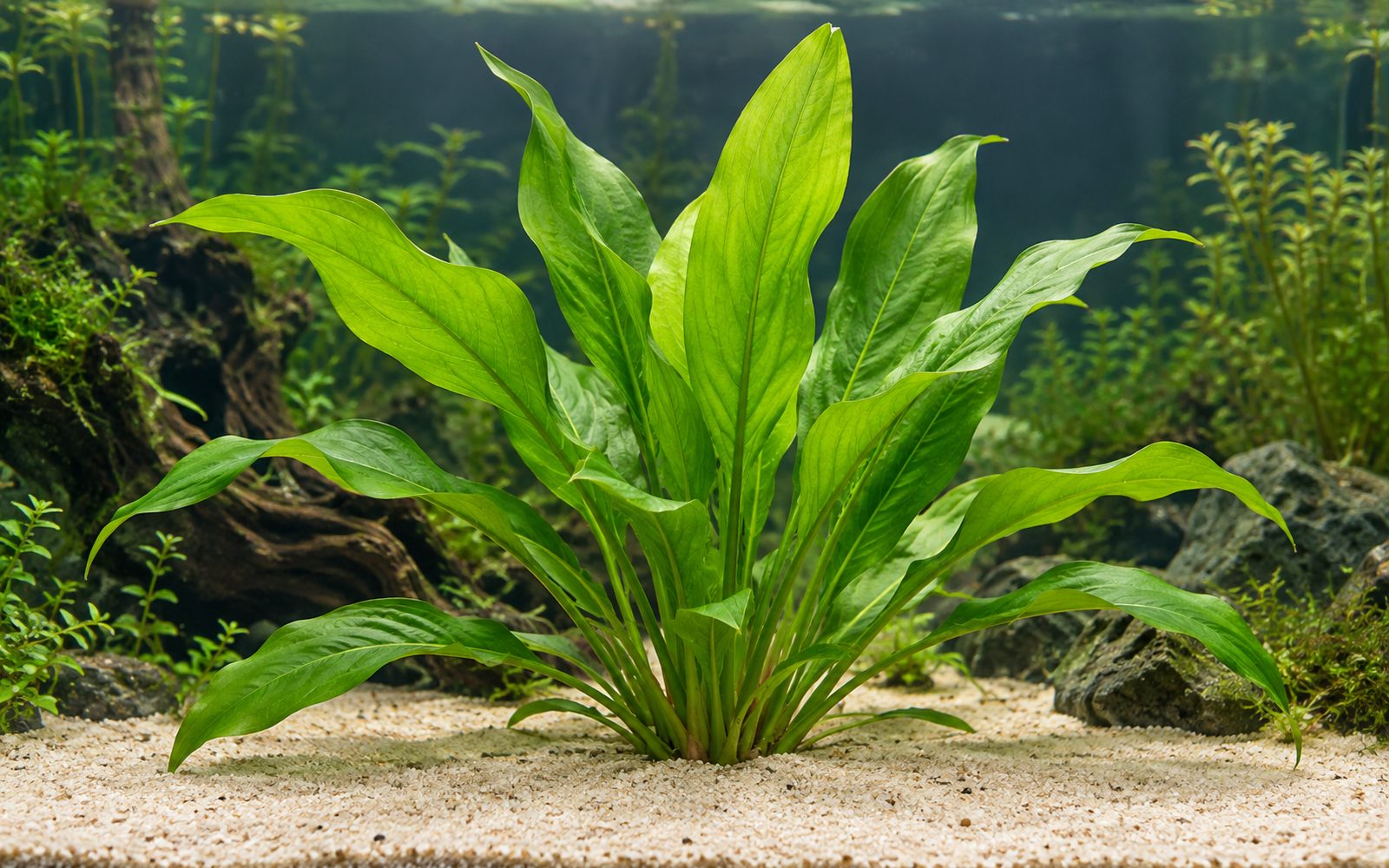 Amazon Sword
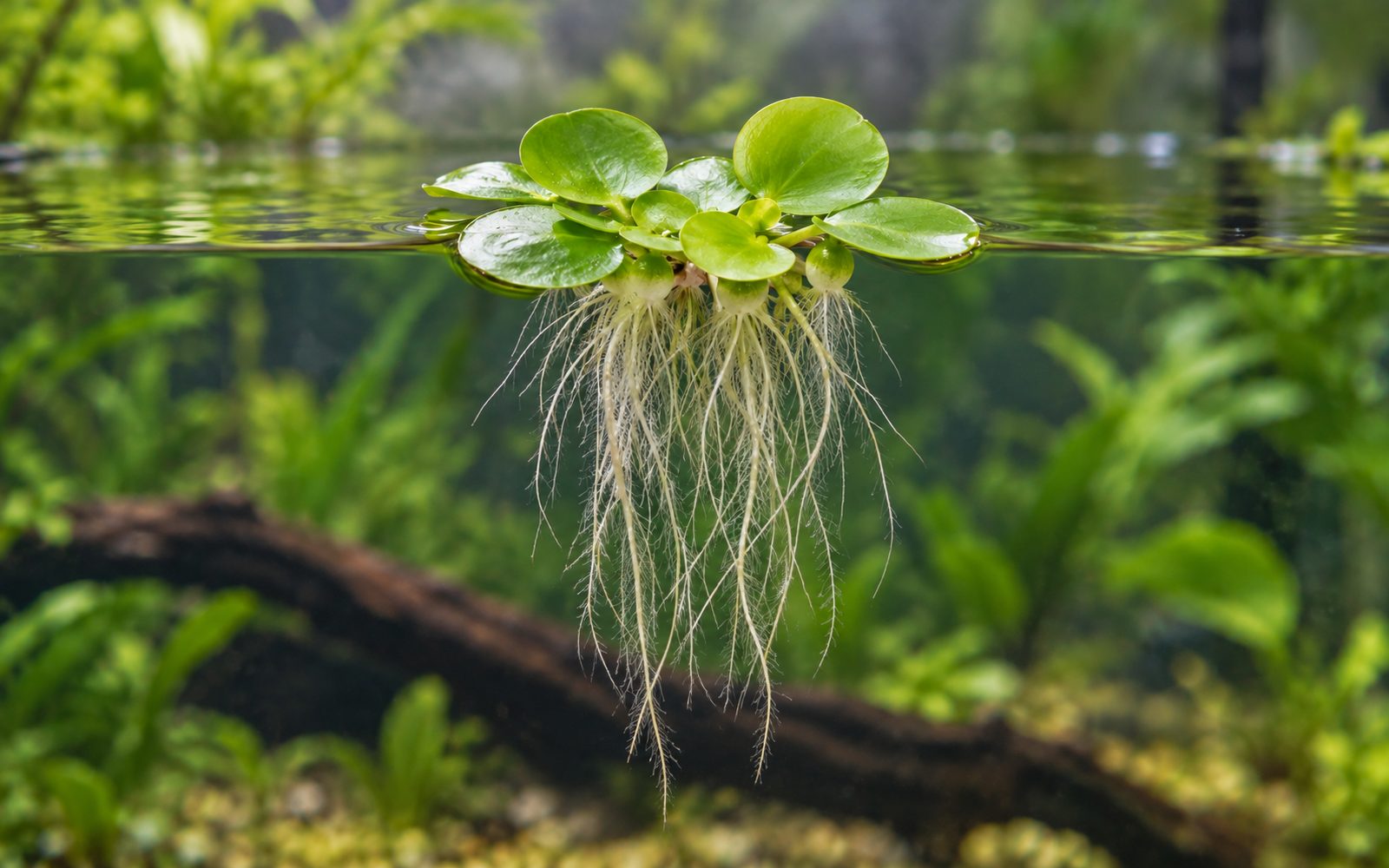 Amazon Frogbit
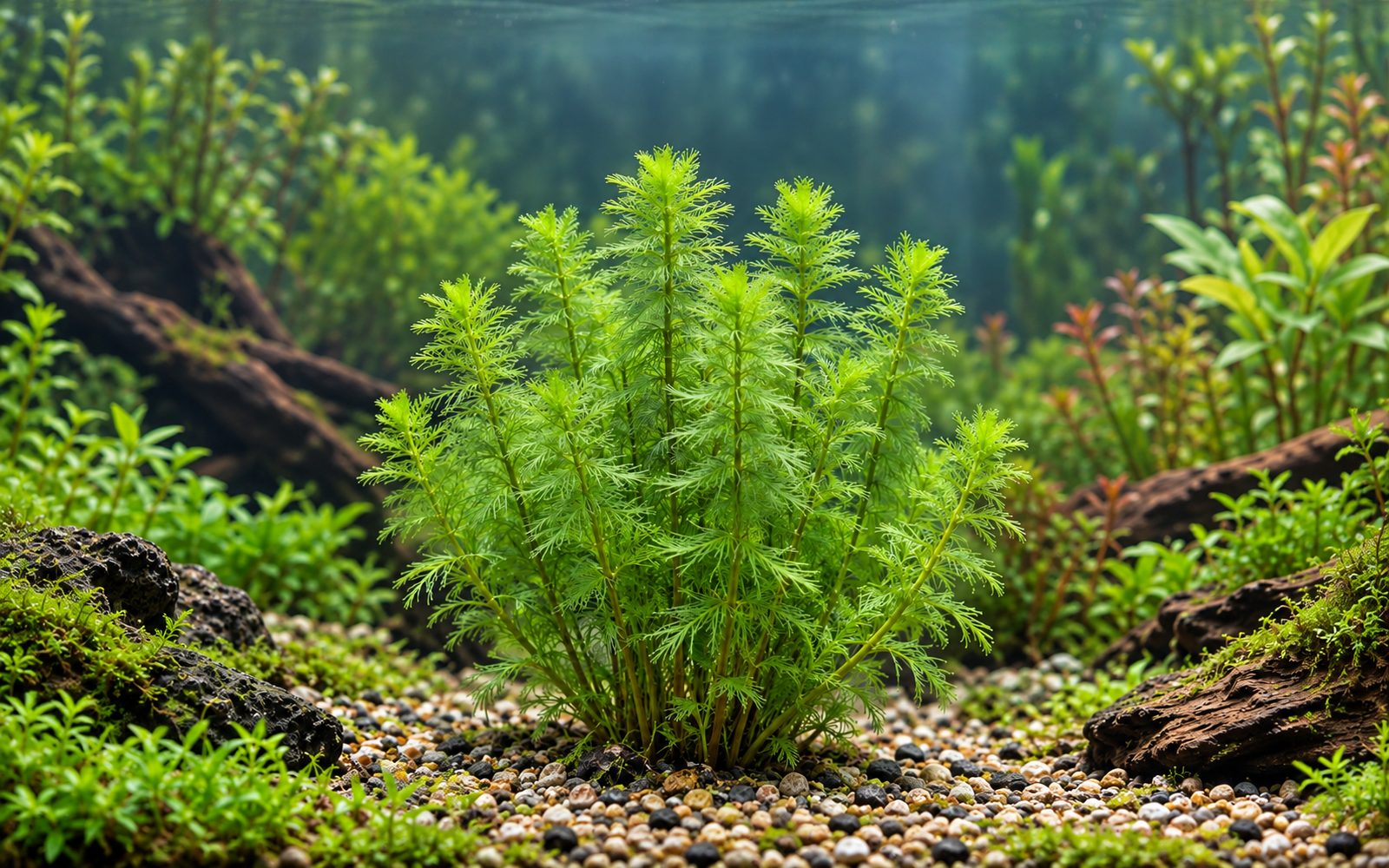 Ambulia
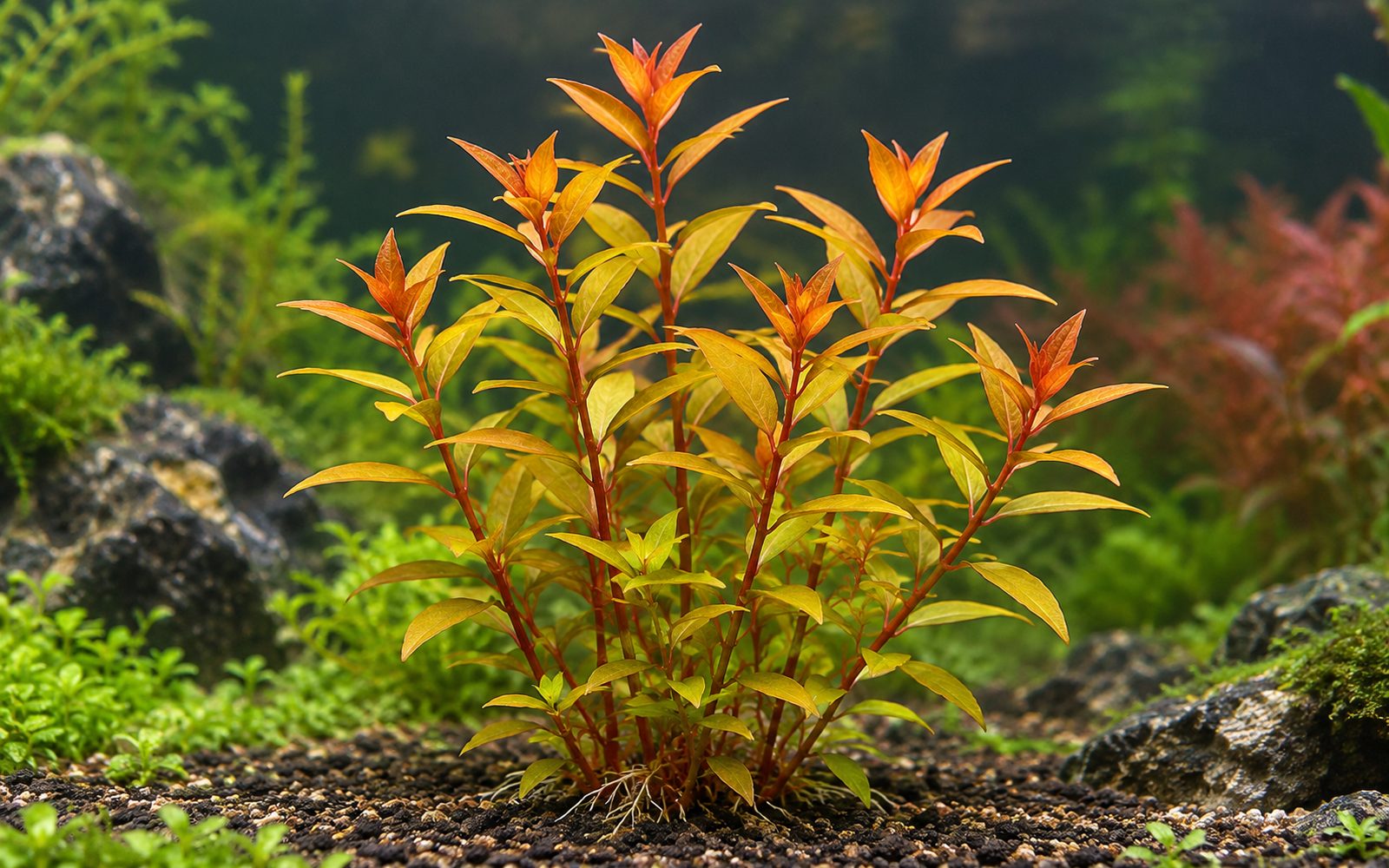 Ammannia Pedicellata 'Golden'
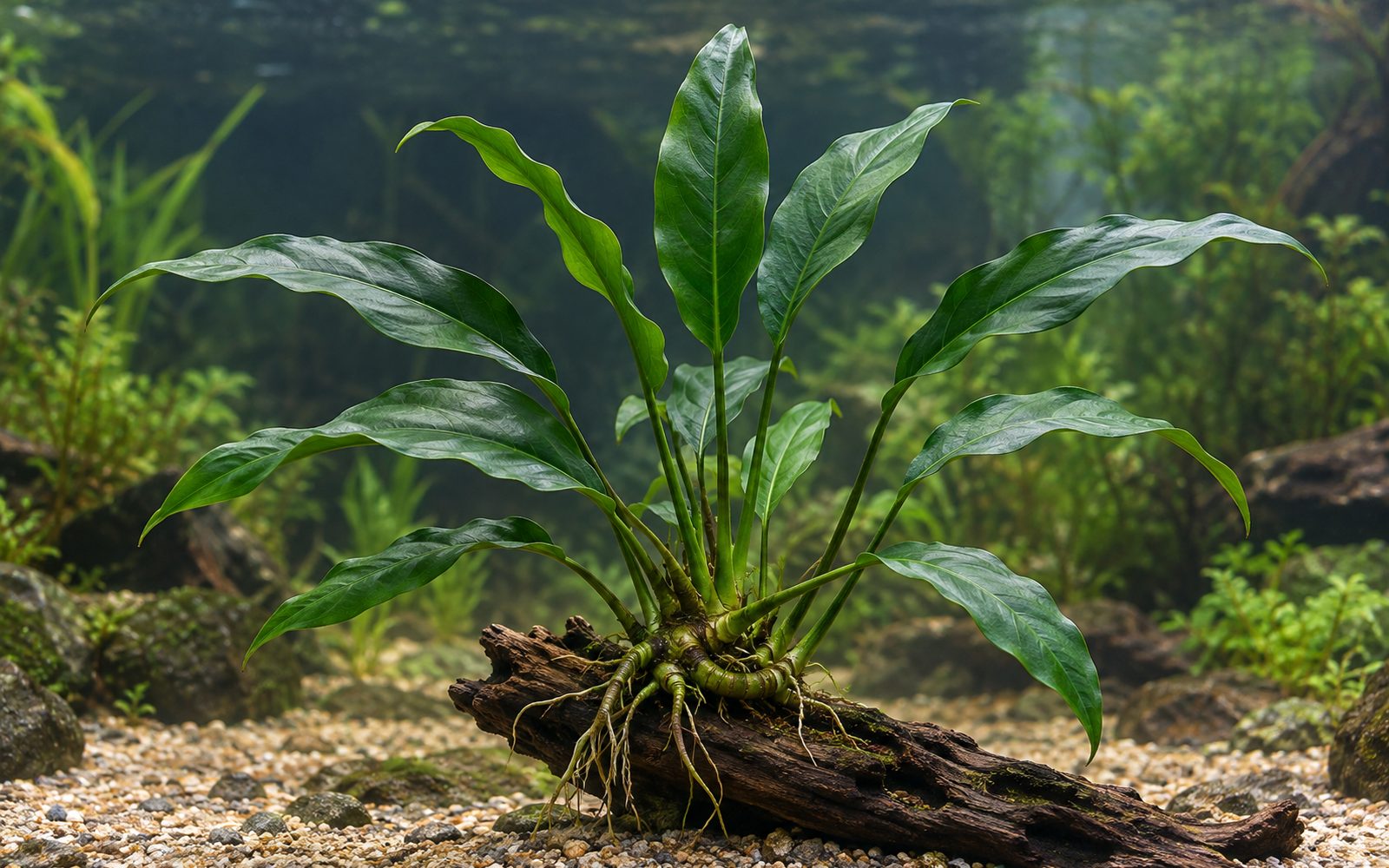 Anubias Afzelii
Should not be kept together






Hobbyist notes
Things you won't find in books, learned by trial and error. The most helpful ones are on top.
Change history and contributors
- Page created · October 16, 2026