

Water parameters
Overview
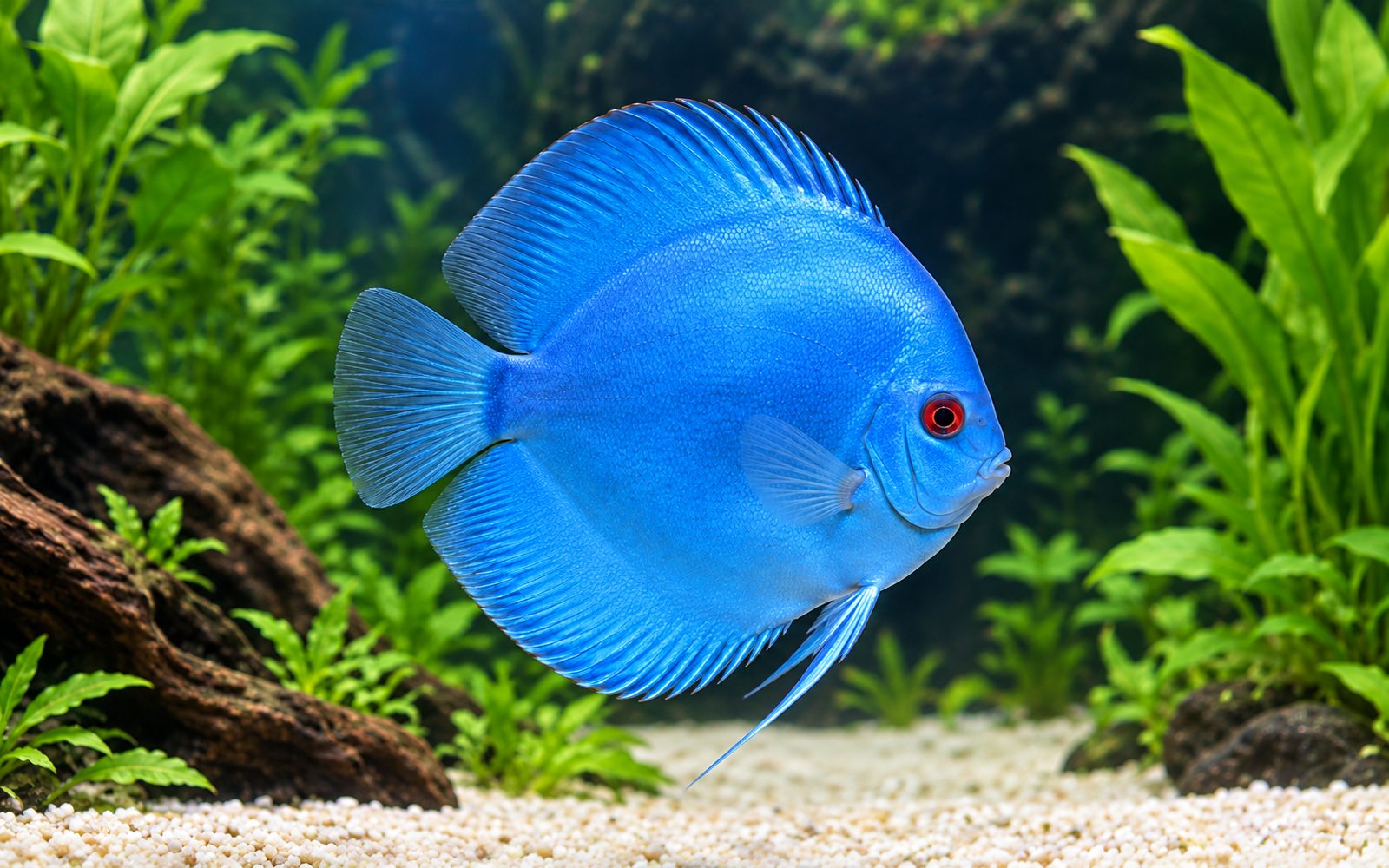
With its disk-shaped body and color varieties ranging from red to turquoise (pigeon blood, red turquoise, blue diamond…), the discus is one of the most prestigious fish in the hobby. It is calm, shy and social; it is kept not alone but in a group of at least 5–6.
The difficulty lies less in the fish itself than in water management: the discus never forgives dirty water. It is not suitable for anyone who cannot do at least one, preferably two, large water changes a week.
Color and Fin Varieties
The varieties have not been described yet. Be the first to write it.
Natural Habitat
It lives in groups among the fallen tree roots of flooded forests in the blackwater and clearwater tributaries of the Amazon. The water is very soft (conductivity often below 50 µS/cm), acidic and warm. The rise in water level during the rainy season triggers breeding.
Tank Setup
- Volume: At least 250 liters for 5–6 discus, with a height of 50 cm or more.
- Temperature: 28–30°C. This temperature is too high for many common plants and fish; it limits the choice of tankmates.
- Water: For farm-bred discus, pH 6–7 and moderately soft water are sufficient. What really matters is keeping nitrate below 10–20 mg/L.
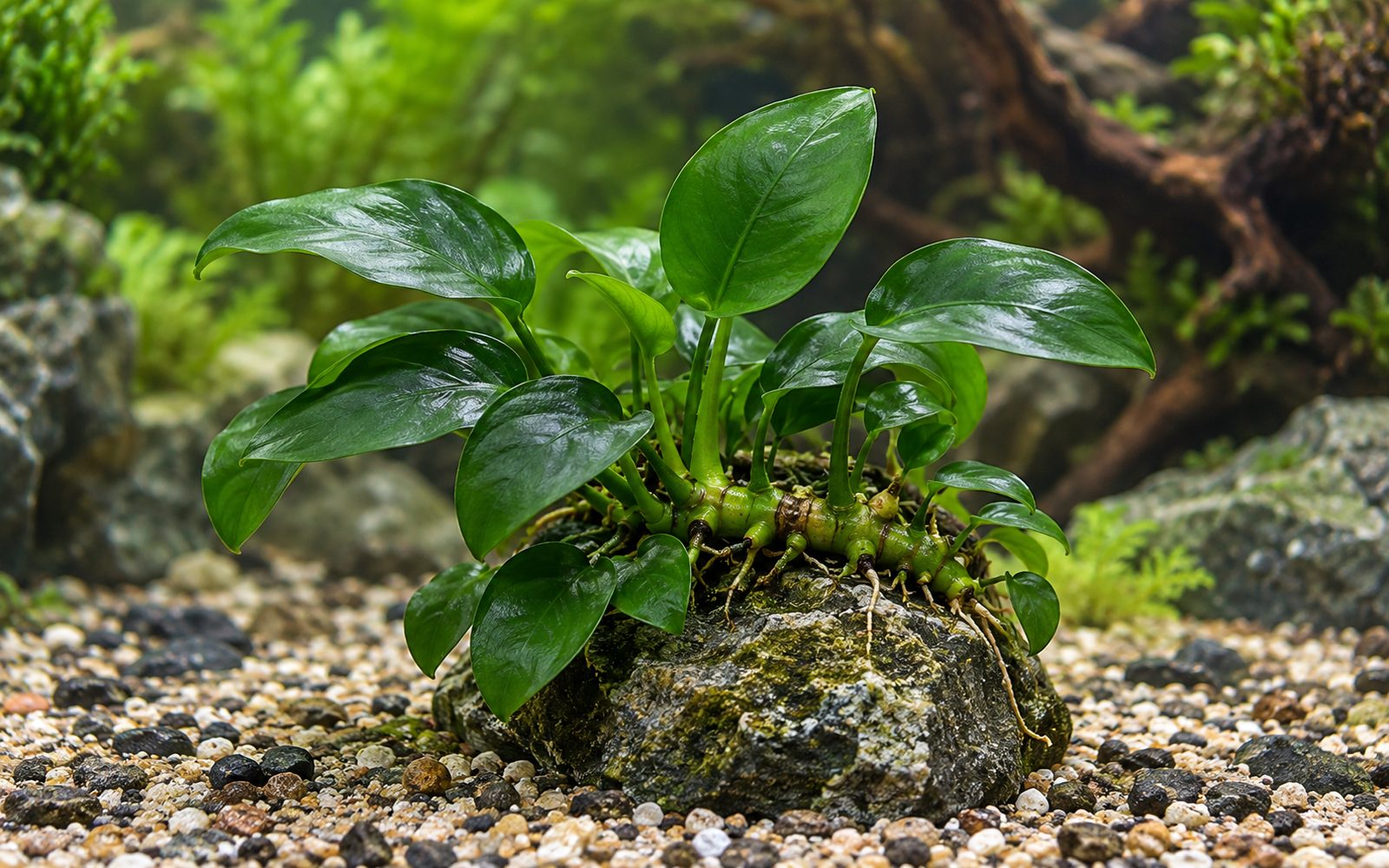
- Layout: Many breeders use bare-bottom tanks; they are easy to clean. In a display aquarium, fine sand, roots and heat-tolerant plants (Anubias, Java fern, Amazon sword) are preferred.
- Setting: A quiet corner away from busy spots such as in front of a door.
Diet
It eats a protein-rich diet. Discus granules, frozen bloodworms, brine shrimp and the traditional "beef heart mix" are the most common foods. Juveniles are fed 3–5 times a day, adults 2–3 times. A discus that does not eat is almost always a sign of stress or disease; remove leftover food from the bottom within 15 minutes.
Behavior and Compatibility
Peaceful but hierarchical: the most dominant fish in the group gets the best spot and food, while the lowest-ranking fish darkens and retreats to a corner. This is why 5–6 discus are more balanced than 2–3.
Good companions: Cardinal tetras, rummy-nose tetras, sterbai corydoras, ancistrus, rams (compatible with the temperature).
Avoid: Neon tetras (the temperature does not suit them), angelfish (they can carry disease and compete for food), fast species that snatch food, fin-nippers.
Group and Colony Structure
The discus is a social fish and is kept in a group of at least 5–6. There is a clear hierarchy in the group: with 2–3 discus the dominant fish constantly chases the others, while with 6 or more the aggression is spread out.
Build the group from fish of the same size and preferably from the same breeder. Size differences leave the smaller ones behind in the competition for food, and discus from different sources can pass diseases to each other. If breeding is planned, a pair that forms naturally within the group is moved to a separate tank.
Breeding
Mature pairs lay their eggs on a vertical surface (spawning cone, root). The most interesting feature of the discus is that in the first days the fry feed on mucus secreted from the parents' skin. Successful breeding requires very soft, clean water and patience; eggs being eaten in the first attempts is common.
Health and Common Problems
- Hole-in-the-head disease (hexamita): Small pits on the head and along the lateral line, long white feces. It is linked to water quality and diet; it is treated with metronidazole.
- Darkening and loss of appetite: A sign of stress, low temperature or parasites. Measure the water values first.
- Gill flukes: Rapid breathing, breathing with only one gill.
- Discus plague: A serious disease that spreads from group to group; keep new discus in quarantine for at least 4 weeks.
Sexing
There is no reliable way to tell the sexes apart from the outside. Males are generally slightly larger, with a steeper forehead and a more pointed dorsal fin, but this is not certain. A reliable distinction is made by checking the shape of the papilla during spawning.
Tank mates
This list is calculated automatically from the species profile and grows as new species are added to the catalog. Try it in the planner for a definite answer.
Usually compatible
 Altum Angelfish
 Cupid Cichlid
 Festivum
 Geophagus altifrons
 African Butterflyfish
 Anubias Nana
 Moonlight Gourami
 Bacopa Monnieri
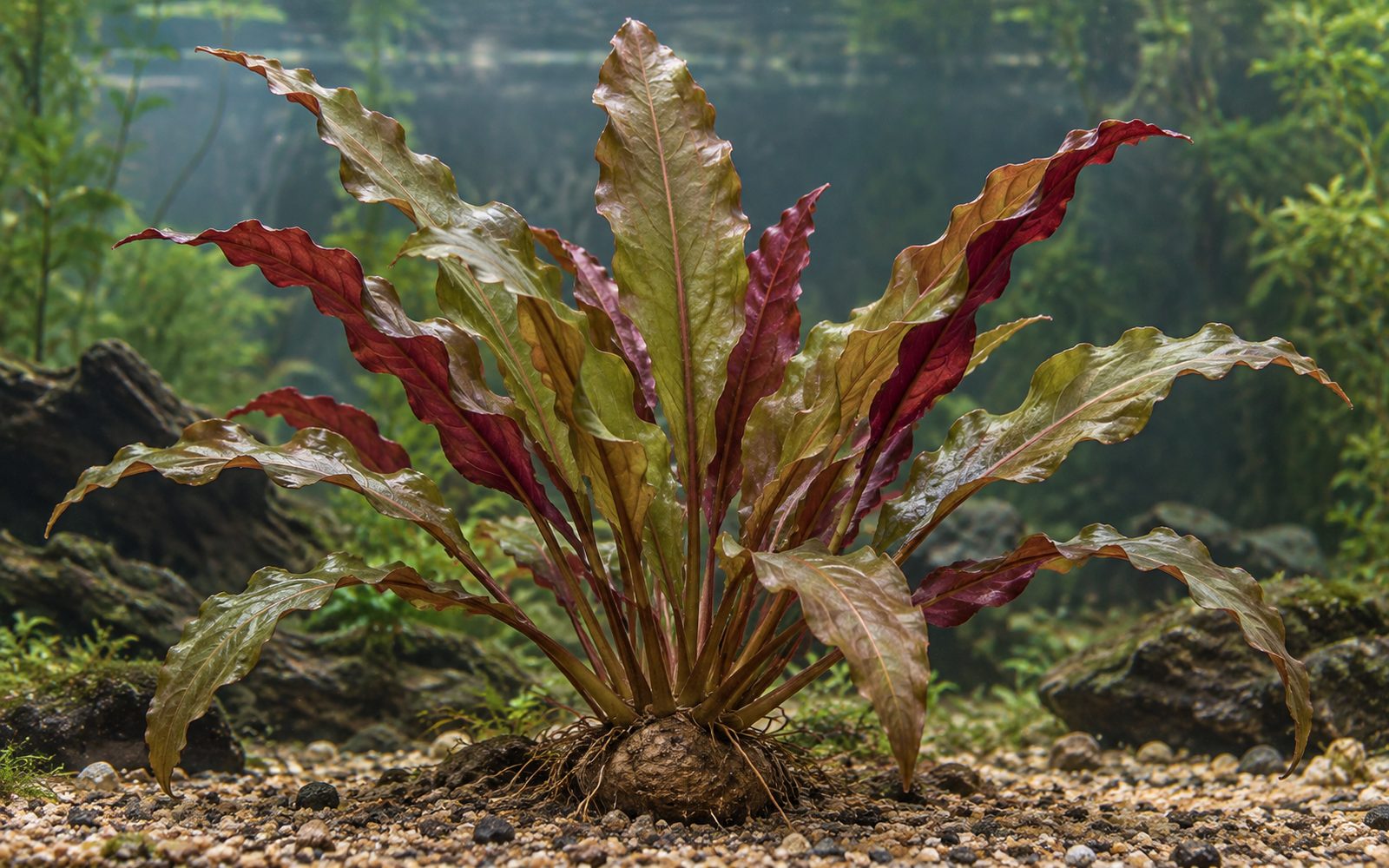 Barclaya Longifolia
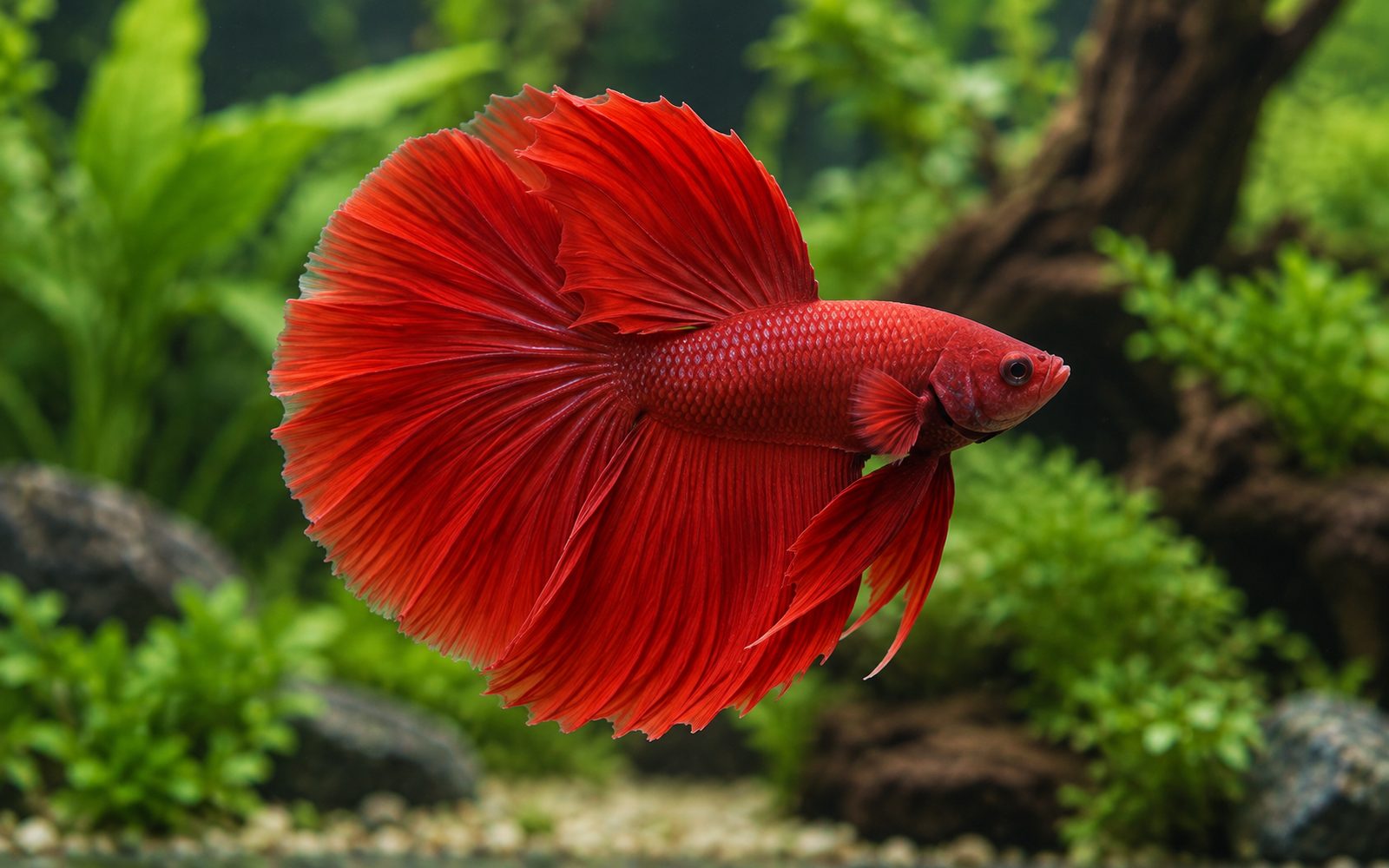 Betta
Betta
Should not be kept together




Hobbyist notes
Things you won't find in books, learned by trial and error. The most helpful ones are on top.
Change history and contributors
- Page created · October 16, 2026