

Water parameters
Overview
With red-orange stripes and spots running the length of its dark body, the fire eel is the showiest of the spiny eels. Juveniles have paler colors that become more distinct as they grow.
It can reach 80 cm in the aquarium and 1 meter in the wild; the 15 cm juvenile in the store will need a large aquarium over the years. It is intelligent and long-lived, and recognizes its owner. Its skin is delicate and it is more sensitive to water quality than other spiny eels.
Natural Habitat
It lives in the lowland rivers and floodplains of Southeast Asia, over sandy and muddy bottoms. In the rainy season it disperses into forested areas with the floodwaters and retreats to the main channels in the dry season. It spends the day buried in the substrate or among roots, and in the dark feeds on insect larvae, worms and small fish.
Spiny eels have small, sharp spines lined up on their backs in front of the dorsal fin. Because these spines get caught in a net, the fish should be caught with a container or a bag.
Tank Setup
- Volume: at least 600 liters and 200 cm length for an adult.
- Substrate: a thick layer of fine sand is essential; it rests buried. Gravel injures its skin.
- Lid: a tight lid with sealed gaps for hoses.
- Water: clean, well-oxygenated and stable; a mature aquarium. 30% water change weekly.
- Decor: large pipes and roots.
Diet
Carnivorous. Worms, bloodworms, shrimp, mussels, fish fillet; over time, sinking pellets. It feeds in the evening and at night. If there are fast-eating tankmates, make sure the food reaches its spot.
Behavior and Compatibility
Usually calm toward other species, but as it grows it hunts fish that fit in its mouth. It is territorial toward its own kind and other spiny eels.
Good companions: large, calm species: large gouramis, large barbs, plecos, large tetras, calm large cichlids.
Avoid: small fish, shrimp, nippy and aggressive species, other spiny eels.
Group and Colony Structure
Kept alone.
Breeding
Breeding in a home aquarium is very rare; those sold are largely wild-caught.
Health and Common Problems
- Skin infections: the most common problem; sharp substrate and poor water are the main causes.
- Medication sensitivity: very sensitive to many medications, especially copper.
- Escape: getting out through gaps in the lid and drying out.
- Starvation: newly arrived fish may refuse food for days; live worms stimulate the appetite.
Sexing
There is no reliable external difference; mature females look plumper.
Tank mates
This list is calculated automatically from the species profile and grows as new species are added to the catalog. Try it in the planner for a definite answer.
Usually compatible
 Jaguar Cichlid
 Cryptocoryne Parva
Adonis Pleco
Cryptocoryne Parva
Adonis Pleco
 Weeping Moss
 Flame Moss
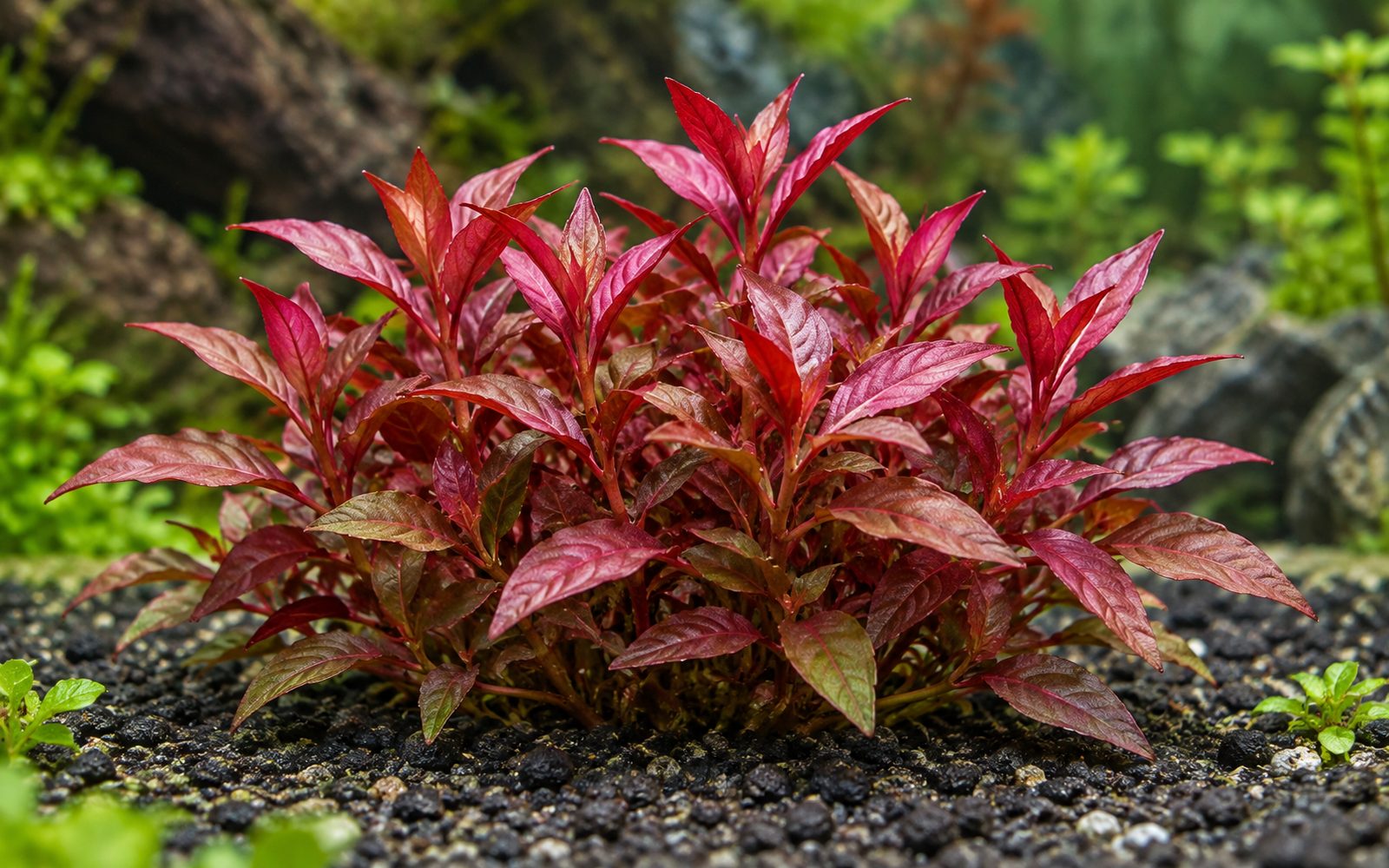 Alternanthera Reineckii 'Mini'
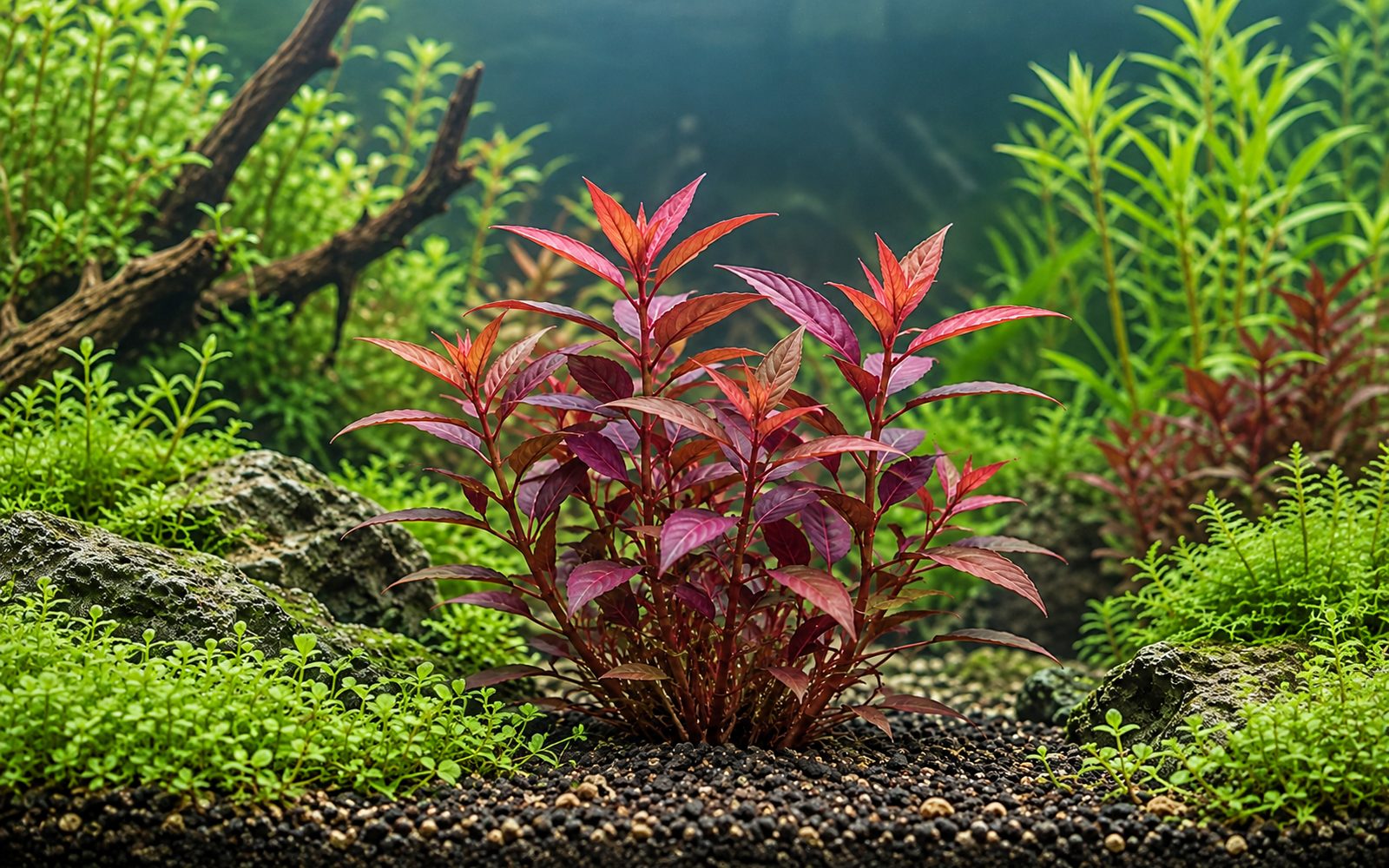 Alternanthera Reineckii
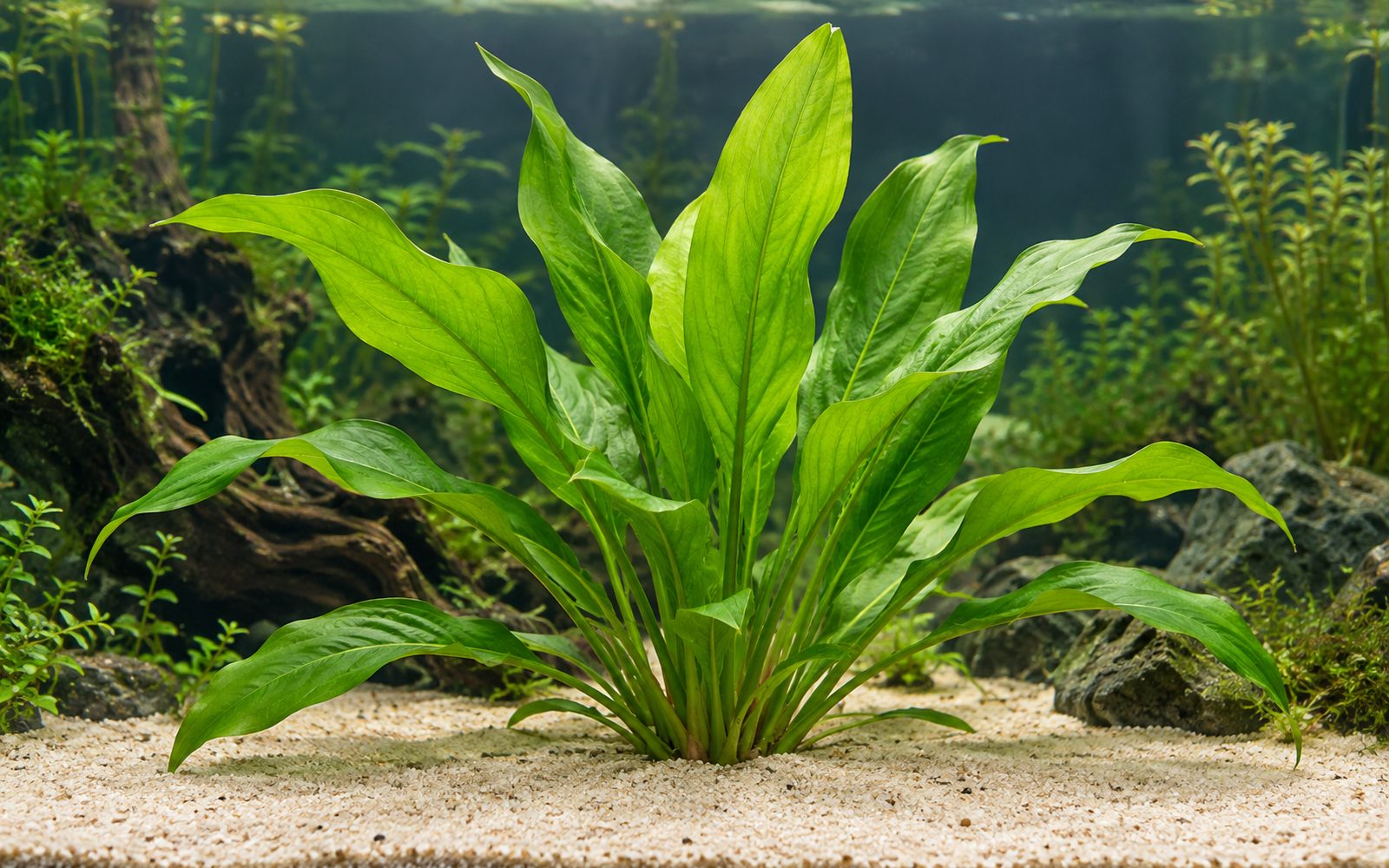 Amazon Sword
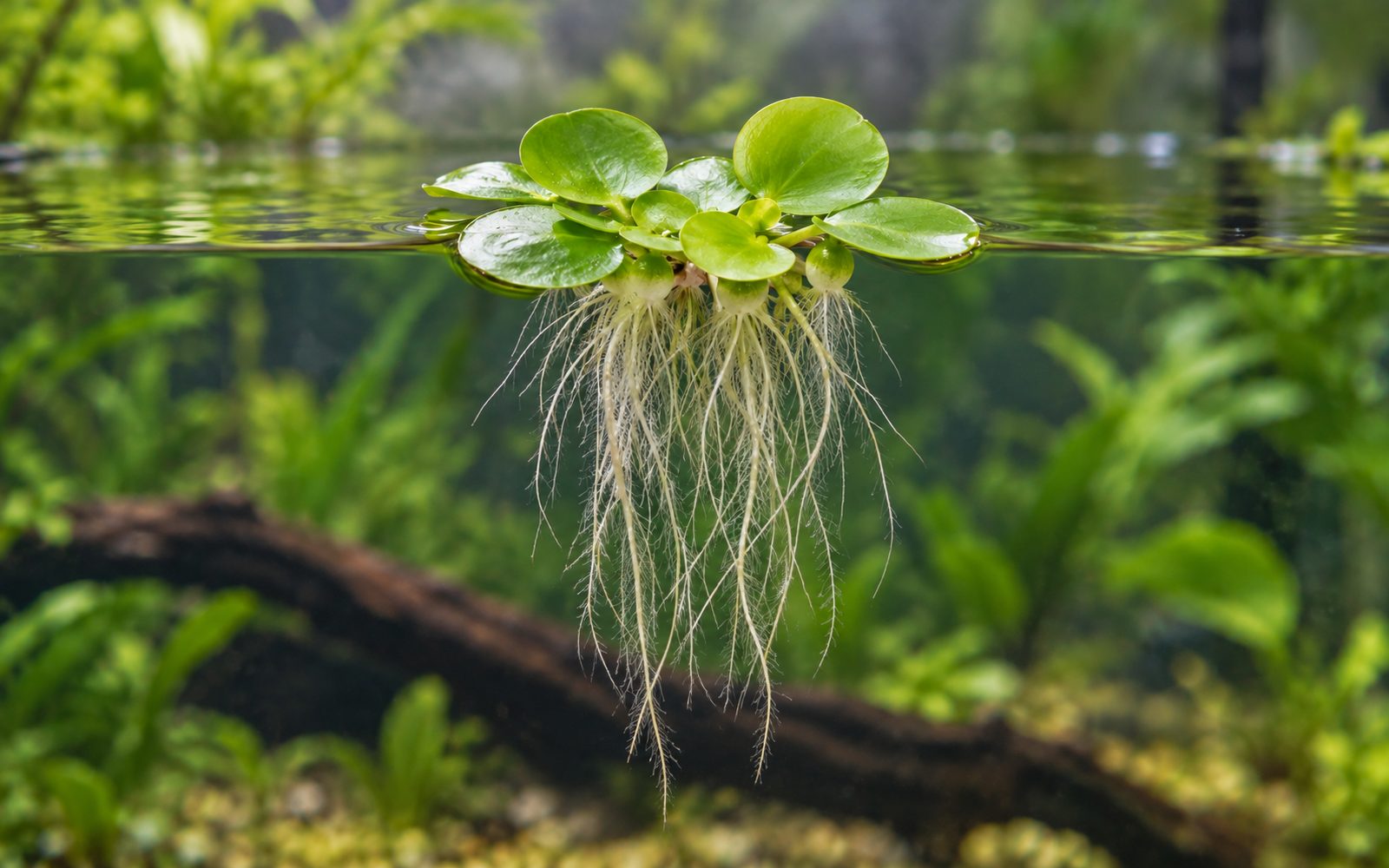 Amazon Frogbit
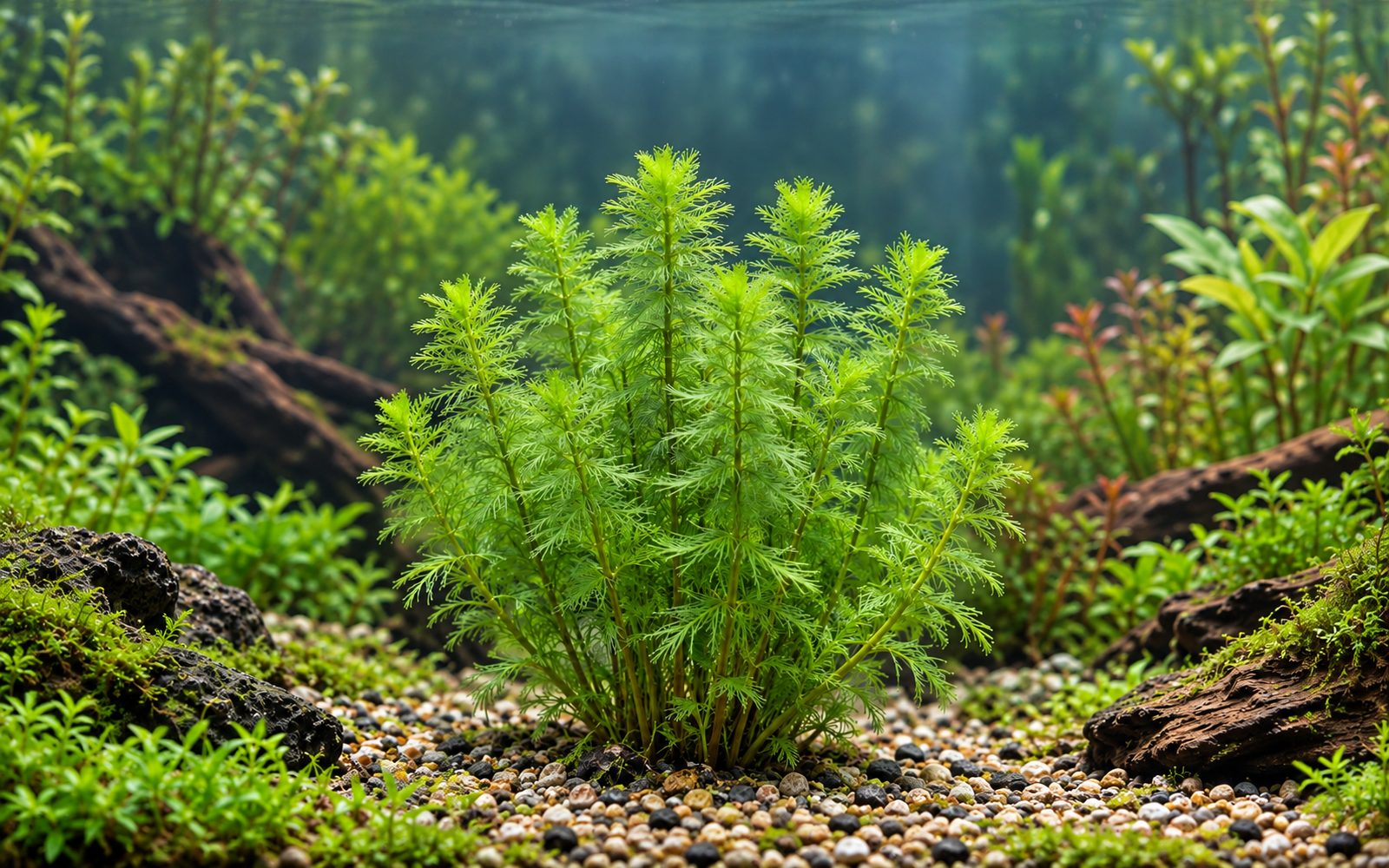 Ambulia
Should not be kept together








Hobbyist notes
Things you won't find in books, learned by trial and error. The most helpful ones are on top.
Change history and contributors
- Page created · October 16, 2026