
Water parameters
Overview
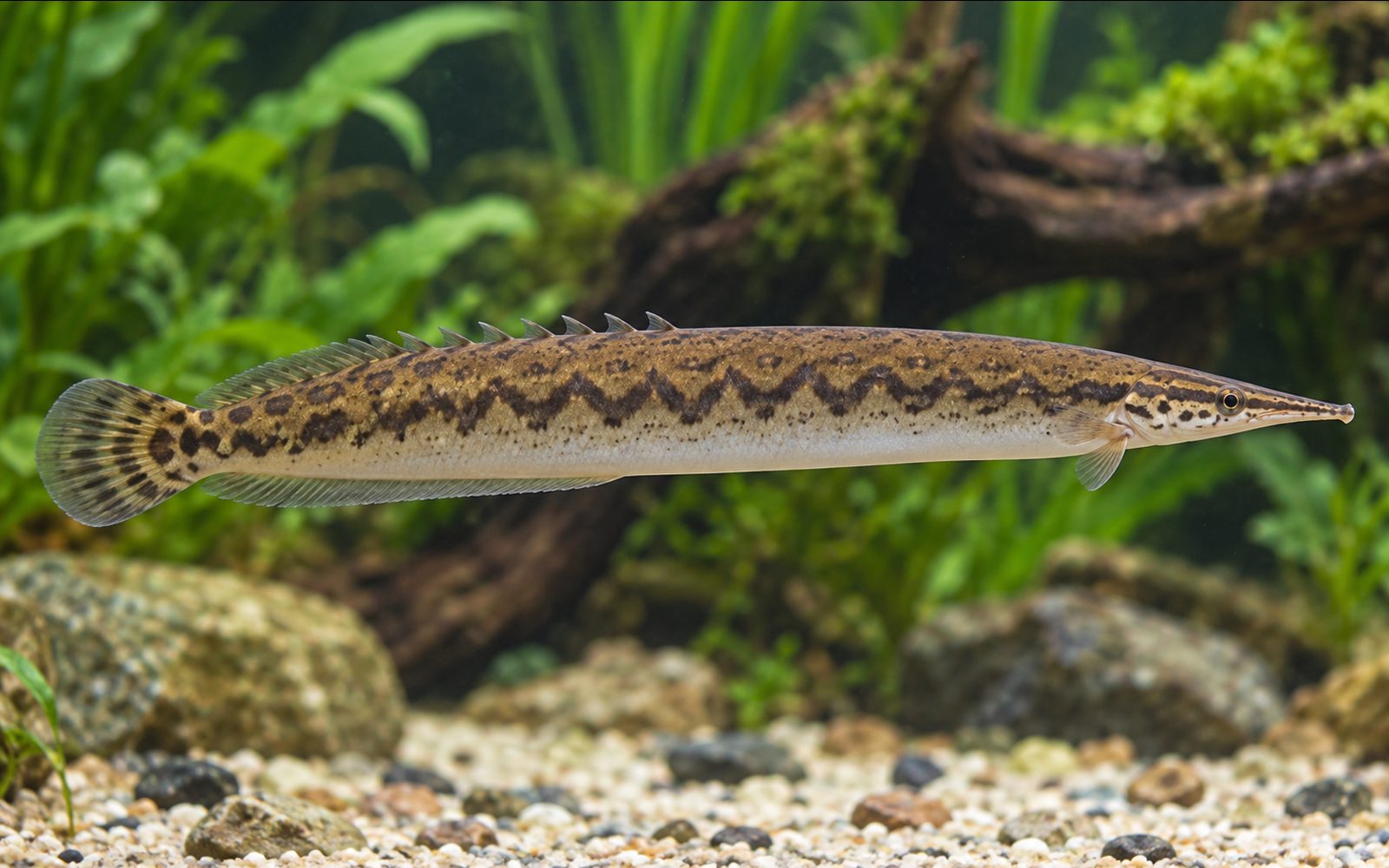
The tire track eel gets its name from the dark wavy lines running along the sides of its brown body. Juveniles of 15–20 cm are common in stores, but it reaches 60–75 cm in the aquarium and even more in the wild.
It uses its long snout like a scoop to find worms in the sand. It is a long-lived fish with plenty of personality; it recognizes its owner and takes food from the hand. Because of the spines on its back it gets caught in nets and should be moved in a container.
Natural Habitat
It lives in the rivers, lakes and canals of South and Southeast Asia, in vegetated areas with sand and mud bottoms. It has a wide distribution and is a popular food fish in the region. During the day it rests buried in the substrate or among roots, and in the evening and at night it feeds on insect larvae, worms, crustaceans and small fish.
Wild-caught fish are shy when they first arrive in the aquarium and may refuse food for days. During this period live or frozen worms are the best option for stimulating their appetite.
Tank Setup
- Volume: at least 450 liters and 180 cm length for an adult.
- Substrate: a thick layer of fine sand; it rests buried in the sand all day.
- Lid: a very tight lid; it escapes through gaps for hoses and cables.
- Decor: pipes, roots and sturdy stones. It can uproot plants; choose epiphytic plants instead of rooted ones.
Diet
Carnivorous. Worms, bloodworms, shrimp, mussels, fish fillet and sinking pellets. It feeds in the evening. Juveniles are fed often, adults every two to three days.
Behavior and Compatibility
Peaceful while young; as it grows it eats fish that fit in its mouth and becomes territorial toward other spiny eels.
Good companions: medium to large, calm species: large barbs, gouramis, large tetras, large cichlids, plecos.
Avoid: small fish, shrimp, other spiny eels (in a small aquarium).
Group and Colony Structure
Usually kept alone. More than one requires a very large floor area and separate hiding places.
Breeding
Breeding in a home aquarium is so rare that it is practically unknown.
Health and Common Problems
- Skin wounds and infection: with sharp substrate and poor water quality.
- Medication sensitivity: its scales are very small; it is sensitive to many medications, so keep doses low.
- Escape: drying out and dying outside the aquarium.
Sexing
There is no reliable external way to tell the sexes apart.
Tank mates
This list is calculated automatically from the species profile and grows as new species are added to the catalog. Try it in the planner for a definite answer.
Usually compatible
 Cryptocoryne Parva
Adonis Pleco
Cryptocoryne Parva
Adonis Pleco
 Weeping Moss
 Flame Moss
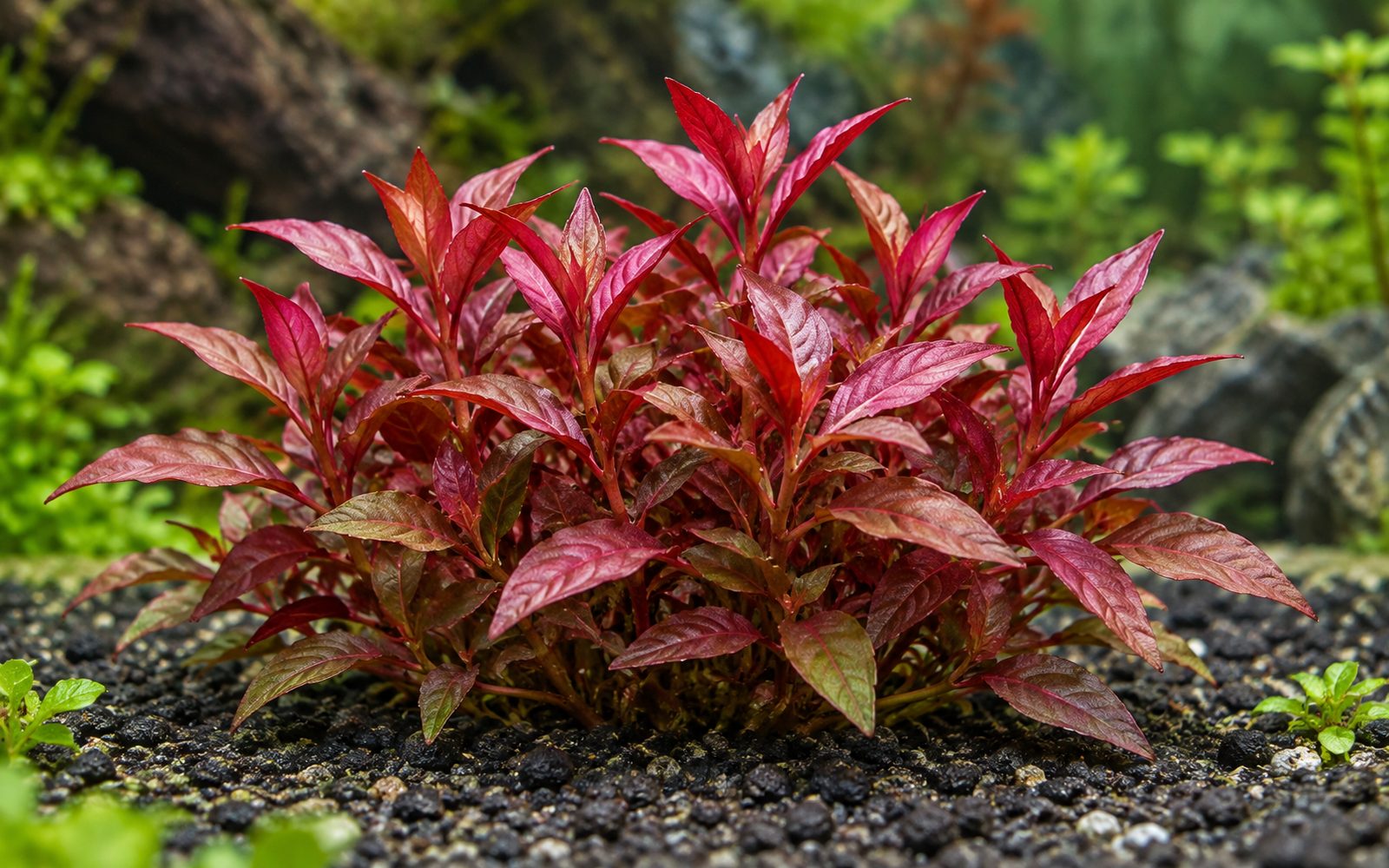 Alternanthera Reineckii 'Mini'
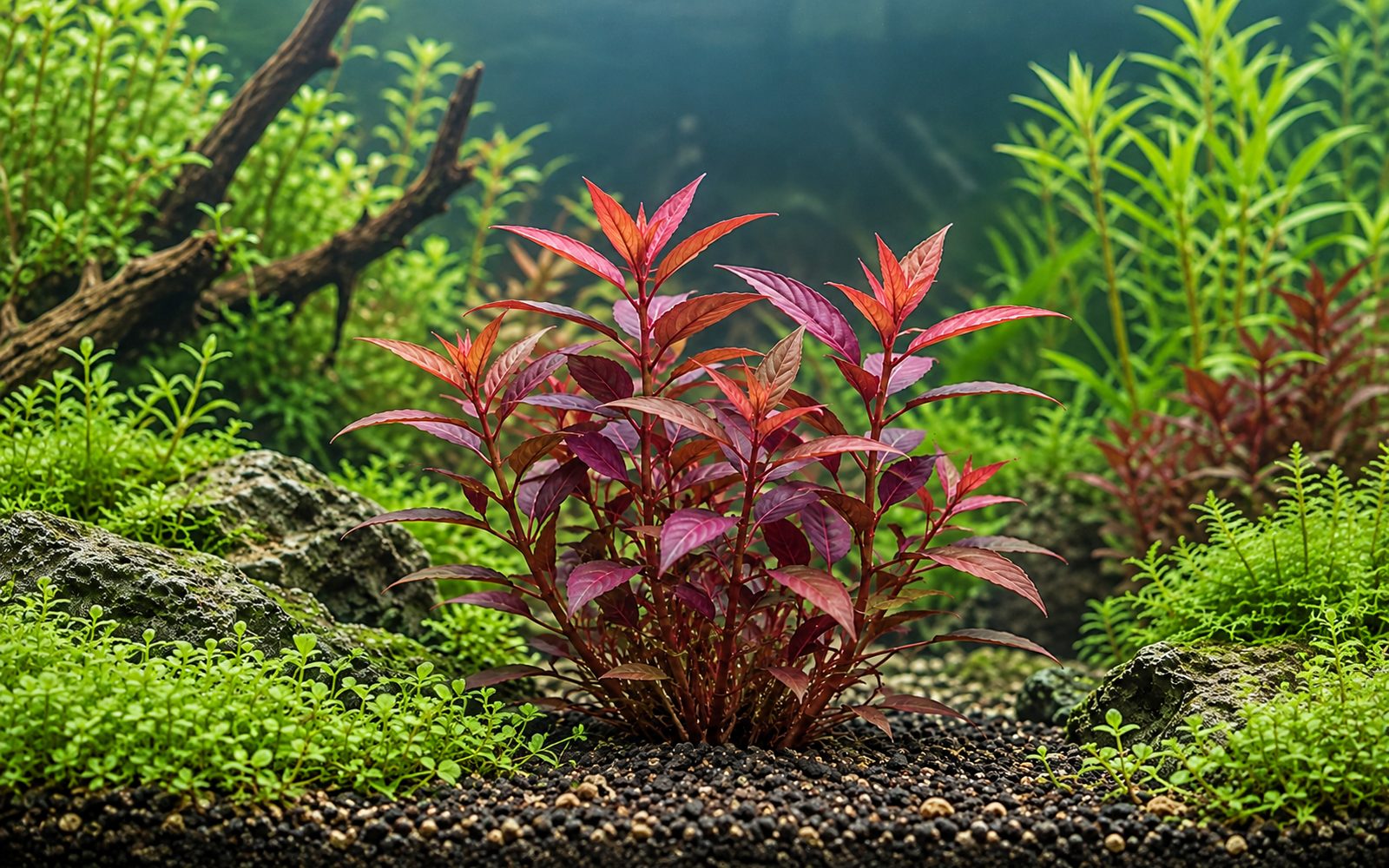 Alternanthera Reineckii
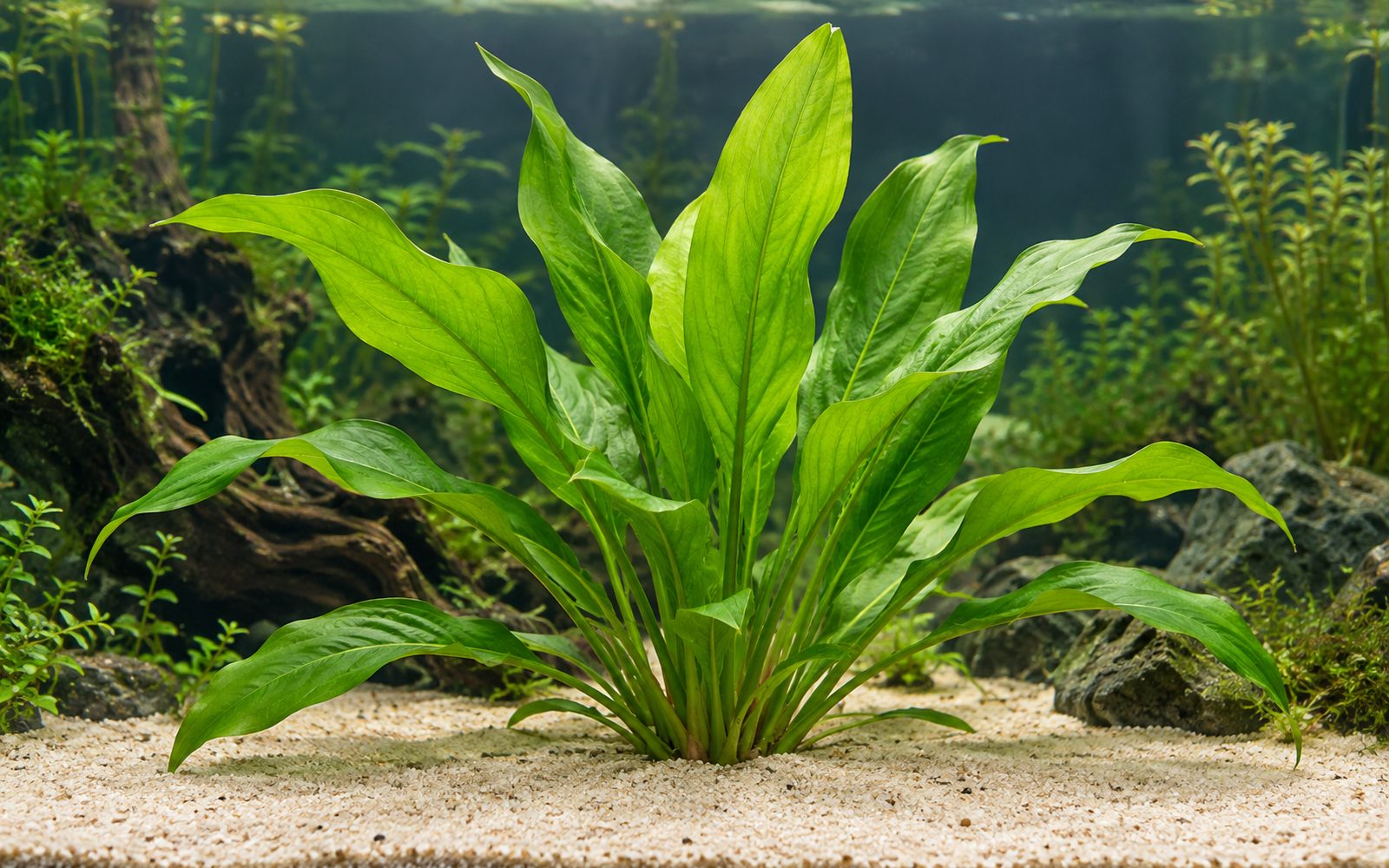 Amazon Sword
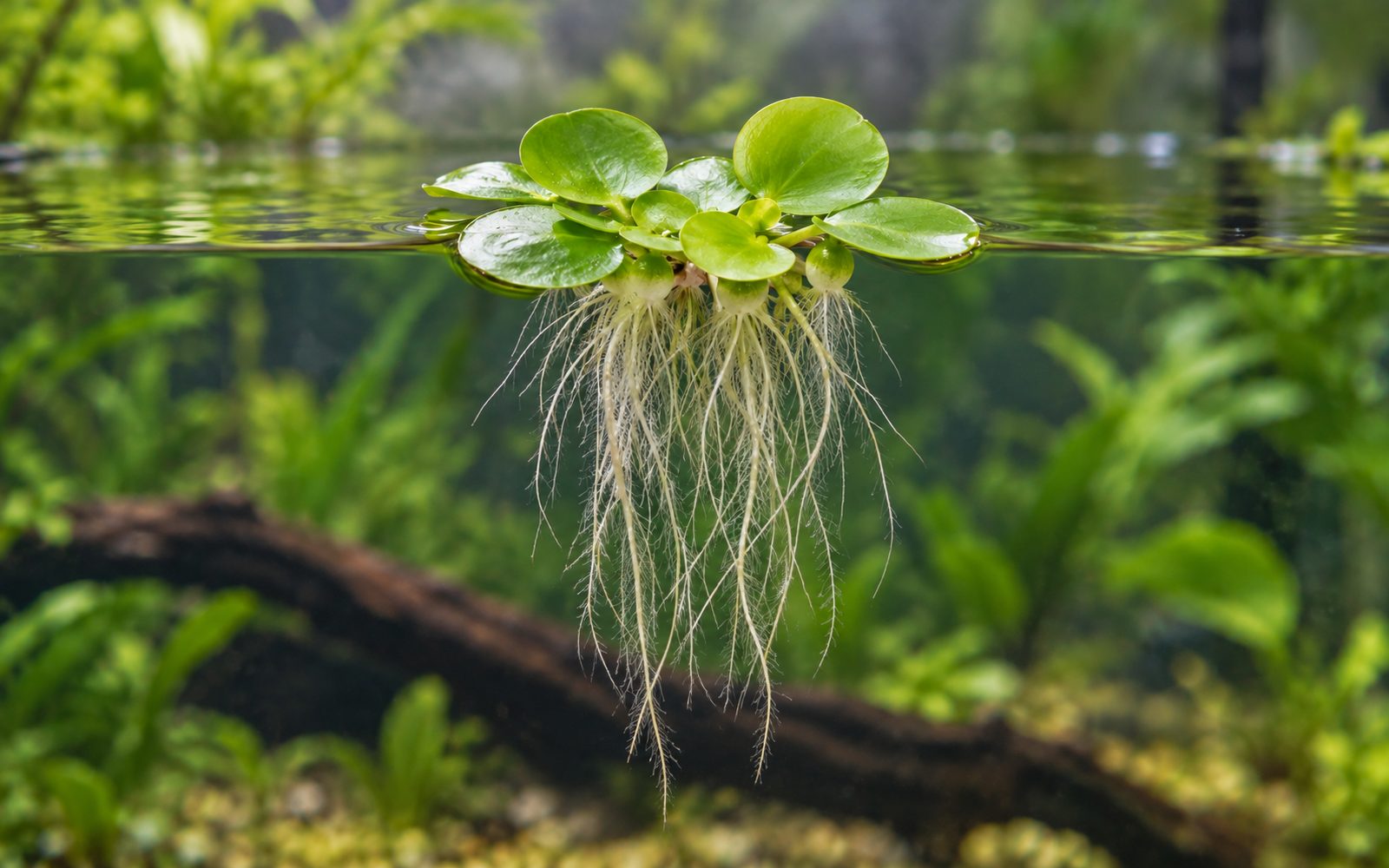 Amazon Frogbit
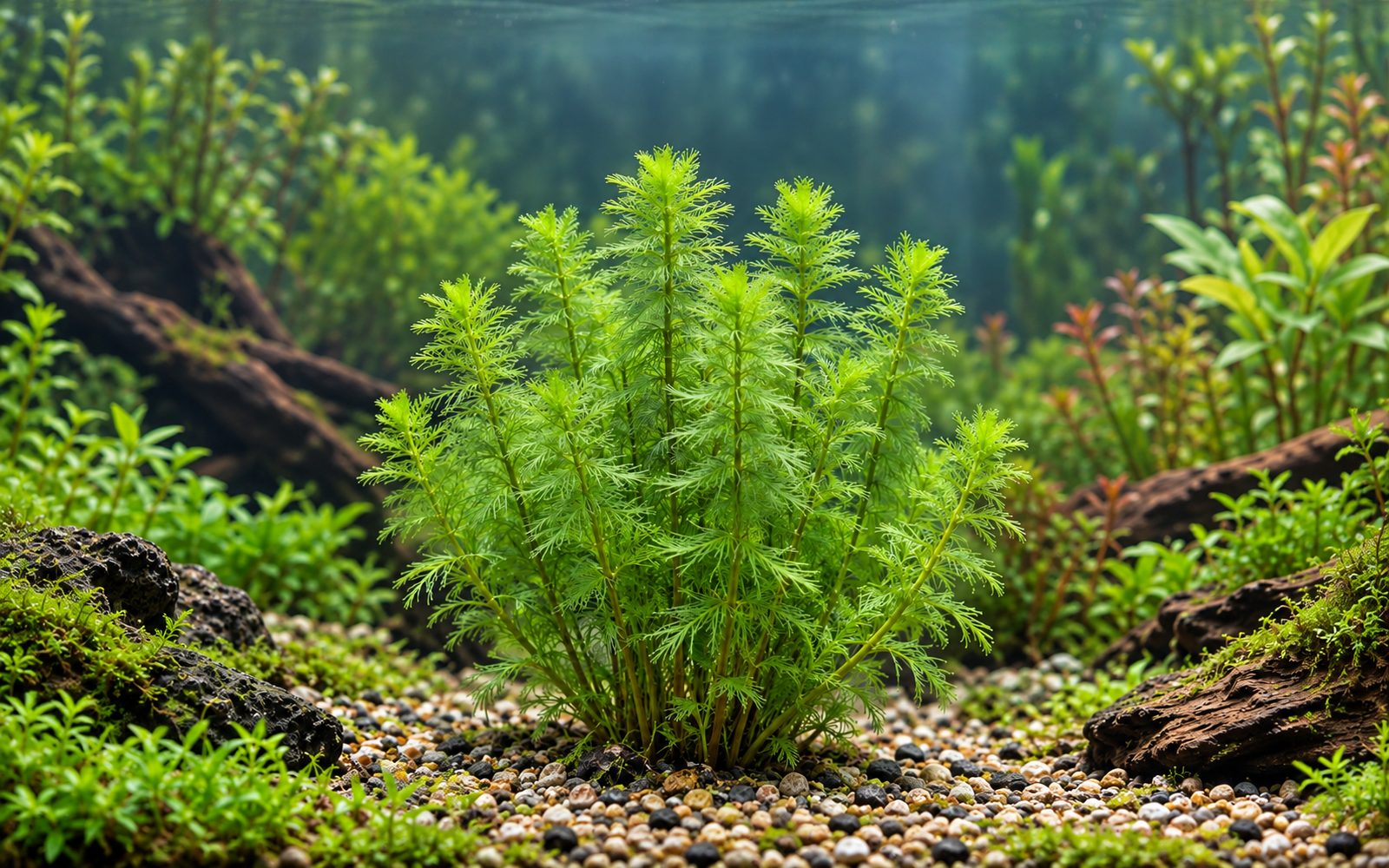 Ambulia
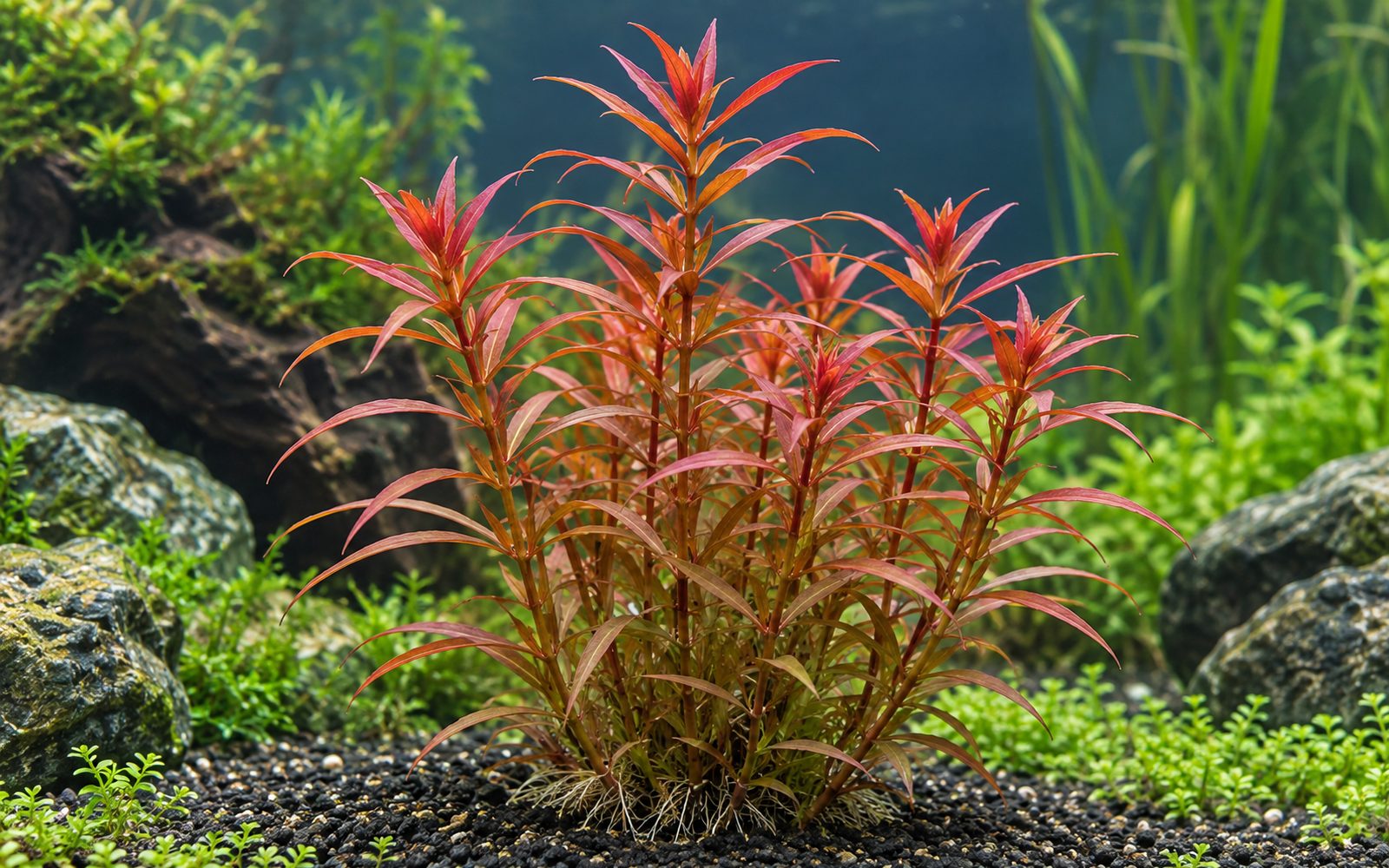 Ammannia Gracilis
Should not be kept together








Hobbyist notes
Things you won't find in books, learned by trial and error. The most helpful ones are on top.
Change history and contributors
- Page created · October 16, 2026