

Water parameters
Overview
The threadfin acara is the only species in the genus Acarichthys. Its yellowish to light brown body has a dark blotch in the middle, with shiny blue lines on the head and gill covers. Its most striking feature is the long, thread-like extensions that grow from the dorsal fin in mature fish.
Although it resembles the Geophagus species in appearance, its behavior is different: it feeds by sifting the substrate, but for breeding it digs tunnels under roots and stones and claims these caves. It reaches 20 cm and can be quite tough for its size during breeding.
Natural Habitat
It lives on the sandy banks of slow-flowing rivers and in lakes of the Amazon basin and the Essequibo system in Guyana. It moves among roots, fallen trees and sandy clearings; the water is generally soft and slightly acidic.
Tank Setup
- Volume: At least 300 liters and 150 cm of length for a pair.
- Substrate: Fine sand; if kept deep, it loves to dig tunnels. Stones should be set directly on the glass bottom so they do not topple during digging.
- Decor: Roots, flat stones and hollows. Rooted plants may be uprooted; epiphytes are safer.
- Water: Soft, slightly acidic and clean water; a 30–40% water change every week.
Diet
Omnivorous. Use sinking cichlid granules as the staple; vary the diet with frozen bloodworms, mysis, brine shrimp and vegetables. Since it also feeds by sifting sand, some of the food should reach the bottom. Two small meals a day are better than one large meal.
Behavior and Compatibility
Relatively calm outside of breeding. Once a pair forms, it fiercely defends the area around its cave and drives away other bottom fish.
Good companions: Severum, uaru, festivum, Geophagus species (in a large tank), large tetras, silver dollars, plecos.
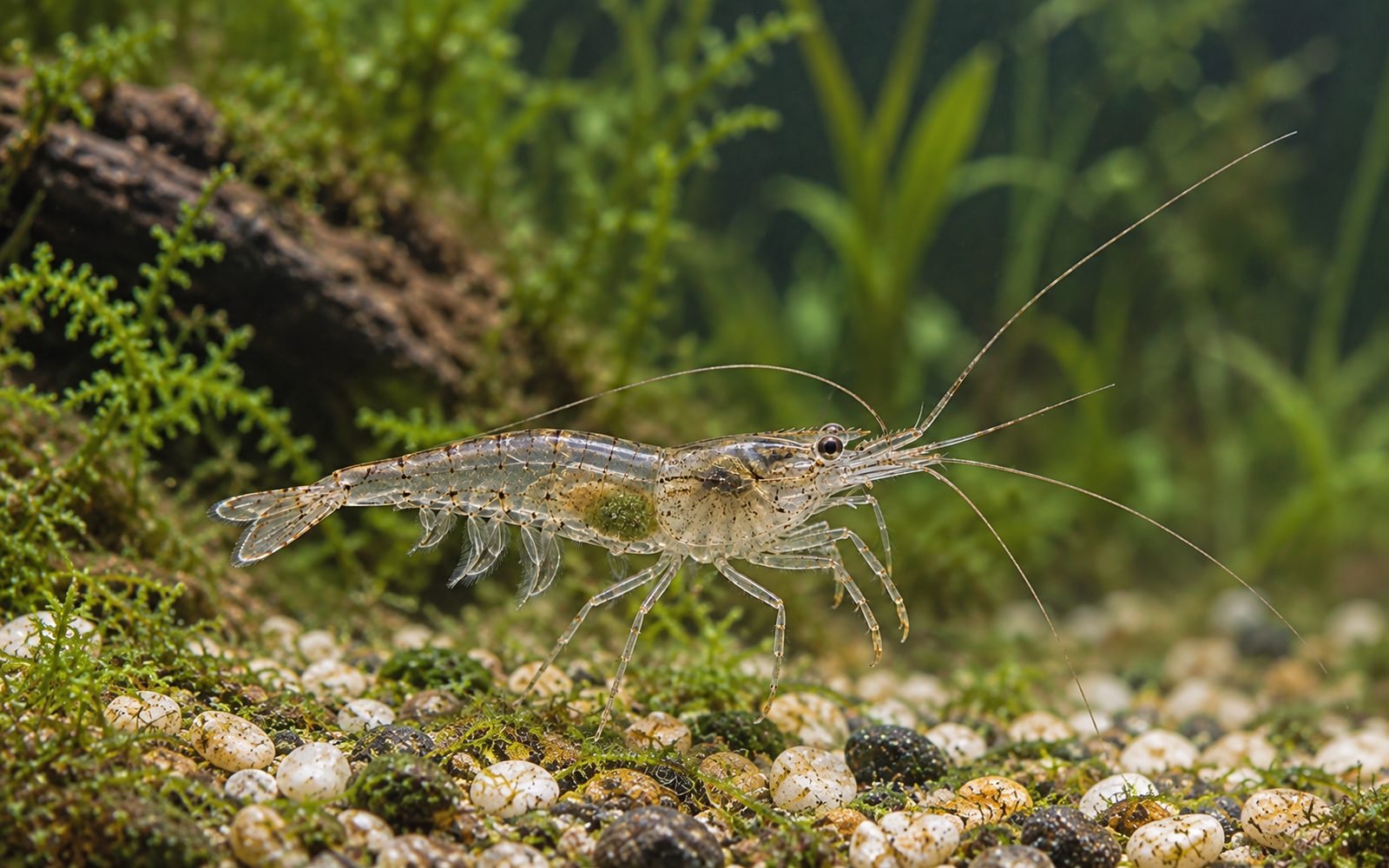
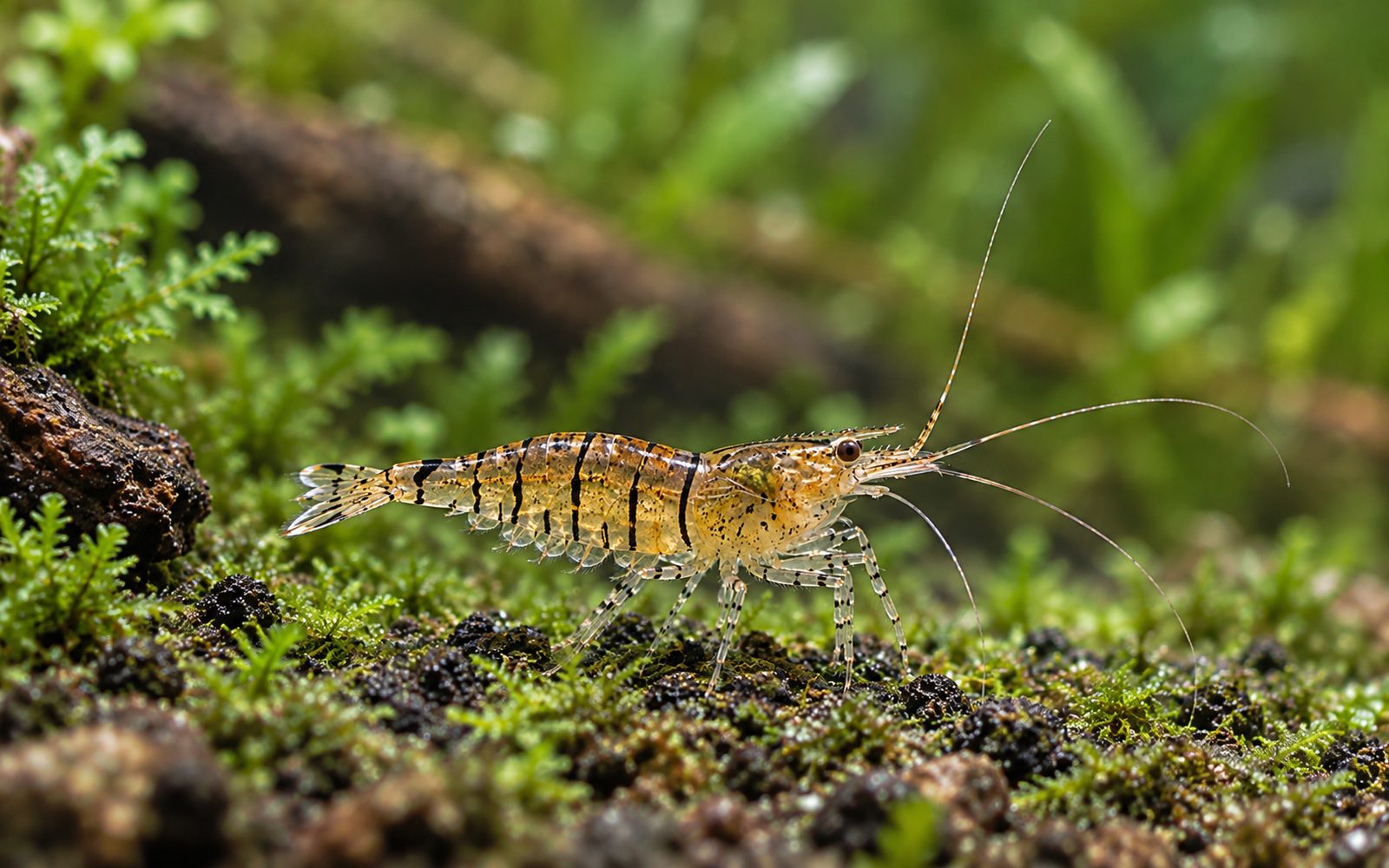
Avoid: Small shrimp, very small fish, aggressive Central American cichlids, delicate planted layouts.
Group and Colony Structure
It moves in a group when young and forms a pair at maturity. To get a pair, raise 5–6 juveniles together and separate the pair that forms. More than one pair in the same tank requires a very large, divided layout.
Breeding
It is a cave spawner. The pair digs a tunnel under a stone or root and lays the eggs on the tunnel's ceiling; a single clutch can contain hundreds of eggs. The female usually stays inside the cave while the male guards the outside. Once the fry become free-swimming, they move around with both parents and are fed brine shrimp nauplii.
Health and Common Problems
- Hole-in-the-head disease (HLLE): In poor water quality.
- Injuries: From stones toppled during digging.
- Bacterial problems: After transport; quarantine is recommended.
- Nitrate buildup: It is a soft-water species; high nitrate shows itself as loss of appetite and fading color.
Sexing
Males grow larger, and the thread extensions on their dorsal fin are longer. Females are smaller with shorter fins. A reliable distinction is made by the papilla.
Tank mates
This list is calculated automatically from the species profile and grows as new species are added to the catalog. Try it in the planner for a definite answer.
Usually compatible
 Emerald Betta
 Altum Angelfish
 Firemouth Cichlid
 Buffalohead Cichlid
 Chocolate Cichlid
 Festivum
 Geophagus altifrons
 Geophagus surinamensis
 Rainbow Cichlid
Should not be kept together



Hobbyist notes
Things you won't find in books, learned by trial and error. The most helpful ones are on top.
Change history and contributors
- Page created · October 16, 2026