

Water parameters
Overview
As a juvenile, the domino damsel resembles a domino tile with three white spots on its jet-black body (one on the forehead, one on each side). In the store it looks small and cute, but it grows beyond 12 cm and is one of the largest and most aggressive damsels. As it ages its spots fade and the black turns gray.
It is very hardy, which is why it is often sold to new aquarists. Yet once grown it cannot be kept with peaceful species; it is a fish for large aquariums with large fish.
Natural Habitat
It lives on Indo-Pacific reefs and in lagoons. Juveniles hide among the tentacles of large anemones (often together with clownfish), in branching corals or among long-spined sea urchins. Adults pick plankton in groups above coral heads.
Tank Setup
- Volume: at least 200 liters for a single fish.
- Water: salinity 1.023–1.026 specific gravity, pH 8.1–8.4, temperature 24–27°C.
- Reef compatibility: reef safe; it does not touch corals. Juveniles may claim an anemone in the aquarium and clash with clownfish over it.
- Order of addition: it should be added last.
- Layout: a large rock structure and hollows to retreat into at night.
Diet
Omnivorous and greedy. Offer marine flakes and granules, frozen mysis, krill, brine shrimp and foods containing algae. Twice a day, as much as is eaten within a few minutes, is enough. It is usually the first fish to grab the food; spread the food to different spots in the aquarium to make sure the other fish get some too.
Behavior and Compatibility
As juveniles they swim calmly in groups; as they mature they fiercely defend their territory, attack fish larger than themselves and bite the keeper's hand. It may chase and injure small fish.
Good companions: large, robust species: communities of large fish such as tangs, large sweetlips and triggerfish.
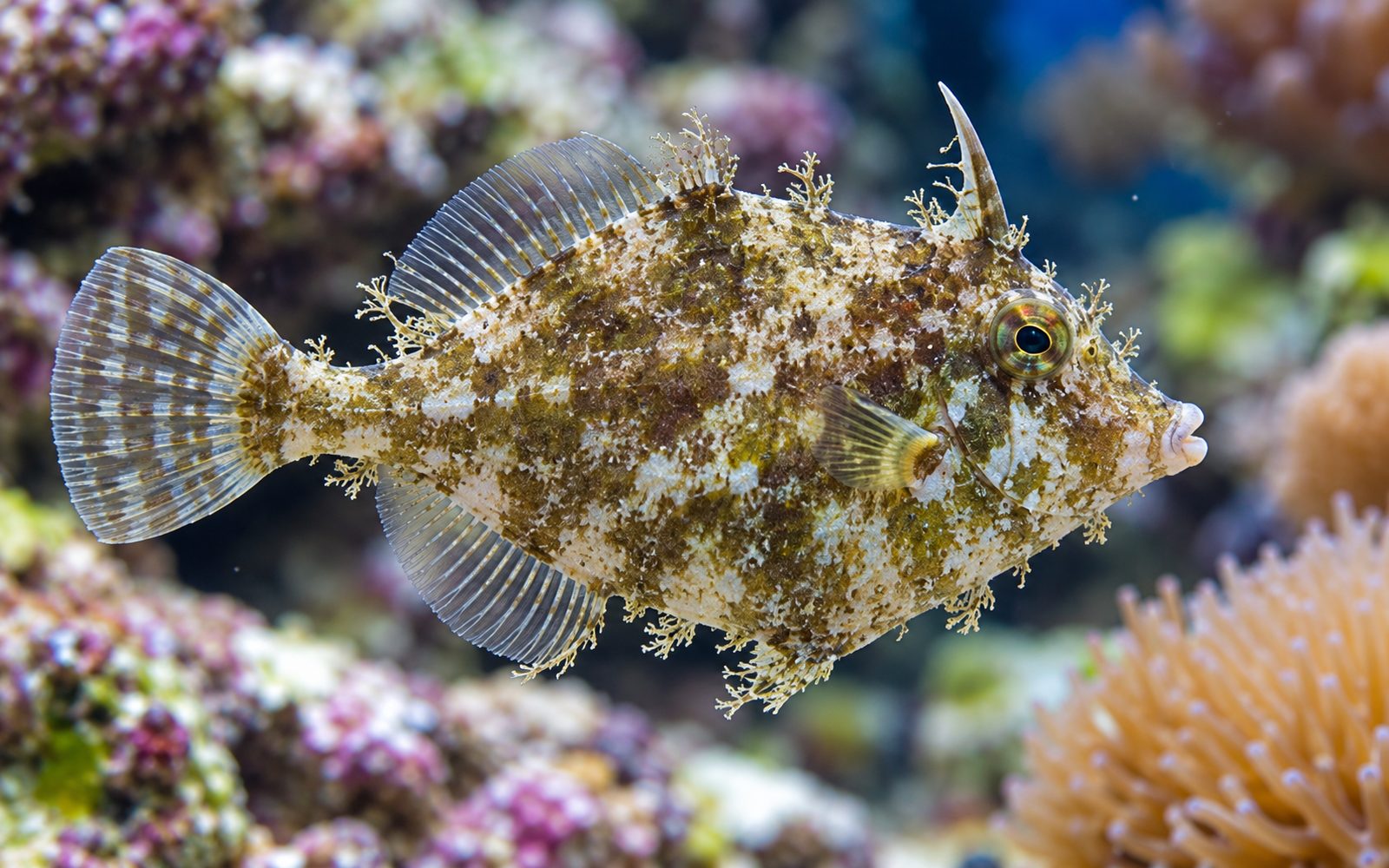
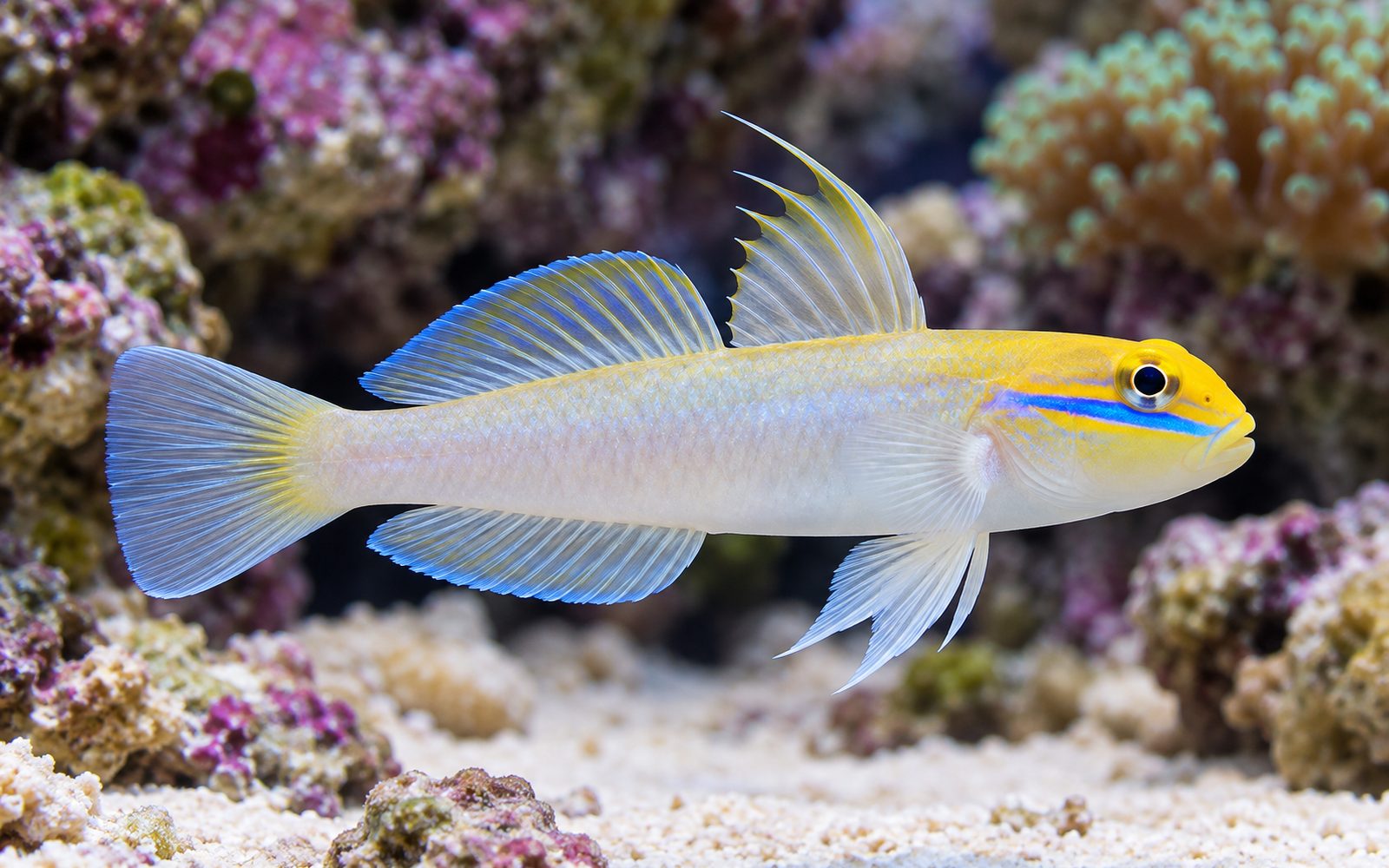
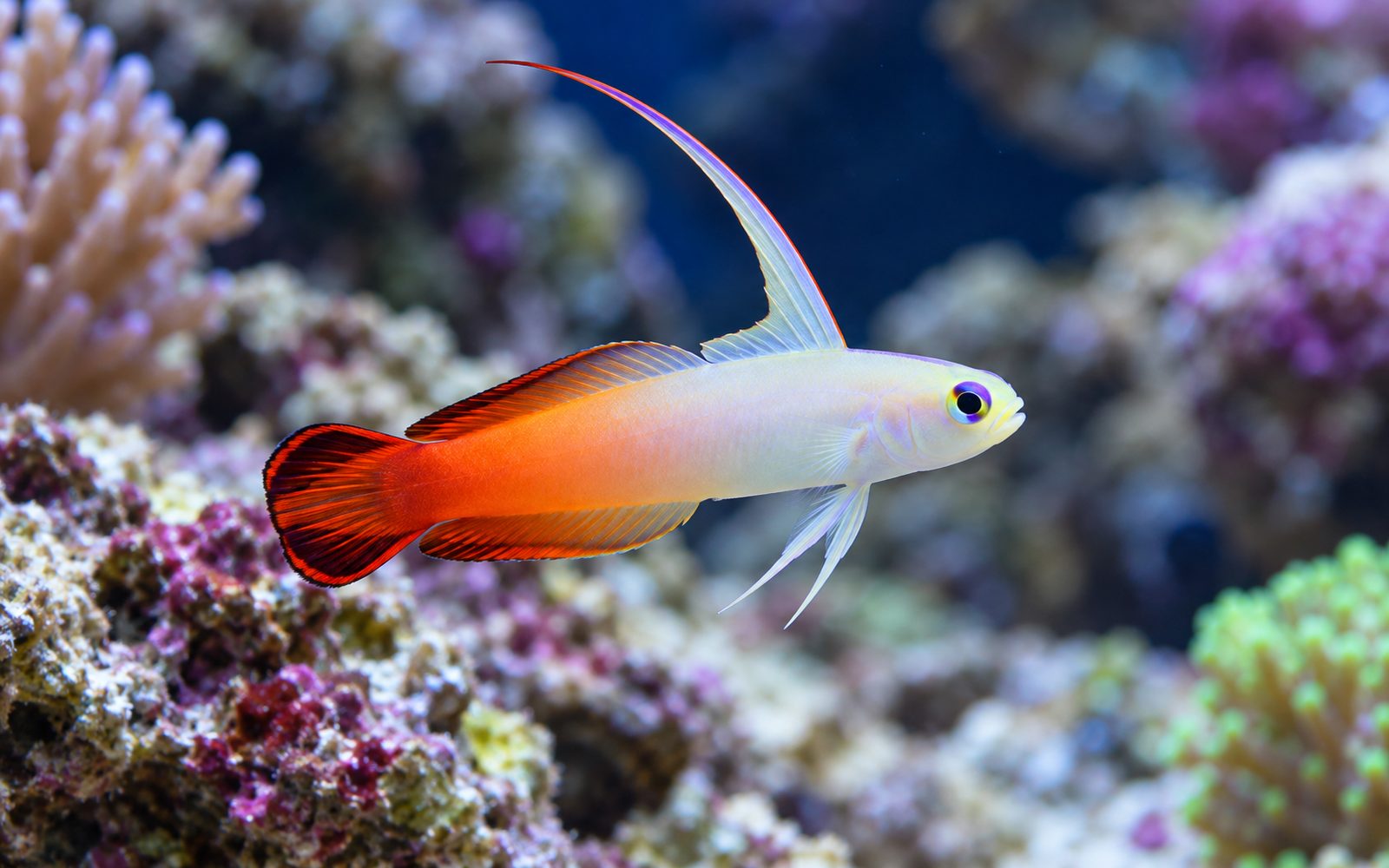
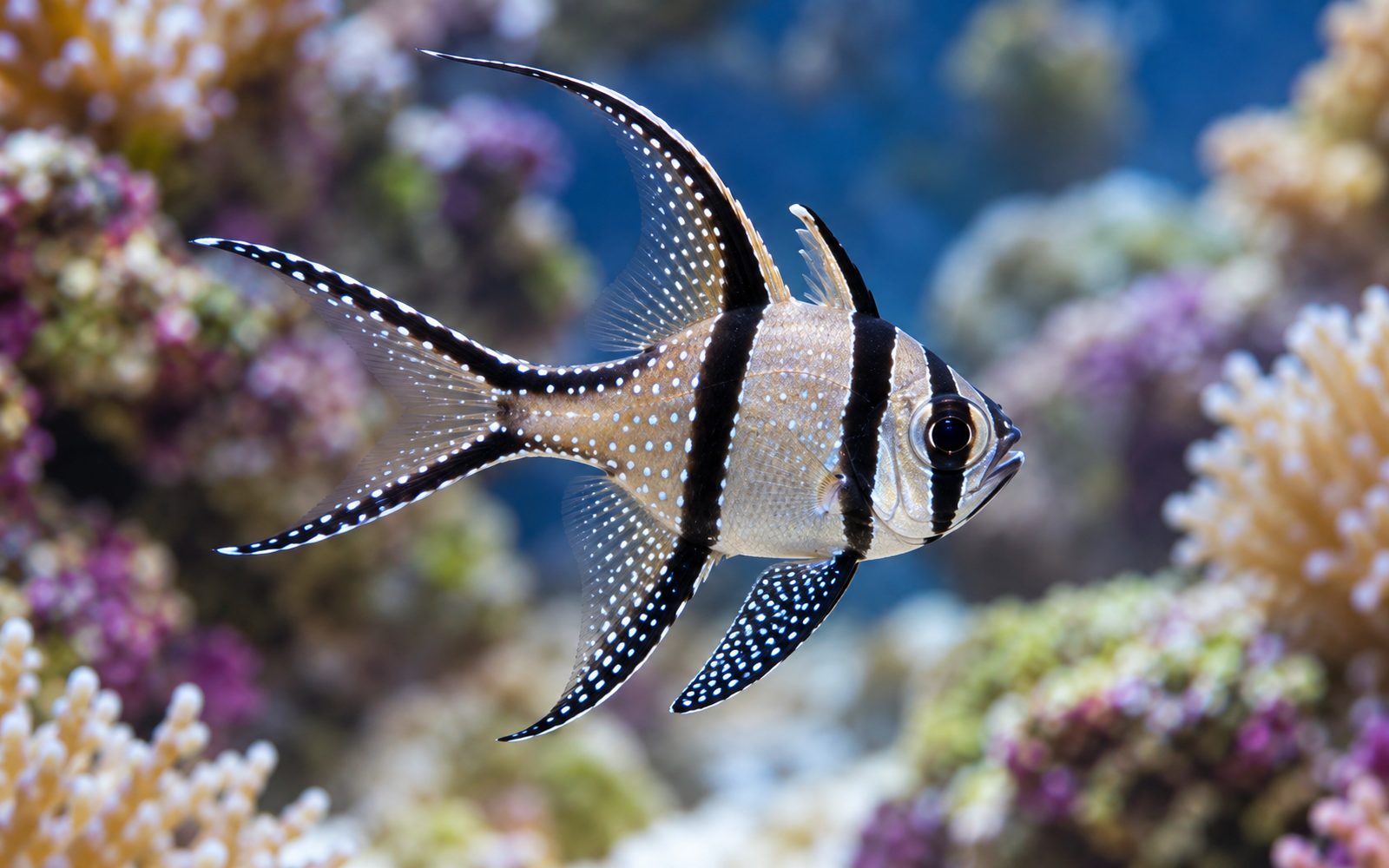
Avoid: clownfish (competition for the anemone), gobies, firefish, cardinalfish, mandarins, other damsels.
Group and Colony Structure
Keep a single individual in the aquarium. A group of juveniles looks trouble-free at first, but as they grow the individuals attack each other; a group can only be maintained in very large, public-aquarium-sized volumes. In an aquarium with an anemone, even a single juvenile domino may try to drive a clownfish pair away from the anemone.
Breeding
The male cleans a nesting area on a rock surface, invites the female and guards the eggs. Spawning can be seen in the aquarium; raising the planktonic larvae, however, is very difficult.
Health and Common Problems
- Extremely hardy.
- Marine ich and velvet: quarantine new arrivals.
- Because of its aggression, injuries appear on other fish in the aquarium; treat this as a warning sign.
Sexing
There is no reliable external difference. The largest individual in a group is usually the dominant male.
Tank mates
This list is calculated automatically from the species profile and grows as new species are added to the catalog. Try it in the planner for a definite answer.
Should not be kept together

Hobbyist notes
Things you won't find in books, learned by trial and error. The most helpful ones are on top.
Change history and contributors
- Page created · October 16, 2026