
Water parameters
Overview
The electric catfish is a catfish that can produce powerful electric discharges with special tissues in its body; these discharges can exceed 300 volts. It uses electricity to stun its prey and to defend itself. It is easily recognized by its thick, sausage-shaped body, the absence of a dorsal fin and its small eyes. In aquariums it usually reaches 30–50 cm, and it can grow much larger in the wild. Some of the fish sold in the trade as "electricus" may be other species of the same genus.
Tank Setup
- At least 400 liters and 150 cm of length for a single adult.
- A sturdy lid; be very careful when removing equipment during maintenance and when putting your hand in the water.
- Soft sand, a large cave or pipes; dim light.
- Strong filtration; it eats a lot and produces a lot of waste.
Diet
Carnivorous. It eats fish fillet, shrimp, worms and sinking carnivore granules; a few meals a week is enough for adults. Offer food with long tongs.
Behavior and Compatibility
A nocturnal, solitary predator. It cannot be safely kept with any fish in the aquarium; with its electric discharges it can kill even fish larger than itself. The discharge is very painful for people too; do not touch the fish or the water with bare hands.
Good companions: none; it is kept alone.
Avoid: tankmates of any kind; aquariums within reach of children.
A short profile for this species
The Electric Catfish page has the basics, but the sections below have not been written yet. If you keep this species, write a section from your own experience; it will be published under your name after editor approval.
Tank mates
This list is calculated automatically from the species profile and grows as new species are added to the catalog. Try it in the planner for a definite answer.
Usually compatible
 Spotted Tilapia
 Flowerhorn
 Jack Dempsey
 Jaguar Cichlid
 Red Devil Cichlid
 Red Terror Cichlid
 Cryptocoryne Parva
 Wolf Cichlid
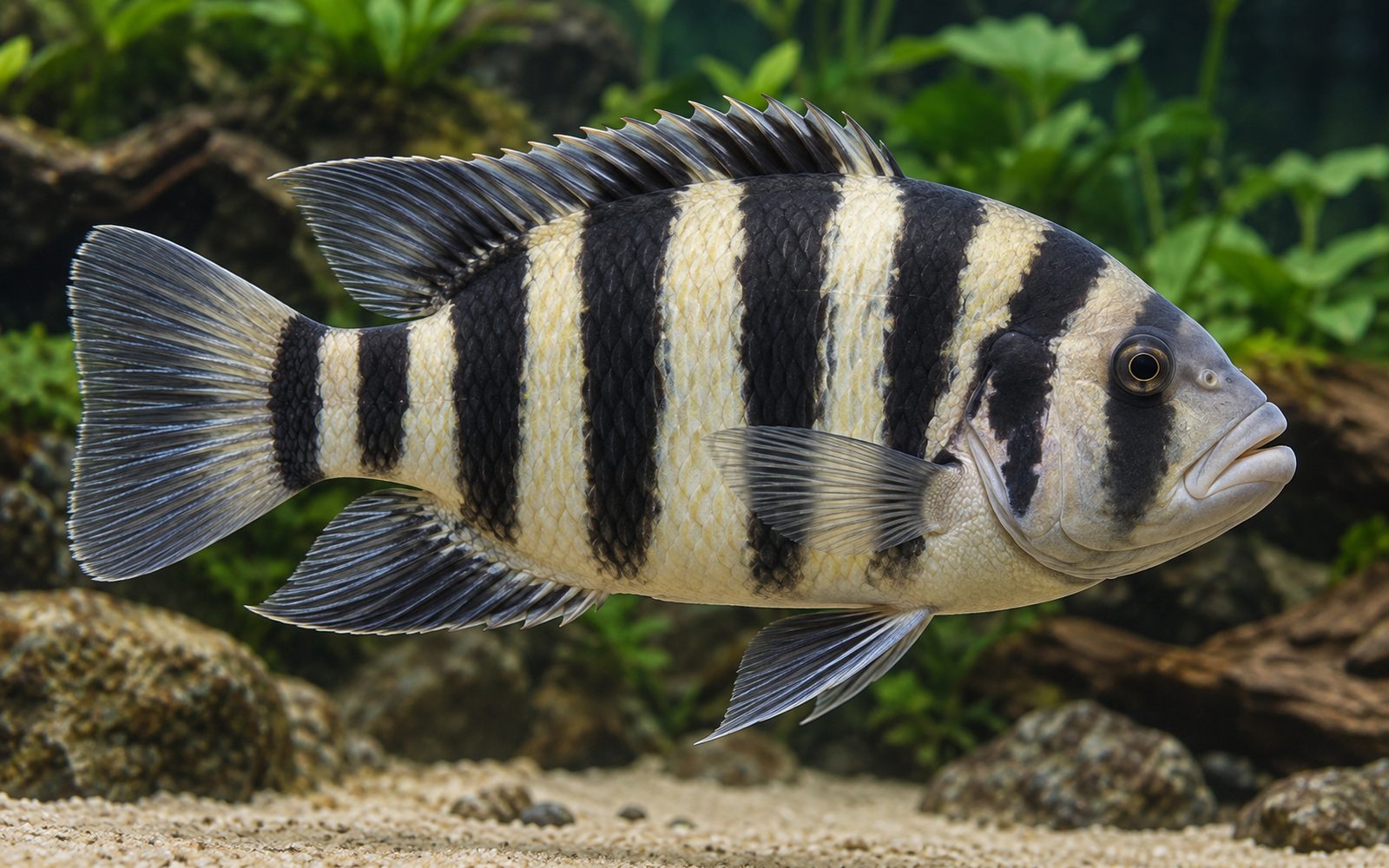 Zebra Tilapia
 Weeping Moss
Should not be kept together








Hobbyist notes
Things you won't find in books, learned by trial and error. The most helpful ones are on top.
Change history and contributors
- Page created · October 16, 2026