

Water parameters
Overview
The lunare wrasse is recognized by the bright green of its body, the pink–purple stripes on its head and, in adults, the crescent-shaped tail with a yellow center. It takes its name from this moon-shaped tail. It is an extremely hardy fish that takes food quickly and resists disease; for this reason it is a frequent choice for fish-focused (FOWLR) aquariums.
The price of its hardiness is a fast, greedy and aggressive character. In the aquarium it reaches about 20–25 cm and swims constantly; it is not suitable for a small reef aquarium. All individuals are collected from the wild.
Natural Habitat
It lives in shallow water in lagoons, on reef flats and along rocky shores of the Indo-Pacific. All day long it swims quickly, hunting small crustaceans, worms and fish.
Tank Setup
- Volume: at least 500 liters and 180 cm in length; it is a very active swimmer.
- Water: salinity 1.023–1.026 specific gravity, pH 8.1–8.4, temperature 24–27°C.
- Lid: it is fast and jumps when startled; a lid is essential.
- Decor: wide open swimming space in the middle, with rock crevices along the sides to hide in at night, and secured rocks.
- Maintenance: a 10–15% water change weekly; since it is a greedy eater, a strong filter and a protein skimmer.
- Reef compatibility: it can be considered reef safe with caution: it leaves corals alone, but eats shrimp, snails, small crabs, tube worms and small fish that fit in its mouth. It is not suitable for a reef aquarium with a cleanup crew.
Diet
Carnivorous. Frozen mysis, krill, chopped shrimp and mussels, marine fish granules and pellets. Feed twice a day; at feeding time it also grabs other fish's share, so make sure its slow-eating tankmates get fed.
Behavior and Compatibility
Fast, bold and dominant. It attacks its own species, other Thalassoma and small, peaceful fish added later. It gets along well with fish larger and stronger than itself.
Good companions: in a large aquarium: tangs, large angelfish, foxface, large damsels, triggerfish, porcupinefish and puffers.
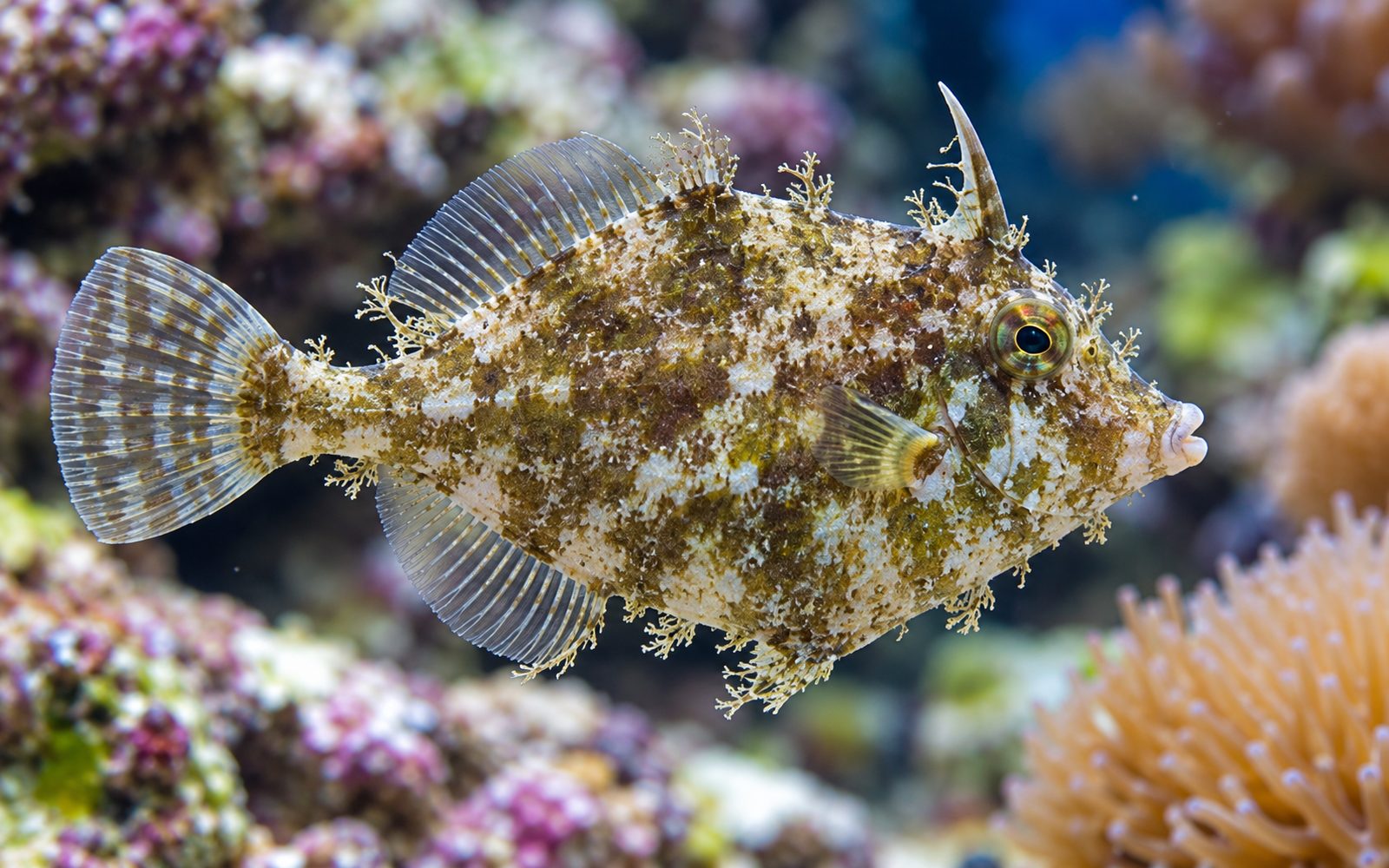
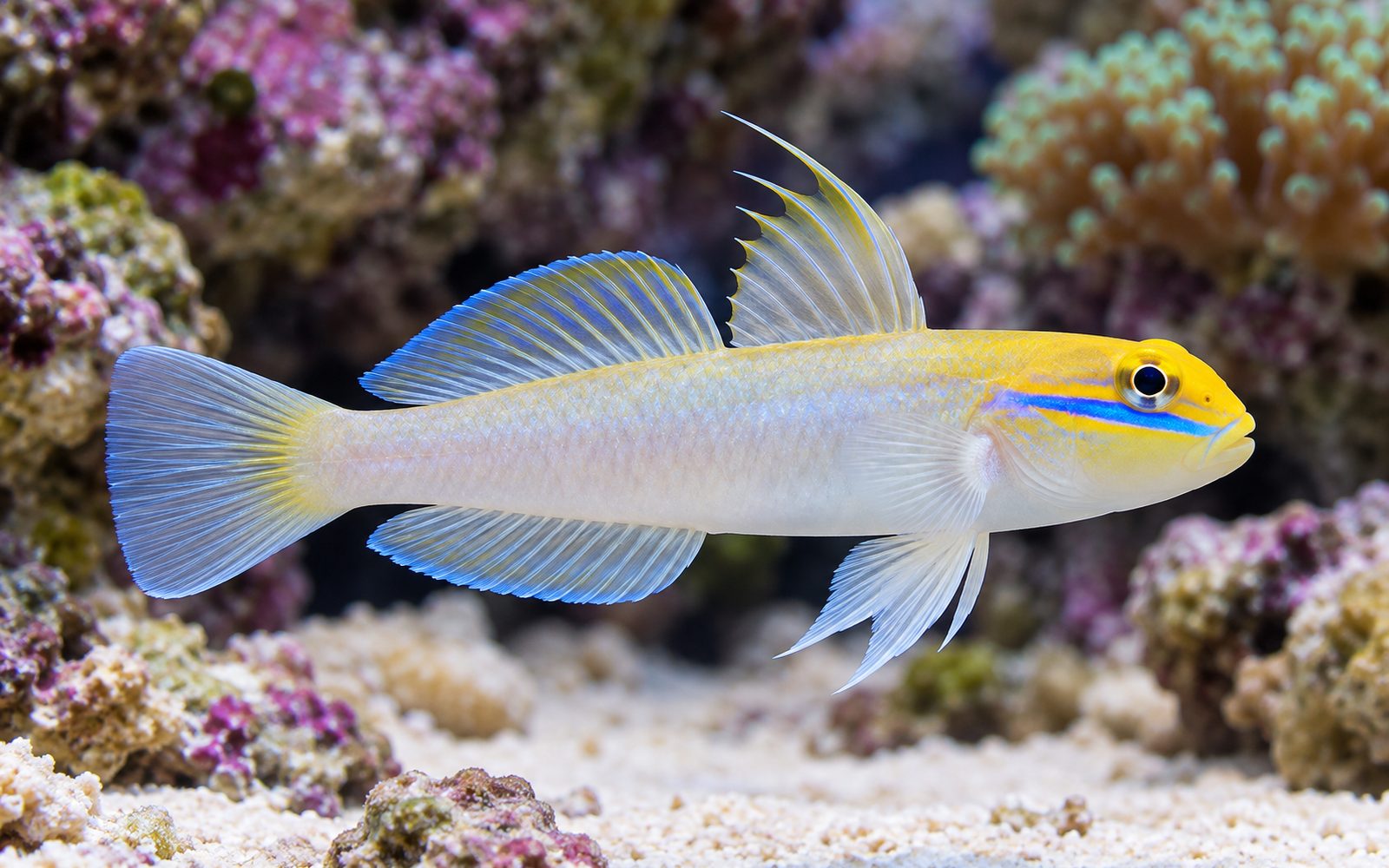
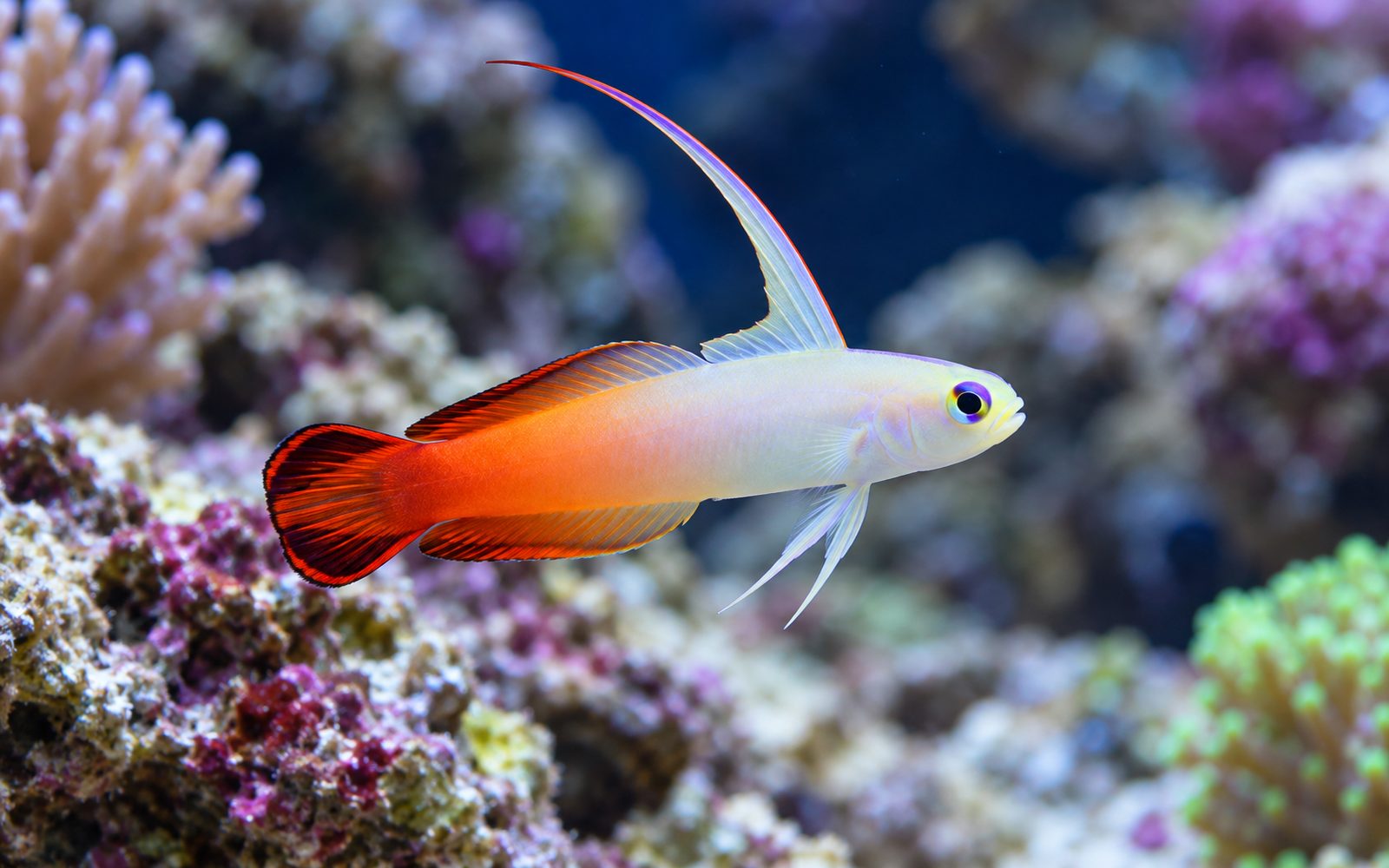
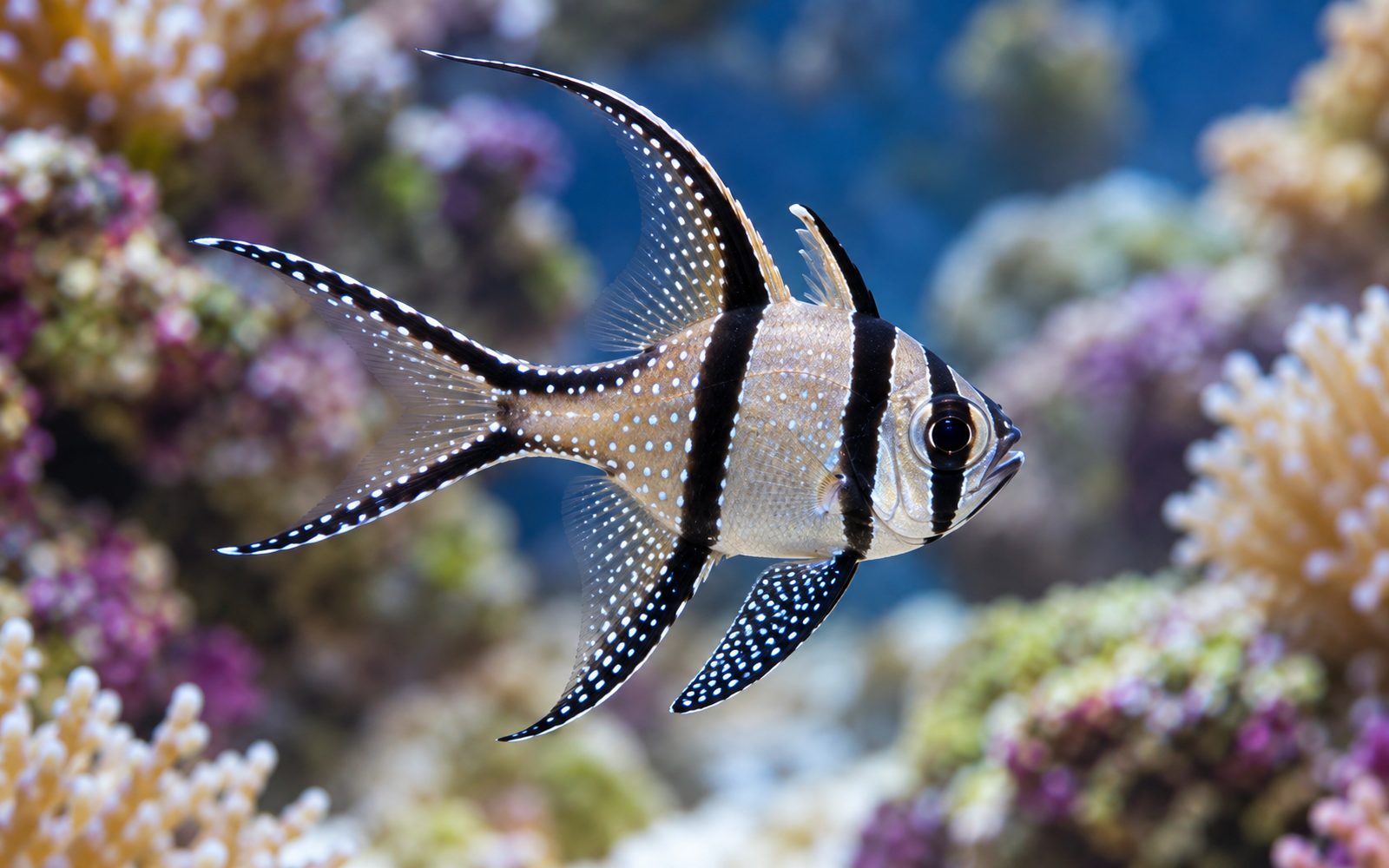
Avoid: small, peaceful fish (gobies, cardinalfish, fairy wrasses), shrimp, snails, seahorses.
Group and Colony Structure
Kept as a single individual in the aquarium.
Breeding
It is a female-first wrasse; the dominant individual changes into a brightly colored "terminal phase" male. It is a pelagic spawner and does not breed in the aquarium.
Health and Common Problems
- Hardiness: one of the toughest marine fish, it rarely gets sick; quarantine is still recommended.
- Jumping: the most common cause of death in an uncovered aquarium.
- Overfeeding: since it wins the race for food, it can become fat; keep meals moderate.
Sexing
Juveniles and females look alike. Terminal-phase males are larger, and the pink–blue stripes on the head and the yellow on the tail are more pronounced.
Tank mates
This list is calculated automatically from the species profile and grows as new species are added to the catalog. Try it in the planner for a definite answer.
Should not be kept together


Hobbyist notes
Things you won't find in books, learned by trial and error. The most helpful ones are on top.
Change history and contributors
- Page created · October 16, 2026