
Water parameters
Overview
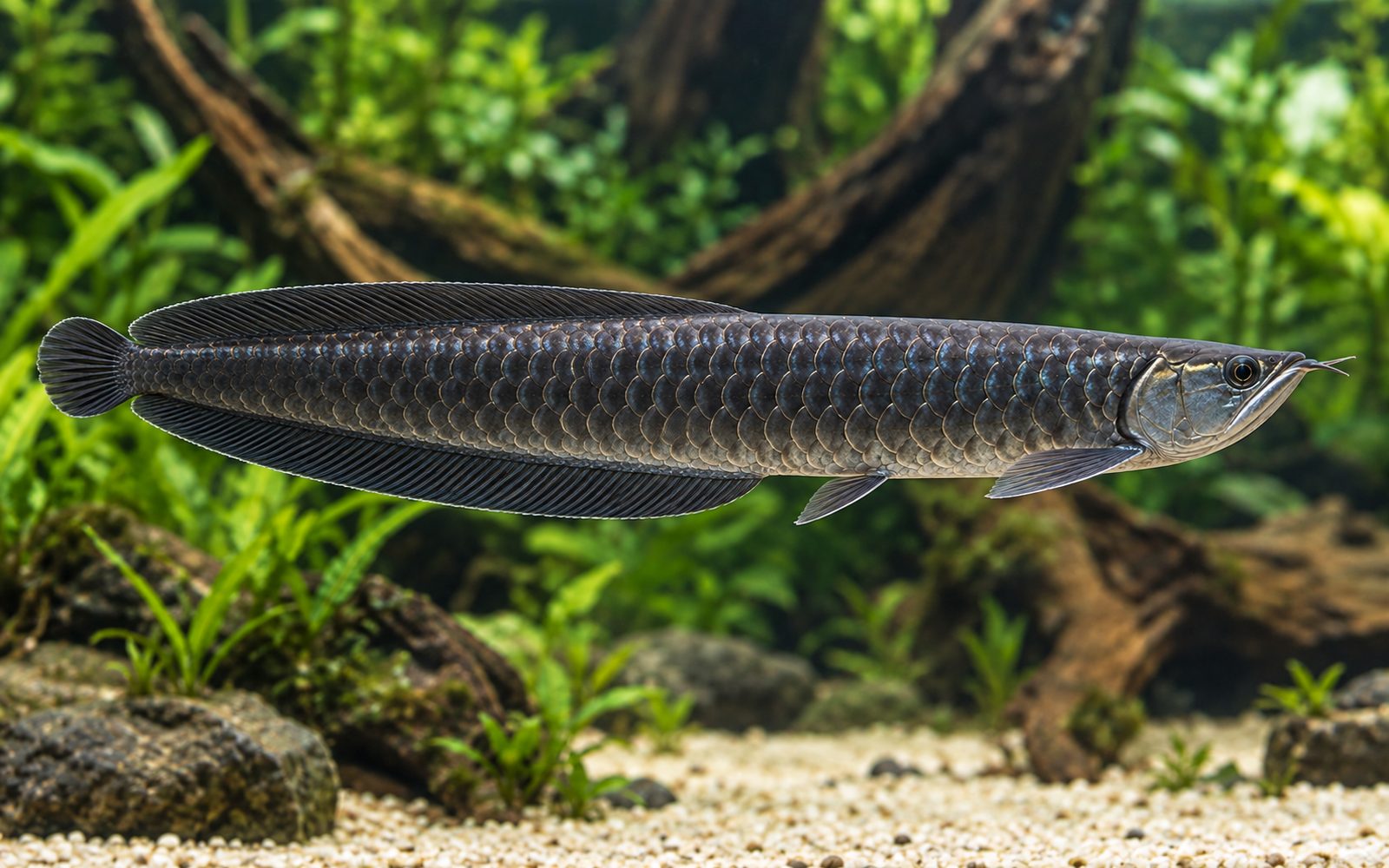
The black arowana is a close relative of the silver arowana and comes from the tea-colored black waters of the Rio Negro. Juveniles are almost black and carry a thin, shiny stripe along the body; as they grow, the scales take on a dark blue-gray metallic sheen. With its large upturned mouth and two short barbels on its chin, it glides just below the surface.
Like the silver arowana it reaches 90 cm and hunts insects by leaping out of the water. Its juveniles are more delicate; individuals whose yolk sac has not yet been absorbed in particular are easily lost.
Natural Habitat
It lives in the soft, acidic, tannin-rich waters of the Rio Negro basin, in flooded forests and still backwaters.
Tank Setup
- Volume: at least 1500 liters for an adult; the width of the aquarium should be at least 1.5 times the fish's length so it can turn comfortably (a 250 × 100 cm footprint).
- Lid: a heavy, sturdy lid is essential; it escapes by jumping or gets injured hitting the lid.
- Water: soft and acidic, very clean. It tolerates hard and alkaline water less well than the silver arowana.
- Setting: a quiet room; sudden light and movement cause it to crash into the glass.
Diet
Carnivorous; it takes food from the surface. Shrimp, fish fillet, insects (crickets, grasshoppers) and arowana pellets. Live feeder fish carry disease and become a habit; they are not recommended. Juveniles are fed 2–3 times a day, adults once a day.
Behavior and Compatibility
It eats anything that fits in its mouth. It is aggressive toward its own kind and toward surface fish of similar shape.
Good companions: in a very large aquarium, large bottom- and mid-dwelling fish: large plecos, bichirs, tigerfish, a school of silver dollars, large catfish.
Avoid: small fish, shrimp, a second arowana, other large surface-dwelling species.
Group and Colony Structure
In a home aquarium a single fish is kept.
Breeding
The male incubates the large fertilized eggs in his mouth and carries the fry there until their yolk sacs are used up. Breeding in a home aquarium is so rare that it is practically unknown.
Health and Common Problems
- Losses during the yolk sac stage: fry whose sac has not been fully absorbed are very delicate; they need stable water and a calm setting.
- Drop eye: associated with a narrow aquarium and constant feeding from below.
- Jumping injuries: in aquariums with weak lids.
Sexing
The sexes are hard to tell apart externally; mature males may be slimmer and have larger anal fins.
Tank mates
This list is calculated automatically from the species profile and grows as new species are added to the catalog. Try it in the planner for a definite answer.
Usually compatible
 Cryptocoryne Parva
Adonis Pleco
Cryptocoryne Parva
Adonis Pleco
 Weeping Moss
 Flame Moss
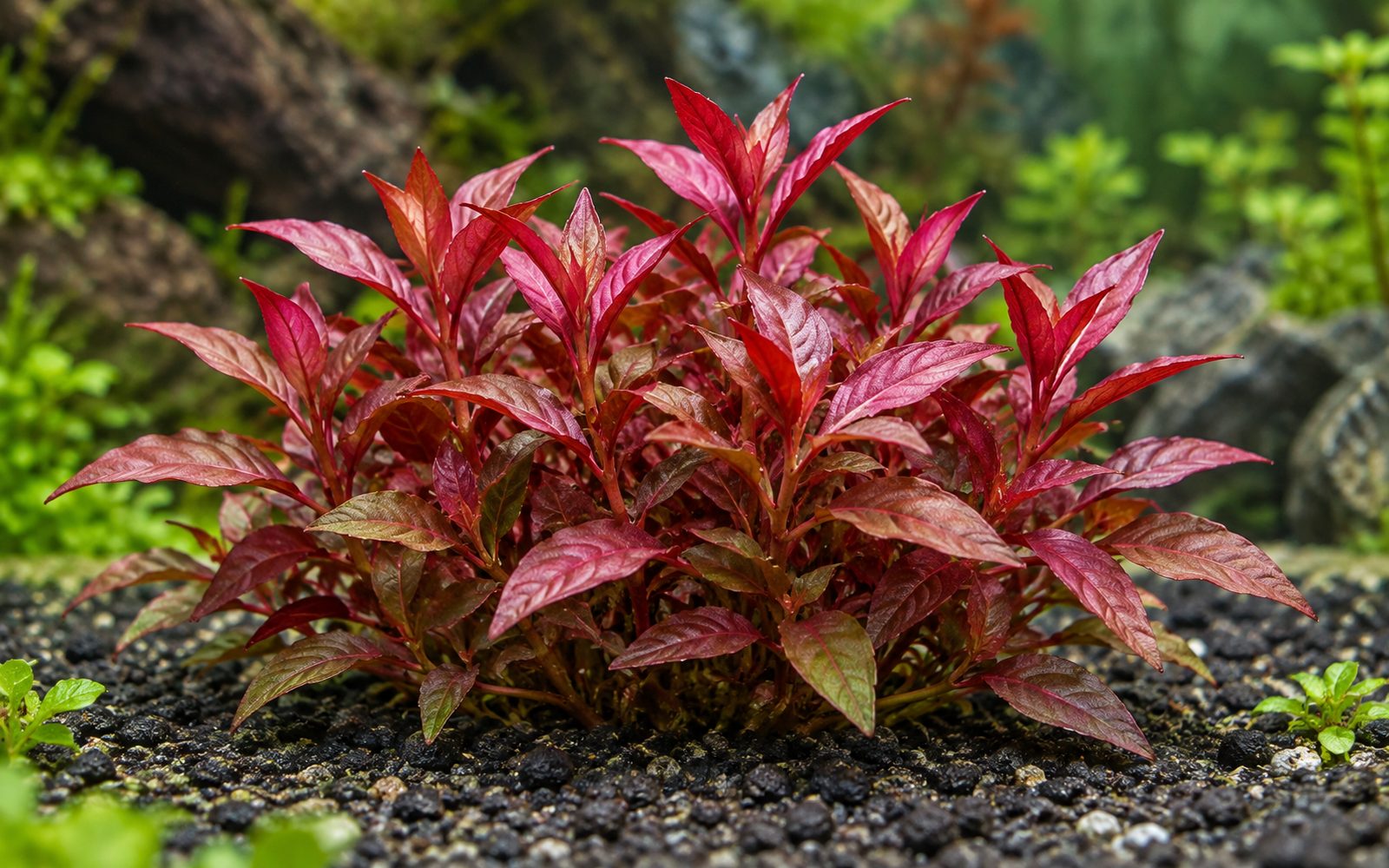 Alternanthera Reineckii 'Mini'
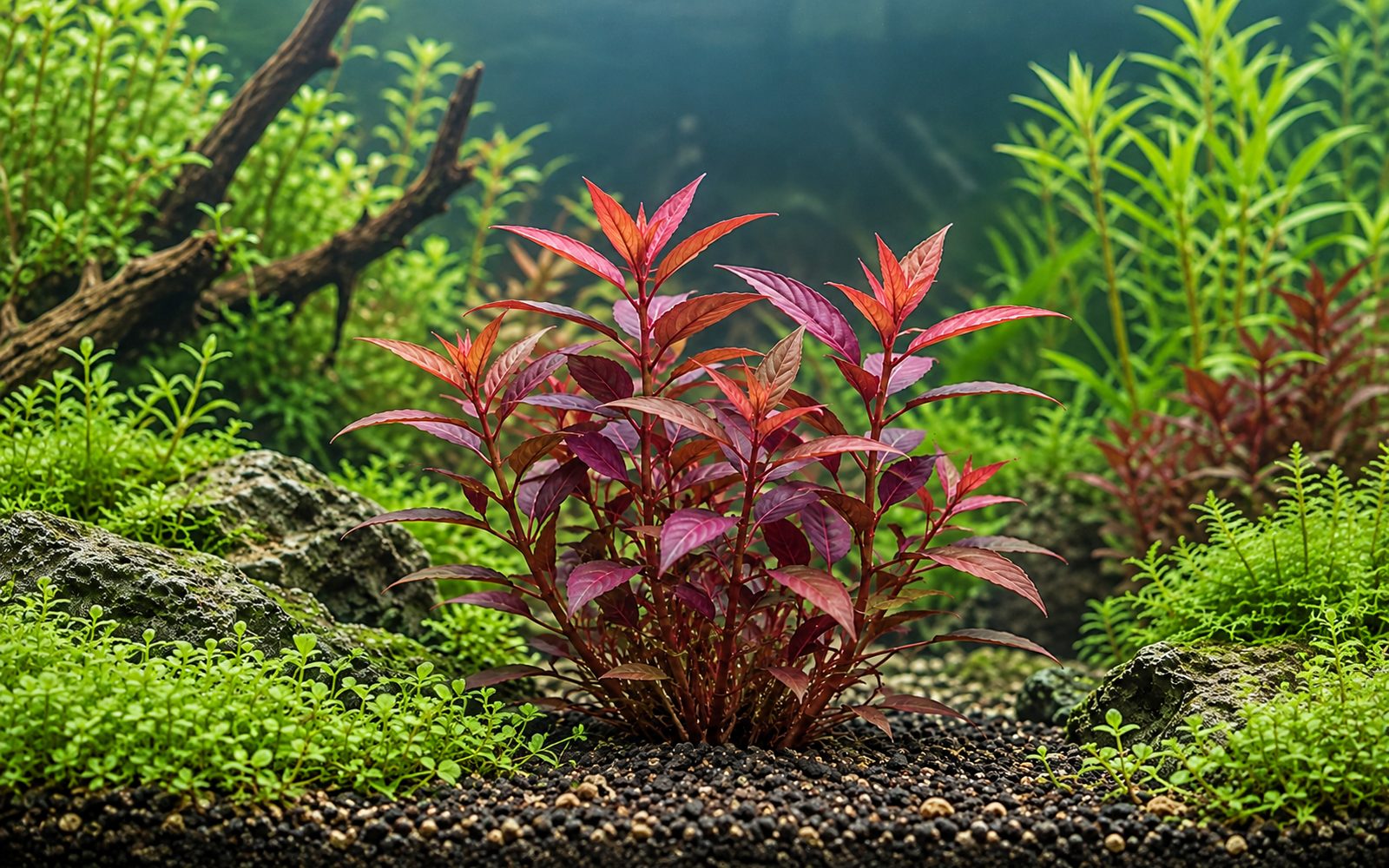 Alternanthera Reineckii
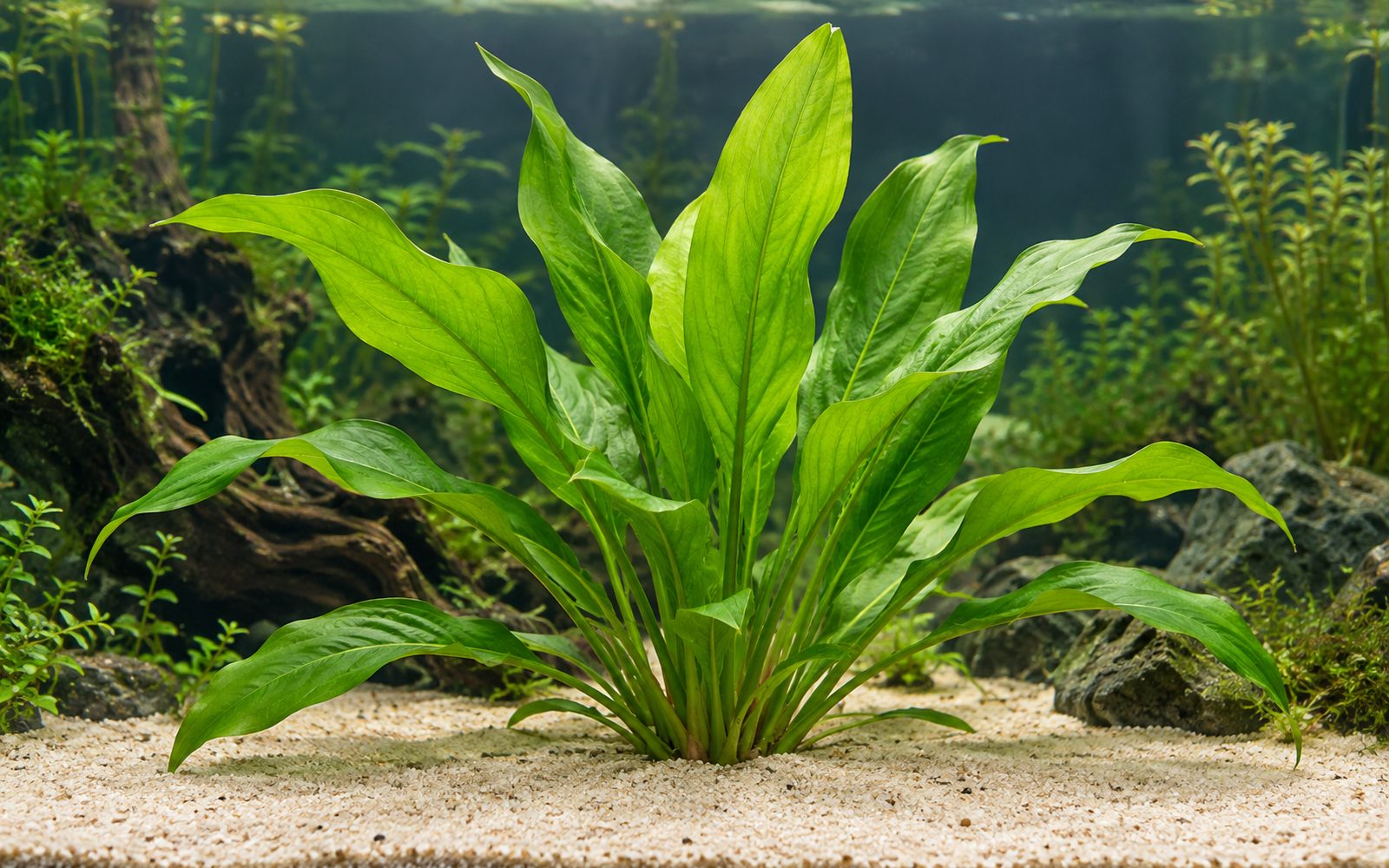 Amazon Sword
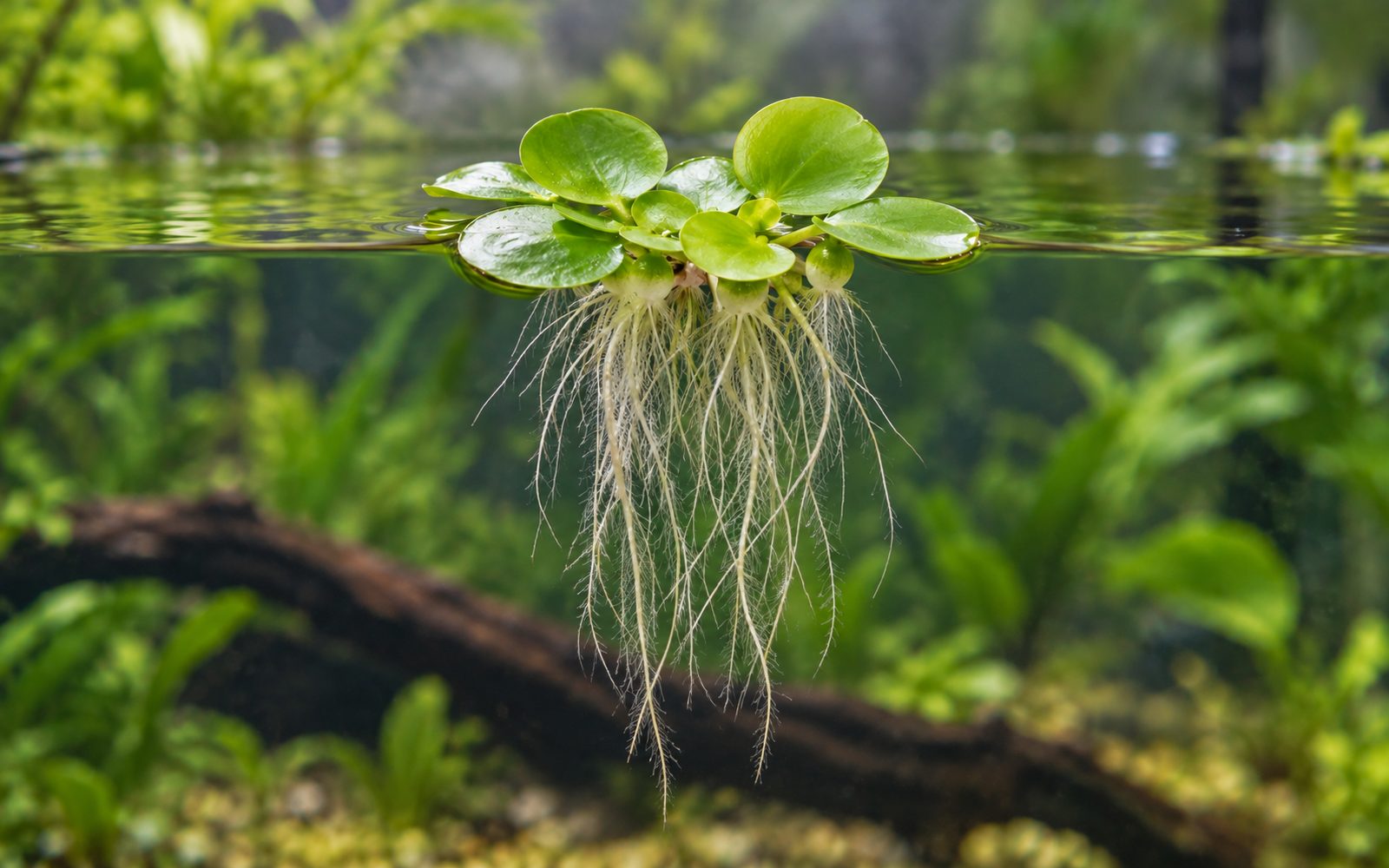 Amazon Frogbit
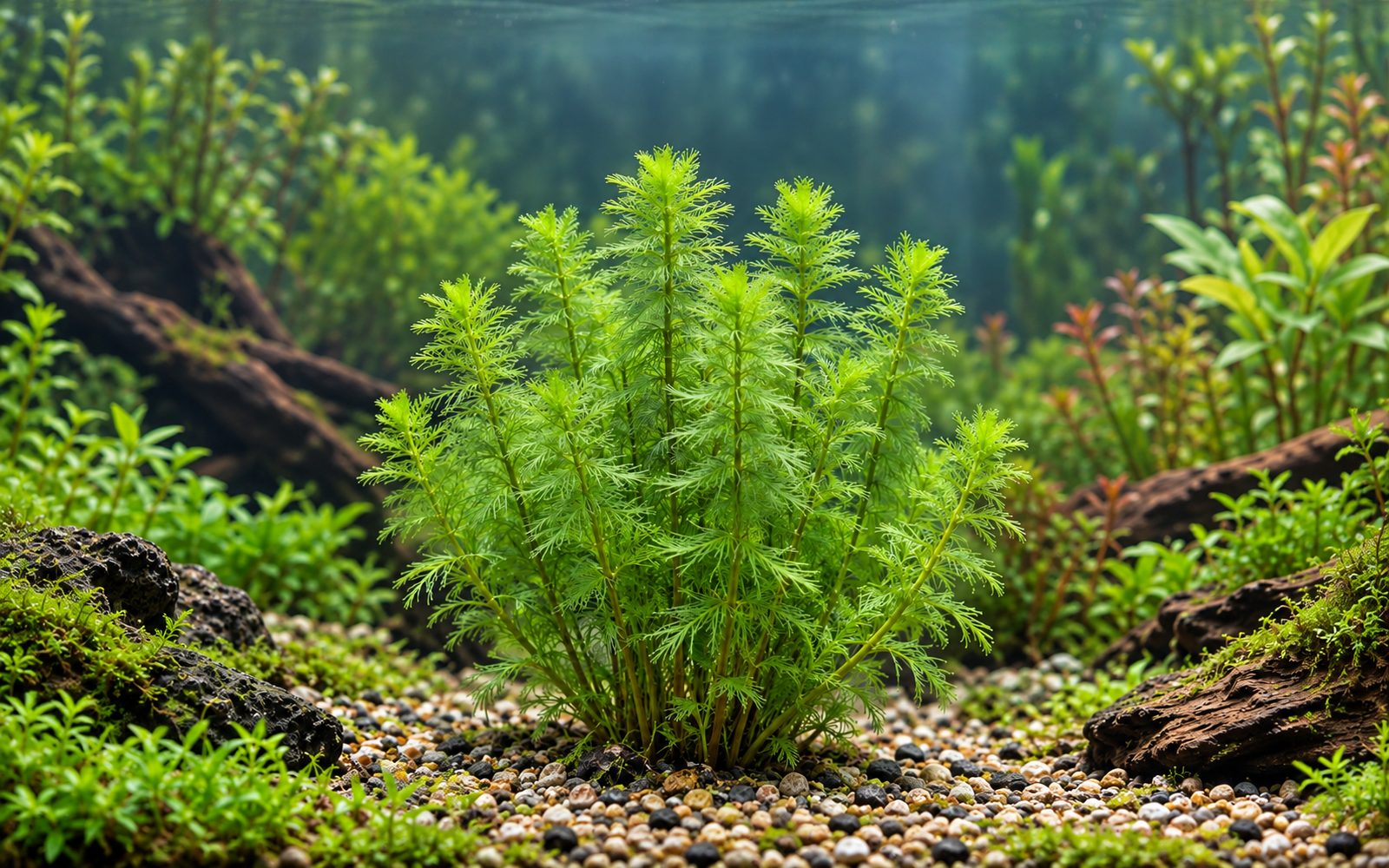 Ambulia
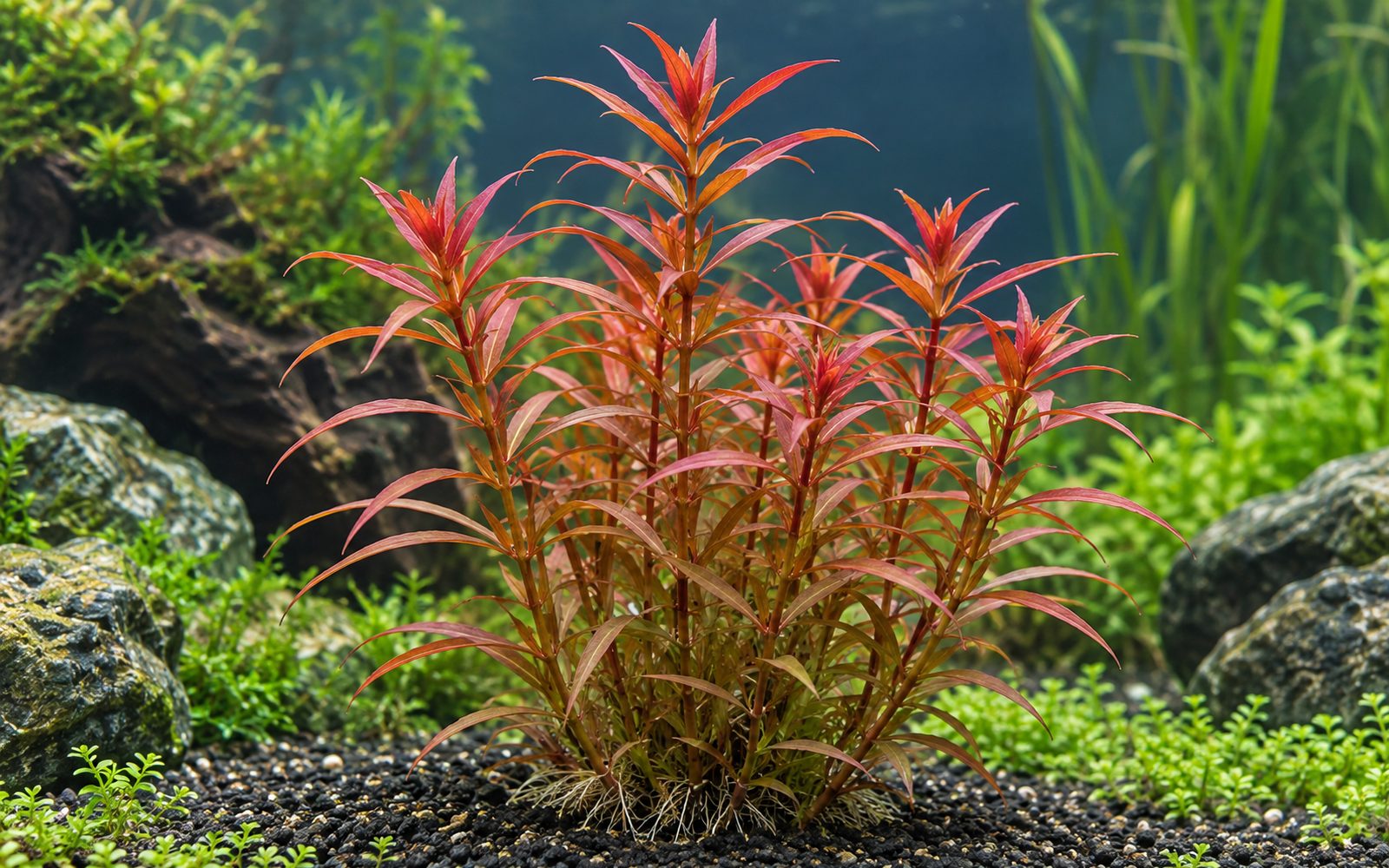 Ammannia Gracilis
Should not be kept together








Hobbyist notes
Things you won't find in books, learned by trial and error. The most helpful ones are on top.
Change history and contributors
- Page created · October 16, 2026