
Water parameters
Overview
The Haddoni carpet anemone is a giant anemone whose wide, flat oral disc folds up at the edges like a saddle, with a surface covered by thousands of short, bead-like tentacles. The disc can reach 30–50 cm in the aquarium and even larger in the wild. Its color may be brown, green, purple or red; pale radiating spots on the tentacles are common. When healthy, its tentacles are as sticky as flypaper and sting powerfully: it is well known for catching and eating fish that bump into it or rest near it at night in the aquarium. In the wild it hosts species such as Clark's, saddleback and sebae clownfish; in the aquarium ocellaris and percula also accept it most of the time. Specimens in the trade are wild-collected.
Tank Setup
- At least 400 liters and a mature, stable reef at least 6–12 months old; a fine sand bed at least 10–12 cm deep. It opens its disc flush with the sand and withdraws into the sand when threatened.
- Salinity 1.024–1.026 specific gravity, pH 8.1–8.4, temperature 24–27°C; strong lighting and moderate flow.
- Pump intakes must be covered; it may get sucked in while moving.
- Reef-safe with caution; it stings nearby corals. Acclimate by the drip method for at least 1 hour; copper-based medications are lethal.
Diet
Carnivorous. In addition to light, it should be fed morsels such as mysis, shrimp, mussel or pieces of fish 1–2 times a week.
Behavior and Compatibility
Once settled in the sand it usually stays put. In a healthy individual the tentacles stick to your hand; losing its stickiness is a sign of decline.
Good companions: Clark's, saddleback, sebae, ocellaris and percula clownfish; anemone shrimp, porcelain crab; fast, medium to large fish.
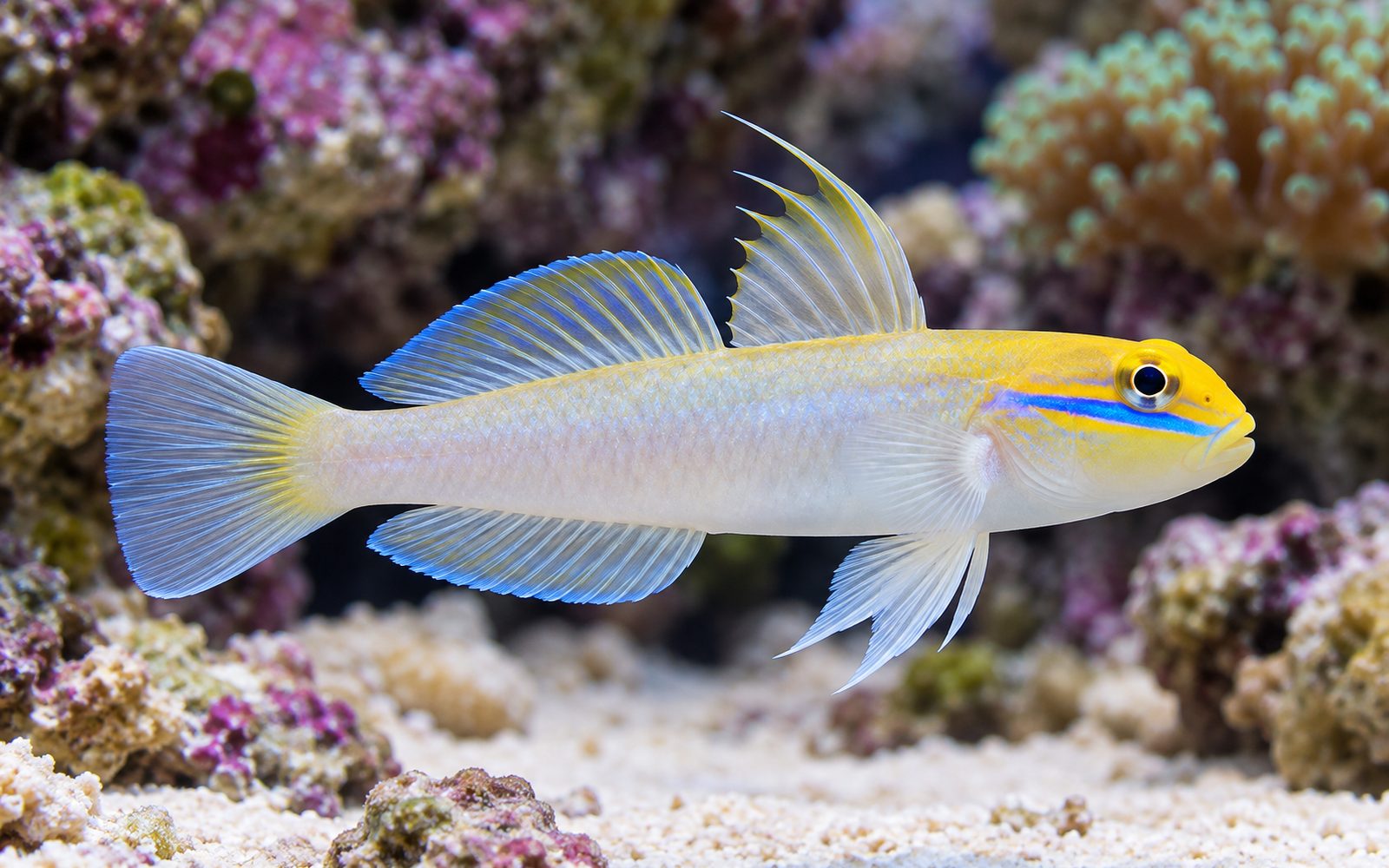
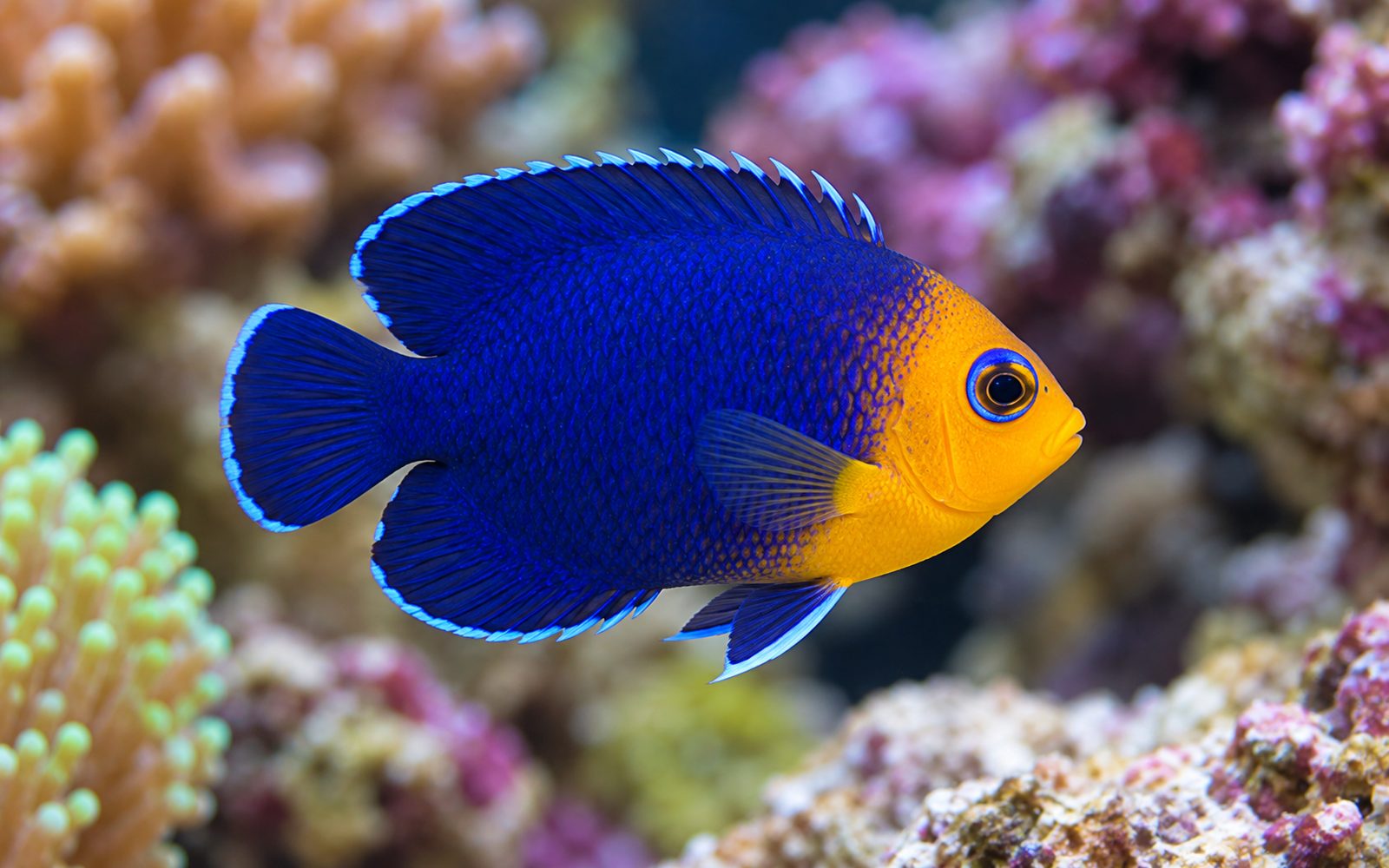
Avoid: gobies, firefish, seahorses and small fish that rest on the bottom; butterflyfish and angelfish that pick at anemones; other anemones.
A short profile for this species
The Haddoni Carpet Anemone page has the basics, but the sections below have not been written yet. If you keep this species, write a section from your own experience; it will be published under your name after editor approval.
Tank mates
This list is calculated automatically from the species profile and grows as new species are added to the catalog. Try it in the planner for a definite answer.
Should not be kept together
Hobbyist notes
Things you won't find in books, learned by trial and error. The most helpful ones are on top.
Change history and contributors
- Page created · October 16, 2026