
Water parameters
Overview
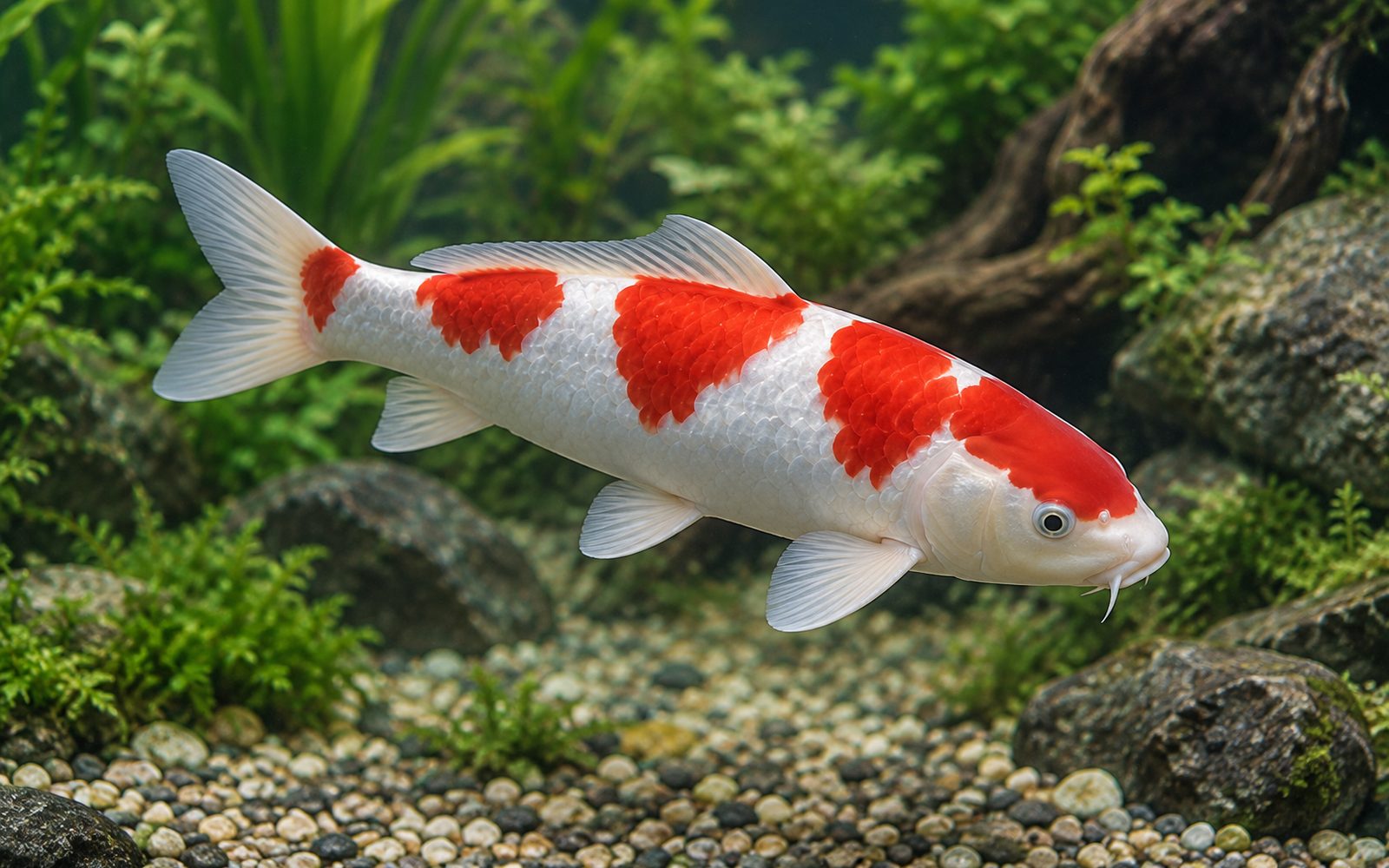
Koi is an ornamental form developed in the 19th century in Japan's Niigata region by selecting colorful individuals from carp kept in rice paddies. Today there are hundreds of pattern varieties, and good specimens sell for high prices. The two pairs of barbels around its mouth distinguish it from the goldfish.
Koi is a pond fish: adults reach 60–90 cm and live 25–35 years with good care. It can be kept in an aquarium only while young and only temporarily. Because it is descended from carp, it must not be released into the wild; carp that get into natural waters harm native species and vegetation.
Color and Fin Varieties
- Kohaku: red patches on a white base; the most classic pattern.
- Taisho Sanshoku (Sanke): red and black patches on a white base.
- Showa Sanshoku (Showa): red and white patches on a black base.
- Tancho: a white body with a single round red spot on the head only.
- Ogon: a single-colored koi with a metallic sheen (gold, platinum, orange).
- Asagi: blue-gray net-patterned scales on the back, red-orange on the sides and at the fin bases.
- Doitsu: a scaleless form, or one with only a row of scales along the back.
- Butterfly koi: a form with long, flowing fins.
Natural Habitat
Its wild ancestor lives in the slow-flowing rivers, lakes and marshes of East Asia. Koi, however, is a human-made form; it has no natural habitat and lives out its life in ornamental ponds.
Tank Setup
- Pond volume: at least 3000–4000 liters for a few koi; a depth of 1–1.5 m. Depth buffers temperature swings in winter and summer.
- Filtration: the biological load is very high; a mechanical + biological pond filter, UV and strong aeration are needed.
- Temperature: grows best at 15–25°C. It can spend the winter at the bottom of a deep pond at around 4°C; stop feeding when the water drops below 10°C.
- Cover and surroundings: it can jump; keep the pond edges high, and a net against cats and birds is recommended.
Diet
Omnivorous. Koi pellets are the staple; easily digested wheat germ foods are preferred in the cool season and high-protein growth foods in the warm season. It also eats fruit, vegetables, worms and insects. It uproots and eats pond plants and hunts small fish, shrimp and snails.
Behavior and Compatibility
Peaceful and social; it quickly gets used to people and becomes tame enough to take food from the hand. It constantly digs through the bottom, so the pond water can become cloudy and plants get uprooted.
Good companions: in a pond, cool-water pond fish such as long-bodied goldfish types (comet, shubunkin), tench, golden orfe and rudd.
Avoid: tropical aquarium fish, small fish that fit in its mouth, slow fancy goldfish types (they fall behind in the competition for food).
Group and Colony Structure
Keep at least 3, ideally 5 or more. Each adult koi needs hundreds of liters of water and powerful filtration; plan the pond capacity not by the number of fish but by their adult size.
Breeding
It breeds on its own in the pond when the water warms in spring. The female scatters her eggs over plants or spawning ropes; the parents eat the eggs. Very few of the offspring of quality parents carry the parents' pattern; breeders cull the fry rigorously.
Health and Common Problems
Koi herpesvirus (KHV) is the most serious disease; it is notifiable in some countries and can wipe out an entire pond. Quarantine new koi in a separate tank for at least 3–4 weeks. Anchor worm, fish lice, gill parasites and bacterial ulcers are also common. Sudden temperature changes and low oxygen weaken the immune system.
Sexing
Seen from above, mature females have a wider, rounder body. Males are slimmer; in the breeding season small white tubercles appear on the pectoral fins and gill covers.
Tank mates
This list is calculated automatically from the species profile and grows as new species are added to the catalog. Try it in the planner for a definite answer.
Usually compatible
 Cryptocoryne Parva
 Weeping Moss
 Flame Moss
 Alternanthera Reineckii 'Mini'
 Alternanthera Reineckii
 Golden Orfe
Hypostomus luteus
Golden Orfe
Hypostomus luteus
 Amazon Sword
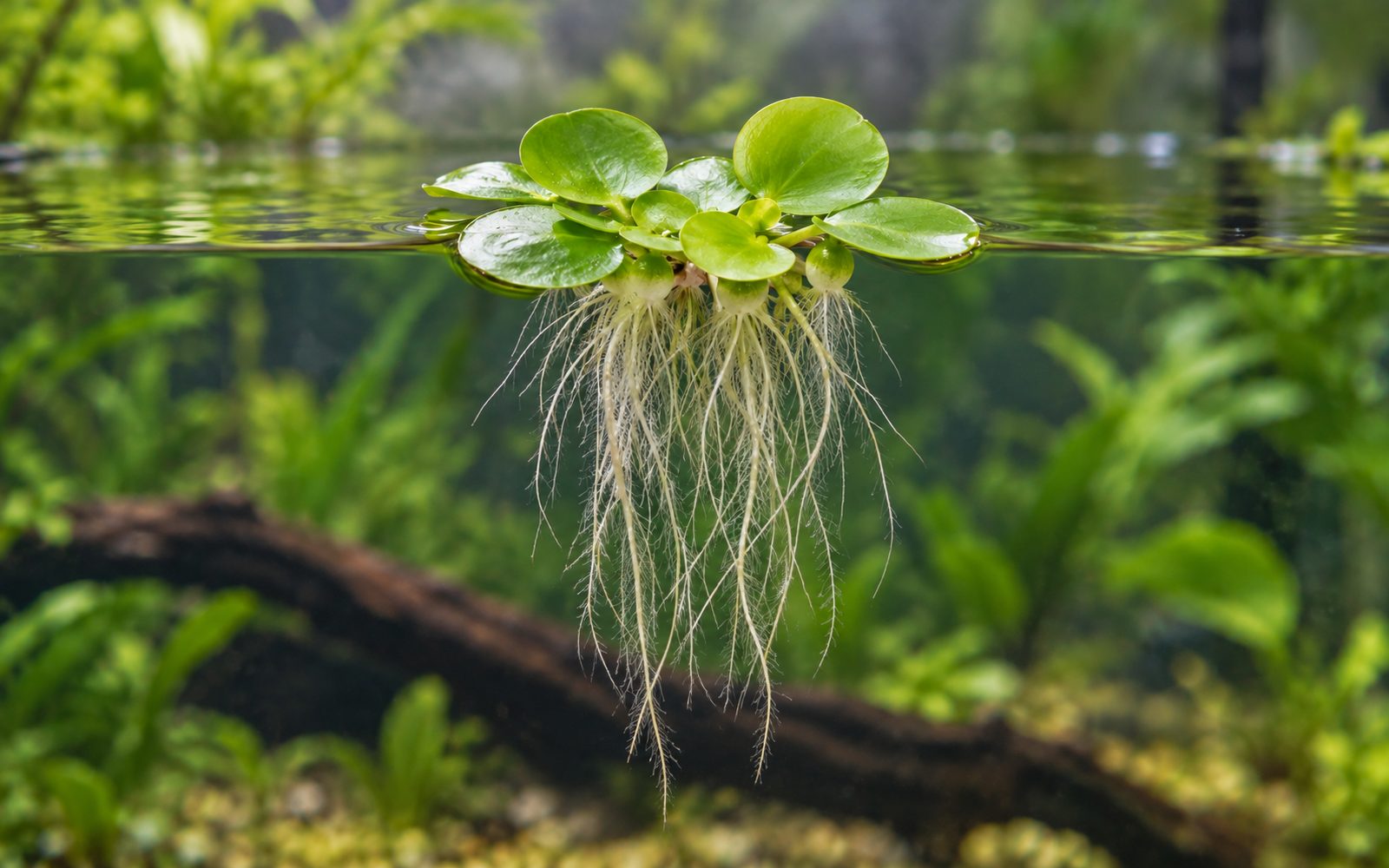 Amazon Frogbit
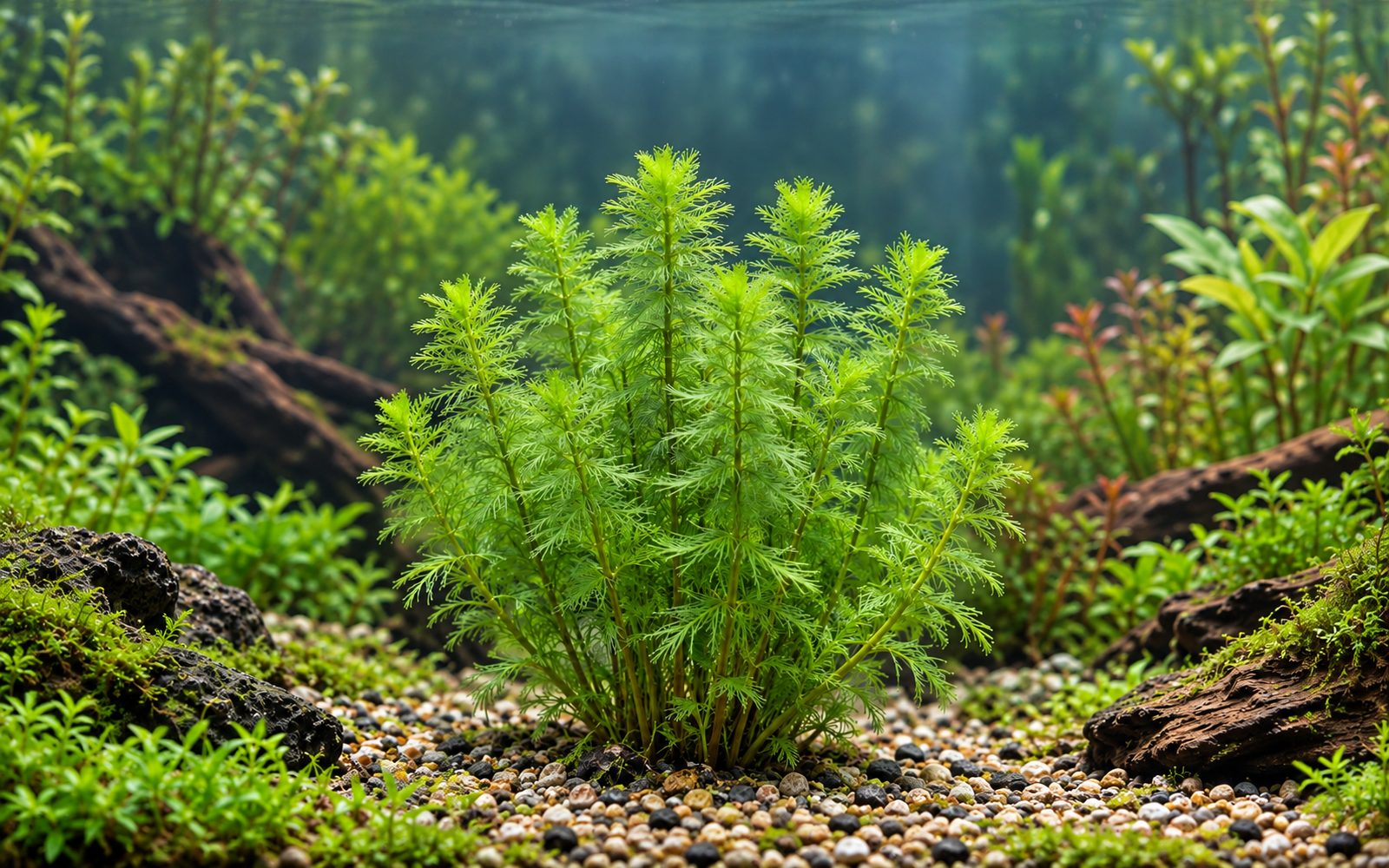 Ambulia
Should not be kept together








Hobbyist notes
Things you won't find in books, learned by trial and error. The most helpful ones are on top.
Change history and contributors
- Page created · October 16, 2026