
Water parameters
Overview
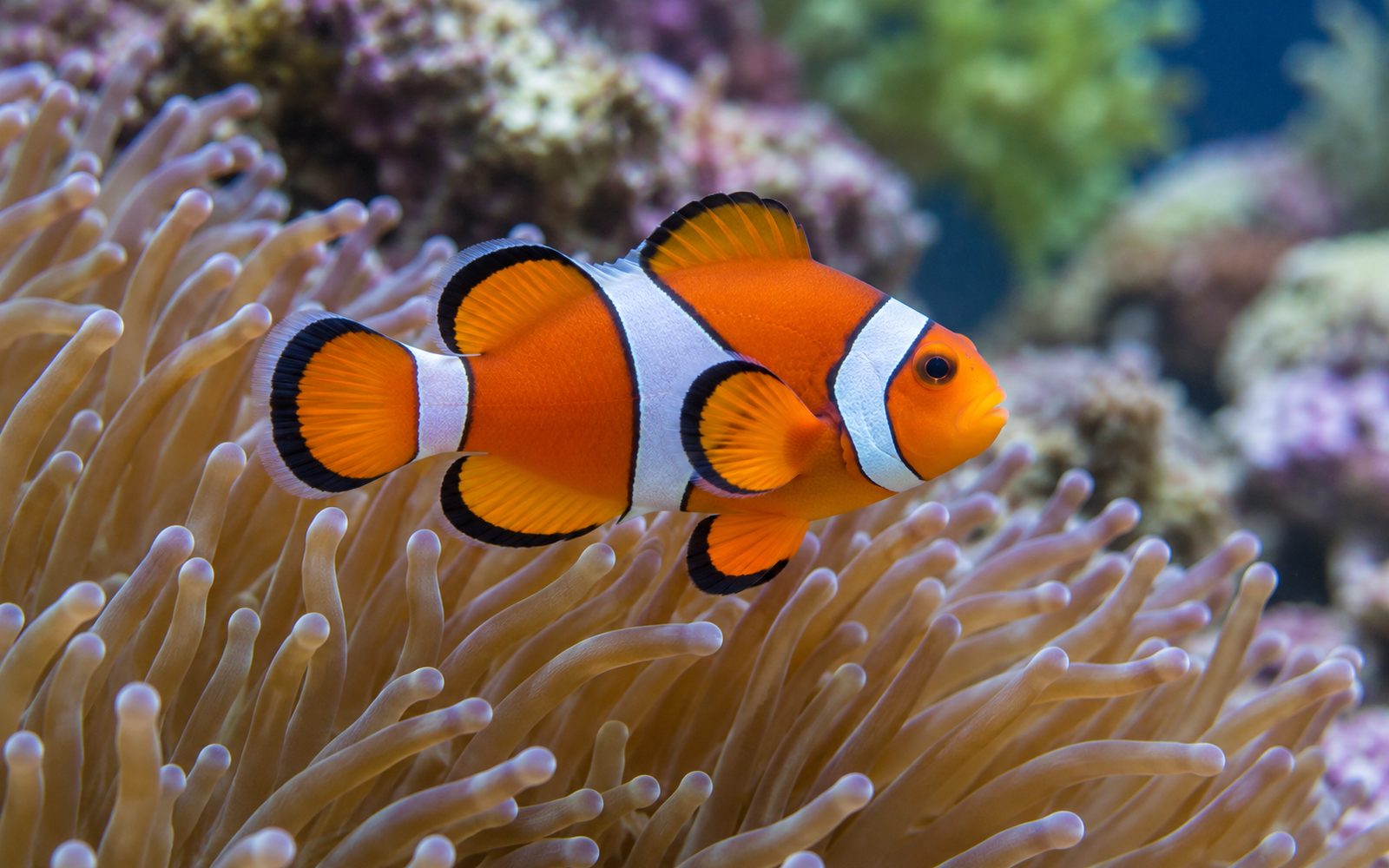
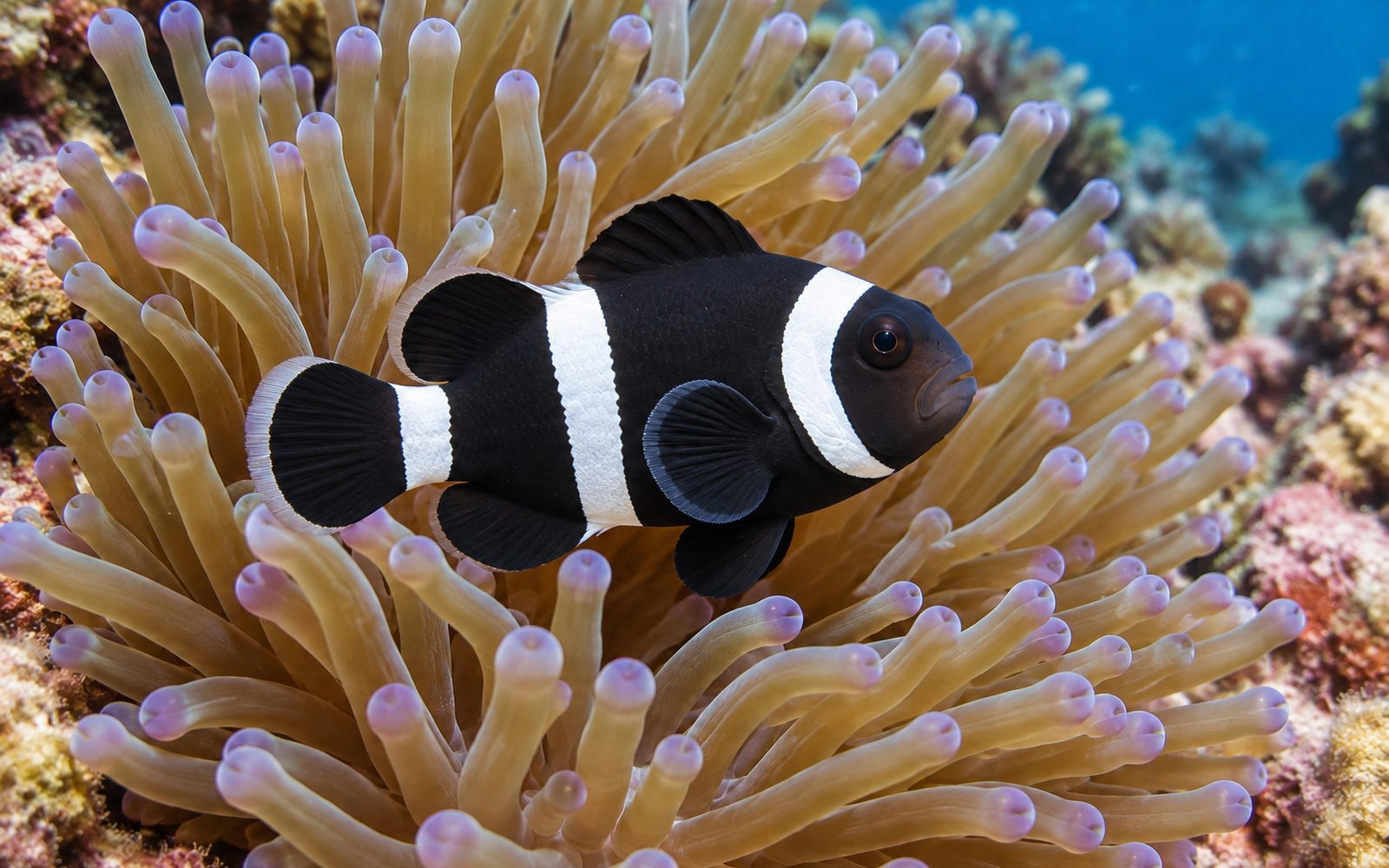
The ocellaris clownfish, with its orange body and three black-edged white bands, is the best-known marine fish. Most of those sold today are bred on farms; captive-bred fish are used to aquarium conditions, resistant to disease and ready to eat dry food. There are also selectively bred forms such as black, "snowflake" and "platinum."
This page is for the saltwater aquarium. It cannot live in a freshwater aquarium.
Color and Fin Varieties
The varieties have not been described yet. Be the first to write it.
Natural Habitat
In the wild it lives on shallow coral reefs and in lagoons, in symbiosis with sea anemones. Thanks to a special mucus layer it is not affected by the anemone's stinging cells; the anemone protects it from predators, and the fish cleans and protects the anemone.
Tank Setup
- Volume: at least 75 liters for a pair; as a reef aquarium, 100 liters or more is more stable.
- Water: salinity 1.023–1.026 specific gravity (about 35 ppt), pH 8.0–8.4, temperature 24–27°C. Ammonia and nitrite must be zero and nitrate kept low.
- Cycling: no fish is added until a cycle of at least 4–6 weeks with live rock and bacteria is complete.
- Anemone not required: it lives healthily in the aquarium without an anemone. Anemones (e.g. Heteractis magnifica, Entacmaea quadricolor) need strong light and experience; they are not recommended for beginners.
Diet
Omnivorous. Marine fish granules or flakes, frozen mysis and brine shrimp, and occasionally foods containing seaweed. Small amounts twice a day.
Behavior and Compatibility
Pairs defend their territory (an anemone, a coral or a rock corner); they may even try to bite a keeper who puts a hand in the aquarium. Keep a single pair per aquarium; except in large aquariums, more than one pair or other clownfish species lead to fighting.
Good companions: reef-safe, peaceful marine fish (gobies, Banggai cardinalfish, blennies), cleaner shrimp, corals.
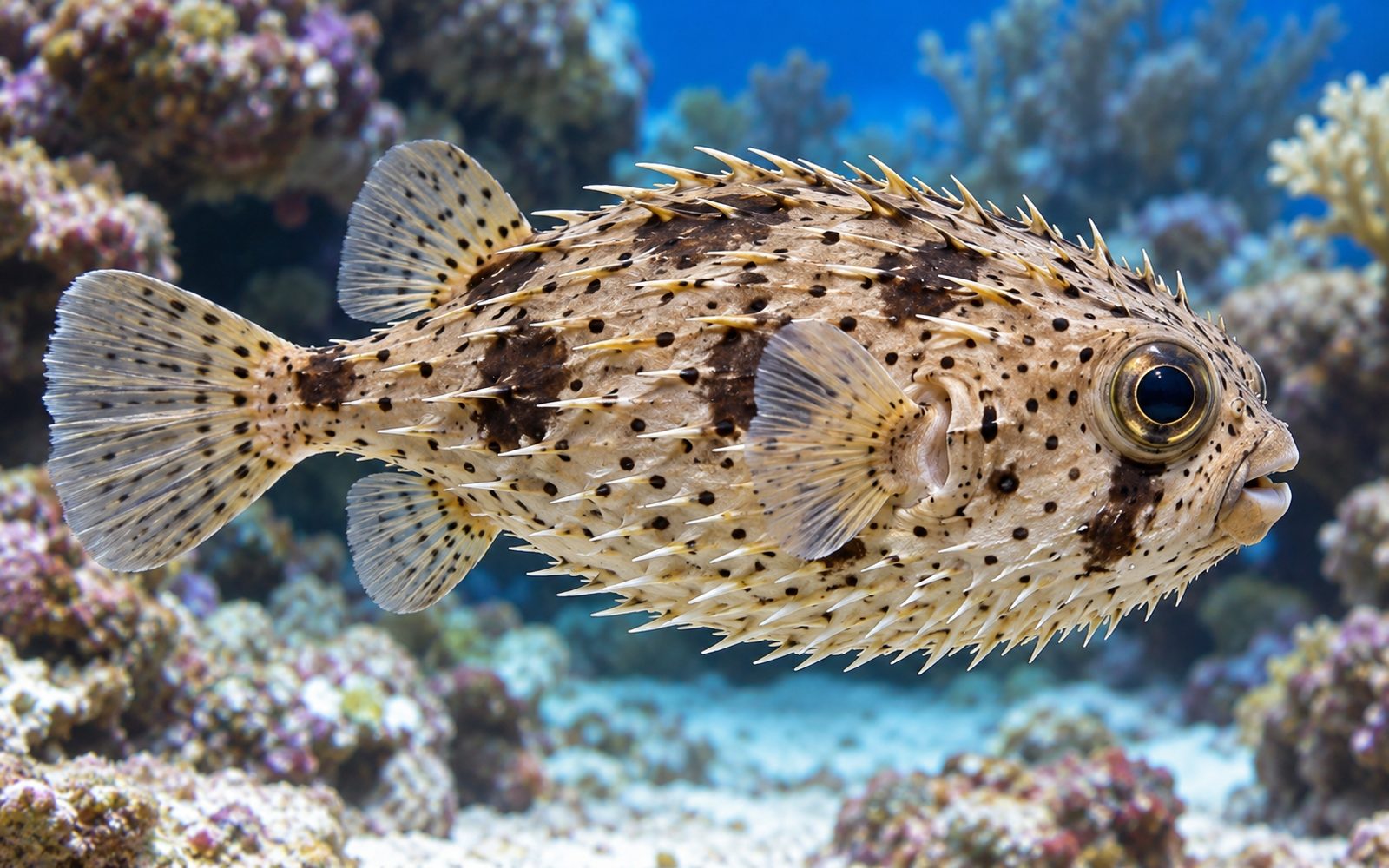
Avoid: all freshwater animals; lionfish and large predators; aggressive damselfish.
Group and Colony Structure
Clownfish are kept as pairs. Because they determine their sex later in life, when two juveniles are bought together, the one that grows larger becomes the female and the one that stays smaller becomes the male, and the pair forms on its own.
Adding a third fish usually leads to fighting; except in very large aquariums, there is a single pair per aquarium. Two fish of different sizes pair up more easily than two adults of the same size.
Breeding
Clownfish are born male (protandrous hermaphrodites). The largest and most dominant fish in the group becomes the female, and the second largest becomes the breeding male. This is why a pair forms over time when two juveniles are bought together.
The pair lays 100–1000 orange eggs at the base of the anemone or rock, and the male guards them for 7–10 days. During the planktonic stage the fry are fed rotifers; breeding in the aquarium is possible but requires a separate rearing setup.
Health and Common Problems
- Brooklynella ("clownfish disease"): common in wild-caught fish; excessive mucus, peeling skin, rapid breathing. It progresses quickly.
- Velvet (Amyloodinium) and marine white spot (Cryptocaryon): quarantining new fish is the best protection.
- Captive-bred fish are markedly more resistant to these diseases.
Sexing
The female is the clearly larger fish of the pair. All juveniles are male; sex is determined by position within the group.
Tank mates
This list is calculated automatically from the species profile and grows as new species are added to the catalog. Try it in the planner for a definite answer.
Usually compatible
Should not be kept together



Hobbyist notes
Things you won't find in books, learned by trial and error. The most helpful ones are on top.
Change history and contributors
- Page created · October 16, 2026