
Water parameters
Overview
The green brittle star is one of the largest brittle stars kept in marine aquariums. Its central disc can exceed 5 cm; with its arms spread it covers an area of 30–50 cm. Its body is bright green, and its arms are decorated with green and pale yellowish bands; rows of short spines line the edges of the arms. Unlike sea stars, it moves quickly by curling its arms like a snake.
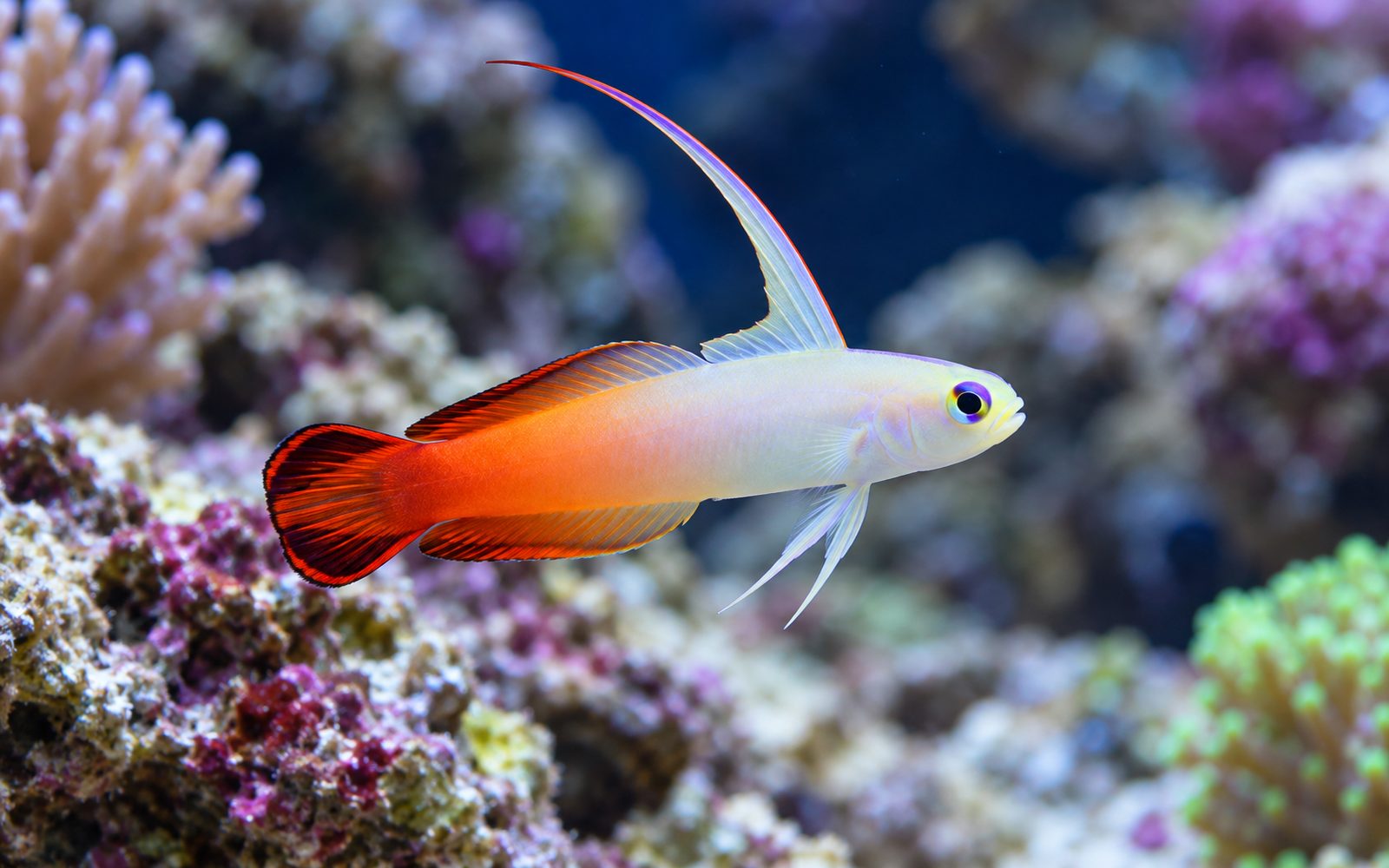
Because it is a hardy, hungry scavenger, it is often sold as a member of the cleanup crew; however, it has an important difference from other brittle stars: it hides under a rock with its arms stretched out and catches small fish that come near or sleep close to the bottom at night by wrapping its arms around them. Gobies, blennies, firefish, cardinalfish and small shrimp are therefore at risk. Specimens in the trade are wild-collected.
Natural Habitat
It lives on shallow reefs and in lagoons from the Indian Ocean to the Western Pacific, under rocks, among coral rubble and in holes. During the day it keeps its disc hidden, leaving only the arm tips outside; it comes out at night and when it smells food.
Tank Setup
- Volume: at least 200 liters; rock caves it can fit completely under and a sandy area.
- Water: salinity 1.023–1.026 specific gravity, pH 8.1–8.4, temperature 24–27°C; nitrate should be low and salinity stable.
- Reef compatibility: It does not harm corals, but because of small fish and shrimp it can be kept in a reef only with carefully chosen tankmates.
- Pump protection: its long arms can slip into filter and pump intakes; the intakes should be covered with sponges.
- Acclimation and medication: Acclimate by the drip method for at least 2 hours; copper-based medications are lethal.
Diet
A carnivorous scavenger. It is not satisfied with leftover food and detritus alone; mysis, chopped shrimp, mussel or pieces of fish should be placed directly on its arm tips 2–3 times a week. The arm carries the food to the mouth under the disc. A well-fed individual is less inclined to hunt fish, but this behavior never disappears completely.
Behavior and Compatibility
As it gets used to the aquarium it loses its shyness and comes out of its cave at feeding time. It usually does not fight with its own kind, but two large individuals need a very large aquarium.
Good companions: medium to large tangs, dwarf angelfish, large clownfish, damselfish; large snails, hermit crabs, sea urchins.
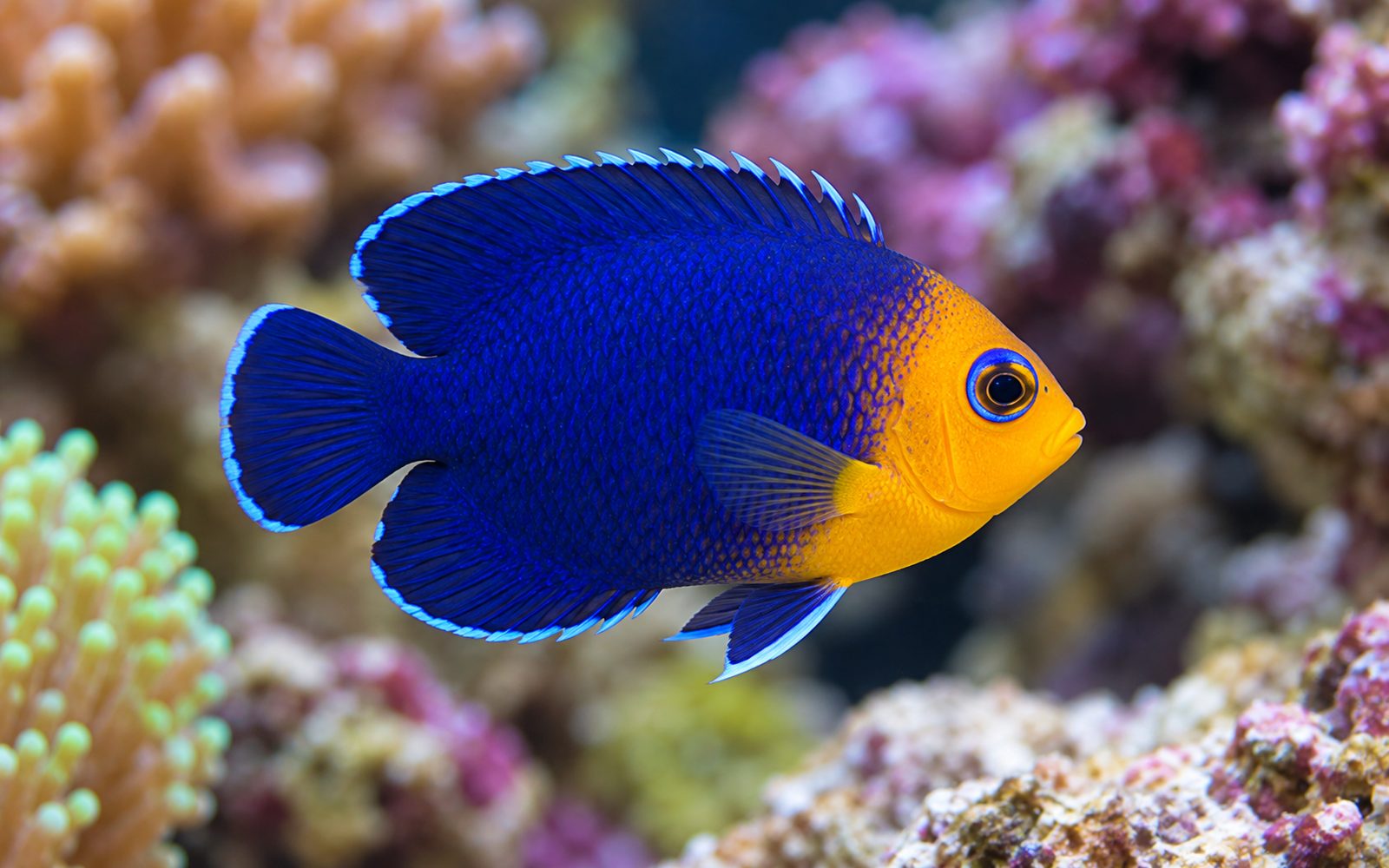
Avoid: small or slow fish such as gobies, blennies, firefish, cardinalfish and seahorses; cleaner and dwarf shrimp; triggerfish and pufferfish.
Group and Colony Structure
Kept singly. A single individual in the aquarium both does enough scavenging and does not have to share food with anyone.
Breeding
The sexes are separate; it releases eggs and sperm into the water and the larvae develop in the plankton. It is not bred in home aquariums.
Health and Common Problems
- Lost arms: arms break off easily but regenerate over time; it should not be handled.
- Melting: with sudden changes in salinity or temperature, tissue loss may be seen on the arms; values should be kept stable.
- Starvation: a thinning disc and weakening arms are signs of underfeeding.
Sexing
Males and females cannot be told apart externally.
Tank mates
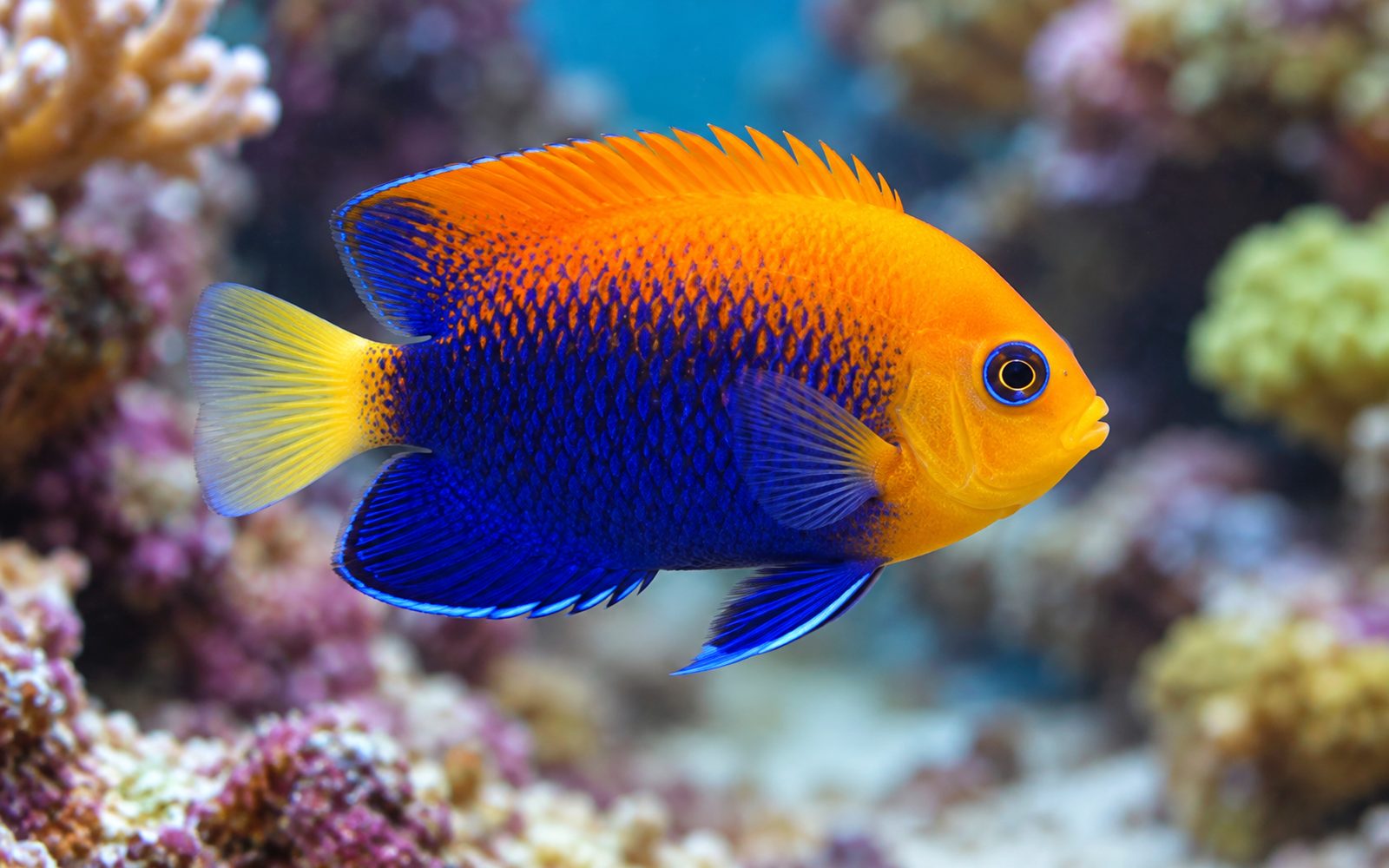
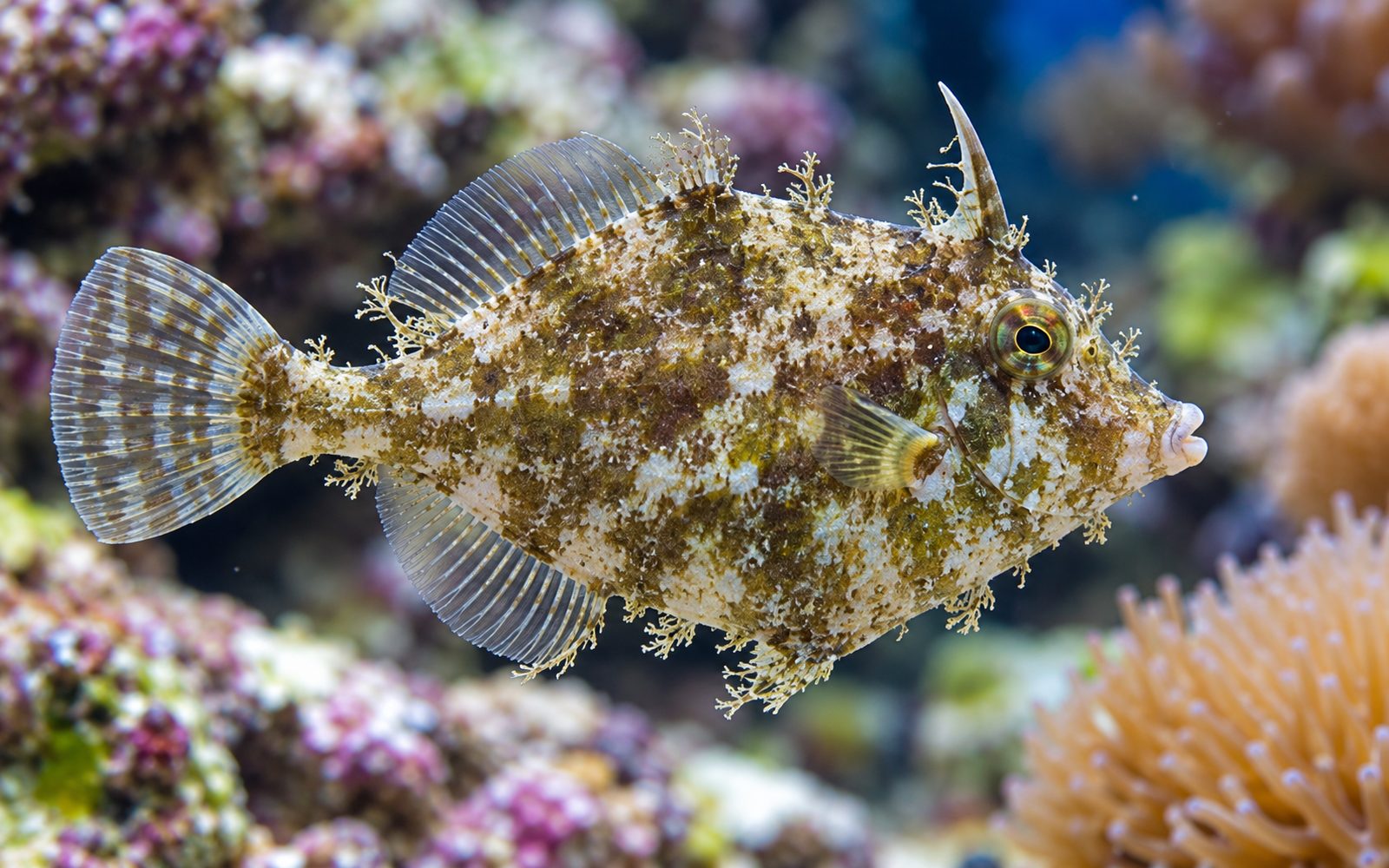
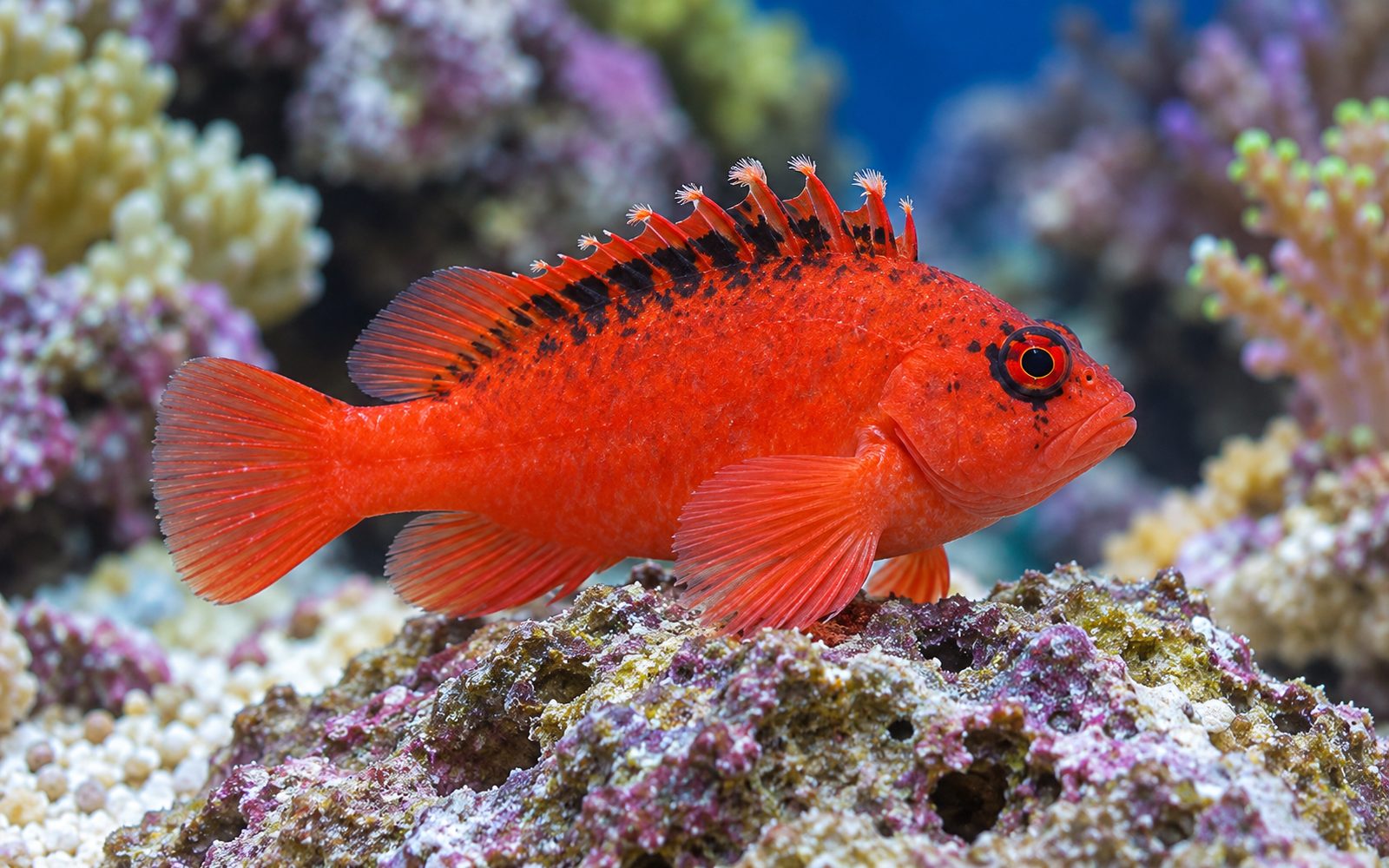
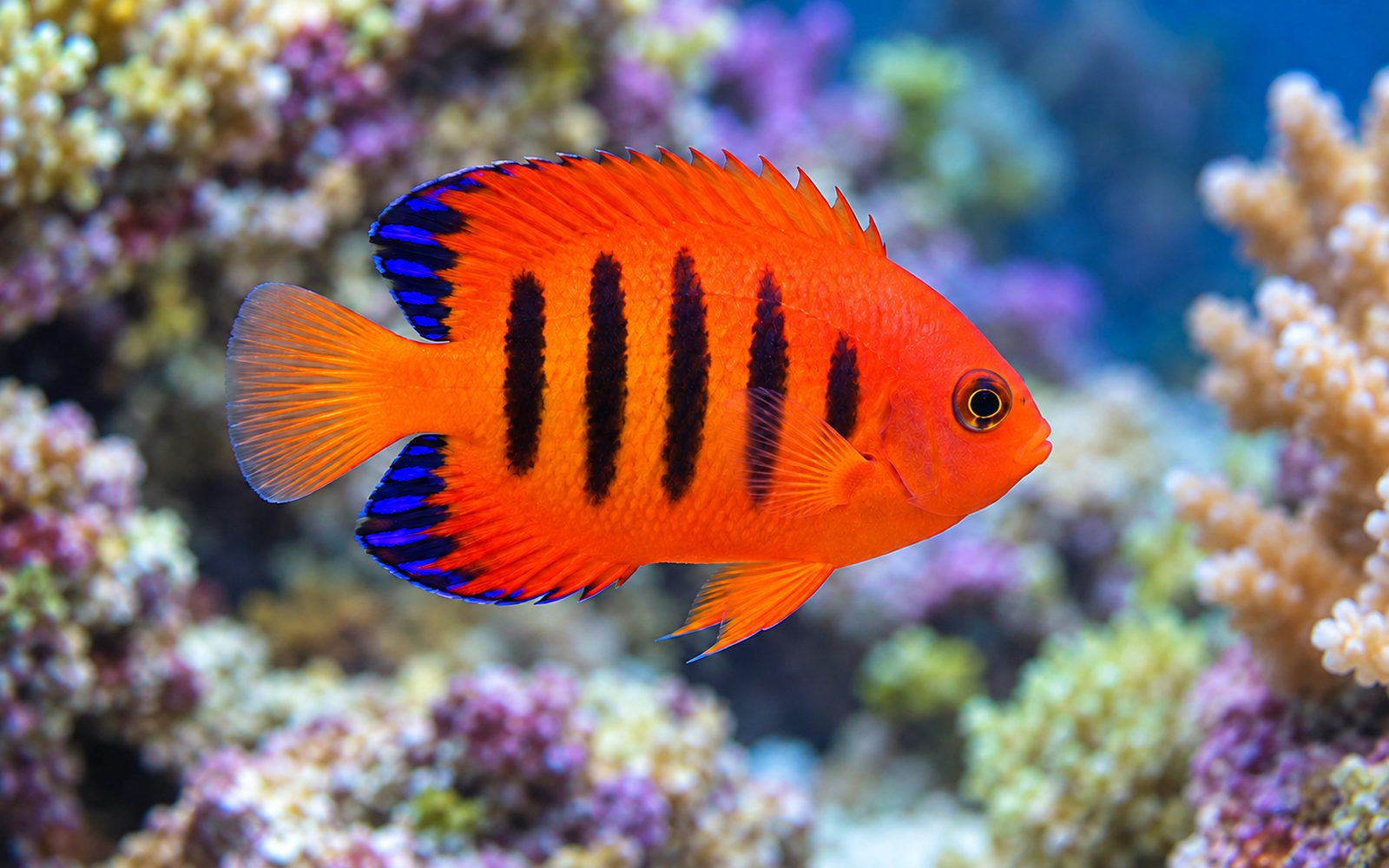
This list is calculated automatically from the species profile and grows as new species are added to the catalog. Try it in the planner for a definite answer.
Should not be kept together

Hobbyist notes
Things you won't find in books, learned by trial and error. The most helpful ones are on top.
Change history and contributors
- Page created · October 16, 2026