
Water parameters
Overview
Petrochromis trewavasae is a member of the genus Petrochromis, which feeds by combing the algae layer off rock surfaces with the many small teeth in its mouth. Its dark brown-black body is covered with dense, light-colored spots; the upper and lower tips of its tail lengthen with age. It reaches about 15 cm. It is larger, stronger and usually more quarrelsome than Tropheus, and it is intolerant of its own species and of fish with a similar diet. For this reason it is kept only in large aquariums, in a large harem.
Tank Setup
- At least 450 liters and 180 cm of length for one male and 4–6 females.
- Plenty of rocks that break lines of sight and wide, well-lit rock surfaces.
- pH 8–9, hard and stable water; a 30% water change every week, high oxygen.
- No plants are kept; they get eaten or uprooted.
Diet
Herbivorous. Low-protein food based on spirulina and vegetables is given in small, frequent portions. Carnivorous foods and bloodworms cause bloat.
Behavior and Compatibility
It defends its territory fiercely; weaker individuals are chased constantly. The female is a mouthbrooder and produces a small number of large fry.
Good companions: in a large tank, Cyprichromis and Synodontis catfish; with enough space, large groups of Tropheus.
Avoid: small and calm Tanganyika species, shell dwellers, long-finned species, shrimp and plants.
A short profile for this species
The Petrochromis trewavasae page has the basics, but the sections below have not been written yet. If you keep this species, write a section from your own experience; it will be published under your name after editor approval.
Tank mates
This list is calculated automatically from the species profile and grows as new species are added to the catalog. Try it in the planner for a definite answer.
Usually compatible
 Demasoni Cichlid
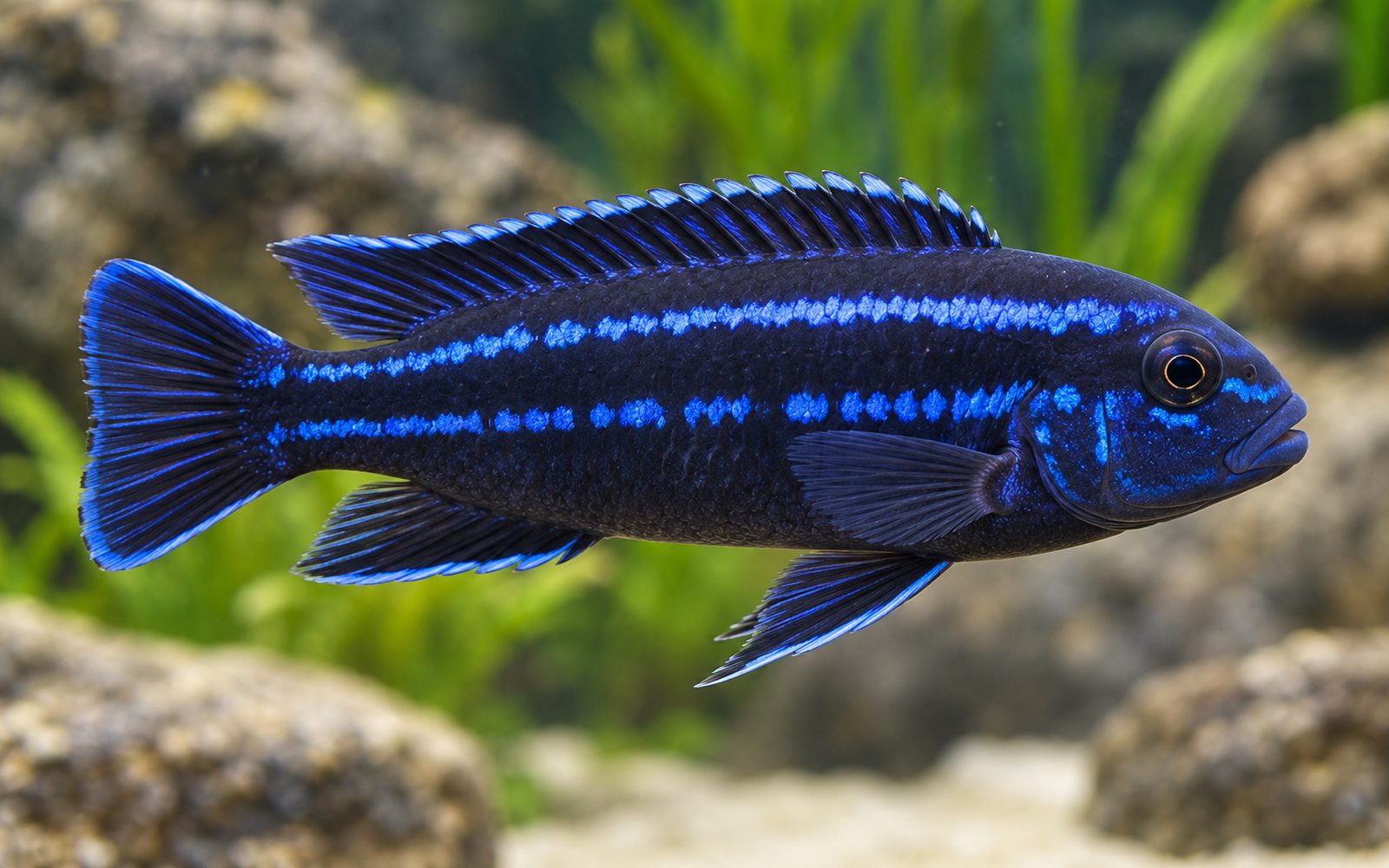 Johanni Cichlid
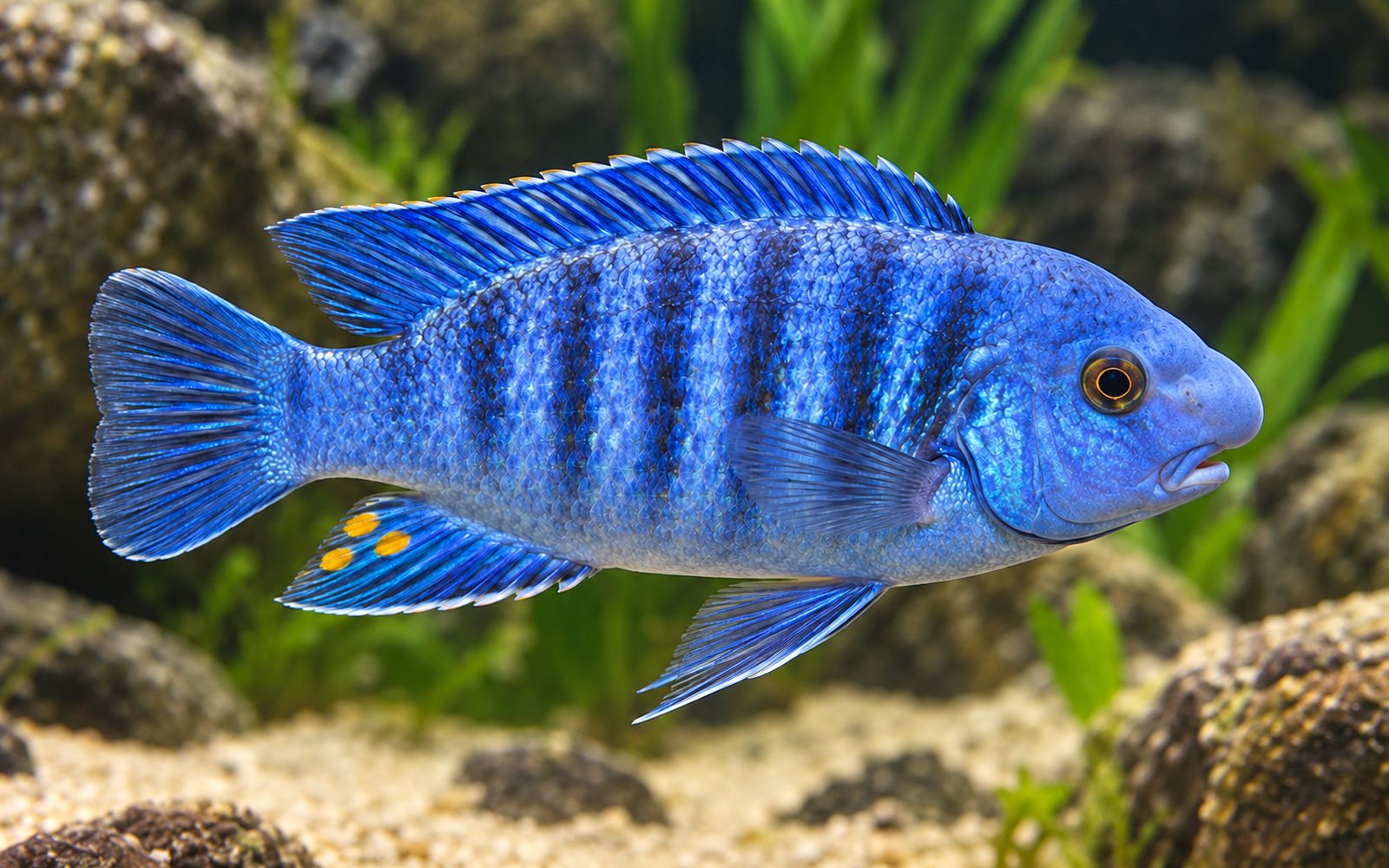 Labeotropheus fuelleborni
 Pundamilia nyererei
 Pundamilia pundamilia
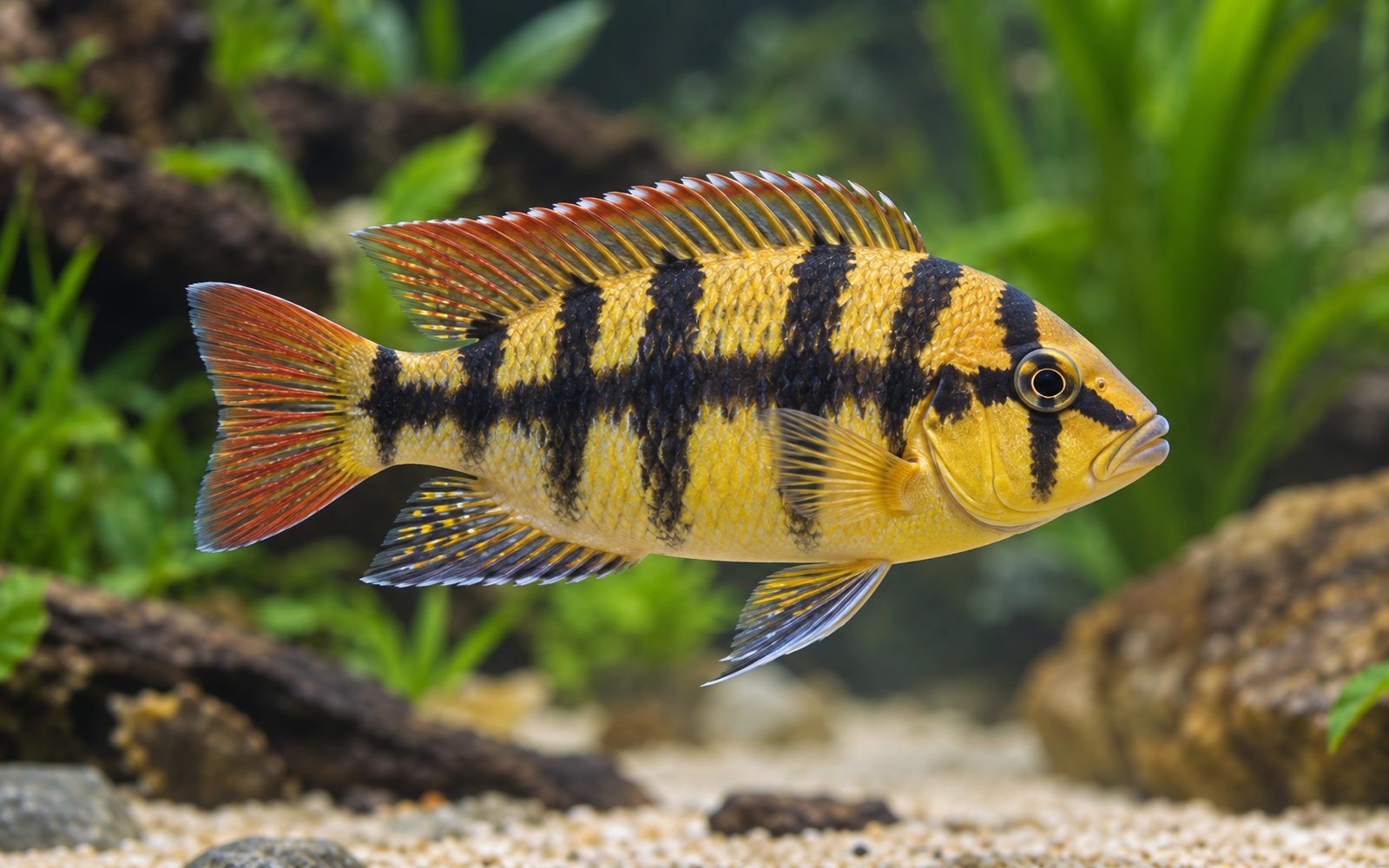 Zebra Obliquidens
Burton's Mouthbrooder
Zebra Obliquidens
Burton's Mouthbrooder
 Auratus Cichlid
 Bumblebee Cichlid
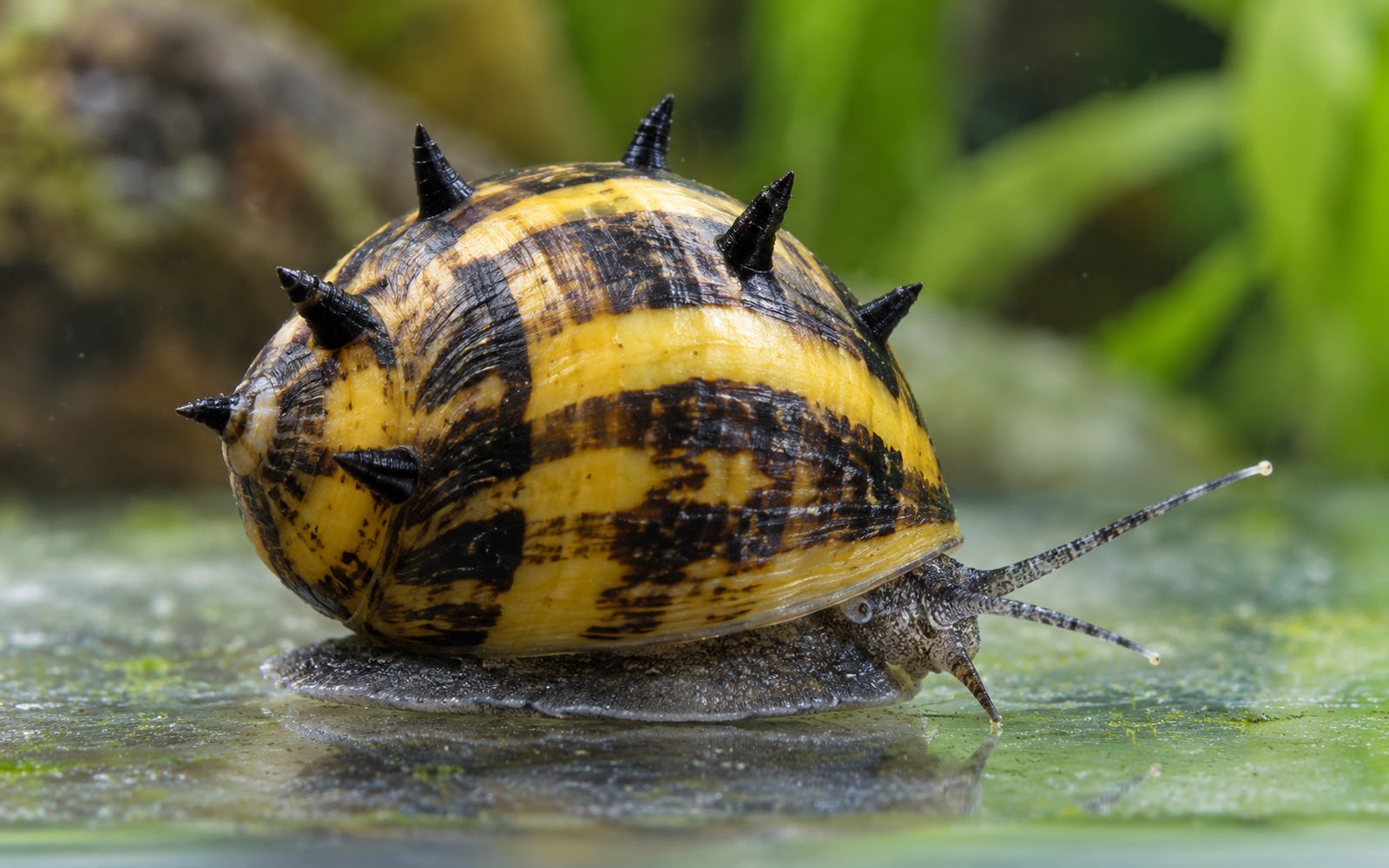 Horned Nerite Snail
Should not be kept together








Hobbyist notes
Things you won't find in books, learned by trial and error. The most helpful ones are on top.
Change history and contributors
- Page created · October 16, 2026