
Water parameters
Overview
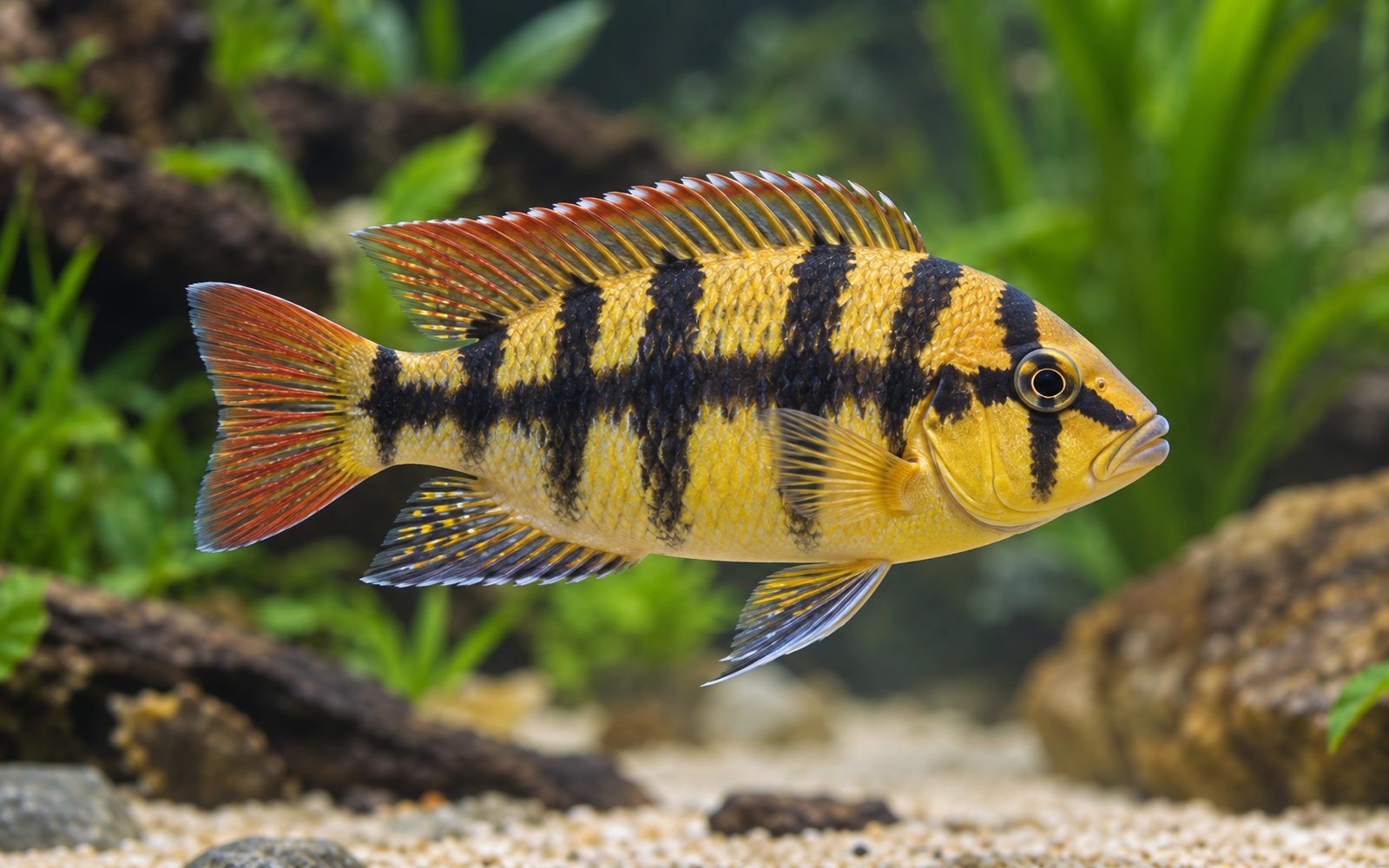
Astatotilapia burtoni is a haplochromine cichlid living along the shallow, vegetated shores of Lake Tanganyika and at the mouths of the rivers flowing into the lake. Dominant males carry a black line running through the eye on a yellow or blue background, a red shoulder spot behind the gill cover and yellow-orange egg spots on the anal fin; females are a plain gray-brown. The way males change color and behavior according to their place in the social hierarchy has made this species a favorite model for neuroscience and behavioral research. It adapts to a wide range of water parameters and is very hardy.
Tank Setup
- At least 150 liters and a length of 100–120 cm for one male and 3–4 females.
- Rock groups and decor that breaks lines of sight; a sandy area.
- Hard, alkaline water (pH 7.5–8.8); a 25–30% water change every week.
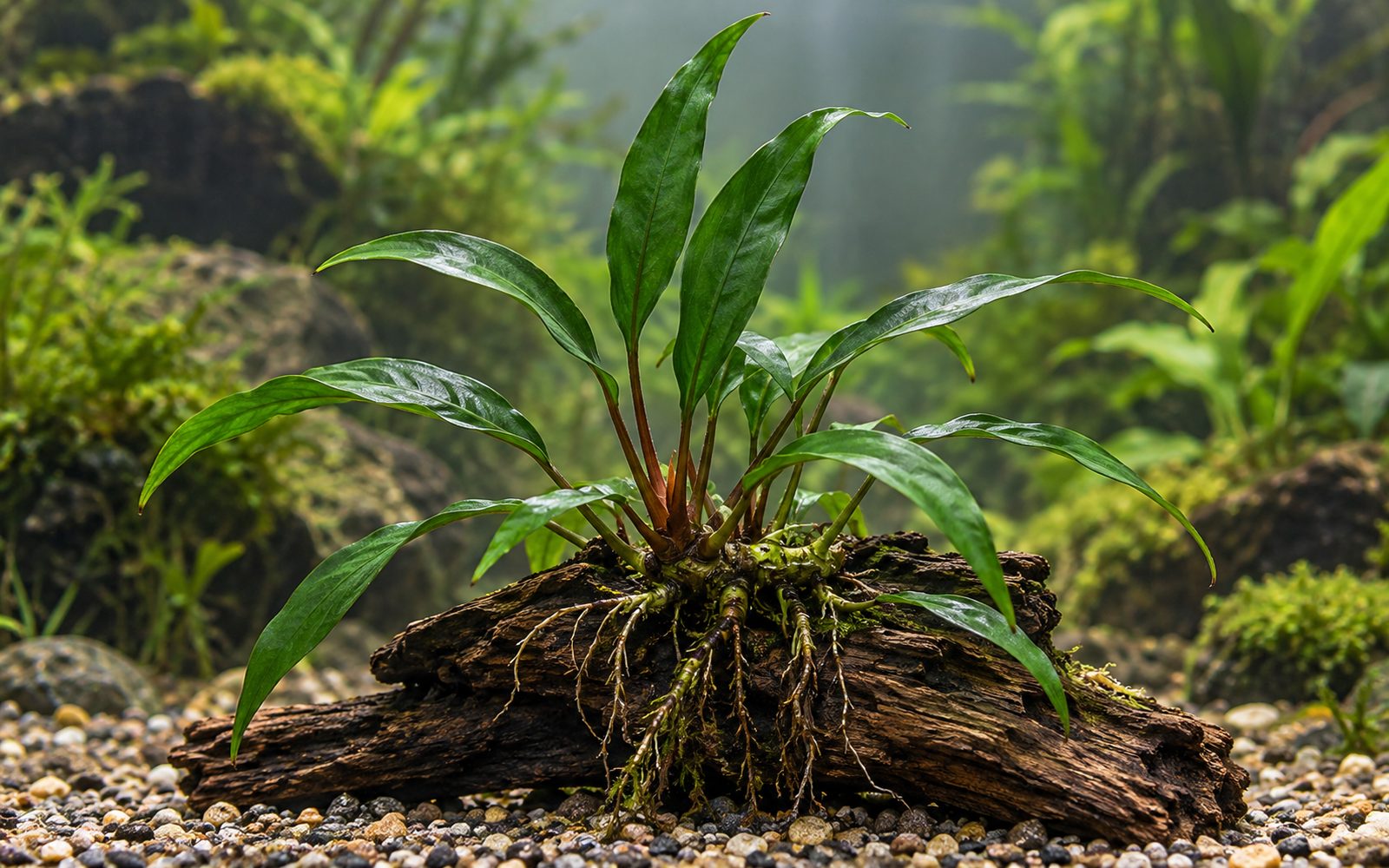
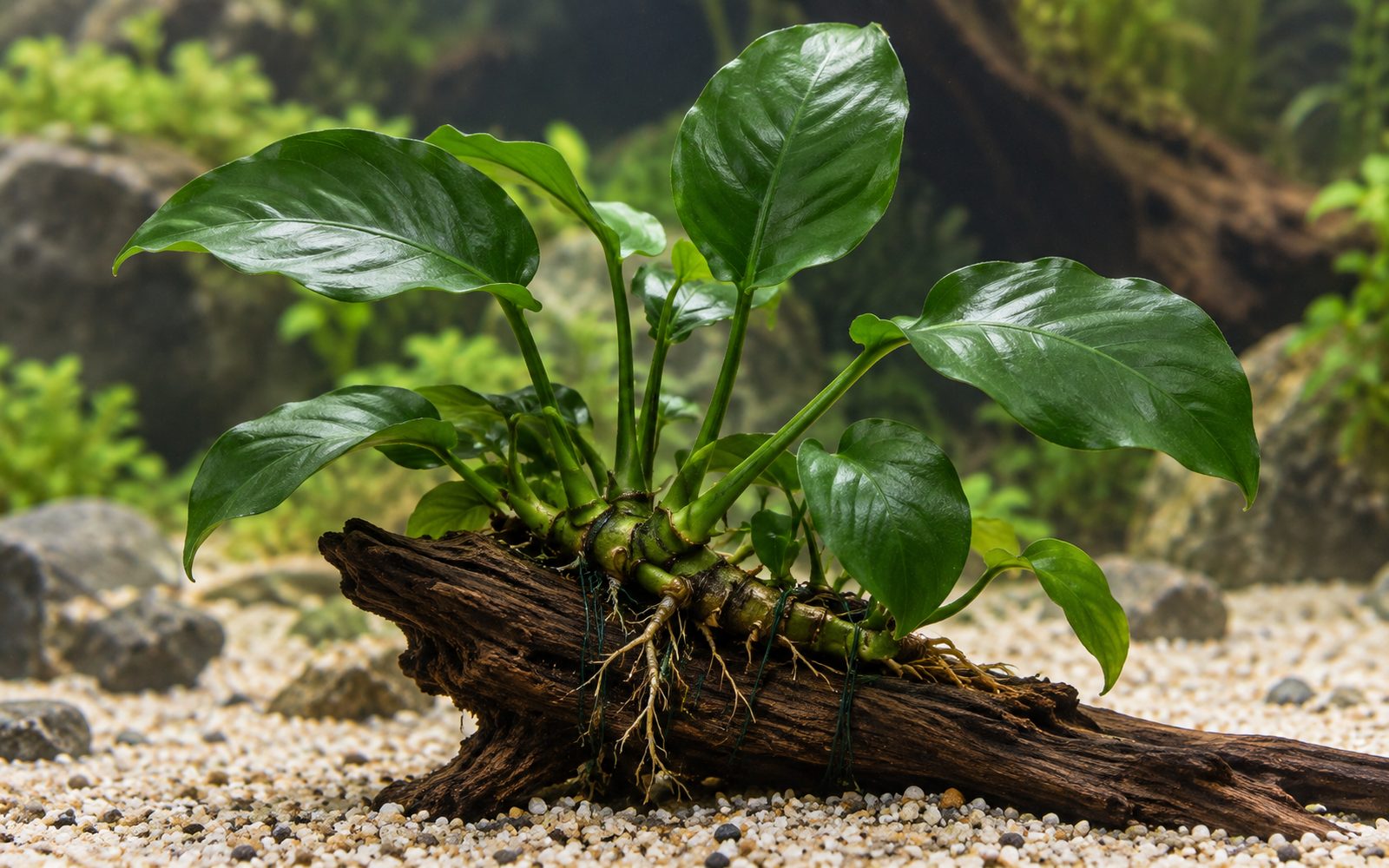
- Males dig pits in the sand; rooted plants may be uprooted.
Diet
Omnivorous. A quality cichlid granule and flake food containing spirulina should be the staple; vary them with frozen brine shrimp, mysis and cyclops.
Behavior and Compatibility
Males are very aggressive toward each other; the dominant male colors up while the others fade. Females brood the eggs in their mouths for about two weeks.
Good companions: robust cichlids of similar size that like hard water, and Synodontis catfish.
Avoid: small fish and shrimp (it hunts them), other haplochromine cichlids (they may hybridize), calm and delicate Tanganyika species.
A short profile for this species
The Burton's Mouthbrooder page has the basics, but the sections below have not been written yet. If you keep this species, write a section from your own experience; it will be published under your name after editor approval.
Tank mates
This list is calculated automatically from the species profile and grows as new species are added to the catalog. Try it in the planner for a definite answer.
Usually compatible
 Banded Jewel Cichlid
 Demasoni Cichlid
 Jack Dempsey
 Red Devil Cichlid
 Convict Cichlid
 Pundamilia nyererei
 Pundamilia pundamilia
 Zebra Obliquidens
 Anubias Angustifolia
 Anubias Barteri
Should not be kept together








Hobbyist notes
Things you won't find in books, learned by trial and error. The most helpful ones are on top.
Change history and contributors
- Page created · October 16, 2026