
Water parameters
Overview
The bluethroat triggerfish is the best-known species of the genus Xanthichthys, the plankton-eating "calm triggers." On its bluish-gray body there is a dark dot in the center of each scale, so from a distance the body looks as if it were covered in a fine net. Males have a bright blue chin and throat, and the edges of the dorsal, anal and tail fins are golden yellow. Females lack the blue throat and yellow edges.
Individuals are collected from the wild and mostly come from water deeper than 30 meters. Unlike other triggerfish, it picks plankton from the water column instead of crushing and eating invertebrates on the bottom; this makes it one of the few triggerfish that can be kept in a reef aquarium. It has been recorded up to 30 cm in the wild.
Natural Habitat
It lives in the Indo-Pacific along the upper edges of current-swept outer reef walls and drop-offs, often where gorgonians and sea whips grow. In loose small groups it hovers a few meters above the bottom, feeding on zooplankton, mainly copepods.
Tank Setup
- Volume: at least 500 liters and 150 cm in length; plenty of open swimming space.
- Water: salinity 1.023–1.026 specific gravity, pH 8.1–8.4, temperature 24–27°C. Good oxygenation and strong flow.
- Decor: a rock crevice where it can wedge itself at night by locking its dorsal spine.
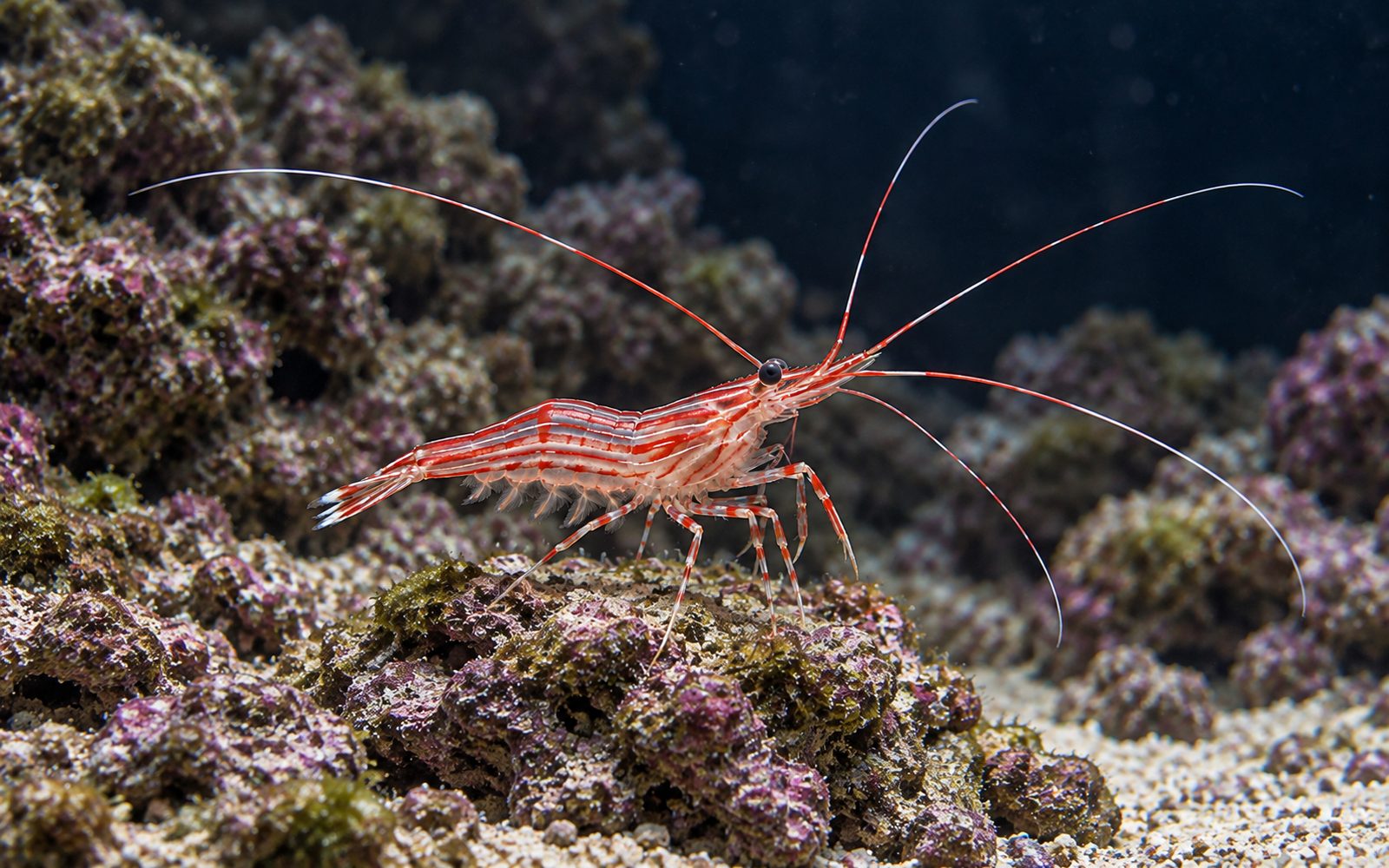
- Reef compatibility: reef safe with caution. It generally leaves corals alone, but may eat small shrimp, crabs and occasionally small snails. Large cleaner shrimp are usually safe.
Diet
Carnivorous; in the wild it picks plankton. Offer frozen mysis, krill, enriched brine shrimp, chopped seafood and marine fish granules. It should be fed 2–3 times a day.
Behavior and Compatibility
One of the most docile triggerfish; it gets along well with peaceful fish of similar size. It is aggressive toward males of its own species. Like all triggerfish, it can raise and lock the first spine of its dorsal fin; keep this in mind when taking the fish out of a net.
Good companions: tangs, Genicanthus and large angelfish, large wrasses, foxface, groups of anthias, large clownfish and damsels.
Avoid: small ornamental shrimp, small crabs, very small and timid fish, aggressive triggerfish, a second male.
Group and Colony Structure
Kept as a single individual in the aquarium. In a very large aquarium a male and a female can be kept together; two males will fight.
Breeding
It forms pairs during the breeding season. Like most triggerfish, it lays its eggs on the bottom and guards the nest. It does not breed in home aquariums.
Health and Common Problems
- Marine white spot and velvet: quarantine is recommended.
- Pressure and shipping stress: fish collected from deep water need a dim, calm setting for the first few days.
- Overfeeding: it is a greedy fish; overfeeding spoils water quality.
Sexing
Obvious: males have a bright blue throat and yellow fin edges. Females lack the blue throat and yellow edges.
Tank mates
This list is calculated automatically from the species profile and grows as new species are added to the catalog. Try it in the planner for a definite answer.
Should not be kept together


Hobbyist notes
Things you won't find in books, learned by trial and error. The most helpful ones are on top.
Change history and contributors
- Page created · October 16, 2026