
Water parameters
Overview
The boomerang triggerfish takes its name from the sickle- or boomerang-shaped mark passing by the base of the pectoral fin; this mark is yellowish-green in juveniles and dark brown in adults. Its gray-brown body has a thin white line running back from the corner of the mouth. Among triggerfish it is a medium-sized and relatively mild species; it is hardy and takes to prepared food right away. Specimens are wild-collected.
Tank Setup
- At least 500 liters and 150 cm in length; rock crevices where it can wedge itself at night by locking its dorsal spine.
- Salinity specific gravity 1.023–1.026, pH 8.1–8.4, temperature 24–27°C; strong filtration.
- Rocks must be firmly secured; it may stir up sand and small stones.
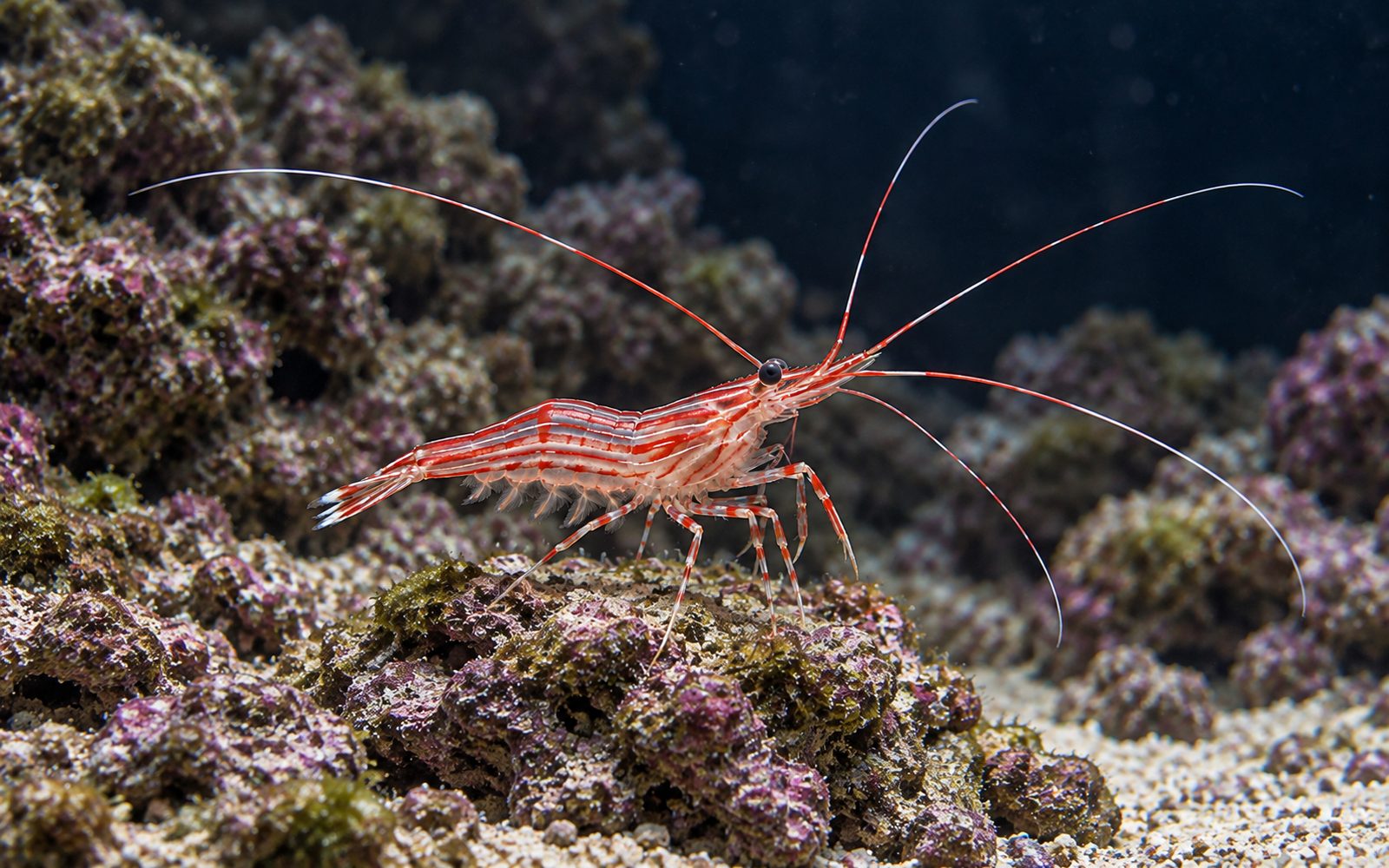
- Not reef-safe: It eats crabs, shrimp, snails, mussels and sea urchins; it may nip tube worms and some corals.
Diet
Omnivorous. Chopped mussels, shrimp, squid, krill, shelled foods, granule food and occasionally seaweed; shelled foods are important for wearing down its teeth. Fed 1–2 times a day.
Behavior and Compatibility
Semi-aggressive; it is cantankerous towards its own species and other triggerfish. It usually gets along with hardy fish of a similar size.
Good companions: Tangs, large angelfish, foxface, large wrasses, large damsels, morays.
Avoid: Invertebrates and corals, small and slow fish, long-finned species, a second triggerfish.
A short profile for this species
The Boomerang Triggerfish page has the basics, but the sections below have not been written yet. If you keep this species, write a section from your own experience; it will be published under your name after editor approval.
Tank mates
This list is calculated automatically from the species profile and grows as new species are added to the catalog. Try it in the planner for a definite answer.
Should not be kept together


Hobbyist notes
Things you won't find in books, learned by trial and error. The most helpful ones are on top.
Change history and contributors
- Page created · October 16, 2026