
Water parameters
Overview
The ice blue zebra is one of the most eye-catching members of the Maylandia zebra group. The pale ice-blue body of mature males creates a strong contrast with the red-orange dorsal fin and orangish tail. Females, by contrast, are plain brownish in tone. Like other species of the zebra group it is hardy, but its males defend their territory fiercely.
Tank Setup
- At least 250 liters and 120 cm in length for a harem and other mbuna.
- Rock piles with many caves that break lines of sight; the rocks are set on the bottom glass.
- Hard and alkaline water (pH 7.8–8.5); aragonite substrate or Malawi salt.
- Strong filtration and weekly 30–50% water changes.
Diet
Herbivorous; in the wild it feeds on the algae layer on the rocks. A spirulina-rich mbuna food and vegetables should be the staple; bloodworms and high-protein foods can lead to Malawi bloat.
Behavior and Compatibility
Males claim a cluster of rocks and chase especially fish with blue and red tones. It hybridizes easily with other Maylandia species; no similarly colored zebra species should be kept in the same aquarium.
Good companions: yellow and orange mbuna such as the yellow lab, red zebra and auratus females, Synodontis catfish suited to hard water.
Avoid: other blue Maylandia species, calm Aulonocara and haps, community fish, shrimp and snails.
A short profile for this species
The Ice Blue Zebra page has the basics, but the sections below have not been written yet. If you keep this species, write a section from your own experience; it will be published under your name after editor approval.
Tank mates
This list is calculated automatically from the species profile and grows as new species are added to the catalog. Try it in the planner for a definite answer.
Usually compatible
 Banded Jewel Cichlid
 Demasoni Cichlid
 Jack Dempsey
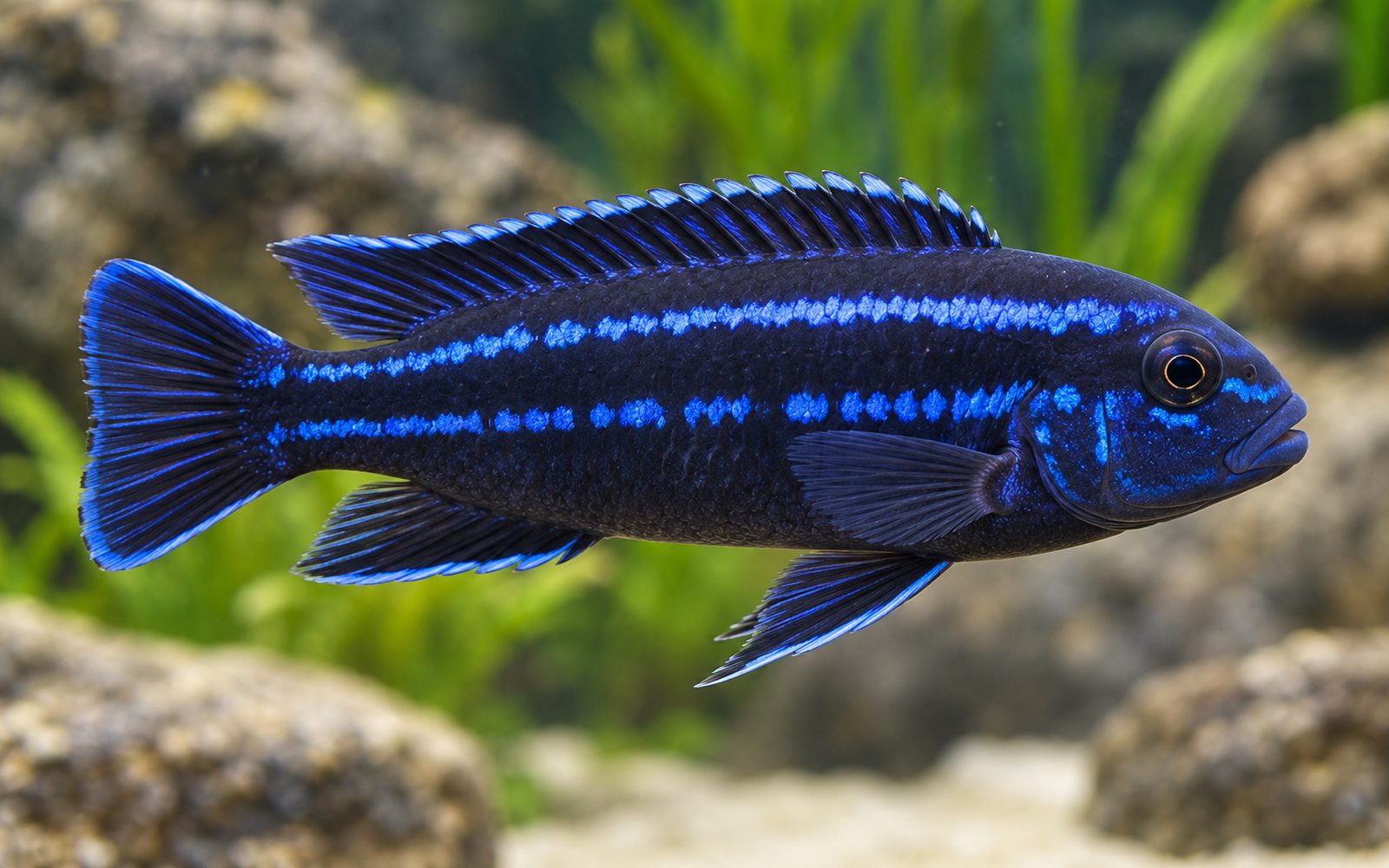 Johanni Cichlid
 Red Devil Cichlid
 Convict Cichlid
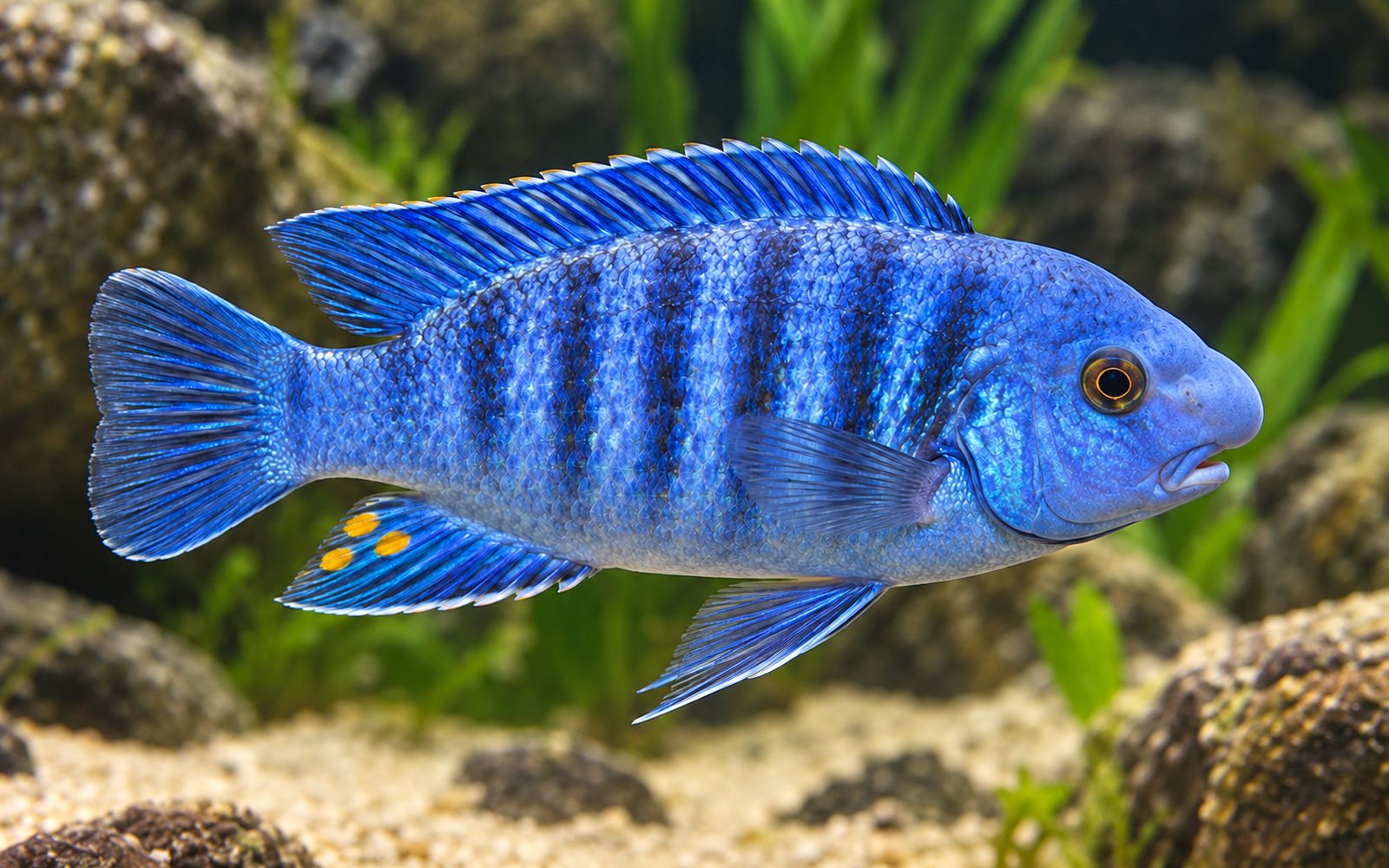 Labeotropheus fuelleborni
 Pundamilia nyererei
 Pundamilia pundamilia
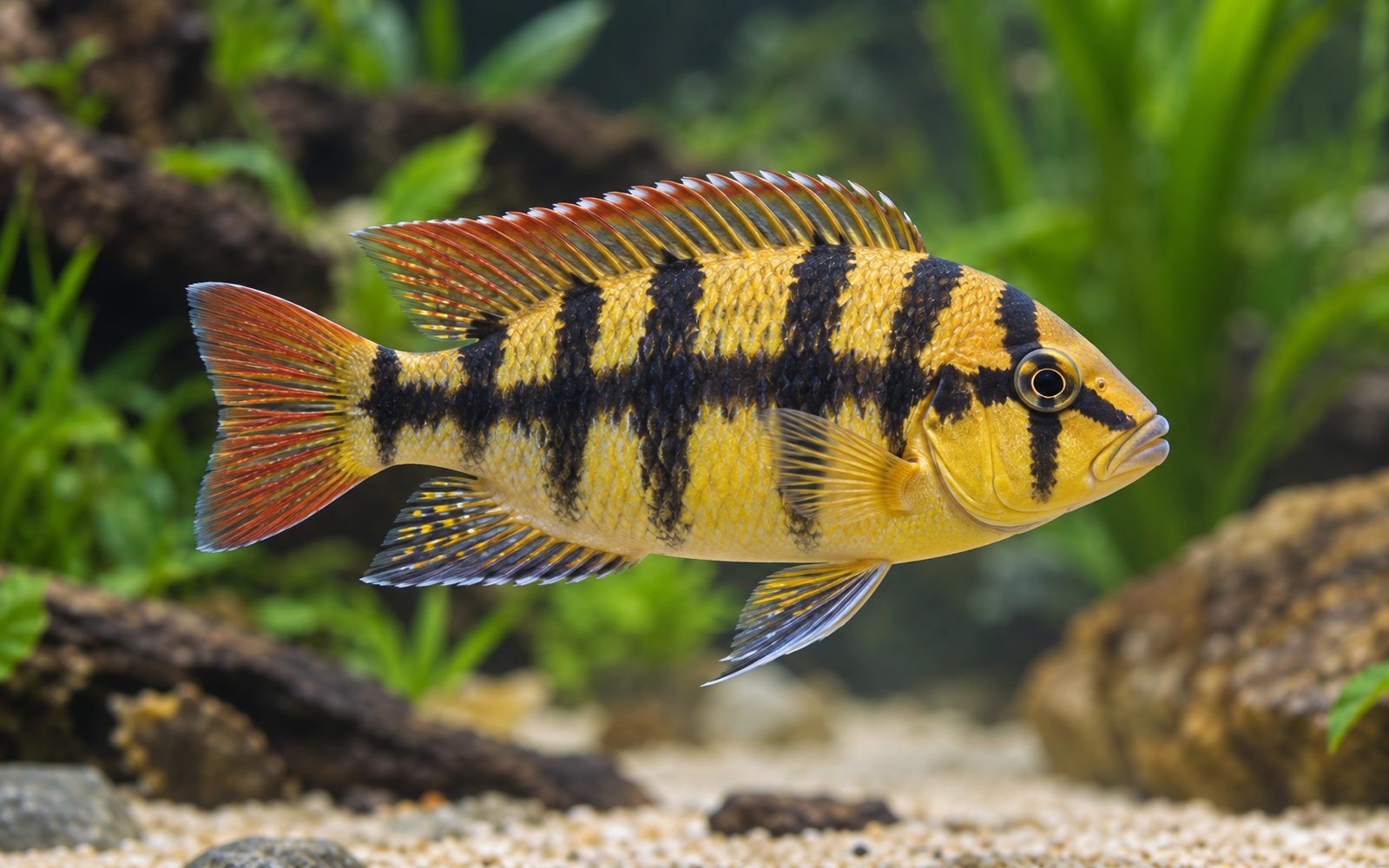 Zebra Obliquidens
Should not be kept together








Hobbyist notes
Things you won't find in books, learned by trial and error. The most helpful ones are on top.
Change history and contributors
- Page created · October 16, 2026