
Water parameters
Overview
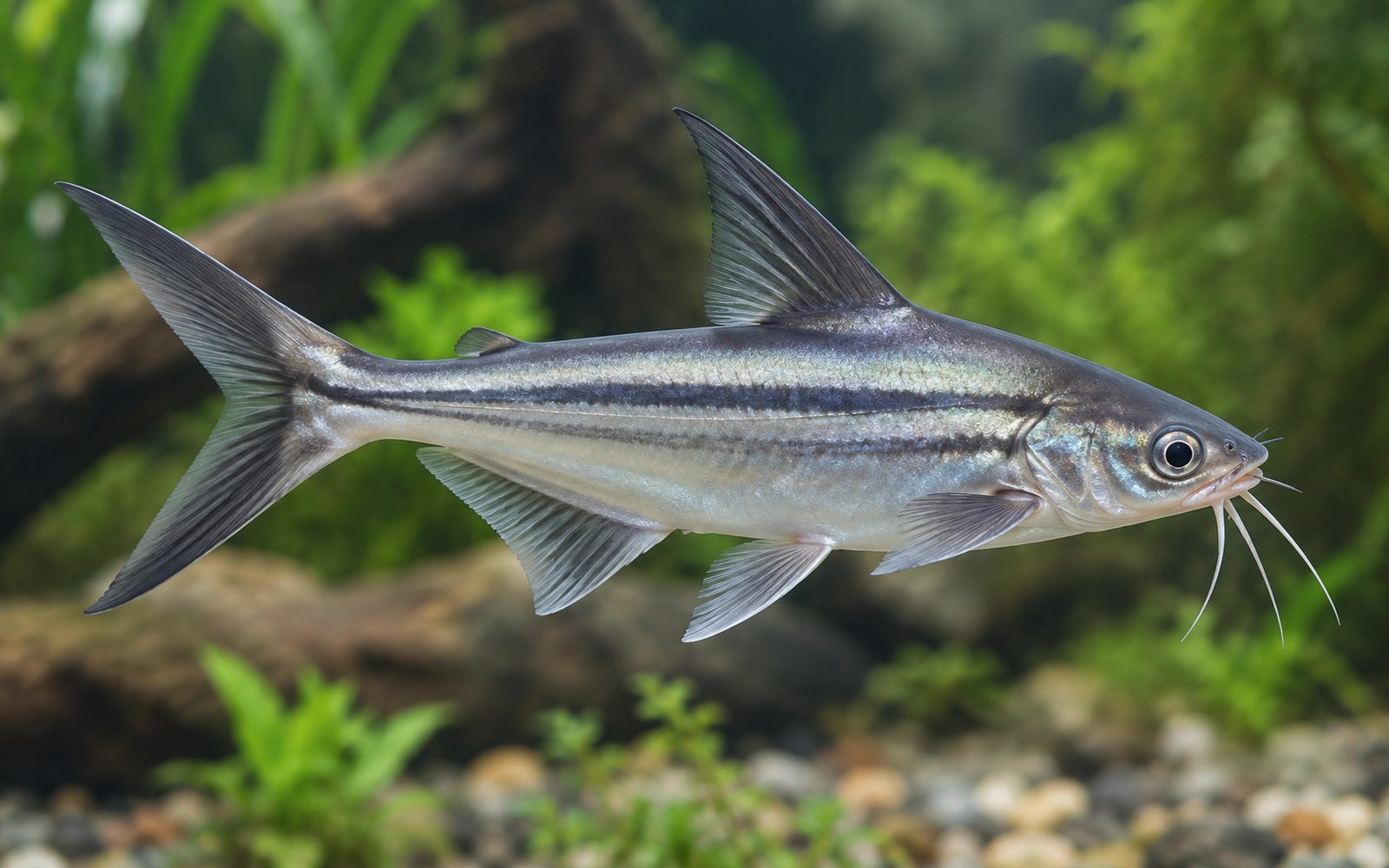
A warning first: in Türkiye this species is one of the large fish most commonly sold in stores under the name "shark". Juveniles, with their silvery, iridescent bodies and two dark lateral stripes, look like a small shark. In reality it is a catfish that reaches 1–1.3 meters, lives in schools and makes long migrations in rivers. Deformities, injuries and early death are common in individuals kept in cramped aquariums. Never release a grown fish into the wild.
In Asia it is raised on large farms for food; most of the fillets sold in supermarkets under the name "pangasius" belong to this species. Adults lose the stripes of juveniles and turn plain gray. An albino form is also sold in the trade; its size and needs are the same.
Color and Fin Varieties
- Albino (albino iridescent shark): a form with a pinkish-white body and red eyes. Its size, behavior and needs are the same as the normal form.
Natural Habitat
It lives in the large, flowing channels of the Mekong and Chao Phraya rivers. In the rainy season it migrates to floodplains, and in the dry season to the deep parts of the river. Schools move through the middle and lower layers of the water.
Tank Setup
- Volume: a school requires a public aquarium or a pond on the scale of at least 10000 liters. Suitable conditions cannot be provided in a normal home aquarium.
- Space: long, uninterrupted swimming distance; in a cramped tank it keeps hitting the glass when turning.
- Lid: it jumps when startled; a sturdy, fully closing lid is essential.
- Water: 22–28°C, pH 6.5–7.8; strong filtration and high oxygen.
Diet
Omnivorous. Juveniles eat granules, frozen food and small invertebrates, and also hunt fish that fit in their mouths. The genus name means "toothless pangasius": adults lose their teeth and switch to a mostly plant-based diet. Quality granules, blanched vegetables and occasional animal-based food are suitable.
Behavior and Compatibility
Peaceful but extremely skittish. It panics at sudden light, shadows or the sound of a door and crashes into the glass and decor; nose wounds and broken barbels are common. These reactions increase when it is kept alone. It eats small fish that fit in its mouth.
Good companions: only in very large systems, large and calm fish: big pacus, large barbs, large catfish.
Avoid: small and medium-sized fish, shrimp; standard home aquariums.
Group and Colony Structure
By nature it is a schooling fish; it lives with at least 3, ideally 5 or more individuals. A fish kept alone is constantly nervous. This social need is another reason the species cannot be kept at home scale.
Breeding
It does not breed in the aquarium. Almost all juveniles sold are produced with hormone treatment on farms in Asia.
Health and Common Problems
- Collision injuries: nose and eye injuries from panicking and hitting the glass, followed by bacterial infections.
- White spot (ich): common after transport.
- Insufficient space: deformities and early death in individuals growing up in cramped tanks.
- Its scaleless skin is sensitive to medications.
Sexing
Difficult to tell apart externally; mature females are plumper and larger.
Tank mates
This list is calculated automatically from the species profile and grows as new species are added to the catalog. Try it in the planner for a definite answer.
Usually compatible
 Cryptocoryne Parva
Adonis Pleco
Cryptocoryne Parva
Adonis Pleco
 Weeping Moss
 Flame Moss
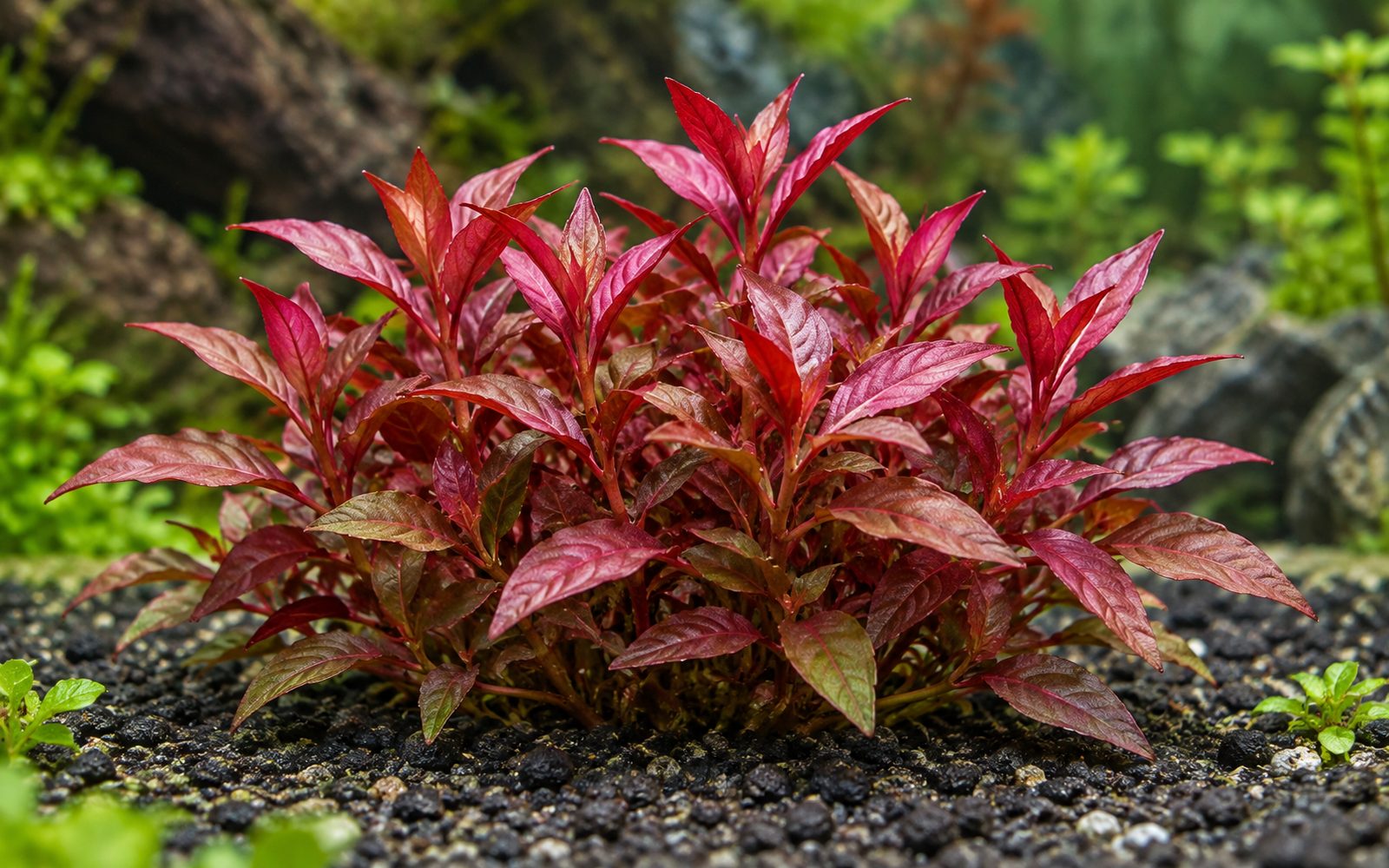 Alternanthera Reineckii 'Mini'
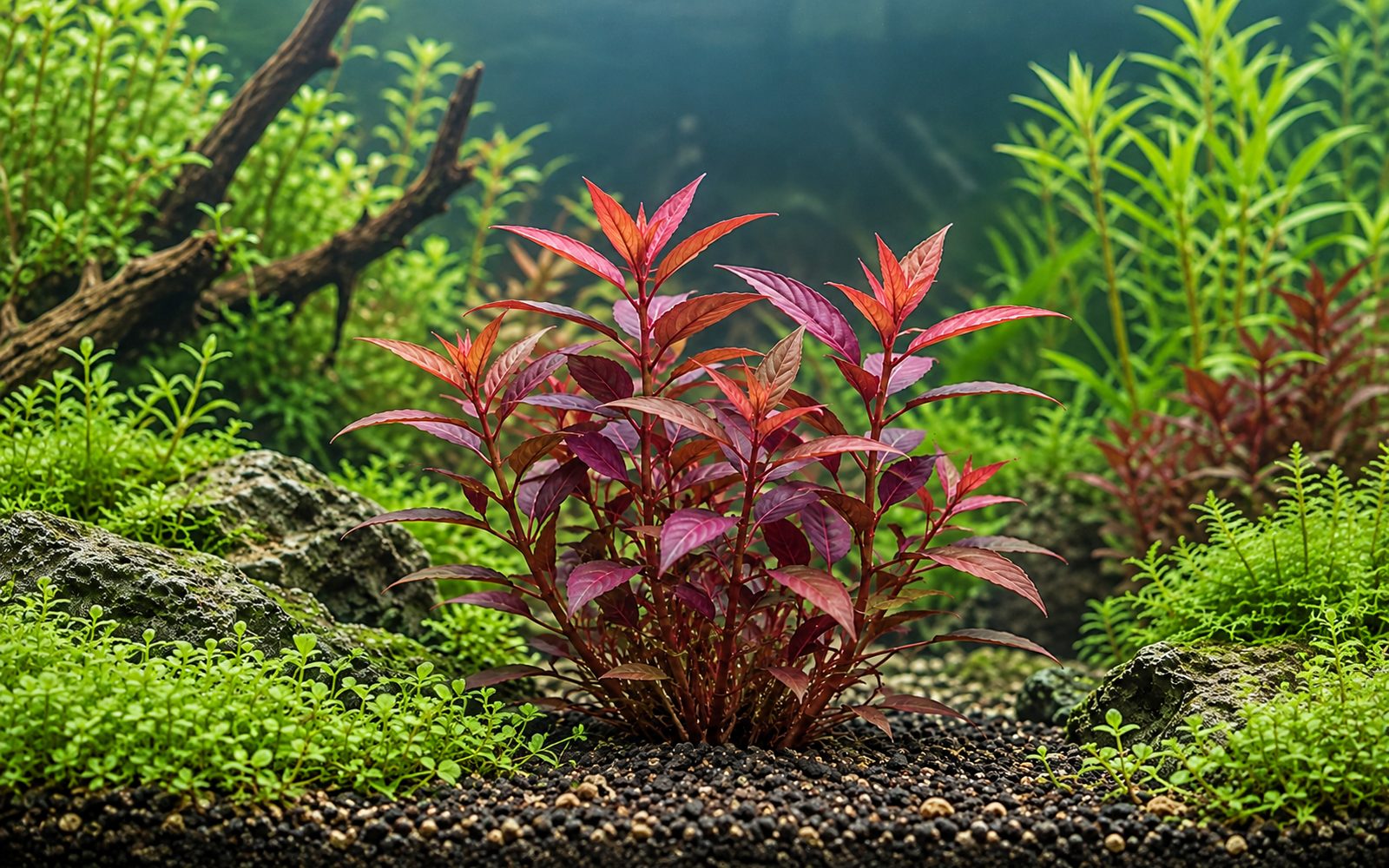 Alternanthera Reineckii
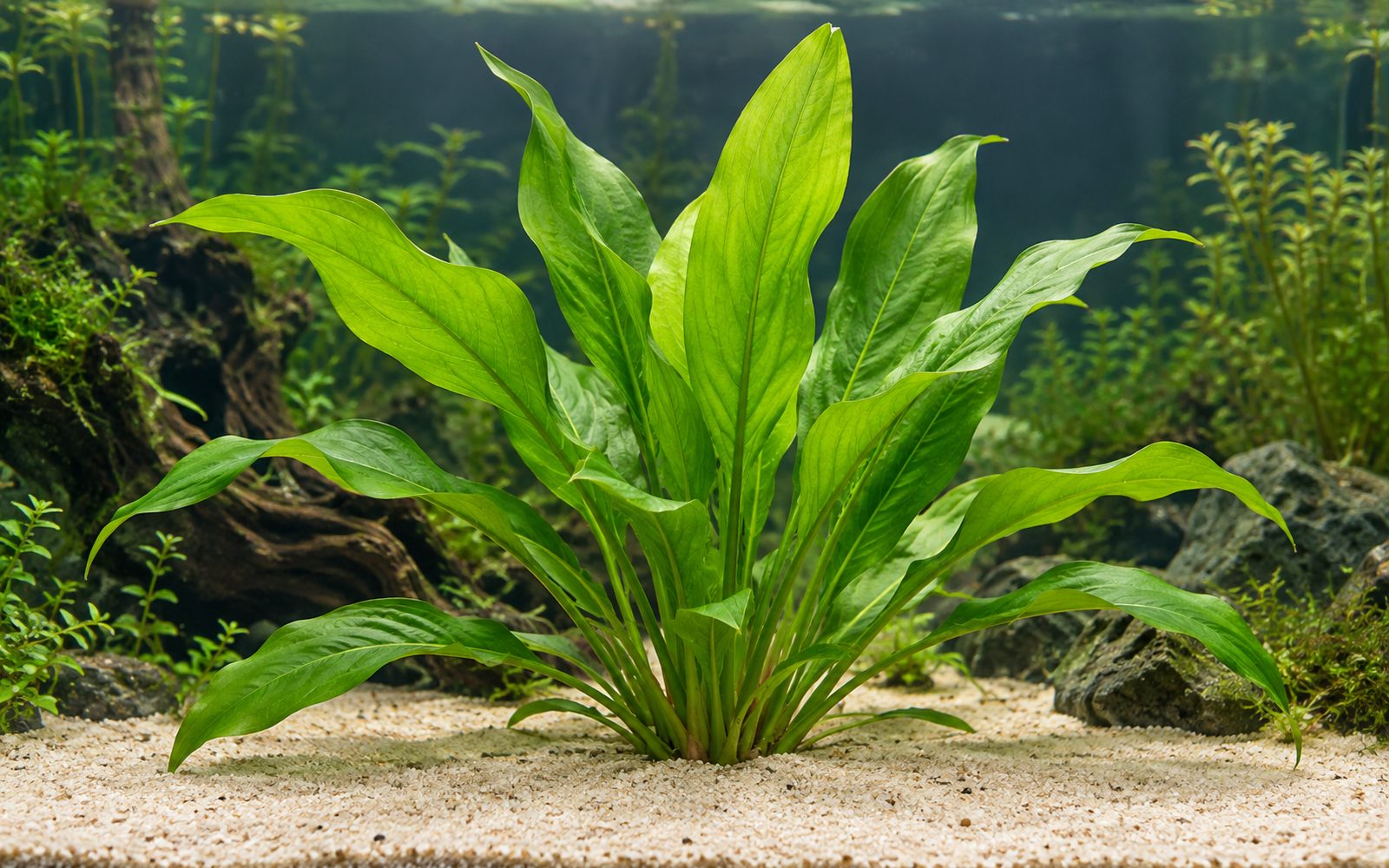 Amazon Sword
 Amazon Frogbit
 Ambulia
 Ammannia Gracilis
Should not be kept together







Hobbyist notes
Things you won't find in books, learned by trial and error. The most helpful ones are on top.
Change history and contributors
- Page created · October 16, 2026