
Water parameters
Overview
The callipterus is one of the species with the most extreme size difference among cichlids: males reach 12–15 cm, while females stay at around 5 cm. In the lake the male carries dozens or even hundreds of empty snail shells in his mouth and collects them at a nest; several females that settle in these shells form the male's harem. The female is small enough to fit into a shell, but the male cannot. The lake also has "dwarf males" that stay the size of females and try to fertilize the eggs by entering the shell; in this respect it is a species frequently studied in behavioral science.
Tank Setup
- At least 200 liters and a large sandy floor for 1 male and 3–4 females.
- Plenty of clean snail shells, 3–4 per female; the male carries them himself and collects them at his nest.
- Fine sand and a few rocks at the edges.
- pH 8–9, hard water; a 25% water change every week.
Diet
Carnivorous. Cichlid granules, frozen mysis, krill and brine shrimp are suitable. Because the females are small, finely sized food should also be given.
Behavior and Compatibility
The male is dominant and aggressive around his shell nest; he hunts fish that fit in his mouth and the fry of other species. The females are attached to their shells and calm.
Good companions: large, robust Tanganyika species of its own size: Altolamprologus, large Julidochromis species, Synodontis catfish.
Avoid: other shell-dwelling cichlids (the male hunts them or takes their shells), small fish, shrimp, delicate species such as Cyprichromis.
A short profile for this species
The Lamprologus callipterus page has the basics, but the sections below have not been written yet. If you keep this species, write a section from your own experience; it will be published under your name after editor approval.
Tank mates
This list is calculated automatically from the species profile and grows as new species are added to the catalog. Try it in the planner for a definite answer.
Usually compatible
 Demasoni Cichlid
 Pundamilia nyererei
 Pundamilia pundamilia
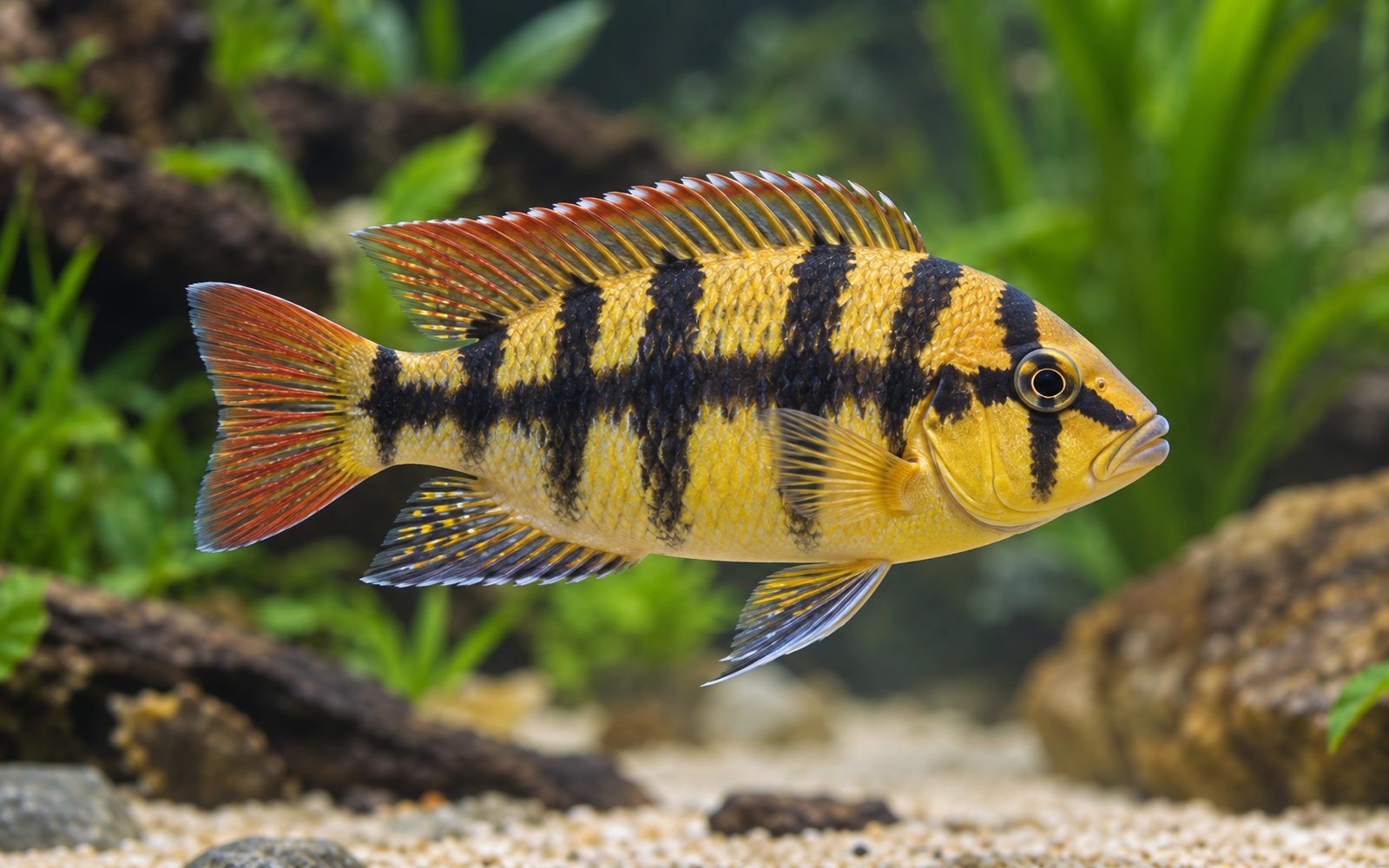 Zebra Obliquidens
Burton's Mouthbrooder
Zebra Obliquidens
Burton's Mouthbrooder
 Auratus Cichlid
 Bumblebee Cichlid
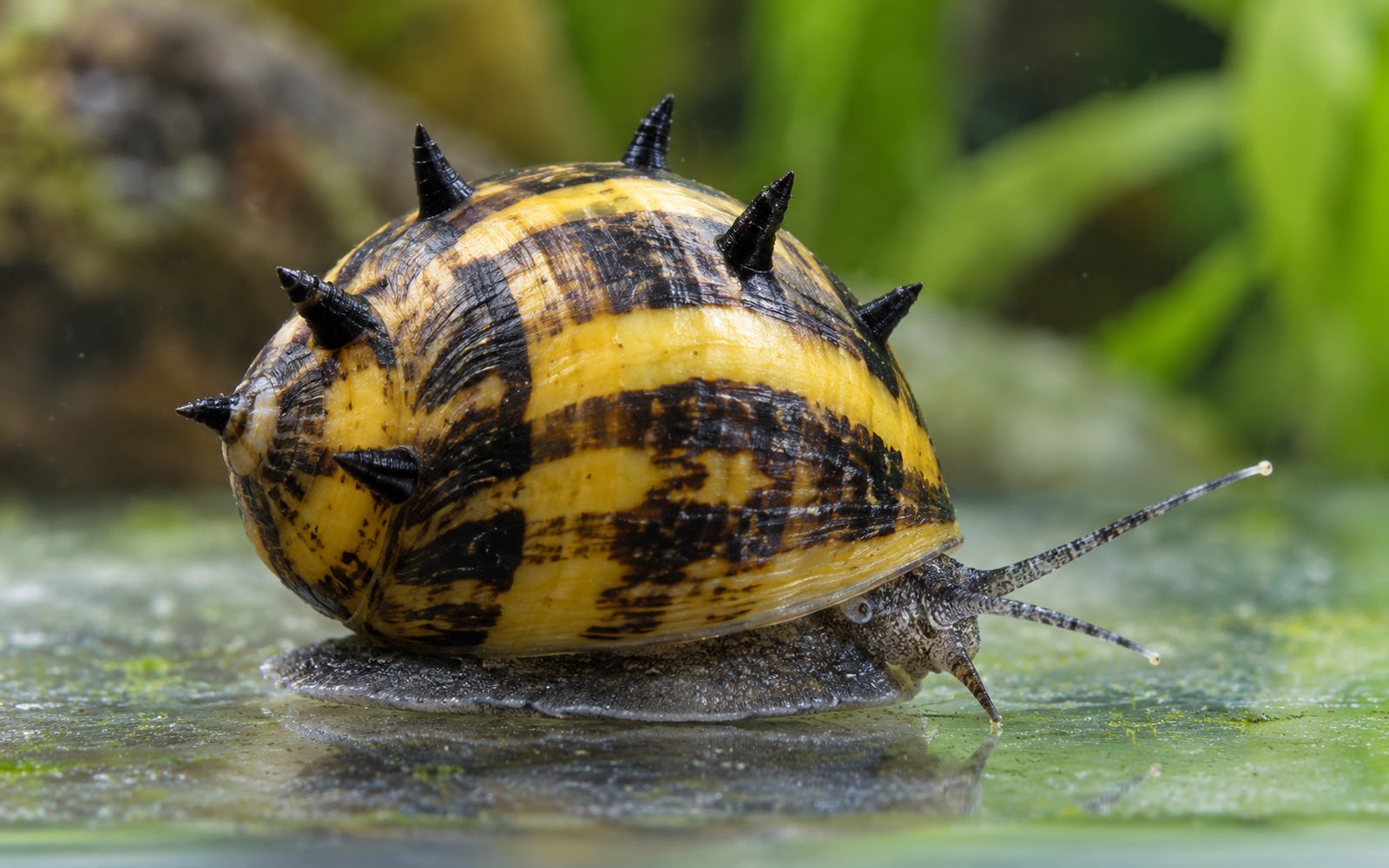 Horned Nerite Snail
Ice Blue Zebra
Horned Nerite Snail
Ice Blue Zebra
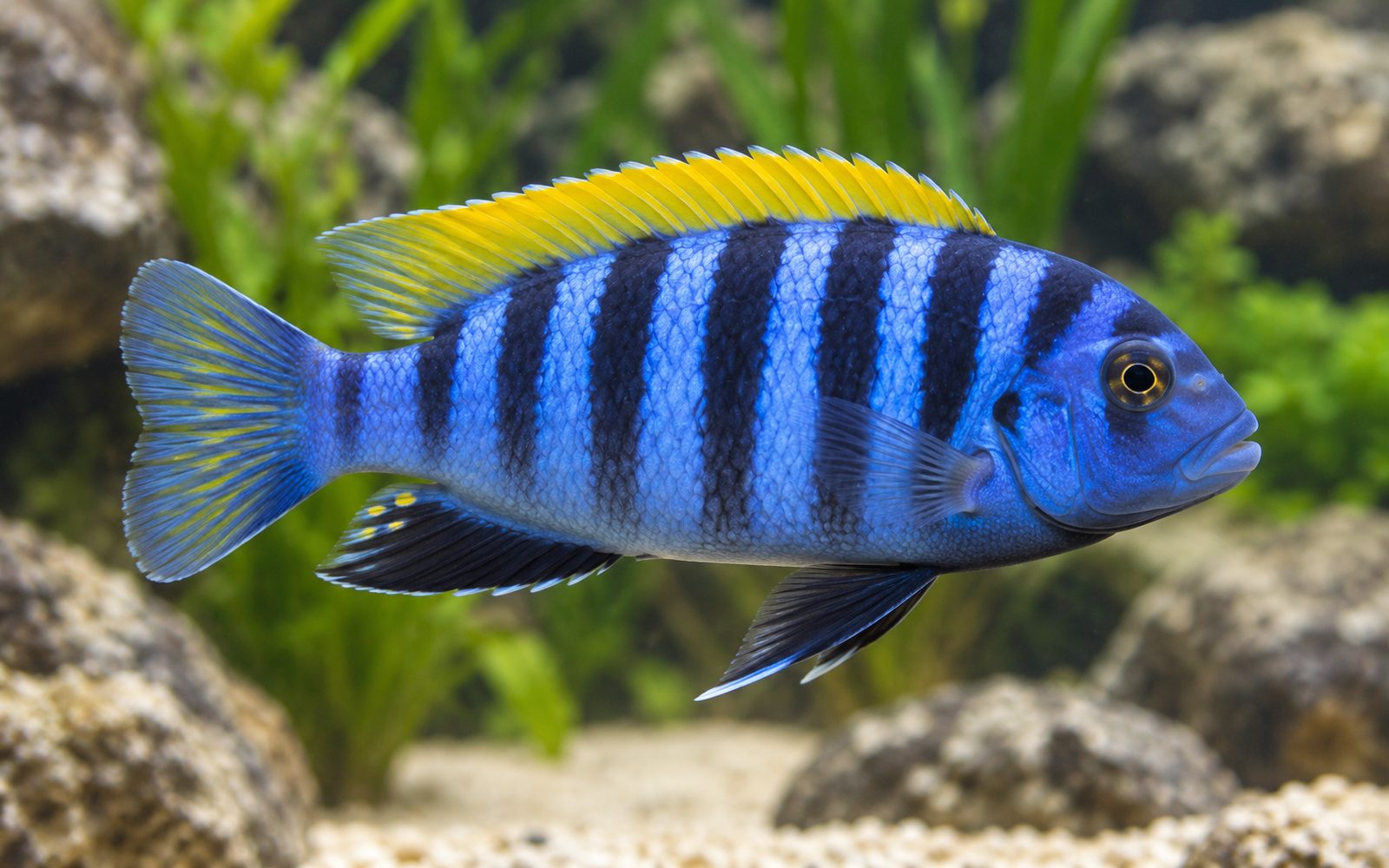 Afra Cichlid
Should not be kept together








Hobbyist notes
Things you won't find in books, learned by trial and error. The most helpful ones are on top.
Change history and contributors
- Page created · October 16, 2026