
Water parameters
Overview
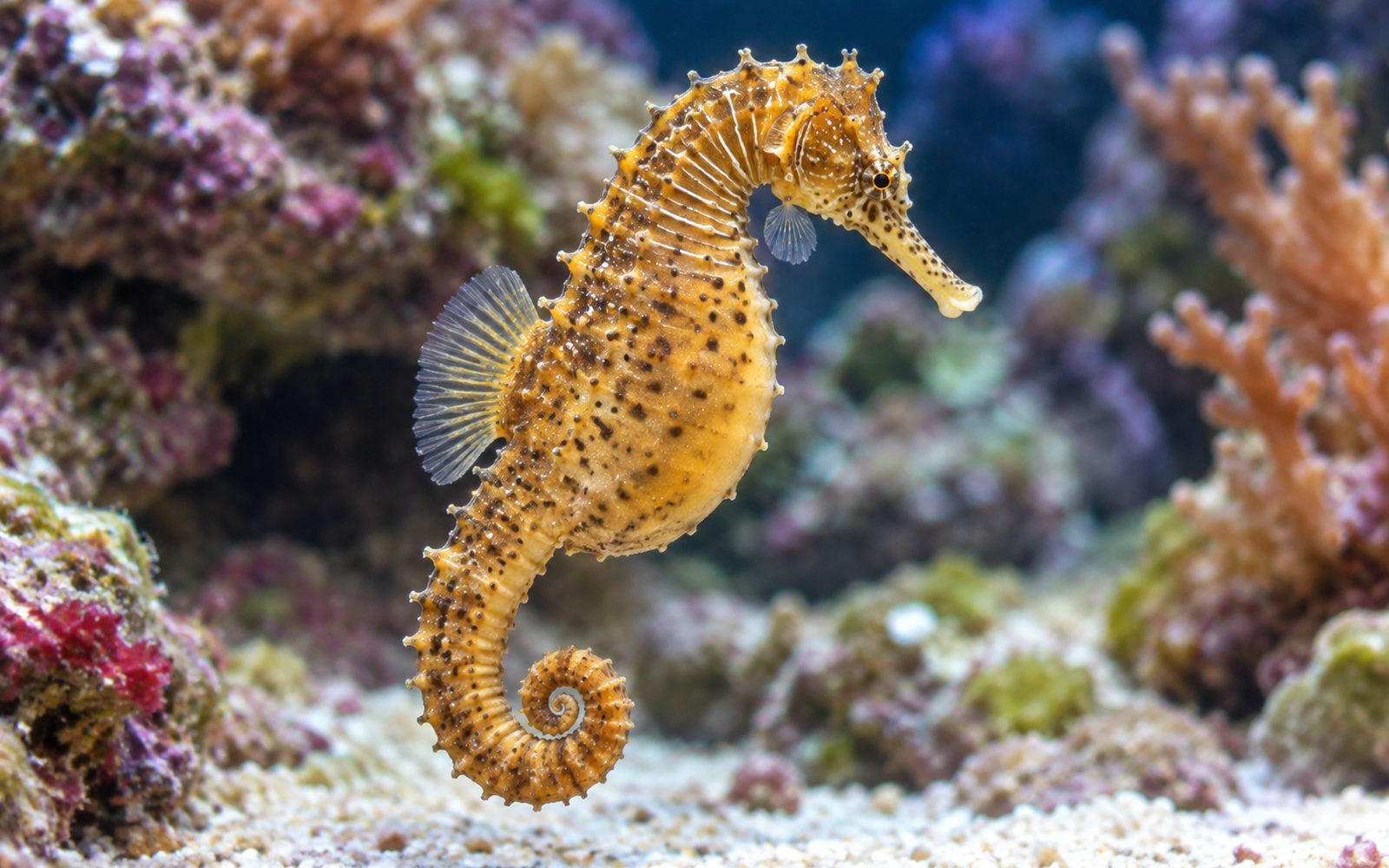
The lined seahorse is a relatively large and hardy Atlantic seahorse that takes its name from the thin white lines on its neck. Its color varies from yellow to brown, orange and gray. Captive-bred individuals are widely available; they are used to frozen mysis and much hardier than wild individuals. Legal note: All seahorses are listed in CITES Appendix II; the native seahorses of the Mediterranean are protected and must not be collected from the wild.
Tank Setup
- At least 120 liters and at least 50 cm of depth for a pair; about 40 liters for each additional pair.
- Salinity specific gravity 1.023–1.025, pH 8.1–8.4, temperature 21–25°C; in warm water the risk of bacterial disease increases.
- Gentle, diffuse flow; filter intakes must be guarded.
- Plenty of hitching posts (gorgonians, macroalgae, rope). Anemones and stinging corals are not added.
Diet
Carnivorous. Because it has no stomach, it must be fed 2–3 times a day. Enriched frozen mysis is the staple food; leftover food must be removed immediately.
Behavior and Compatibility
Peaceful and slow; it loses the competition for food to fast fish. During courtship pairs change color and "dance" together. The male carries the eggs in the pouch on his belly and releases hundreds of fry at birth.
Good companions: Other seahorses (from the same source), small calm gobies, pajama and Banggai cardinalfish, nerite snails.
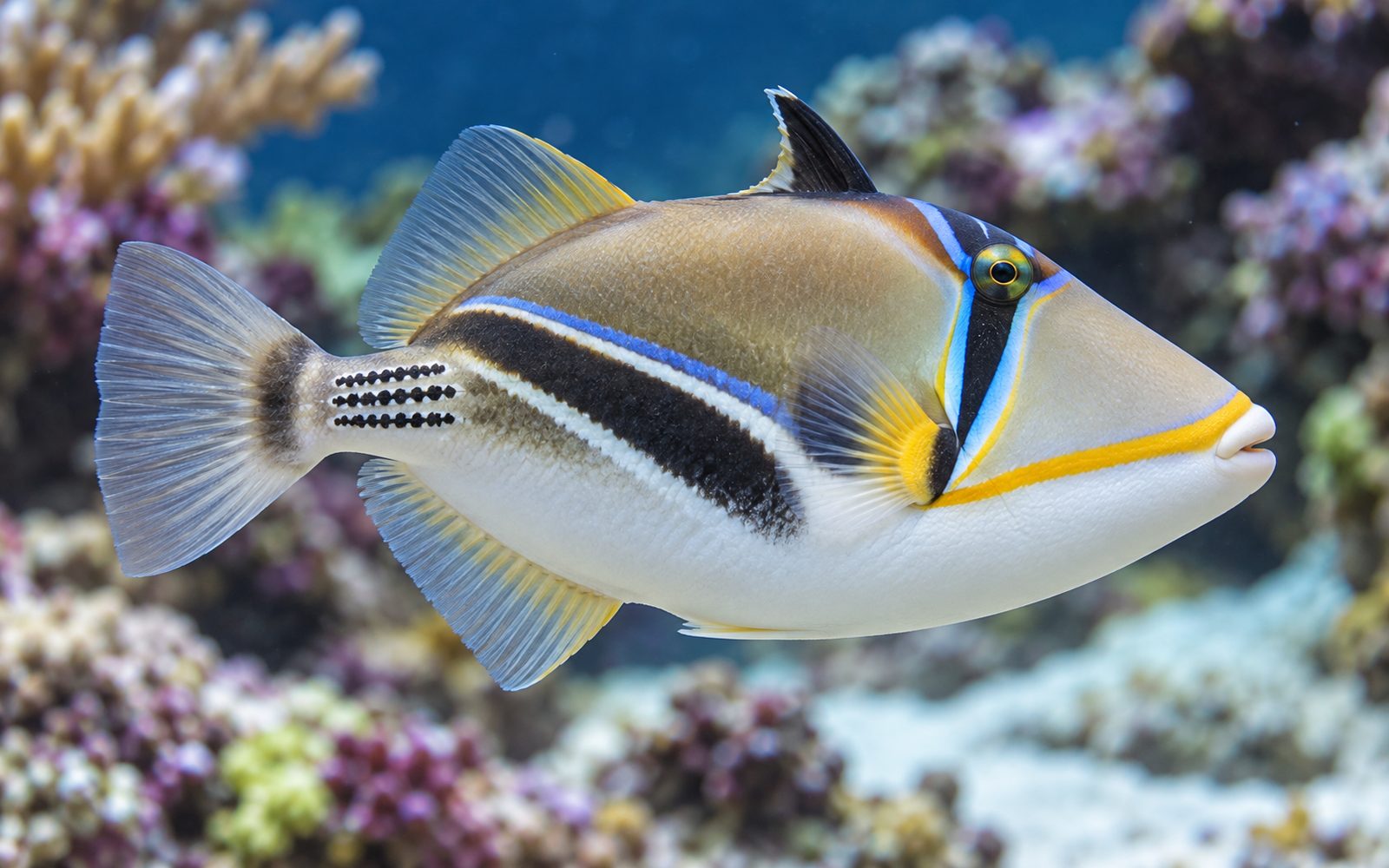
Avoid: Fast and greedy fish, pufferfish and triggerfish, crabs, anemones and stinging corals.
A short profile for this species
The Lined Seahorse page has the basics, but the sections below have not been written yet. If you keep this species, write a section from your own experience; it will be published under your name after editor approval.
Tank mates
This list is calculated automatically from the species profile and grows as new species are added to the catalog. Try it in the planner for a definite answer.
Should not be kept together




Hobbyist notes
Things you won't find in books, learned by trial and error. The most helpful ones are on top.
Change history and contributors
- Page created · October 16, 2026