
Water parameters
Overview
The Malaysian glass shrimp is a small Macrobrachium species living in the ponds, rice paddies and slow-flowing canals of Southeast Asia. Its body is almost completely transparent. It is much smaller and calmer than the large, aggressive species of its genus, but it is still an opportunistic predator. Unlike most of its relatives, its young can develop in fresh water; that is why it can breed in the aquarium. It is sometimes also sold under the name "ghost shrimp".
Tank Setup
- 30 liters or more for a small group; dense plants and hiding places.
- 24–27°C, near-neutral, soft to moderately hard water.
- A lid is recommended; it may jump when startled.
- Stay away from medications and fertilizers containing copper.
Diet
Omnivorous. It eats leftover food, biofilm, granules and flakes, sinking tablets and small frozen foods (brine shrimp, bloodworms). Well-fed individuals show less interest in other animals.
Behavior and Compatibility
Individuals may jostle each other over food and space. It can catch fish fry, very small fish and dwarf shrimp babies; it leaves adult medium-sized fish alone.
Good companions: Medium-sized peaceful fish (tetras, barbs, gouramis), corydoras, large snails.
Avoid: Valuable dwarf shrimp colonies, aquariums where fry are being raised, very small fish and fish large enough to eat it.
A short profile for this species
The Malaysian Glass Shrimp page has the basics, but the sections below have not been written yet. If you keep this species, write a section from your own experience; it will be published under your name after editor approval.
Tank mates
This list is calculated automatically from the species profile and grows as new species are added to the catalog. Try it in the planner for a definite answer.
Usually compatible
 Blackfin Corydoras
 Polystictus Corydoras
 Emerald Betta
 Emerald Cory
 Porthole Catfish
 Cryptocoryne Parva
 Gold Spot Pleco (L001)
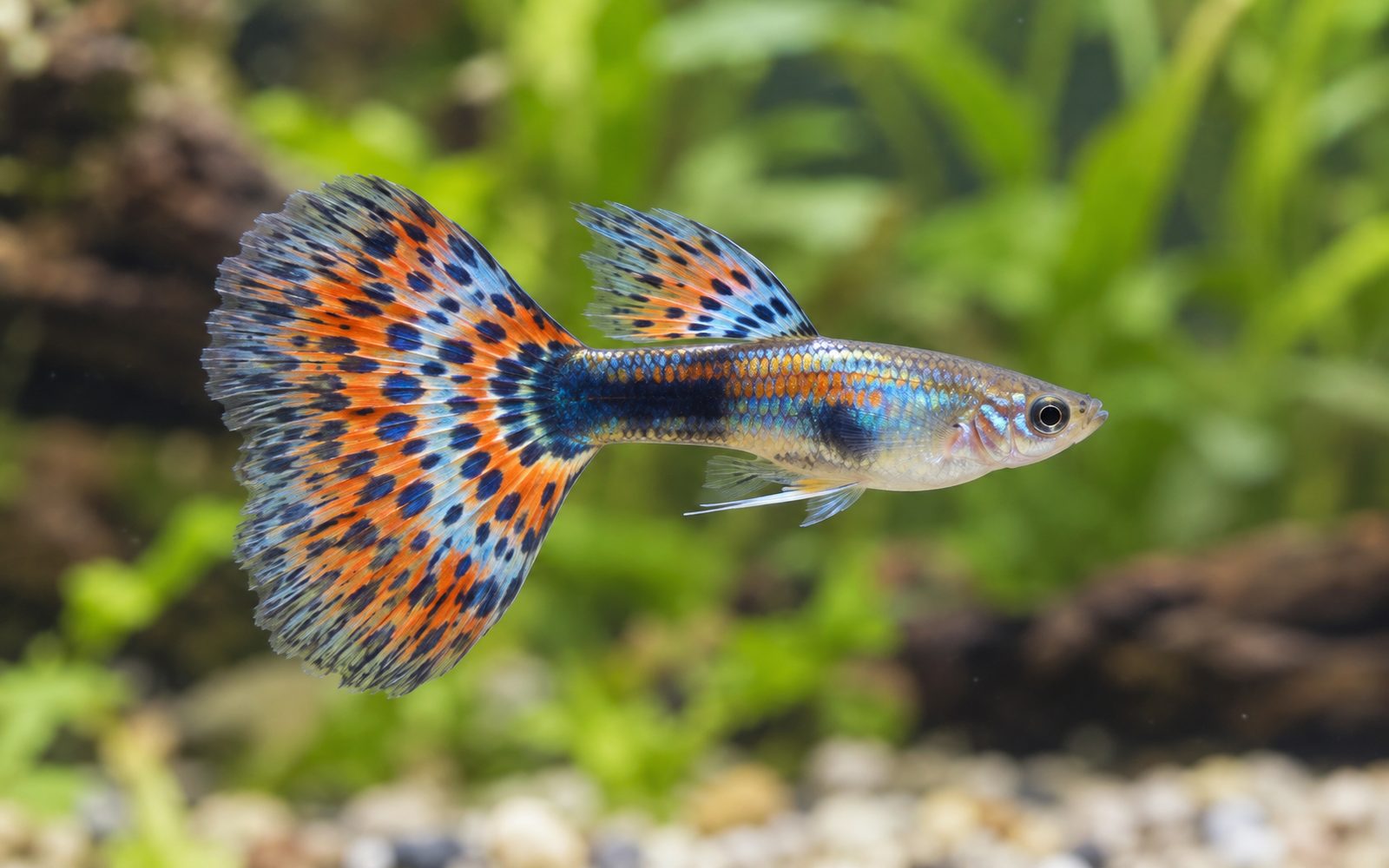 Guppy
Guppy
 Adolfo's Cory
 African Glass Catfish
Should not be kept together






Hobbyist notes
Things you won't find in books, learned by trial and error. The most helpful ones are on top.
Change history and contributors
- Page created · October 16, 2026