
Water parameters
Overview
Cylindricus takes its name from its long body with an almost round cross-section. It carries regular dark vertical bars on a pale gray-white base, and a light blue stripe runs along the edges of its fins. It reaches around 12 cm. Although it looks elegant, it fiercely defends its territory and is intolerant of its own species and of similarly shaped fish. A properly established pair regularly raises fry among the rocks.
Tank Setup
- 150 liters for a pair; 200 liters or more with other species.
- Rock piles with several caves that break lines of sight.
- pH 8–9, hard and stable water; a 25% water change every week.
- Fine sand substrate; it digs under caves.
Diet
Carnivorous. Make cichlid granules the staple and vary it with frozen mysis, krill and brine shrimp. Feed small amounts 1–2 times a day.
Behavior and Compatibility
It determinedly defends the area around its cave; its aggression increases when it has fry. It hunts small fish and fry that fit in its mouth. To form a pair, juveniles are raised together; pairing adults later can lead to fighting.
Good companions: Cyprichromis, Altolamprologus, large Julidochromis species, Synodontis catfish; in a large tank.
Avoid: other Neolamprologus species (in a small tank), shell dwellers, small fish, shrimp.
A short profile for this species
The Neolamprologus cylindricus page has the basics, but the sections below have not been written yet. If you keep this species, write a section from your own experience; it will be published under your name after editor approval.
Tank mates
This list is calculated automatically from the species profile and grows as new species are added to the catalog. Try it in the planner for a definite answer.
Usually compatible
 Demasoni Cichlid
 Pundamilia nyererei
 Pundamilia pundamilia
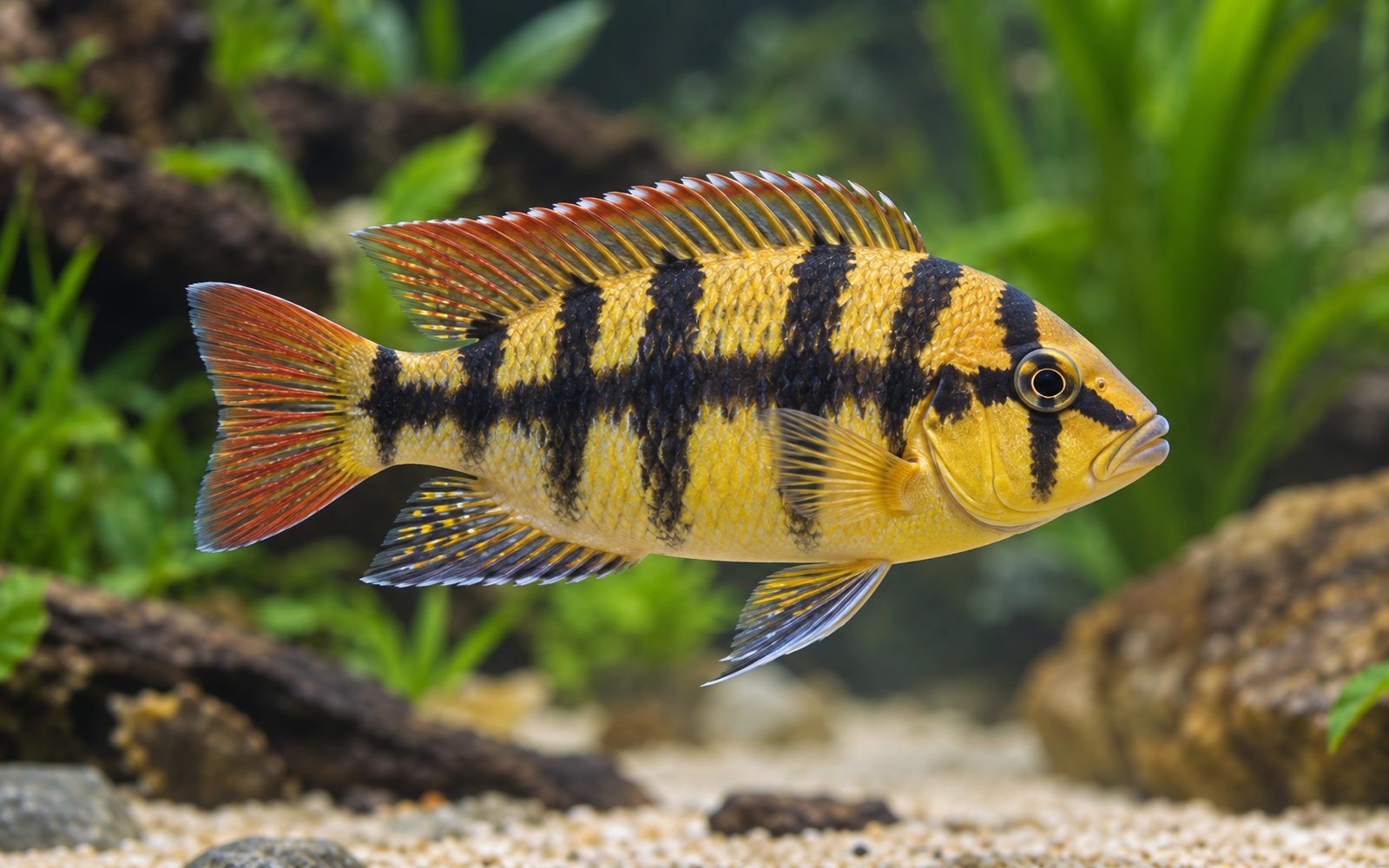 Zebra Obliquidens
Burton's Mouthbrooder
Zebra Obliquidens
Burton's Mouthbrooder
 Auratus Cichlid
 Bumblebee Cichlid
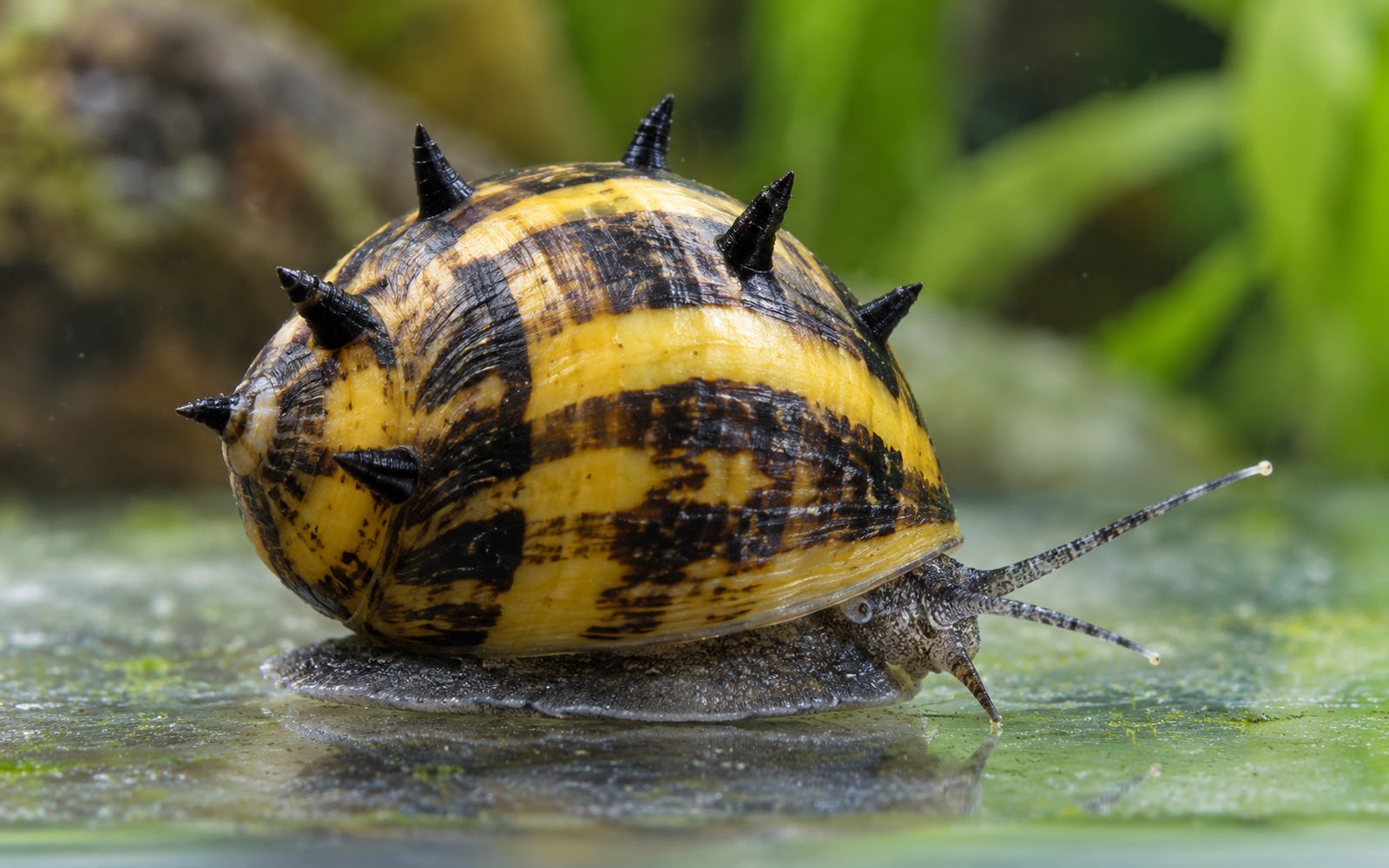 Horned Nerite Snail
Ice Blue Zebra
Horned Nerite Snail
Ice Blue Zebra
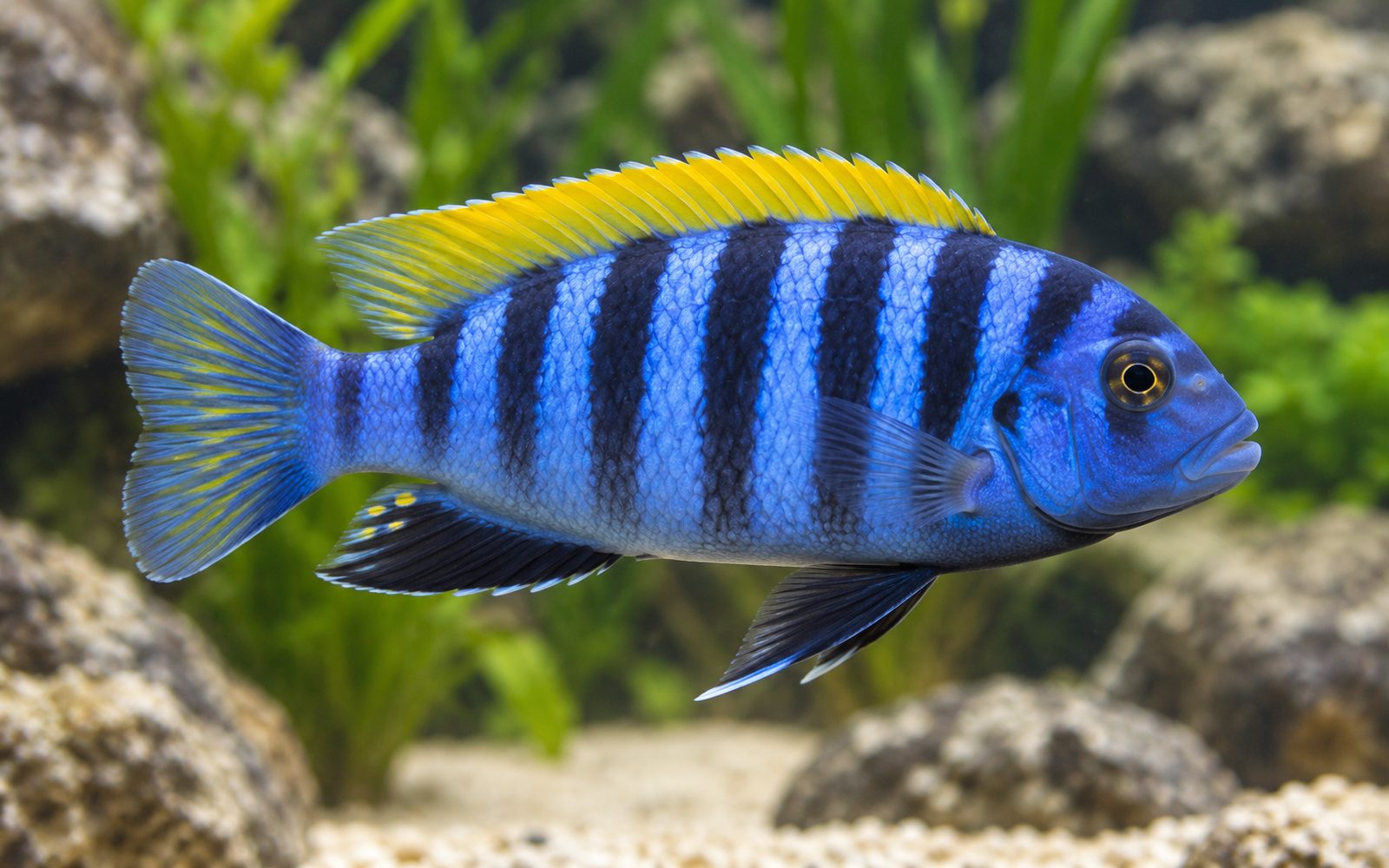 Afra Cichlid
Should not be kept together








Hobbyist notes
Things you won't find in books, learned by trial and error. The most helpful ones are on top.
Change history and contributors
- Page created · October 16, 2026