
Water parameters
Overview
A warning first: the ripsaw catfish is one of the largest members of the family Doradidae. It is sold in stores as 10 cm juveniles; adults exceed 1 meter and live a very long time. No standard home aquarium can house this fish, and public aquariums often do not accept grown individuals either. Never release it into the wild. Along the side of its gray to dark brown body it carries large, spiny bony plates lined up like the teeth of a saw; this is where its name comes from.
Tank Setup
- At least 4000 liters for an adult; only the scale of a custom pond or public aquarium.
- A wide sand substrate; it feeds by sifting the bottom with its mouth.
- Minimal and very sturdy decor; large roots and rocks.
- Very strong filtration, a sump and frequent, large water changes.
Diet
Omnivorous and feeds from the bottom: with its downward-facing mouth it sifts the sand to collect invertebrates and organic matter. Offer large sinking granules, mussels, shrimp, worms and vegetable tablets.
Behavior and Compatibility
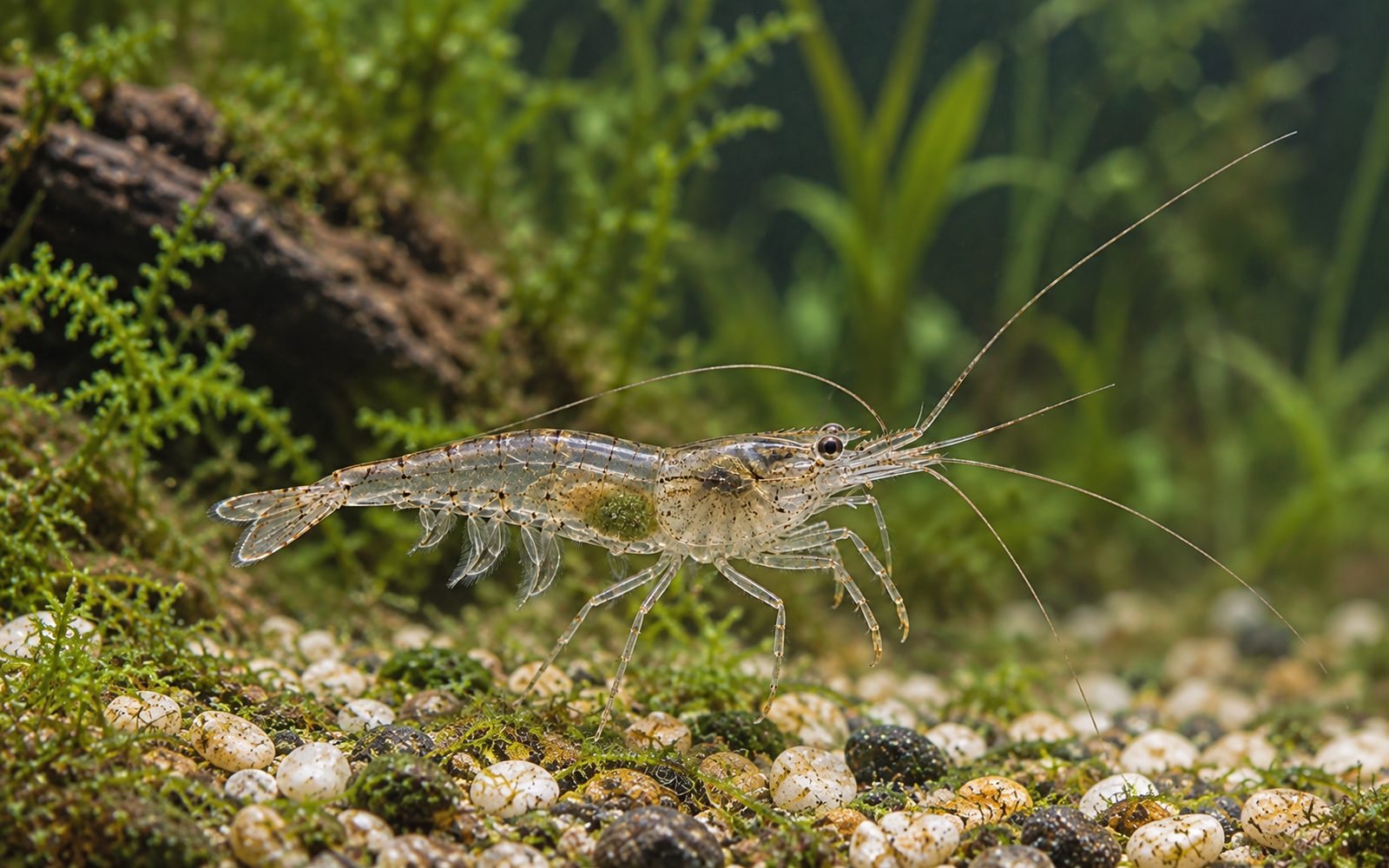
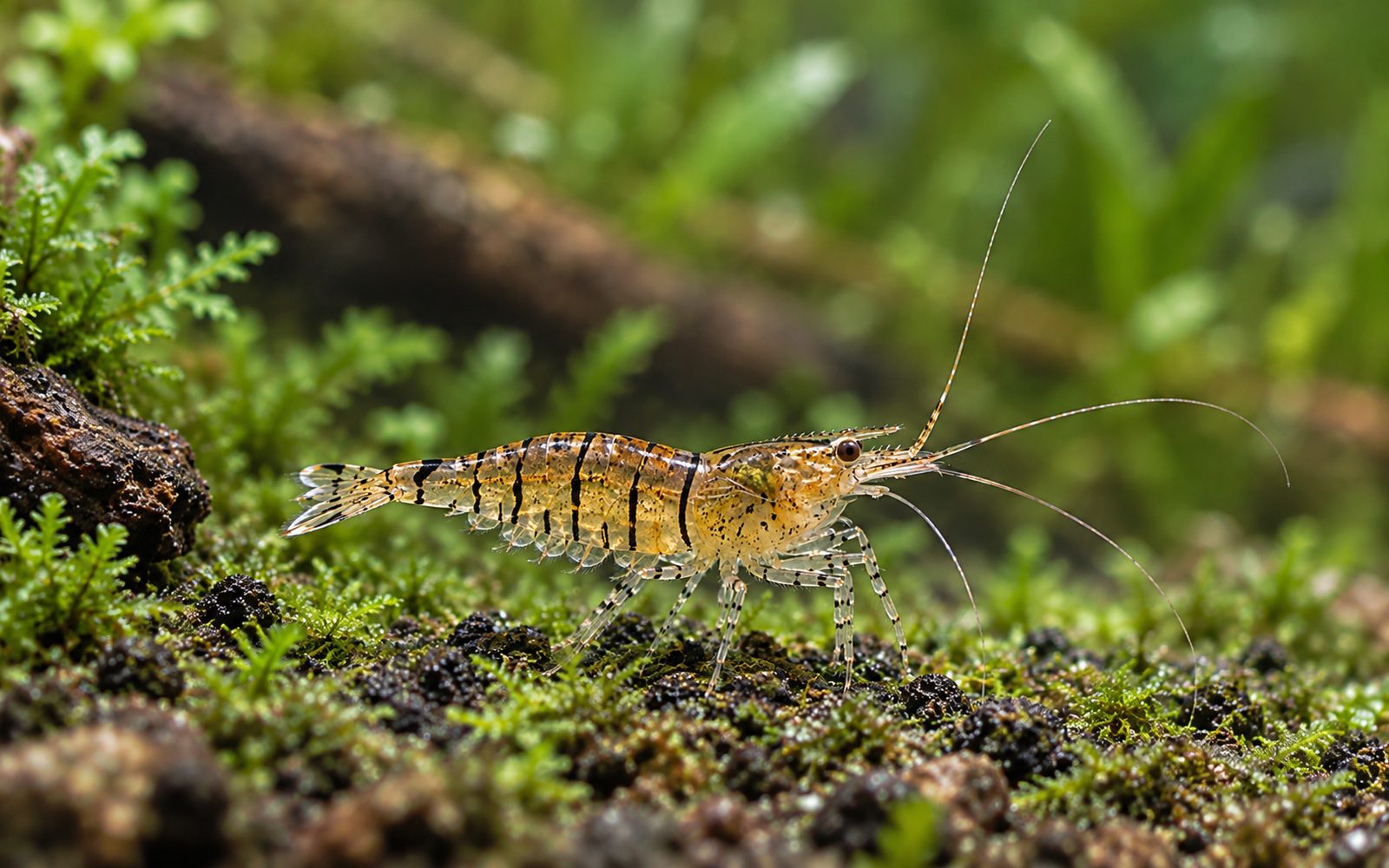
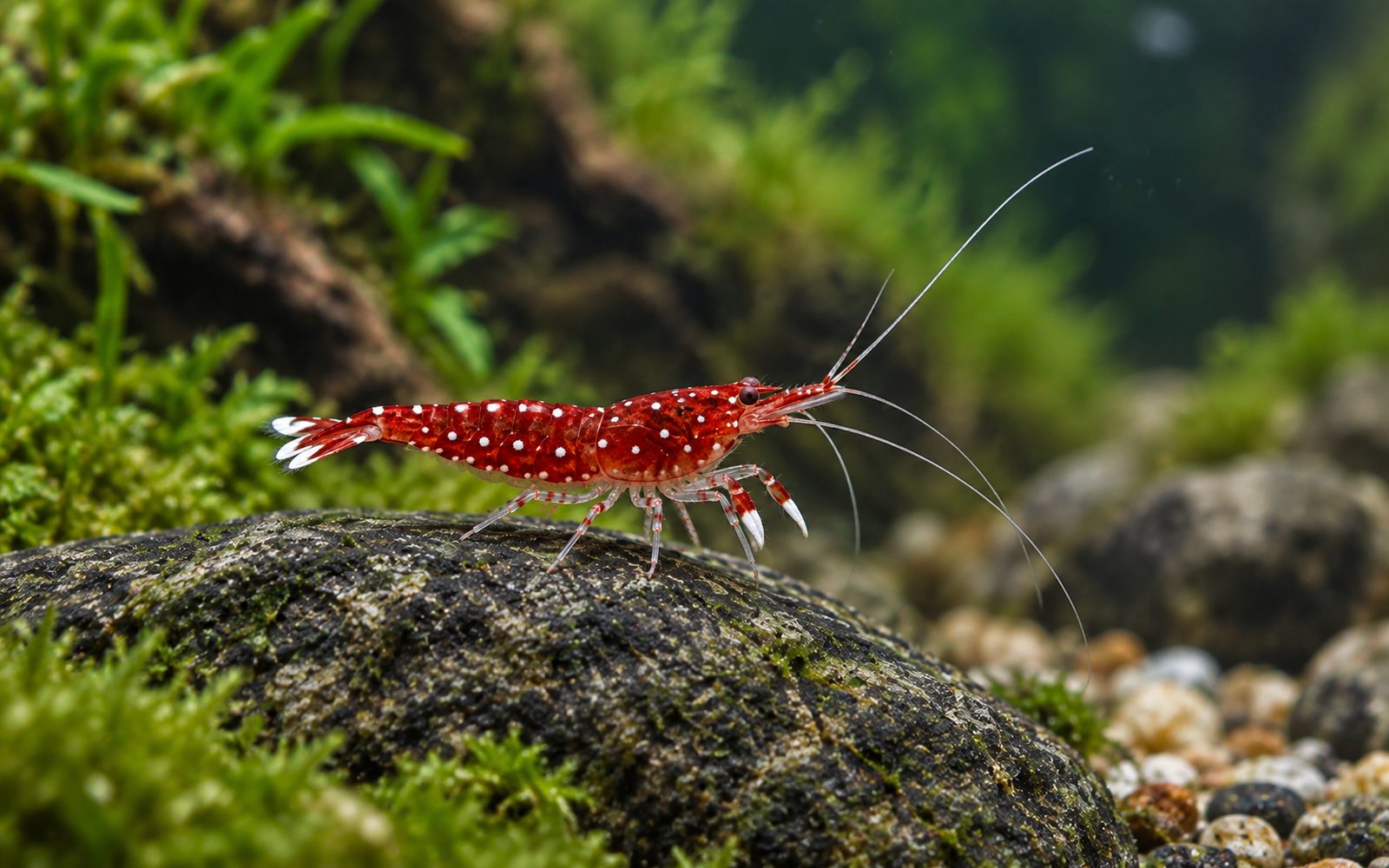
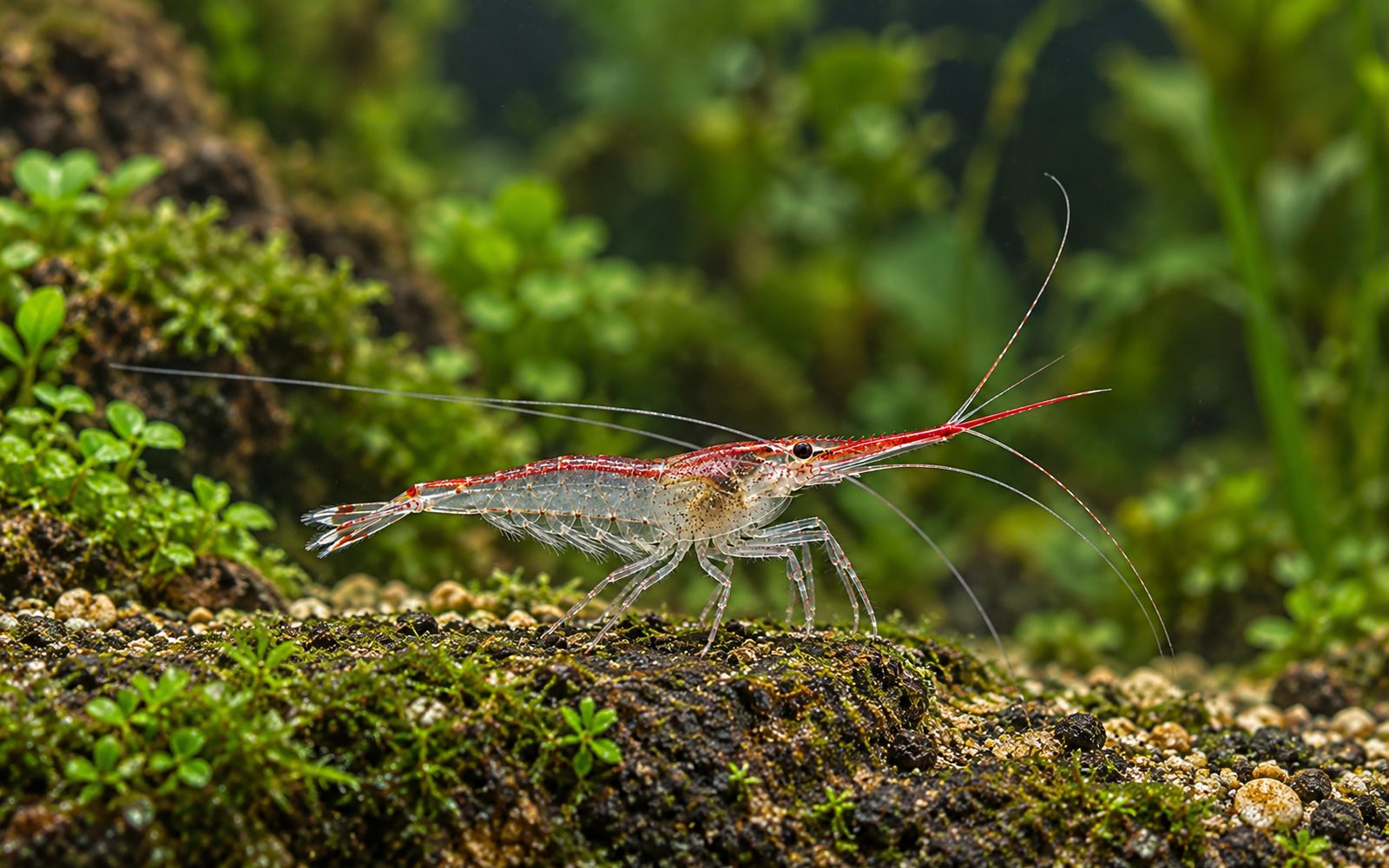
Despite its size it is peaceful; it does not hunt fish. However, it eats shrimp and snails living on the bottom and knocks over decor with its large body. Its spines and hooked plates get caught in nets, and handling it is dangerous.
Good companions: only in very large systems, large and calm fish: big pacus, large cichlids, large catfish.
Avoid: normal home aquariums, shrimp and snails.
A short profile for this species
The Ripsaw Catfish page has the basics, but the sections below have not been written yet. If you keep this species, write a section from your own experience; it will be published under your name after editor approval.
Tank mates
This list is calculated automatically from the species profile and grows as new species are added to the catalog. Try it in the planner for a definite answer.
Usually compatible
 Flame Tetra
Glass Tetra
Flame Tetra
Glass Tetra
 Blackfin Corydoras
 Polystictus Corydoras
 Emerald Betta
 Emerald Cory
 Emerald Dwarf Rasbora
 Porthole Catfish
 Keyhole Cichlid
 Firemouth Cichlid
Should not be kept together


Hobbyist notes
Things you won't find in books, learned by trial and error. The most helpful ones are on top.
Change history and contributors
- Page created · October 16, 2026