
Water parameters
Overview
Tropheus polli is unique in the genus for the deeply forked, lyre shape of its tail fin with two pointed tips; the tails of other Tropheus species are straight or slightly concave. The body is in dark blue-black tones; in some individuals and populations a lighter band is seen in the middle of the body. It lives only in a limited area in the central part of the Tanzanian coast. Its care is the same as for other Tropheus, and it is sensitive to the same mistakes.
Tank Setup
- At least 300 liters and 150 cm of length for a group of 12–15.
- Plenty of rock piles that break lines of sight; high oxygen and a strong filter.
- pH 8–9, hard and stable water; a 30% water change every week, low nitrate.
- One species and one local form; no other Tropheus are added.
Diet
Herbivorous. Low-protein flakes or granules based mainly on spirulina are given in small amounts 2–3 times a day. Carnivorous foods and bloodworms cause bloat.
Behavior and Compatibility
There is a constant struggle for rank within the group; a large group spreads out the aggression. The long tail tips can get frayed in quarrelsome tanks. The female is a mouthbrooder and produces a small number of fry.
Good companions: Cyprichromis, Paracyprichromis, Synodontis catfish.
Avoid: other Tropheus species, Malawi mbuna, carnivorous species, shrimp and plants.
A short profile for this species
The Tropheus polli page has the basics, but the sections below have not been written yet. If you keep this species, write a section from your own experience; it will be published under your name after editor approval.
Tank mates
This list is calculated automatically from the species profile and grows as new species are added to the catalog. Try it in the planner for a definite answer.
Usually compatible
 Demasoni Cichlid
 Pundamilia nyererei
 Pundamilia pundamilia
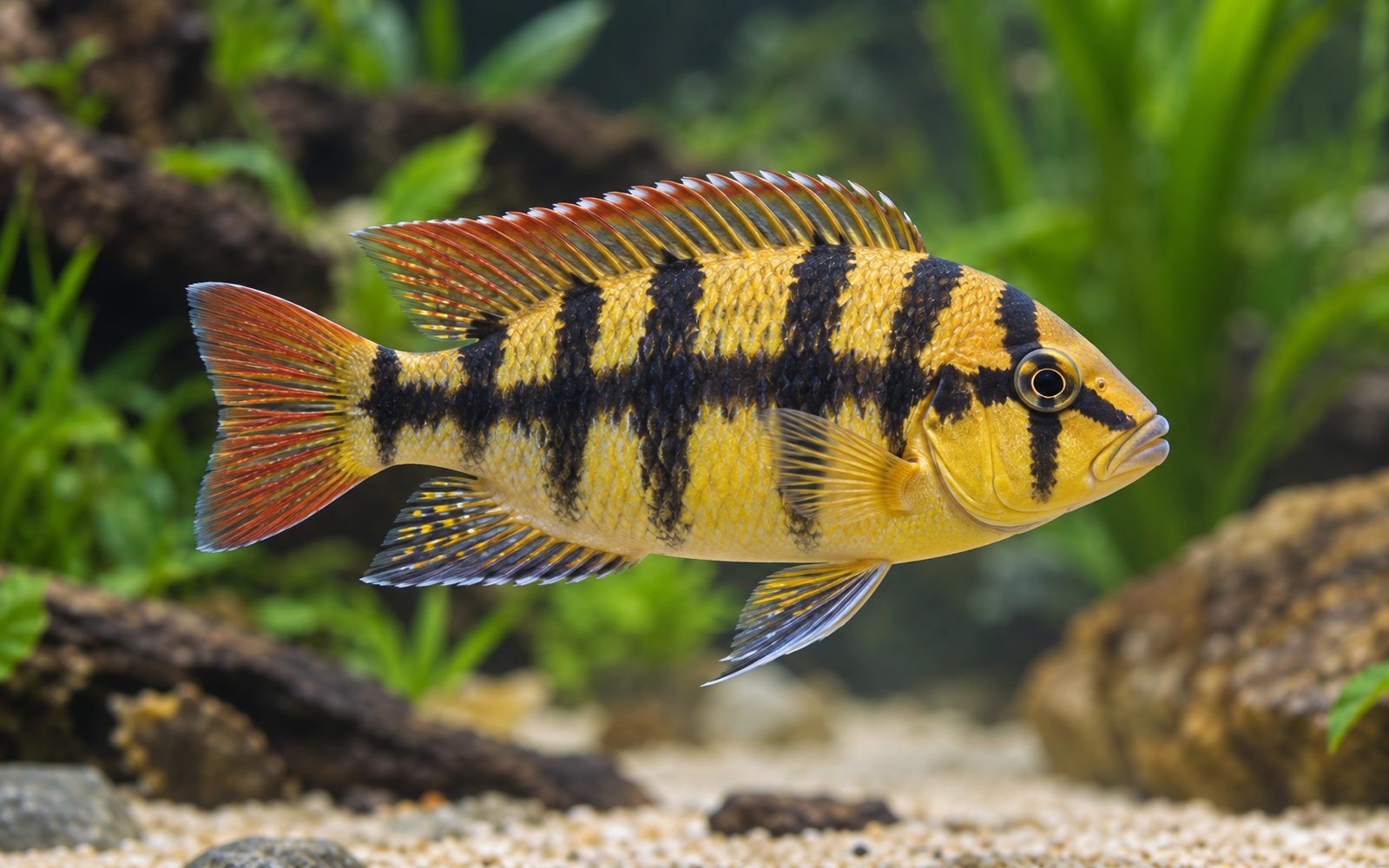 Zebra Obliquidens
Burton's Mouthbrooder
Zebra Obliquidens
Burton's Mouthbrooder
 Auratus Cichlid
 Bumblebee Cichlid
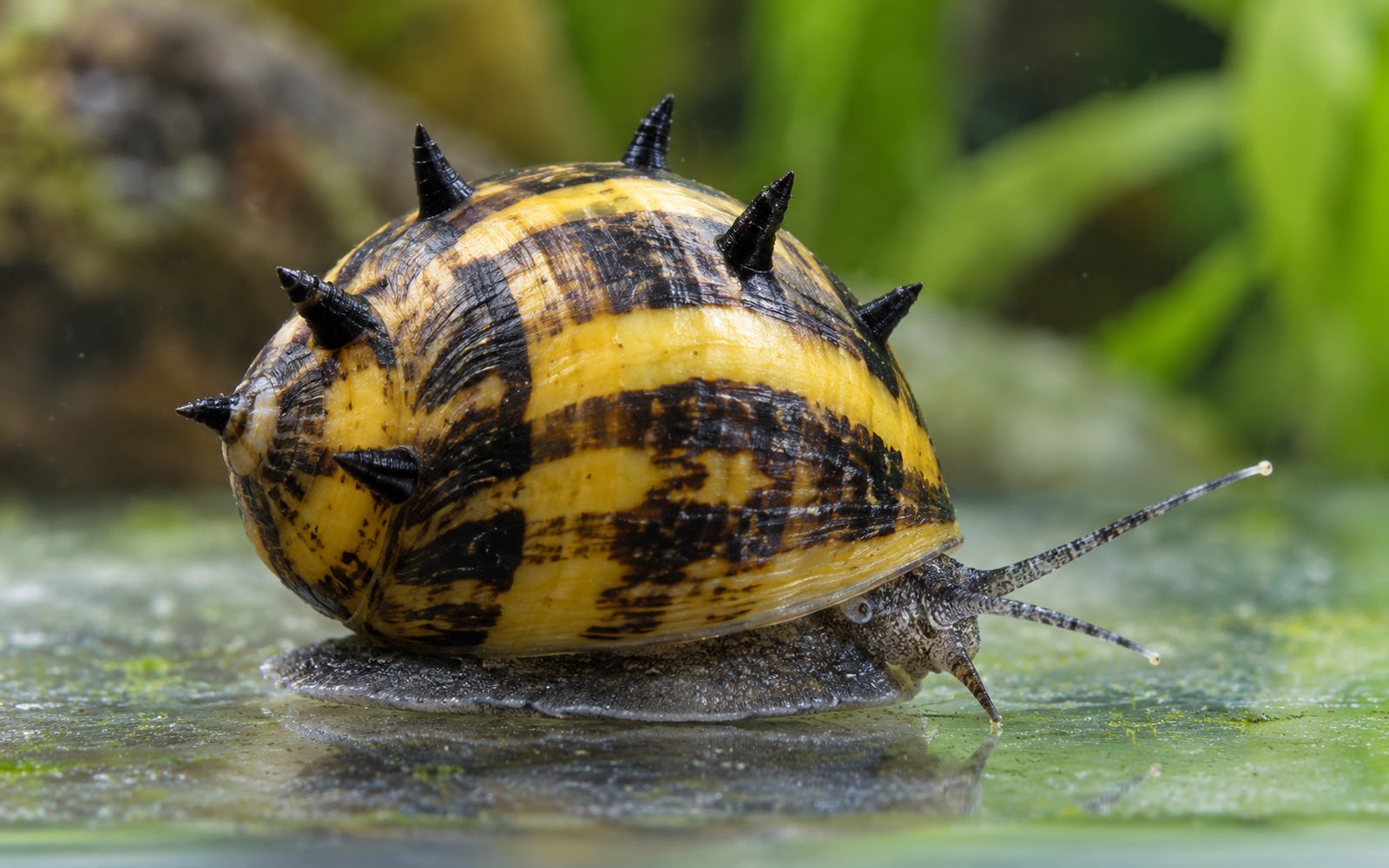 Horned Nerite Snail
Ice Blue Zebra
Horned Nerite Snail
Ice Blue Zebra
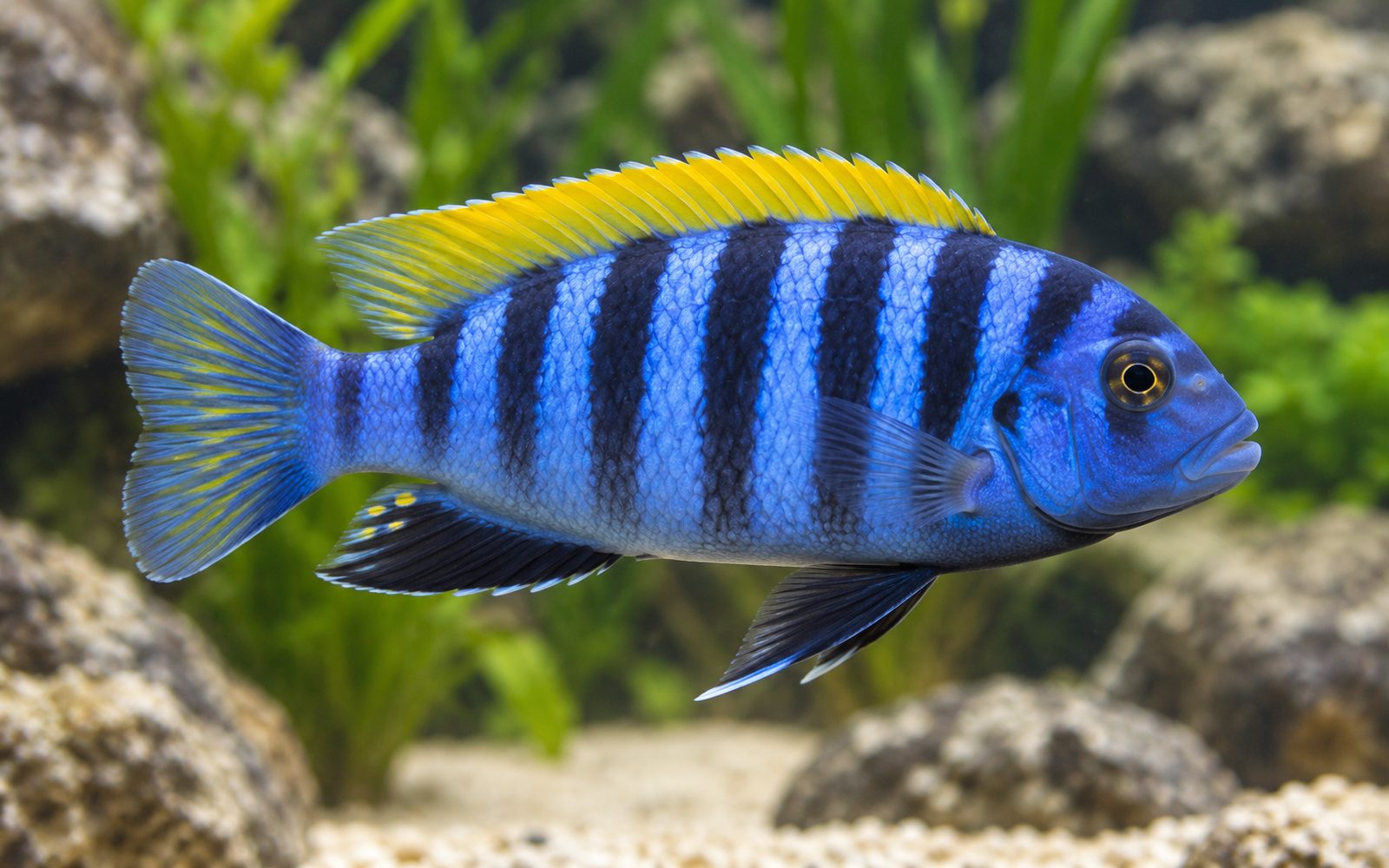 Afra Cichlid
Should not be kept together








Hobbyist notes
Things you won't find in books, learned by trial and error. The most helpful ones are on top.
Change history and contributors
- Page created · October 16, 2026