
Water parameters
Overview
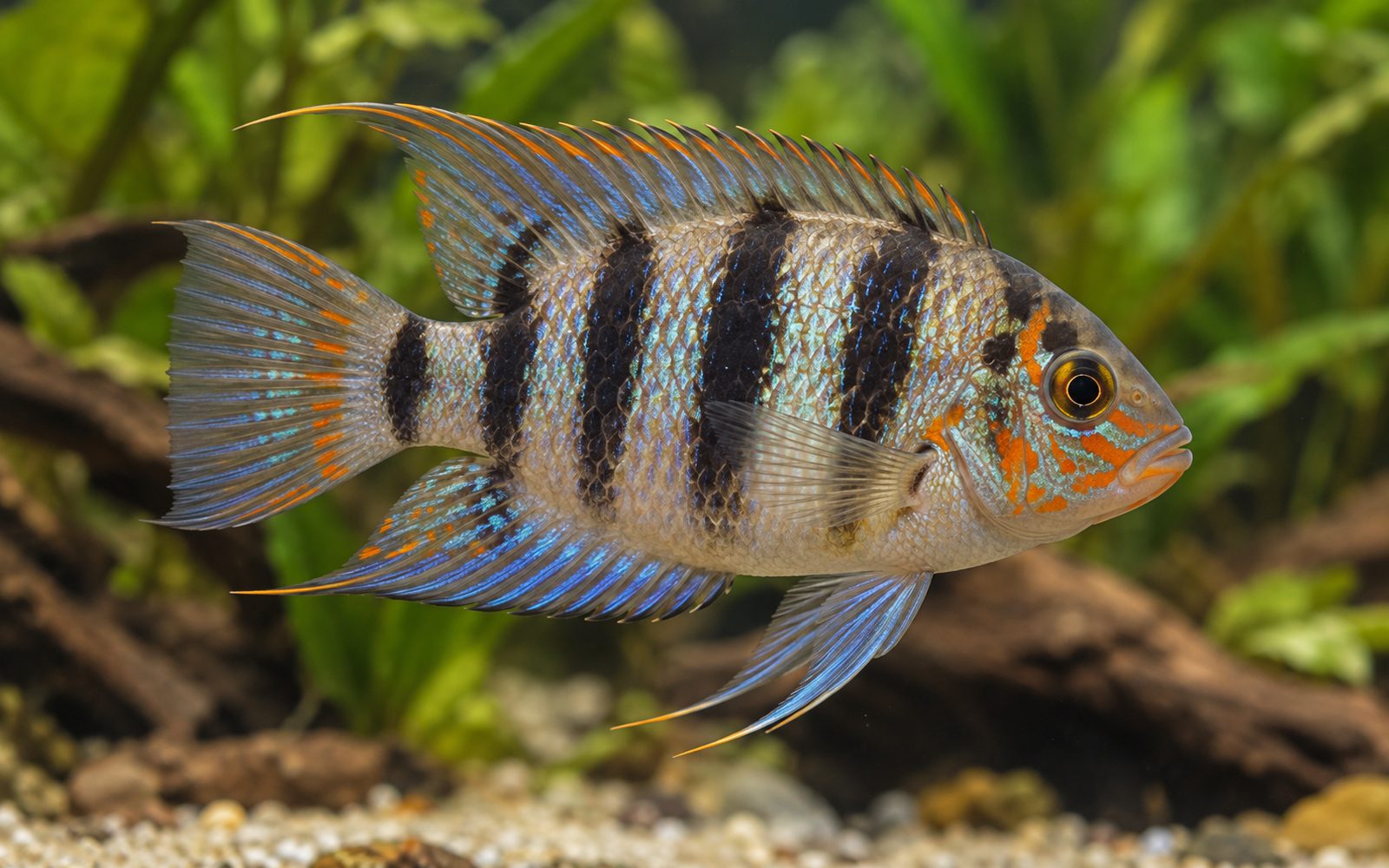
The zebra acara is endemic to the middle and upper Rio Negro in Brazil and was described in 1993 as Nannacara adoketa. Its silvery-beige body is covered in blue-sheened scales; its thick black vertical bars darken markedly during breeding and while raising fry, and there are orange markings on its face and fins. Males grow to 8–9 cm and develop extended dorsal, anal and pelvic fins; females are about 3 cm smaller. Though it looks cute, its temperament recalls that of Central American cichlids.
Tank Setup
- At least 120 liters for a pair; plenty of decor that breaks lines of sight.
- 24–27°C, pH 4.5–6.5, very soft water; these values are essential for breeding.
- Fine sand, roots, dried leaves, flat stones and dim light.
Diet
Omnivorous, with a preference for meaty foods. It feeds on frozen bloodworms, brine shrimp, mysis and a quality cichlid granule.
Behavior and Compatibility
Aggressive toward its own kind and similar fish; it is best kept in a species tank or only with large, fast companions. It eats small fish and shrimp that fit in its mouth. It spawns on open surfaces; the parents guard the fry together.
Good companions: large, fast tetras and hatchetfish that tolerate soft water (in a large tank).
Avoid: small tetras such as neons and cardinals, other dwarf cichlids, shrimp, slow and shy fish.
A short profile for this species
The Zebra Acara page has the basics, but the sections below have not been written yet. If you keep this species, write a section from your own experience; it will be published under your name after editor approval.
Tank mates
This list is calculated automatically from the species profile and grows as new species are added to the catalog. Try it in the planner for a definite answer.
Usually compatible
 Threadfin Acara
 Cryptocoryne Parva
 Lifalili Jewel Cichlid
Adonis Pleco
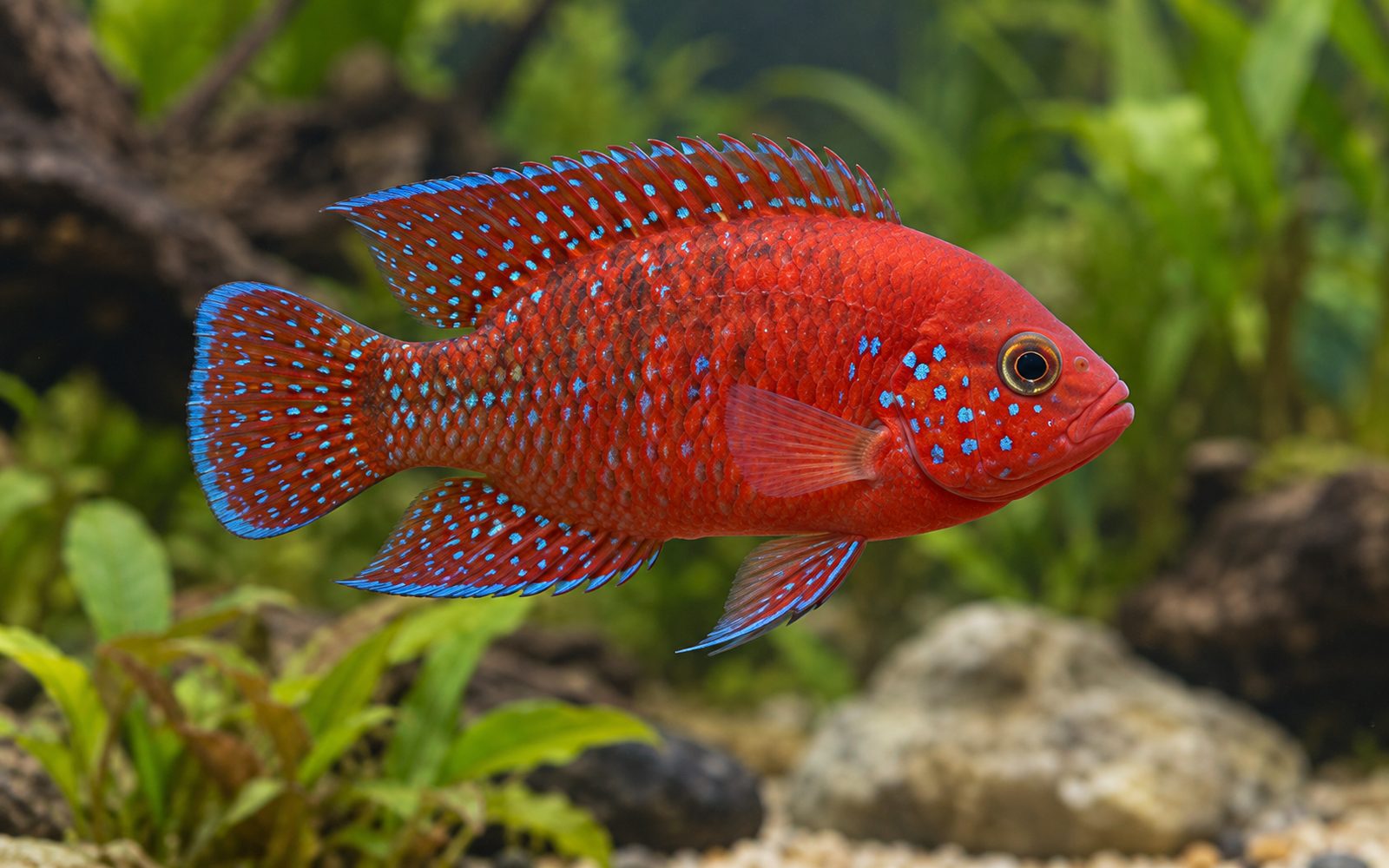
Lifalili Jewel Cichlid
Adonis Pleco
 Weeping Moss
 Flame Moss
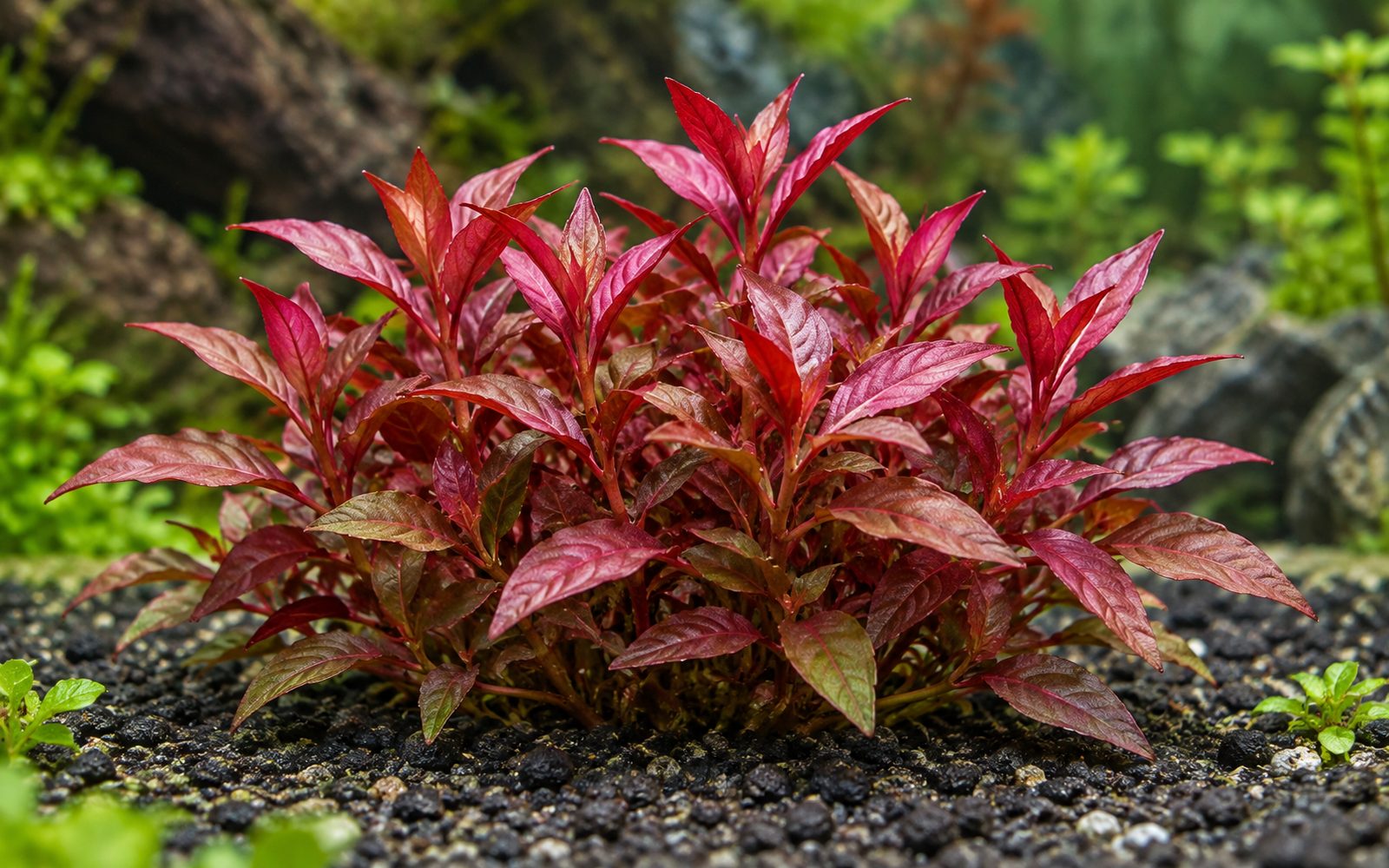 Alternanthera Reineckii 'Mini'
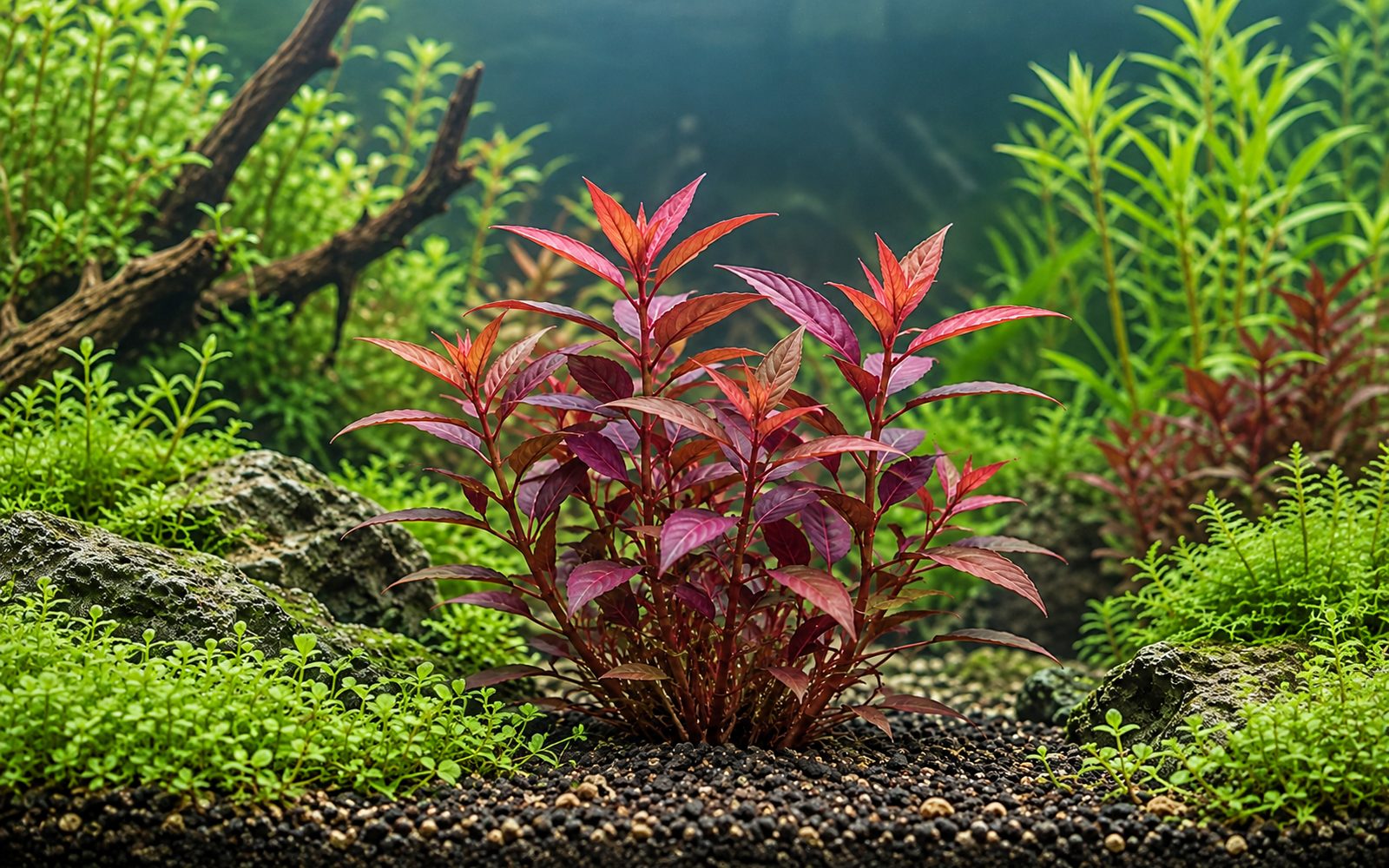 Alternanthera Reineckii
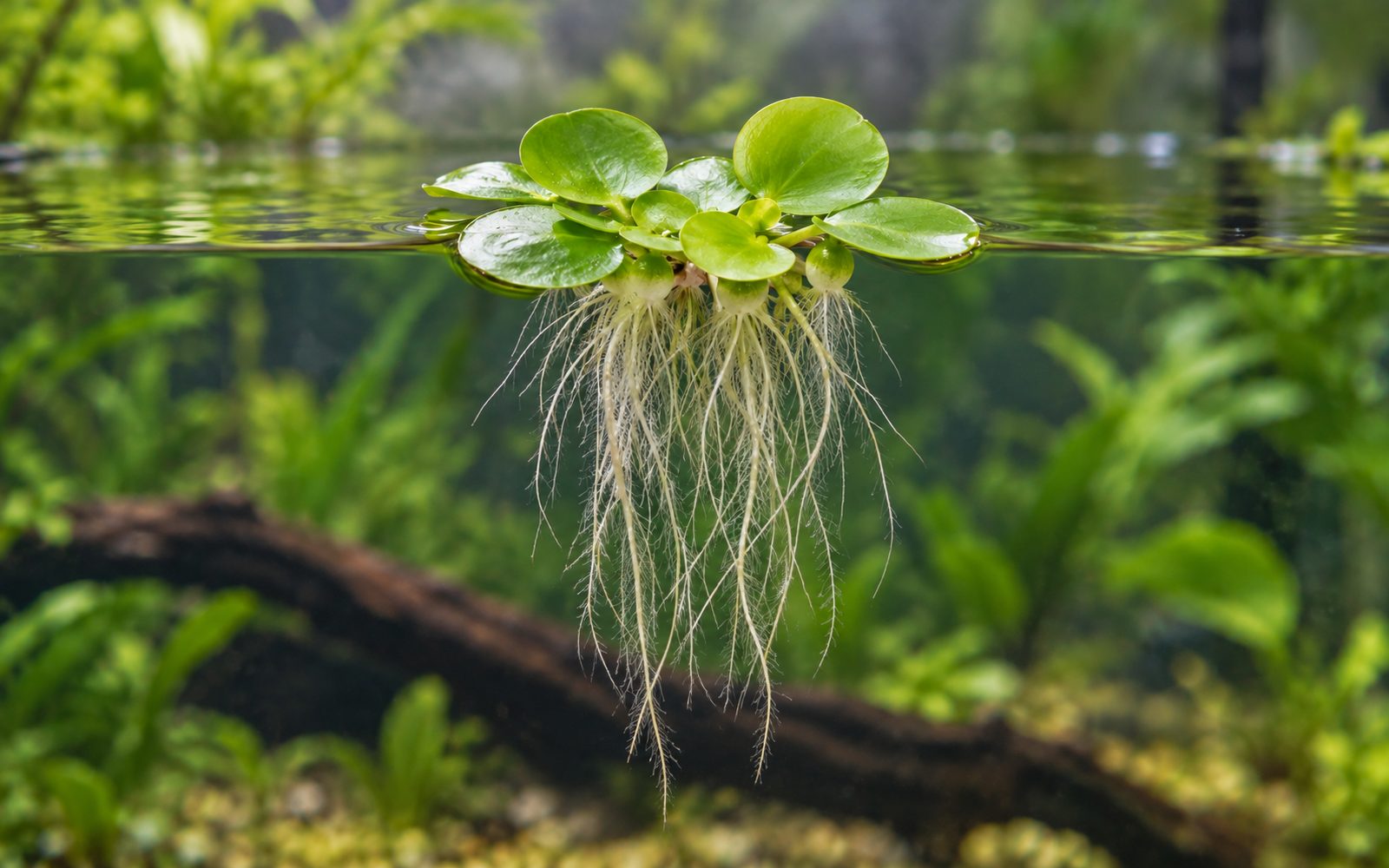 Amazon Frogbit
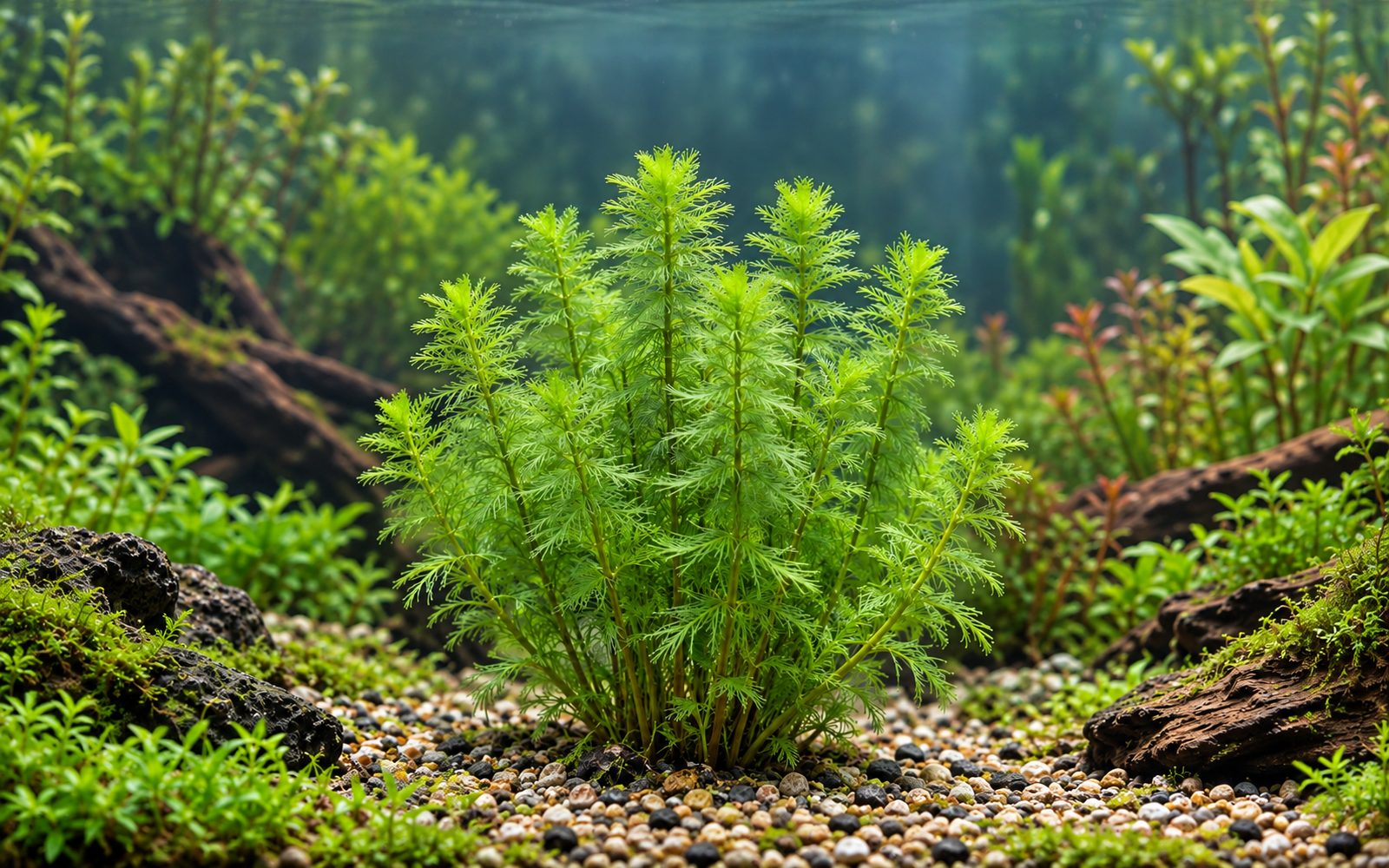 Ambulia
Should not be kept together








Hobbyist notes
Things you won't find in books, learned by trial and error. The most helpful ones are on top.
Change history and contributors
- Page created · October 16, 2026