
Water parameters
Overview
The ocellated puffer is a puffer from the fresh waters of India and Bangladesh, easily recognized by the ringed black eyespot on its flank. It has a simple but striking look in olive-yellow tones. It usually stays around 12 cm and rarely reaches 15 cm. It does not need salt; it likes moderately hard, slightly alkaline water.
Tank Setup
- At least 100 liters for a single individual.
- Planted decor that breaks lines of sight; roots and rocks.
- 25–27°C, moderately hard water.
- A powerful filter and 30% water changes every week.
Diet
Carnivorous. It is fed snails, frozen bloodworms, mysis, mussels and shell-on shrimp. Hard-shelled foods are needed to wear down the teeth.
Behavior and Compatibility
Territorial and aggressive; it nips fins, hunts shrimp and snails and eats small fish that fit in its mouth.
Good companions: the safest option is to keep it alone.
Avoid: community fish, long-finned species, shrimp, snails, other puffers.
A short profile for this species
The Ocellated Puffer page has the basics, but the sections below have not been written yet. If you keep this species, write a section from your own experience; it will be published under your name after editor approval.
Tank mates
This list is calculated automatically from the species profile and grows as new species are added to the catalog. Try it in the planner for a definite answer.
Usually compatible
 Banded Jewel Cichlid
 Chocolate Cichlid
 Demasoni Cichlid
 Jack Dempsey
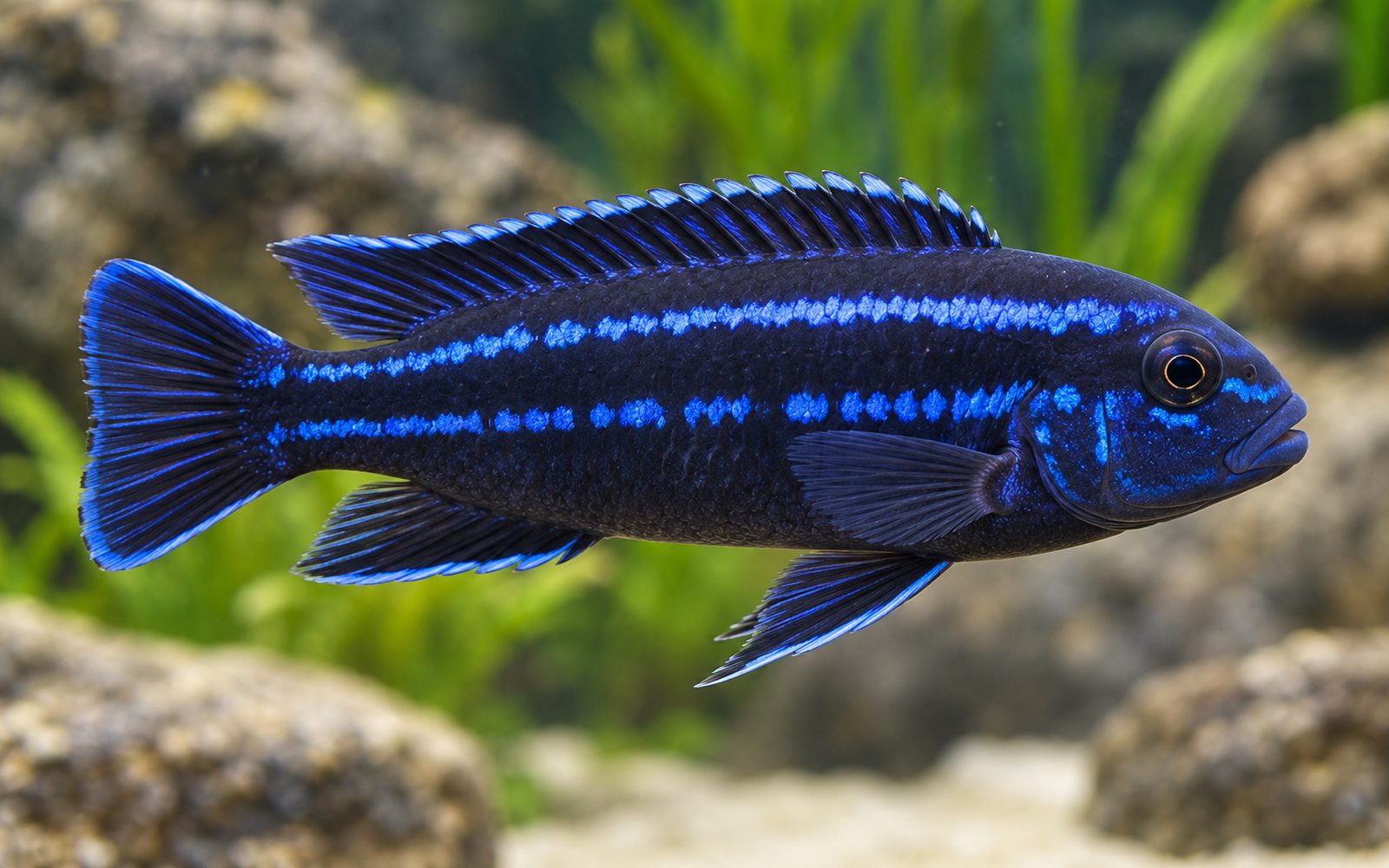 Johanni Cichlid
 Red Devil Cichlid
 Convict Cichlid
 Cryptocoryne Parva
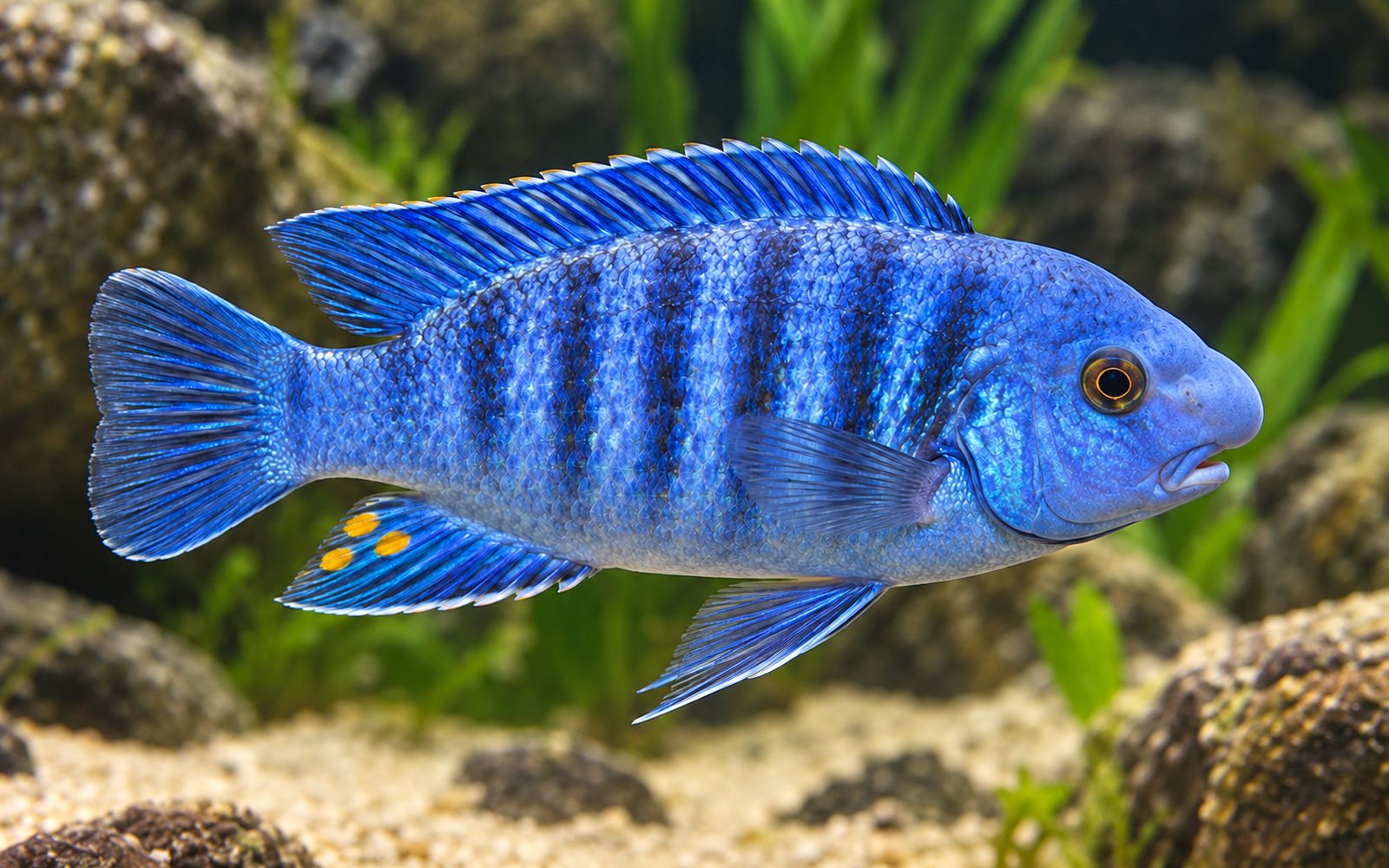 Labeotropheus fuelleborni
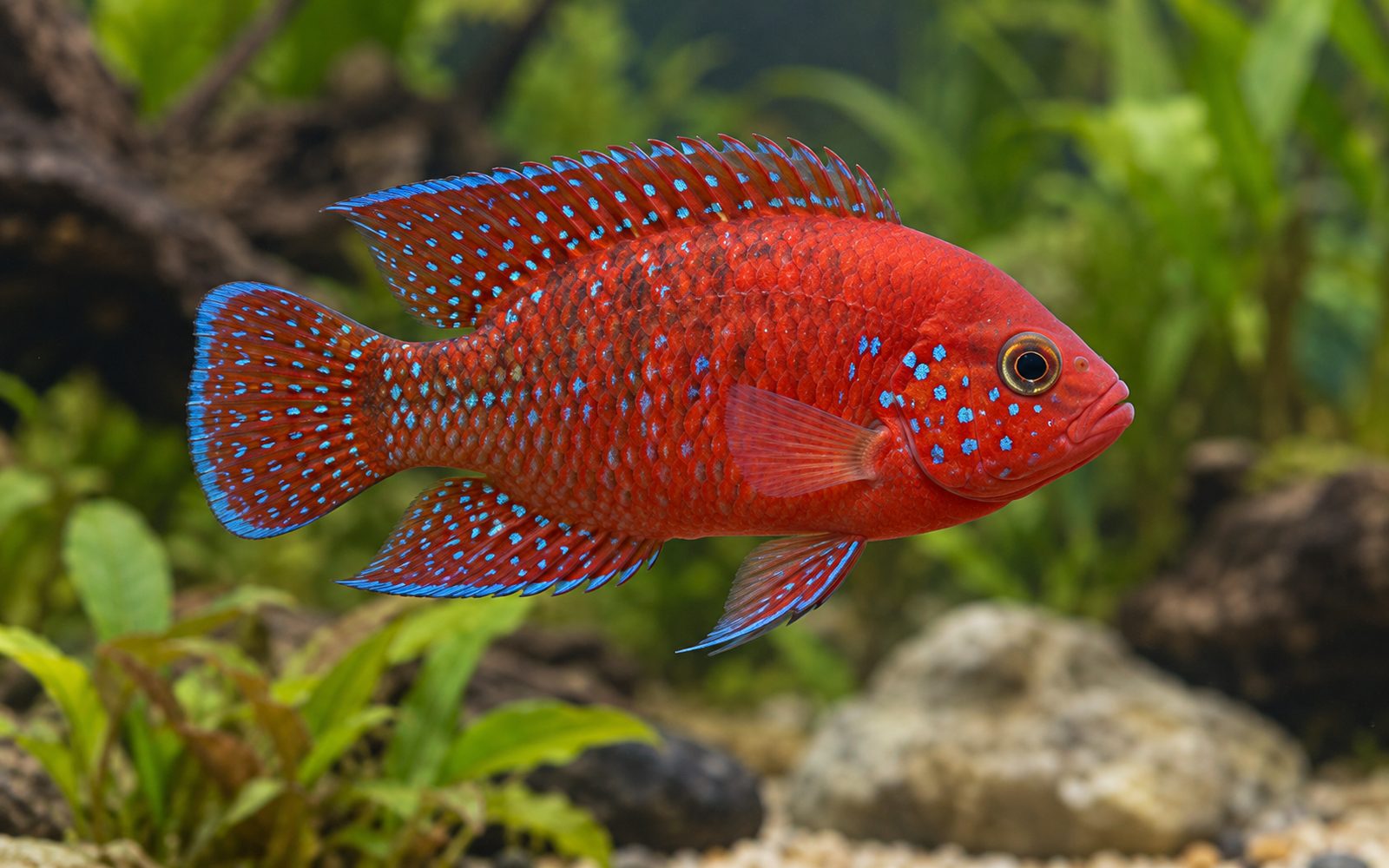 Lifalili Jewel Cichlid
Should not be kept together








Hobbyist notes
Things you won't find in books, learned by trial and error. The most helpful ones are on top.
Change history and contributors
- Page created · October 16, 2026