
Water parameters
Overview
Parosphromenus filamentosus is a licorice gourami of about 4 cm that lives in the peat swamps of South Kalimantan. A long filament extends from the middle of the males' spear-shaped caudal fin; this feature easily sets it apart from the other members of the genus. During courtship the males' dorsal and anal fins color up with red and bright blue-white bands. The male guards the eggs in the small bubble nest he builds on the ceiling of a cave.
Tank Setup
- At least 20 liters for a pair; a species tank is best.
- 24–27°C, pH 4–6, GH 0–4; reverse osmosis water or rainwater.
- A thick layer of dried leaves, roots, small caves and dim light.
- Almost still water; small water changes with matching values.
Diet
A carnivore that feeds on tiny organisms and often refuses dry food. Live brine shrimp nauplii, cyclops, microworms and grindal worms should be the staple; it may accept small frozen foods over time.
Behavior and Compatibility
Very calm and timid; it spends most of its time among leaves and caves, near the bottom. It goes hungry next to fast tankmates.
Good companions: only its own species; in a large species tank, very small and calm peat-water fish such as Boraras.
Avoid: fast schooling fish, gouramis and bettas, species that need hard water, other Parosphromenus species (they can hybridize).
A short profile for this species
The Parosphromenus filamentosus page has the basics, but the sections below have not been written yet. If you keep this species, write a section from your own experience; it will be published under your name after editor approval.
Tank mates
This list is calculated automatically from the species profile and grows as new species are added to the catalog. Try it in the planner for a definite answer.
Usually compatible
 Keyhole Cichlid
 Cupid Cichlid
 Geophagus altifrons
 Geophagus surinamensis
 Adolfo's Cory
 Flame Moss
 Golden Pencilfish
Gold Tetra
Golden Pencilfish
Gold Tetra
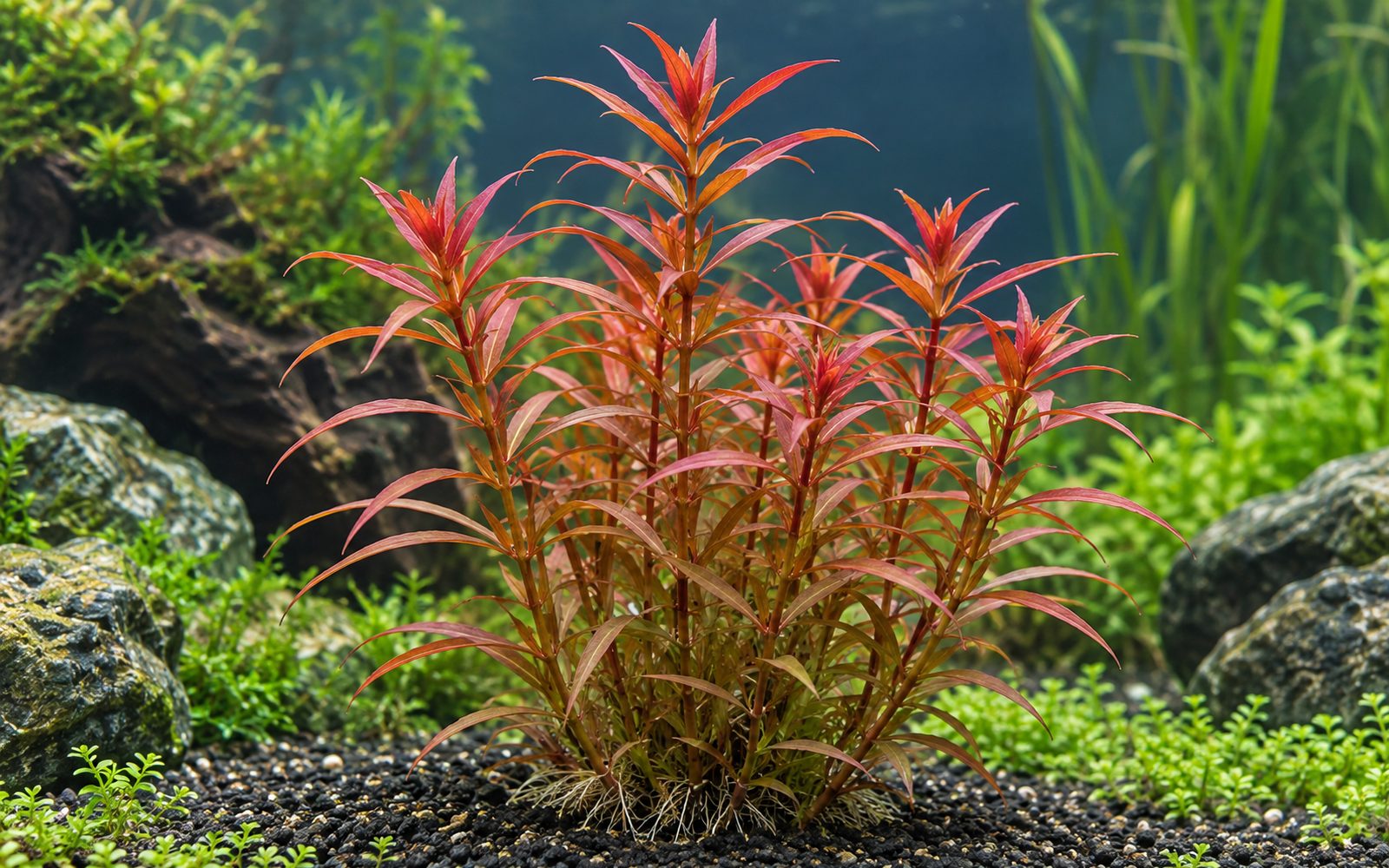 Ammannia Gracilis
Axelrodi Rasbora
Ammannia Gracilis
Axelrodi Rasbora
Should not be kept together







Hobbyist notes
Things you won't find in books, learned by trial and error. The most helpful ones are on top.
Change history and contributors
- Page created · October 16, 2026