
Water parameters
Overview
A warning first: the redtail catfish is one of the most problematic species sold in the aquarium trade. It is sold as 5–10 cm juveniles; when well fed it can pass 30 cm within the first year, and adults exceed 1.3 meters and 40 kg. No standard home aquarium can house this fish. Public aquariums mostly do not accept grown individuals, and releasing them into the wild is illegal in many countries and harms both the fish and the local ecosystem. Never release it into the wild.
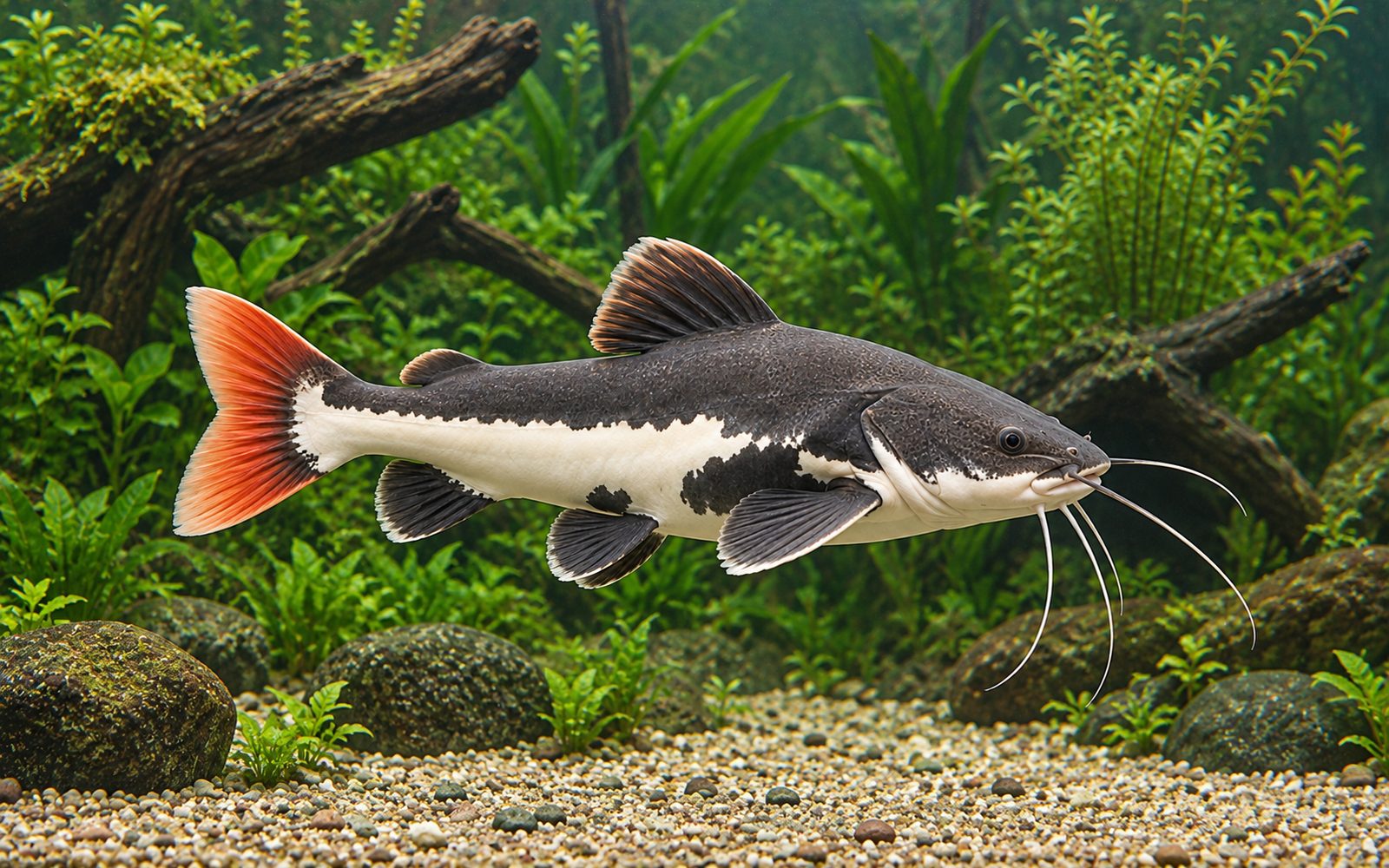
Its appearance is striking: a broad, flat head, a sharp border between the dark gray back and the white lower flank, and an orange-red tail. Because it is a fish that recognizes its owner and takes food from the hand, buying a juvenile and parting with it later is emotionally difficult as well.
Natural Habitat
It lives in the large rivers, lakes and flooded forests of the Amazon and Orinoco basins. It stays near the bottom in the deep parts of rivers. In the wild it eats fish, crayfish, crabs and fruit that falls into the water.
Tank Setup
- Volume: at least 10000 liters for one adult; the width should be at least twice the fish's length. These dimensions mean a custom pond or a public aquarium.
- Filter: a sump or pond filter; frequent, large water changes because of the very heavy waste load.
- Decor: minimal and very sturdy; there should be no objects it could swallow, such as gravel, small stones, heaters and thermometers.
- Water: 22–27°C, pH 6.0–7.8; it is not fussy about water parameters — the real problem is volume.
Diet
Carnivorous and greedy. Juveniles are given large sinking granules, fish fillet, shrimp and mussels several times a week; one or two meals a week is enough for adults. Overfeeding leads to rapid growth and obesity. Live feeder fish can carry disease, and mammal meat is not recommended because of its fat content.
Behavior and Compatibility
It is generally intolerant of its own kind and of other large catfish. It swallows any fish that fits in its mouth; even fish approaching half its own length are not safe. Adults are strong enough to knock over decor and break heaters.
Good companions: only in very large ponds, fish too big to be swallowed and robust (large pacus, big cichlids, large arowanas).
Avoid: every small and medium-sized fish, shrimp, snails; normal home aquariums.
Group and Colony Structure
It is kept as a single individual. Keeping two redtail catfish, or a redtail with a similarly large catfish, can be attempted only in enormous systems and with a serious risk of fighting.
Breeding
It does not breed in home aquariums. Juveniles in the trade are produced on commercial farms with hormone treatment or are wild-caught.
Health and Common Problems
- Swallowing foreign objects: it can swallow gravel, stones and pieces of equipment, which causes intestinal blockage.
- Overfeeding: obesity and liver problems are the most common long-term issues.
- Insufficient volume: ammonia and nitrate buildup leads to barbel and fin rot.
Sexing
Cannot be reliably sexed externally.
Tank mates
This list is calculated automatically from the species profile and grows as new species are added to the catalog. Try it in the planner for a definite answer.
Usually compatible
 Cryptocoryne Parva
 Wolf Cichlid
Adonis Pleco
Wolf Cichlid
Adonis Pleco
 Weeping Moss
 Flame Moss
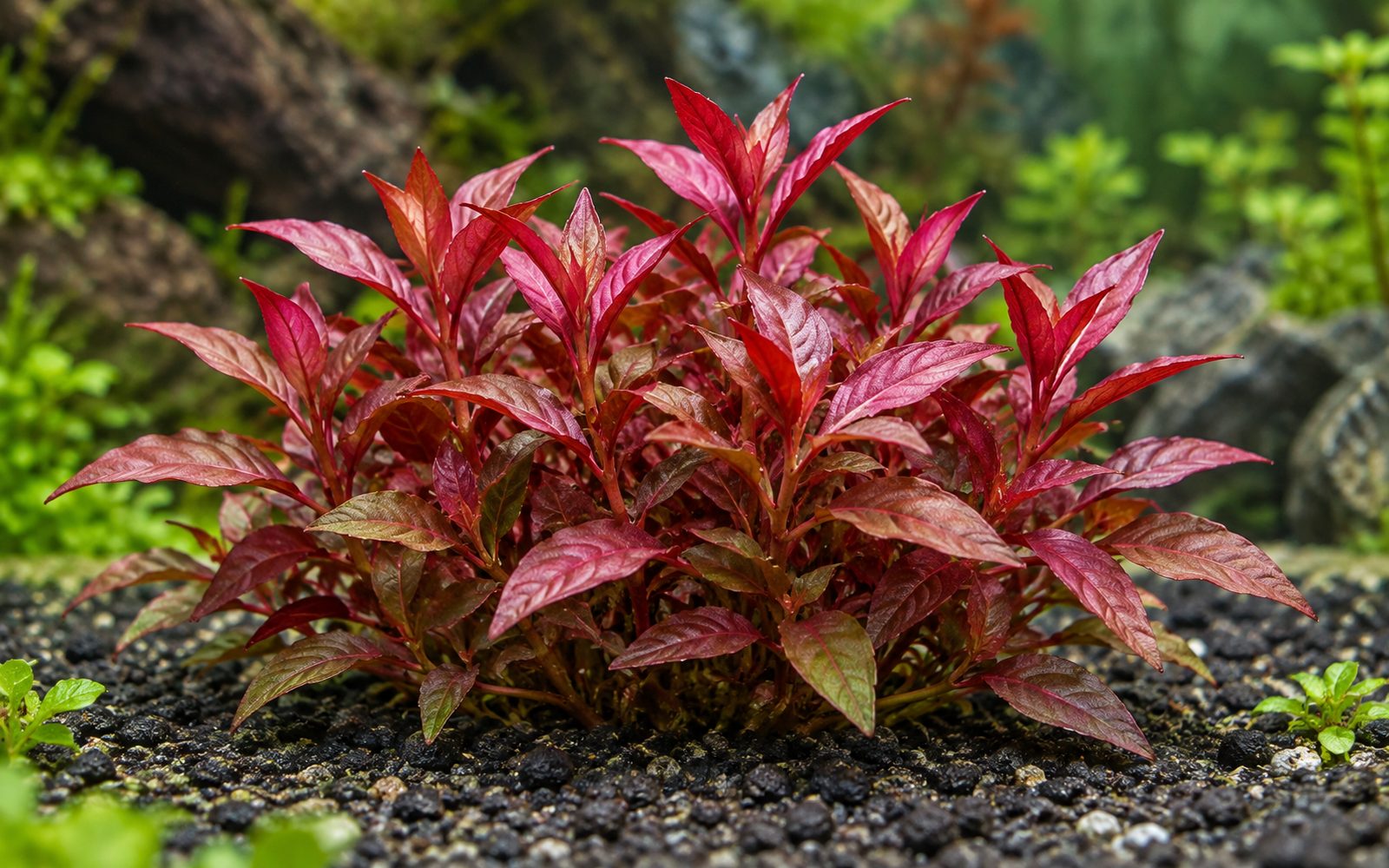 Alternanthera Reineckii 'Mini'
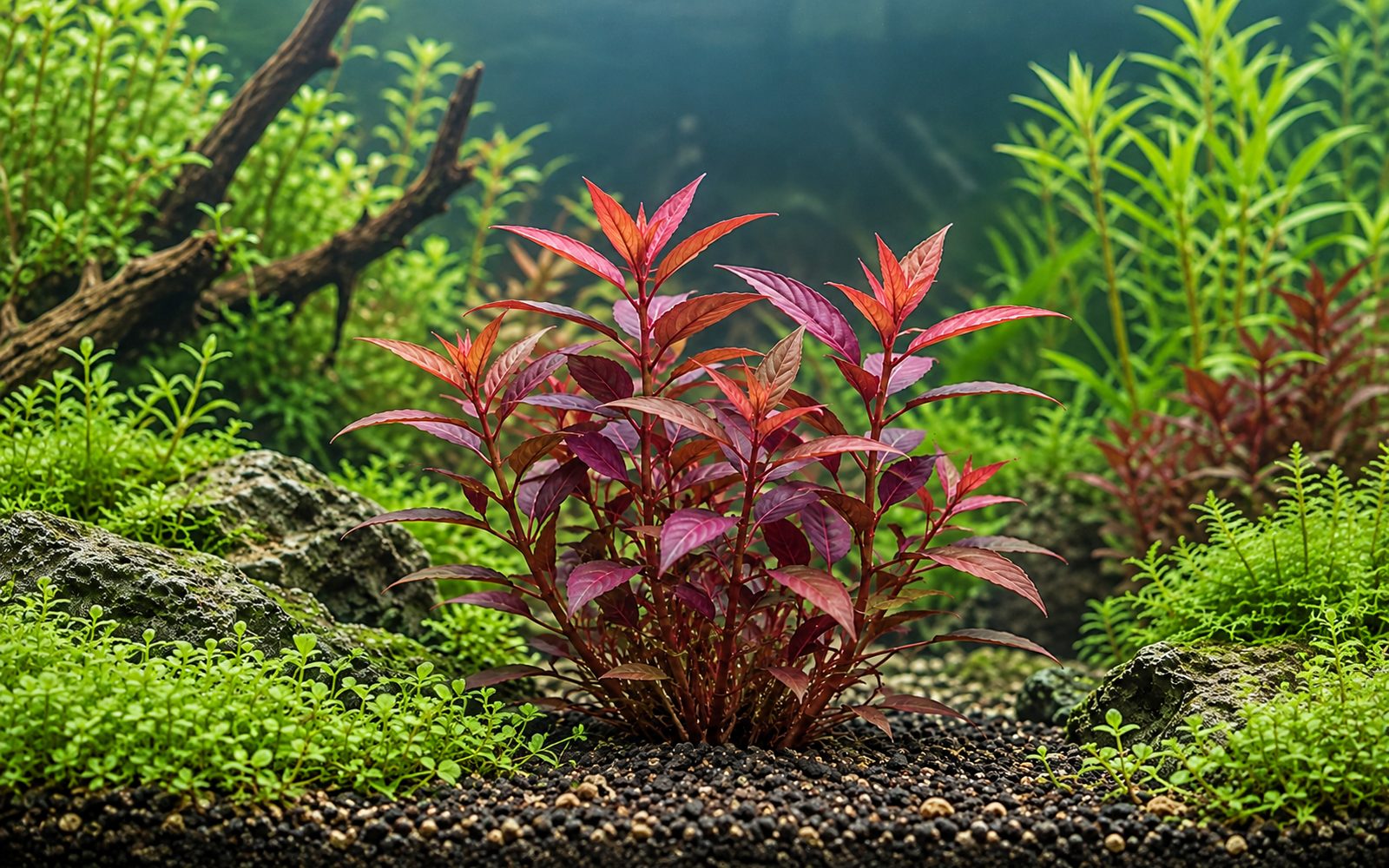 Alternanthera Reineckii
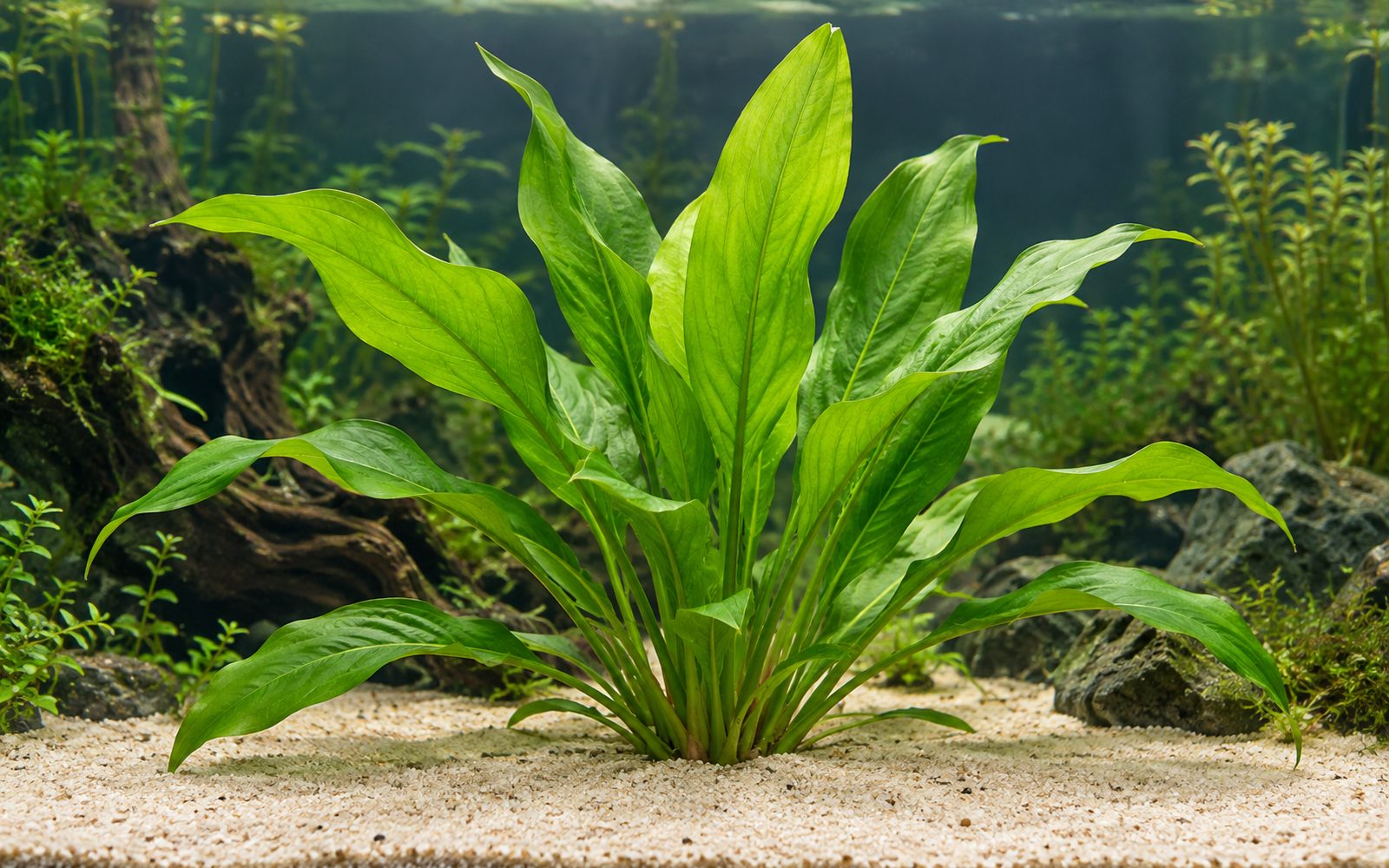 Amazon Sword
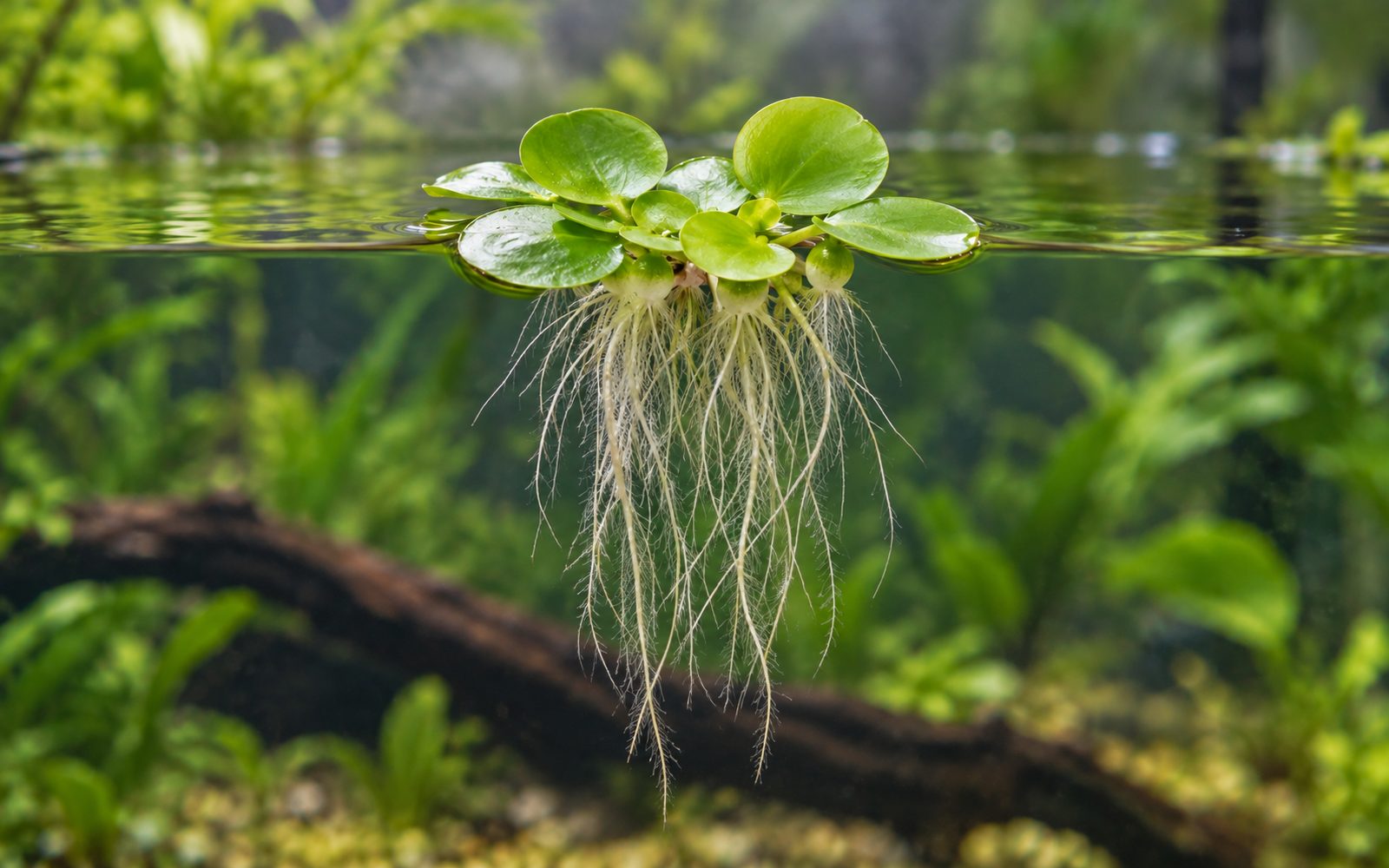 Amazon Frogbit
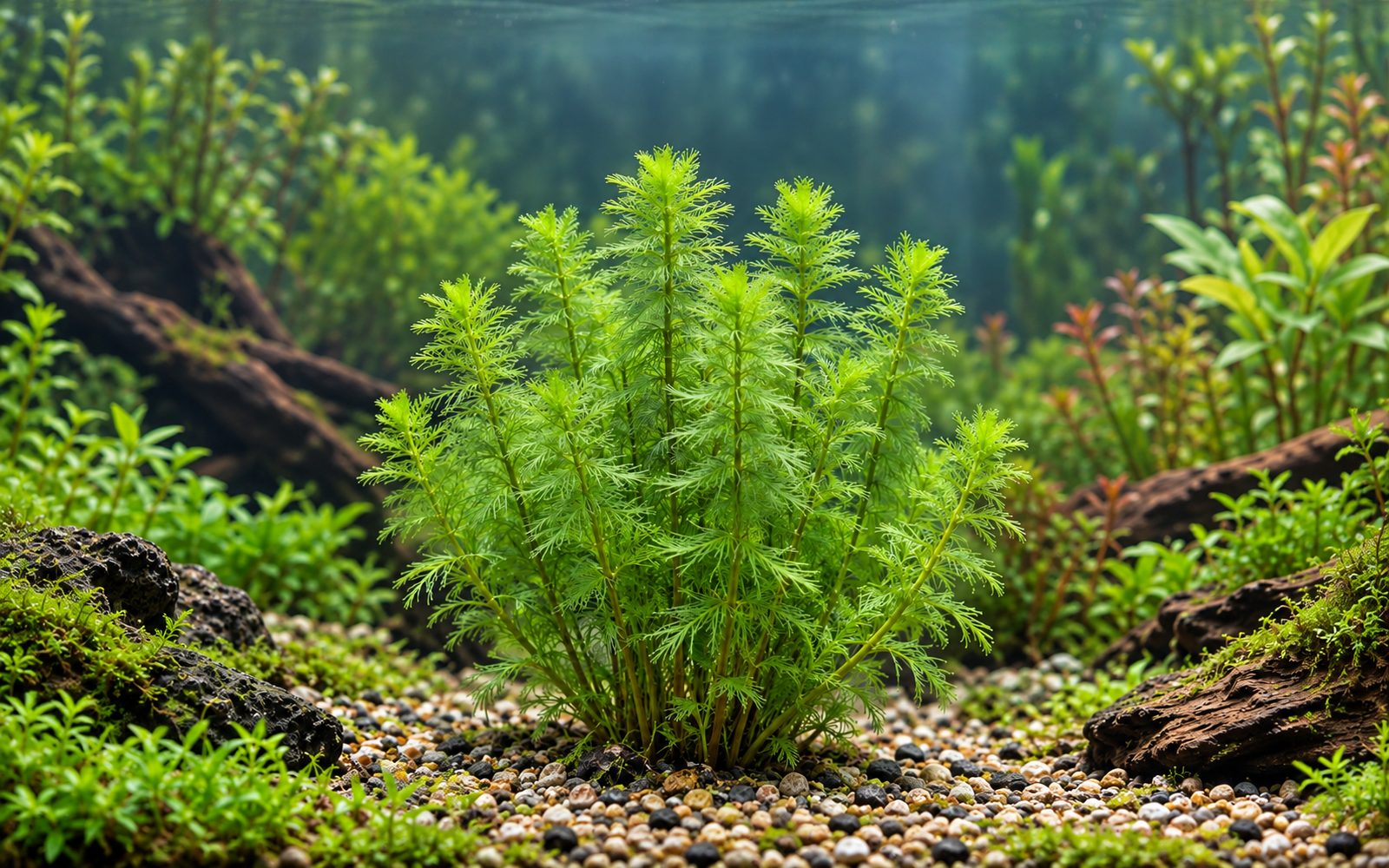 Ambulia
Should not be kept together







Hobbyist notes
Things you won't find in books, learned by trial and error. The most helpful ones are on top.
Change history and contributors
- Page created · October 16, 2026