
Water parameters
Overview
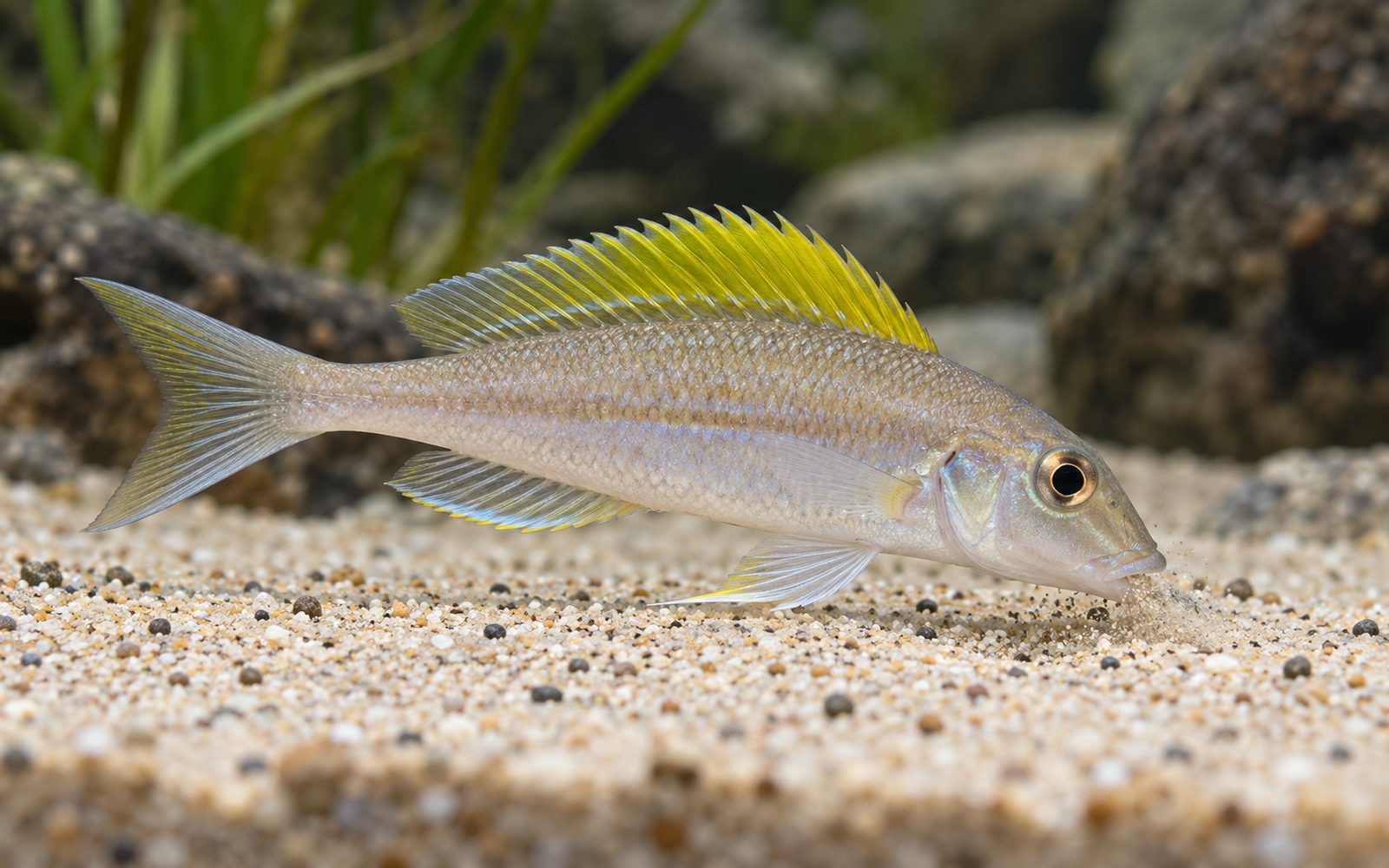
Xenotilapia flavipinnis is a slender cichlid adapted to the sandy bottoms of the lake. Its body is light silvery beige, while its dorsal fin is the bright yellow that gives the species its name (flavipinnis: yellow-finned). It reaches around 9 cm. It takes sand into its mouth and sifts it through its gills to pick out the small organisms inside; this behavior can be watched all day long.
An interesting feature of this genus is biparental mouthbrooding: the female carries the eggs first, and after a certain time the fry are transferred to the male's mouth. It is a calm, peaceful species that gets along well with other Tanganyika fish in sandy setups.
Natural Habitat
It lives in small groups on the open sandy bottoms of the lake close to shore. For this fish, sand is both a feeding ground and a hiding place; when danger threatens it quickly moves away. The water is hard, alkaline and rich in oxygen.
Tank Setup
- Volume: at least 150 liters and a large footprint (100–120 cm length) for a group of 6–8.
- Substrate: fine, soft sand is essential; coarse or sharp-grained substrate damages the gills.
- Layout: a large open sandy area with a few rock groups at the edges.
- Water: pH 8–9, hard and stable; a 25% water change every week. It is sensitive to water quality.
Diet
It feeds by sifting small invertebrates from the sand. A fine-grained, sinking granule should be the staple; vary it with frozen cyclops, brine shrimp, mysis and small bloodworms. Food should be given so that it reaches the bottom, and competition with fast midwater fish should be watched.
Behavior and Compatibility
Peaceful and somewhat shy. Pairs defend a small area during spawning but do not harm other species. In crowded, aggressive aquariums it withdraws.
Good companions: Cyprichromis, Paracyprichromis, shell-dwelling cichlids, Julidochromis species.
Avoid: aggressive species such as Tropheus and mbuna, large fish-eating cichlids, aggressive Neolamprologus species that set up territories on the bottom, shrimp (it hunts them).
Group and Colony Structure
- 6–8 juveniles are grown up together; pairs form on their own.
- The pairs that form claim a small area during spawning and cause no problems with the other individuals.
- Being kept in a group gives it confidence; it also lives as a single pair but is shyer.
Breeding
Spawning takes place in a small pit on the sand or on a flat stone. The female immediately takes the eggs into her mouth and carries them for about a week to ten days; then the fry are transferred to the male's mouth and the male completes the incubation. The total time is around 3 weeks. The fry are fed newly hatched brine shrimp.
Health and Common Problems
- Gill problems: coarse or dirty substrate causes problems; the substrate should be siphoned regularly.
- Water quality: sensitive to high nitrate and low oxygen.
- Stress: food refusal and faded colors are seen when it is kept with aggressive tankmates.
Sexing
Difficult from the outside. Males may be slightly larger, and the yellow of their dorsal fin is brighter. A definite distinction is made with the genital papilla; two fish staying close to each other are most likely a pair.
Tank mates
This list is calculated automatically from the species profile and grows as new species are added to the catalog. Try it in the planner for a definite answer.
Usually compatible
 Egyptian Mouthbrooder
Amazon Molly
Anatolian Killifish
Swamp Guppy
Egyptian Mouthbrooder
Amazon Molly
Anatolian Killifish
Swamp Guppy
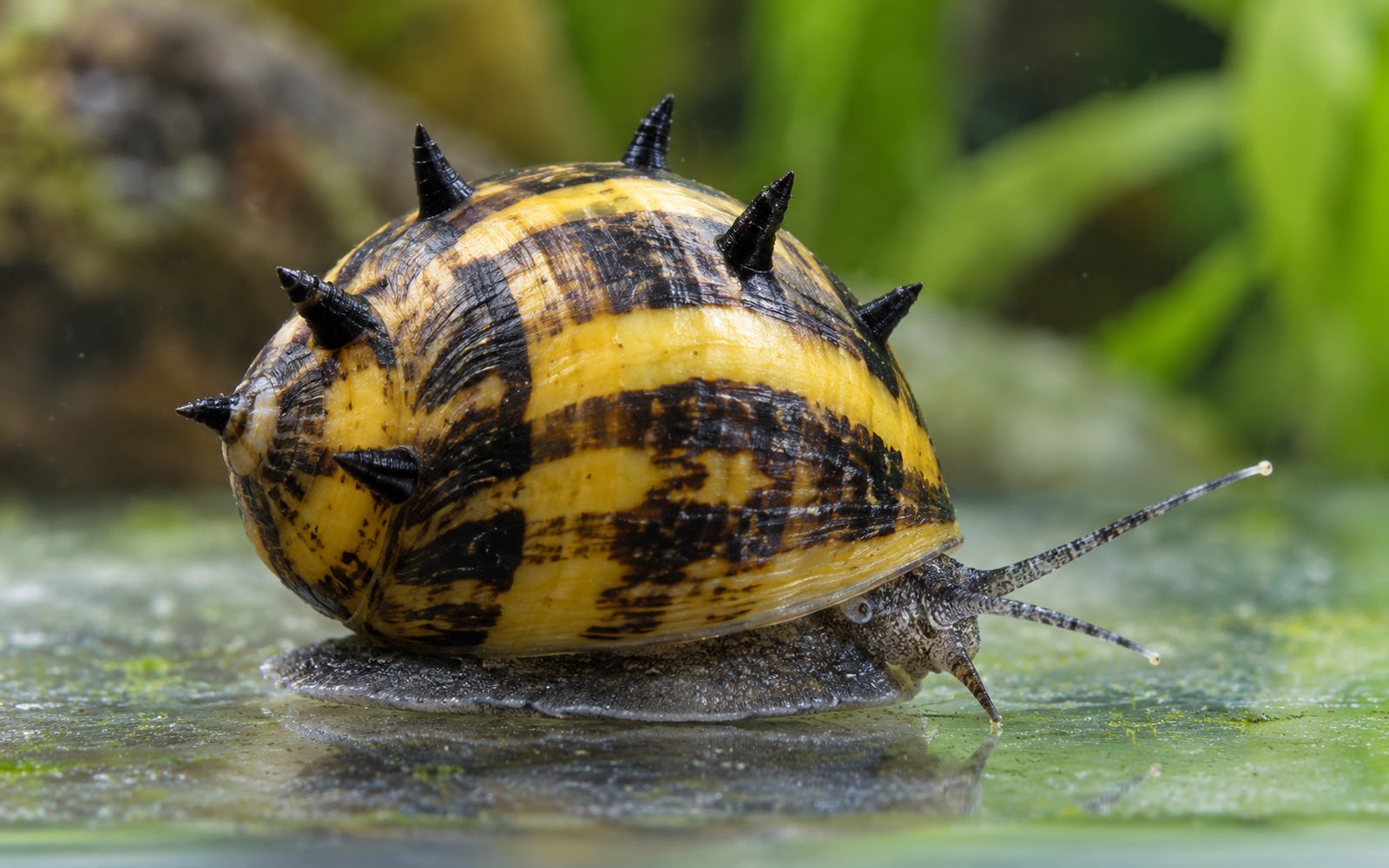 Horned Nerite Snail
Burdur Killifish
Horned Nerite Snail
Burdur Killifish
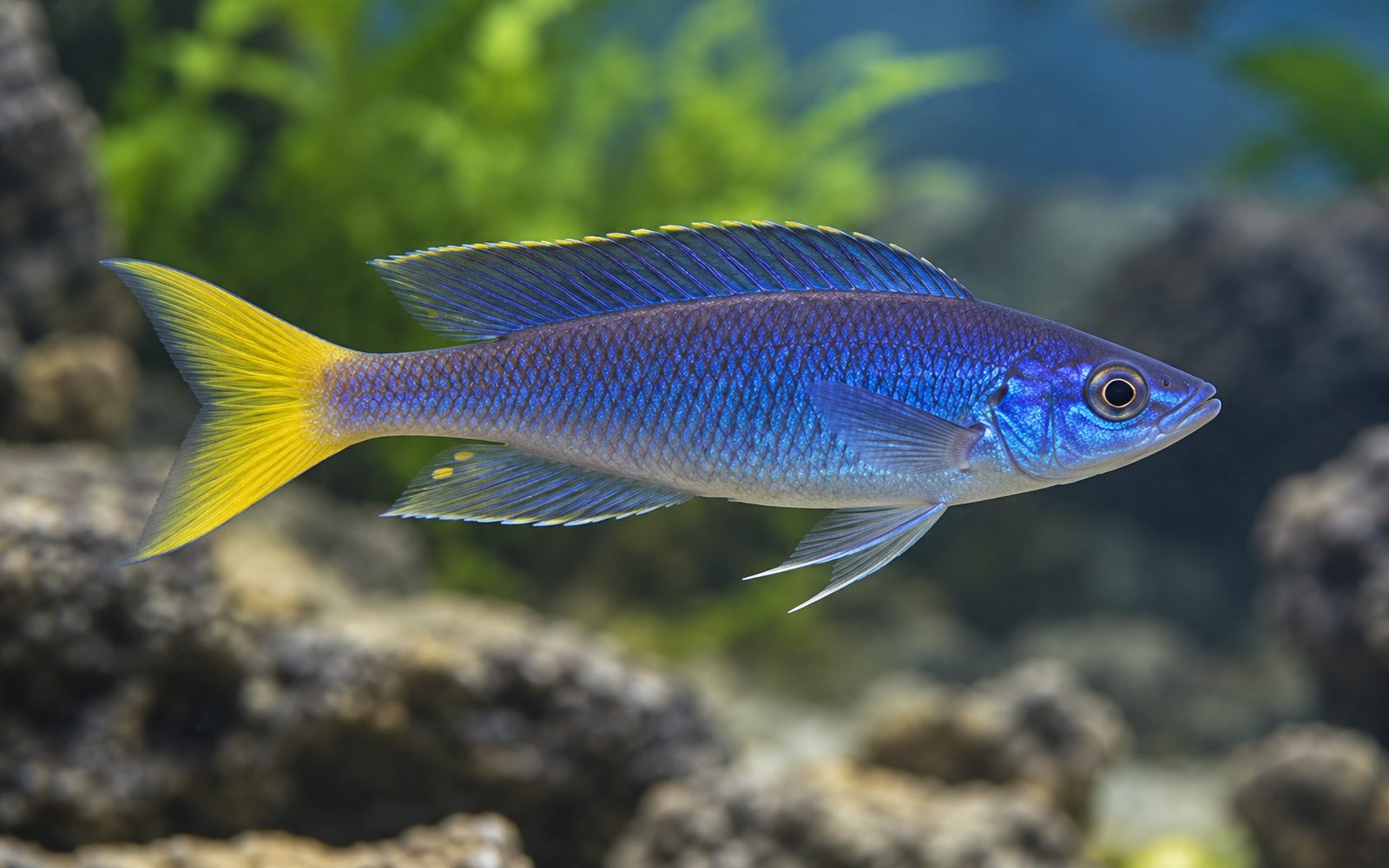 Cyprichromis leptosoma
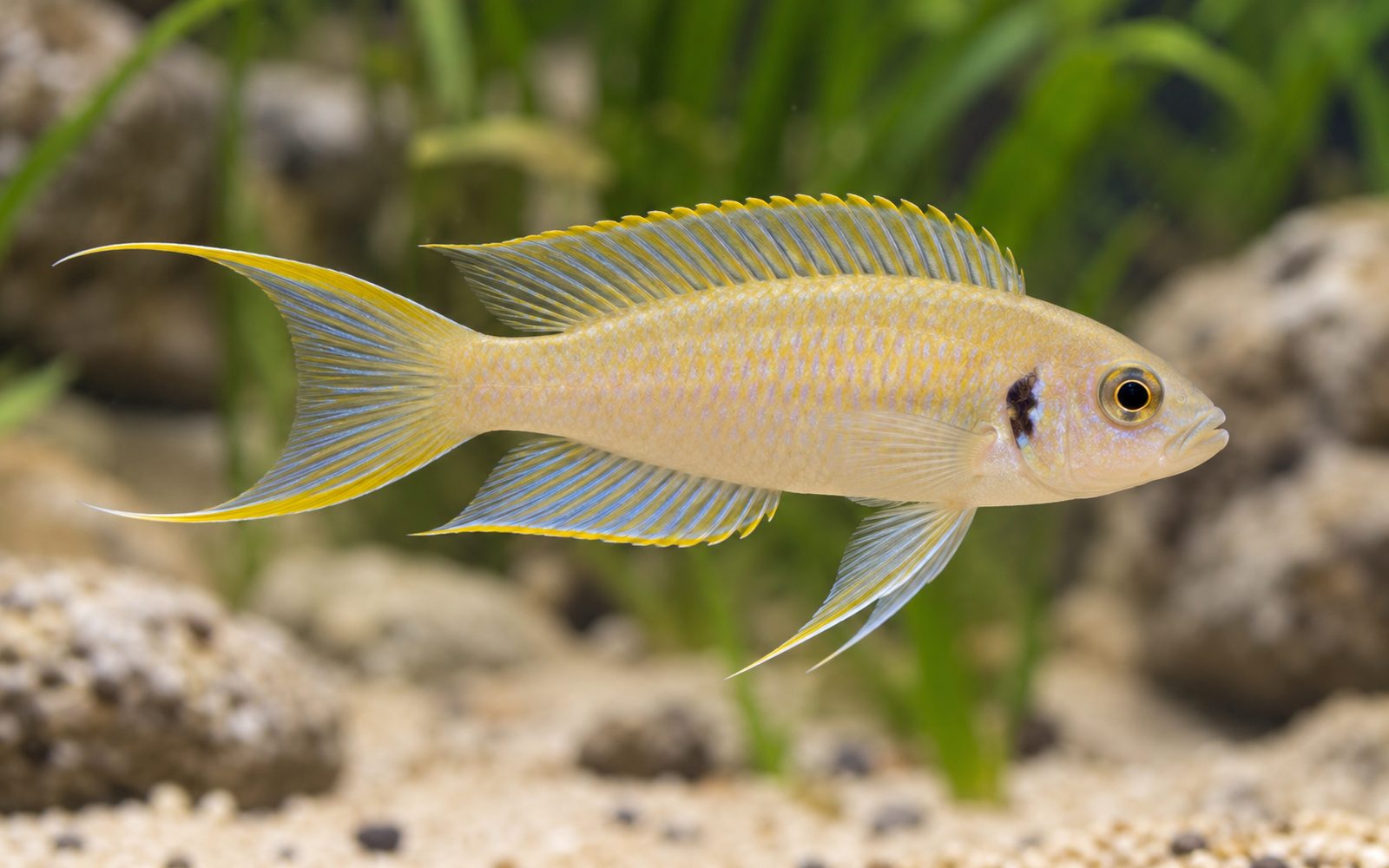 Daffodil Cichlid
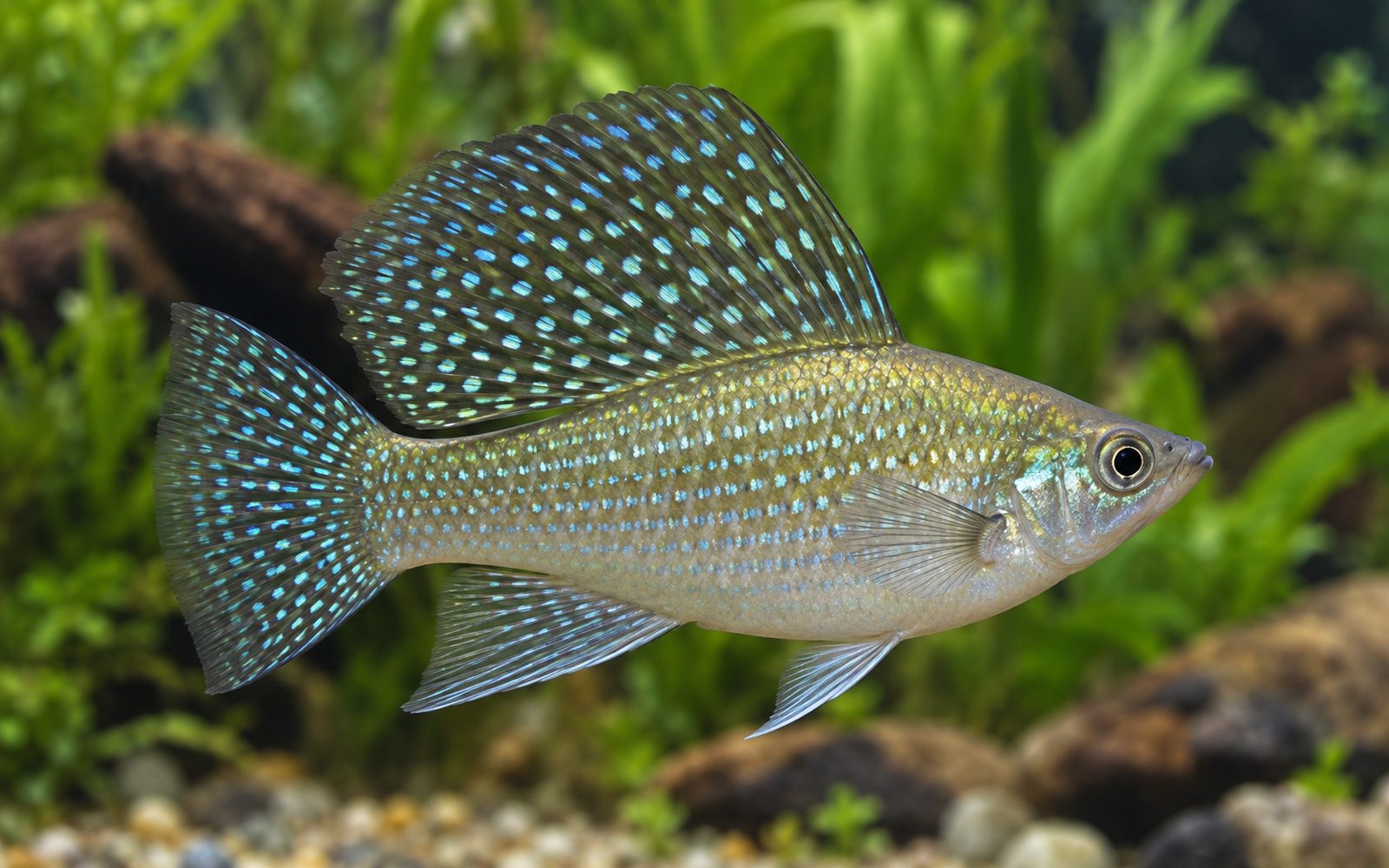 Giant Sailfin Molly
Enantiopus melanogenys
Giant Sailfin Molly
Enantiopus melanogenys
Should not be kept together







Hobbyist notes
Things you won't find in books, learned by trial and error. The most helpful ones are on top.
Change history and contributors
- Page created · October 16, 2026