
Water parameters
Overview
The stone loach is a 10–12 cm bottom dweller that lives under stones in Europe's clean, fast-flowing streams. Its olive-brown body is covered with irregular dark blotches, and there are six short barbels around its mouth. Because it is very sensitive to water pollution, in the wild it is regarded as an indicator of clean water. Closely related loaches (for example Oxynoemacheilus species) also live in the rivers of Türkiye; most of them are endemic and should not be collected from the wild.
Tank Setup
- At least 100 liters and 80–100 cm of length for 3–5 individuals.
- 10–20°C; no heater is needed, but cooling or a fan may be required in summer.
- Strong flow and plenty of oxygen are essential; a high-capacity filter and an air stone.
- Rounded gravel, flat stones and shelters under stones; a 30–50% water change every week.
Diet
In the wild it feeds on insect larvae, small crustaceans and worms. In the aquarium, offer bloodworms, daphnia, brine shrimp and sinking foods.
Behavior and Compatibility
Peaceful; it is active at night and hides under stones during the day. Minor jostling over shelters can be seen among its own kind.
Good companions: peaceful fish that like cold, flowing water: White Cloud Mountain minnows, small coldwater barbs, hillstream loaches.
Avoid: goldfish, tropical species, still aquariums that do not meet its need for oxygen and flow.
A short profile for this species
The Stone Loach page has the basics, but the sections below have not been written yet. If you keep this species, write a section from your own experience; it will be published under your name after editor approval.
Tank mates
This list is calculated automatically from the species profile and grows as new species are added to the catalog. Try it in the planner for a definite answer.
Usually compatible
 European Bitterling
 Weeping Moss
 Flame Moss
 Gold Barb
 Golden Dwarf Barb
Hypostomus luteus
Golden Dwarf Barb
Hypostomus luteus
 Amano Shrimp
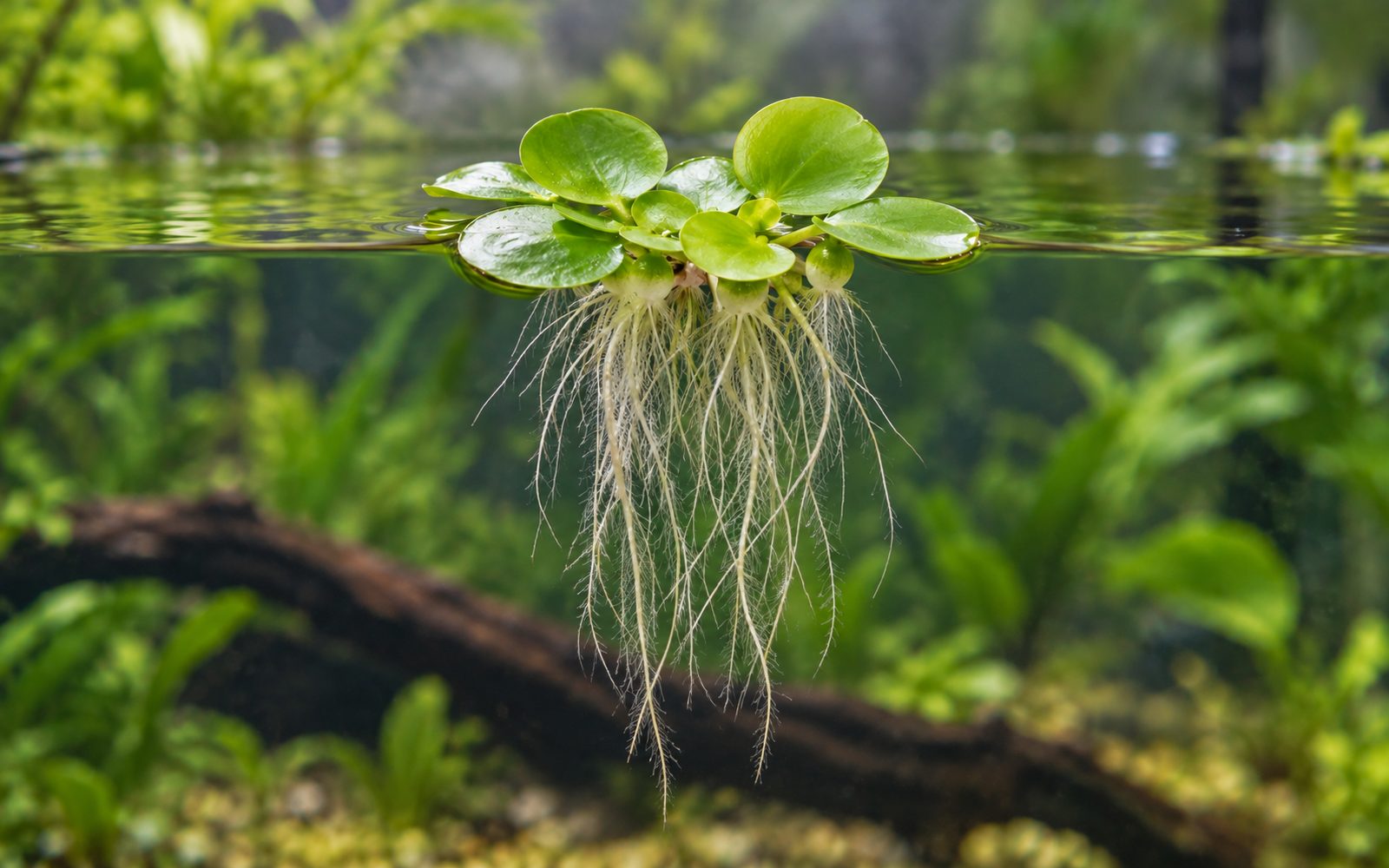 Amazon Frogbit
American Flagfish
Anatolian Killifish
Amazon Frogbit
American Flagfish
Anatolian Killifish
Should not be kept together






Hobbyist notes
Things you won't find in books, learned by trial and error. The most helpful ones are on top.
Change history and contributors
- Page created · October 16, 2026