
Water parameters
Overview
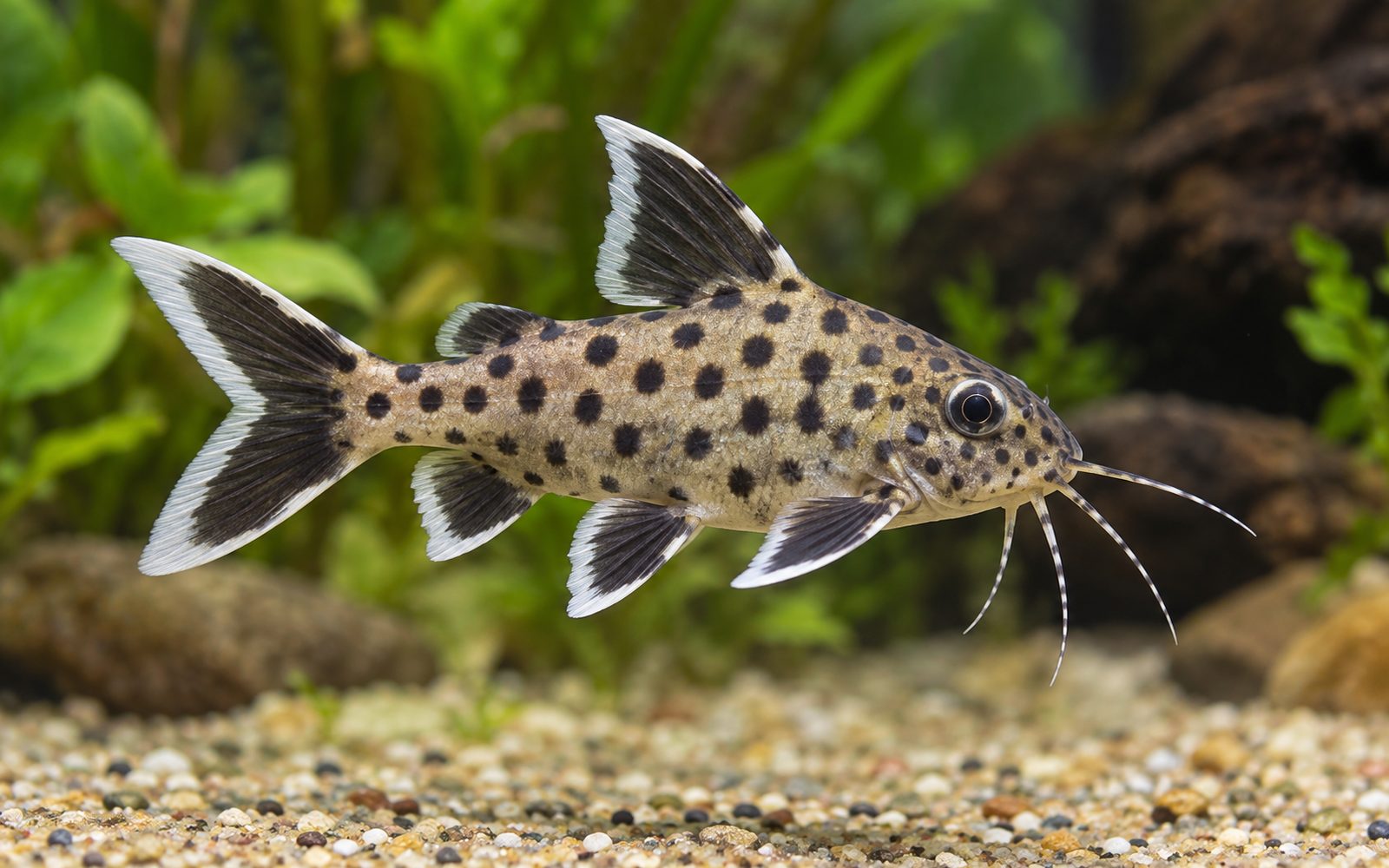
Until it was described as a separate species in 2006, Synodontis lucipinnis was known in the hobby as the "dwarf petricola". Its scientific name means "bright-finned" and refers to the prominent white edges of its dark fins. Its beige body is covered with black spots; at first glance it is hard to tell apart from the petricola.
It stays smaller than the petricola, at around 8–9 cm as an adult. In the trade the two species and hybrids between them are often confused; those who want to breed the pure species need to buy from a reliable source. In terms of care there seems to be no difference between the two.
Natural Habitat
It lives along the rocky shores of Lake Tanganyika, in narrow gaps between stones. It spends the day hiding and from evening onward searches rock surfaces and sand for small invertebrates. The lake's water is hard, alkaline and very stable.
Tank Setup
- Volume: at least 120 liters and 80–100 cm of length for a group of 4–6.
- Decor: rock piles, narrow caves and crevices; a hiding place for every individual.
- Substrate: fine sand; a soft bottom it can sift through without damaging its barbels.
- Water: 24–27°C, pH 7.8–9.0, hard water. Suitable for Tanganyika and Malawi aquariums.
- Maintenance: a 20–30% water change every week and good oxygenation.
Diet
Omnivorous. Small sinking granules and tablets, frozen bloodworms, brine shrimp and mysis shrimp are suitable. It also nibbles on vegetable tablets. Because of its small size, large cichlids may snatch the food from in front of it; evening feeding solves this problem.
Behavior and Compatibility
Peaceful and sociable. Within a group it comes out during the day as well, roaming the bottom in clusters. There are brief scuffles over shared caves, but injuries are rare. It eats eggs, newly hatched fry and dwarf shrimp.
Good companions: small and medium-sized Tanganyika cichlids (Neolamprologus, Julidochromis, Cyprichromis), calm mbuna, other small Tanganyika Synodontis.
Avoid: very large and aggressive cichlids, dwarf shrimp, species that need soft water.
Group and Colony Structure
It should be kept in a group: at least 3, ideally 5–6 individuals. A larger group is bolder and more visible. The sex ratio does not matter. Remember that hybridization can occur when it is kept in the same aquarium as the petricola.
Breeding
It breeds occasionally in the aquarium. Spawning takes place at night, between stones or inside a cave; the eggs are scattered and receive no care. If the eggs are moved to a separate container, raising fry is possible; the fry are grown on baby brine shrimp and powdered food.
Health and Common Problems
- It is hardy in suitable water; it is sensitive to sudden drops in pH and hardness.
- Sharp substrate leads to barbel erosion and infection.
- Its scaleless skin is sensitive to copper and strong medications.
Sexing
Males have a pointed, prominent genital papilla behind the vent; in females it is blunt and rounded. Mature females look plumper.
Tank mates
This list is calculated automatically from the species profile and grows as new species are added to the catalog. Try it in the planner for a definite answer.
Usually compatible
 Egyptian Mouthbrooder
Amazon Molly
American Flagfish
Anatolian Killifish
Egyptian Mouthbrooder
Amazon Molly
American Flagfish
Anatolian Killifish
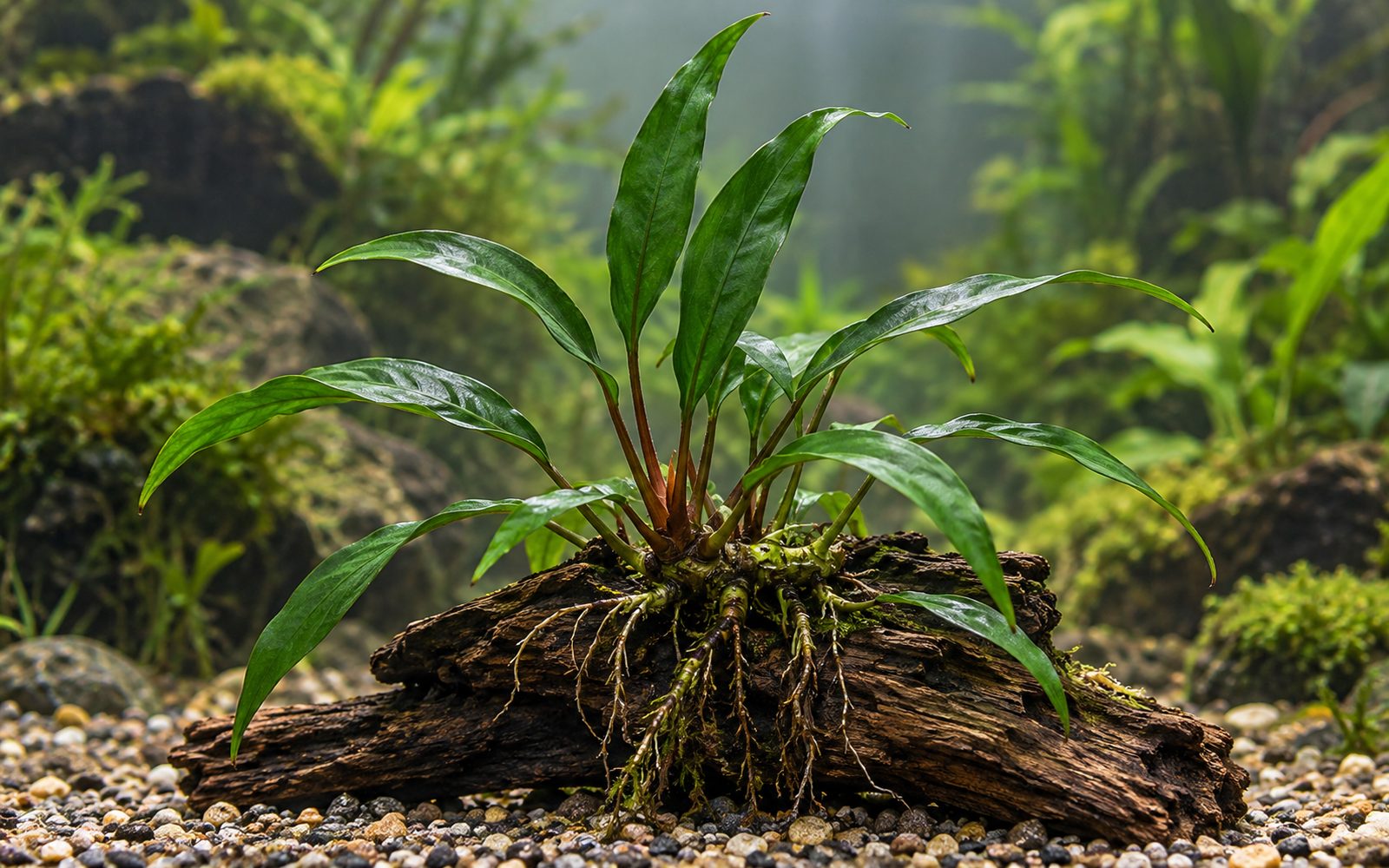 Anubias Angustifolia
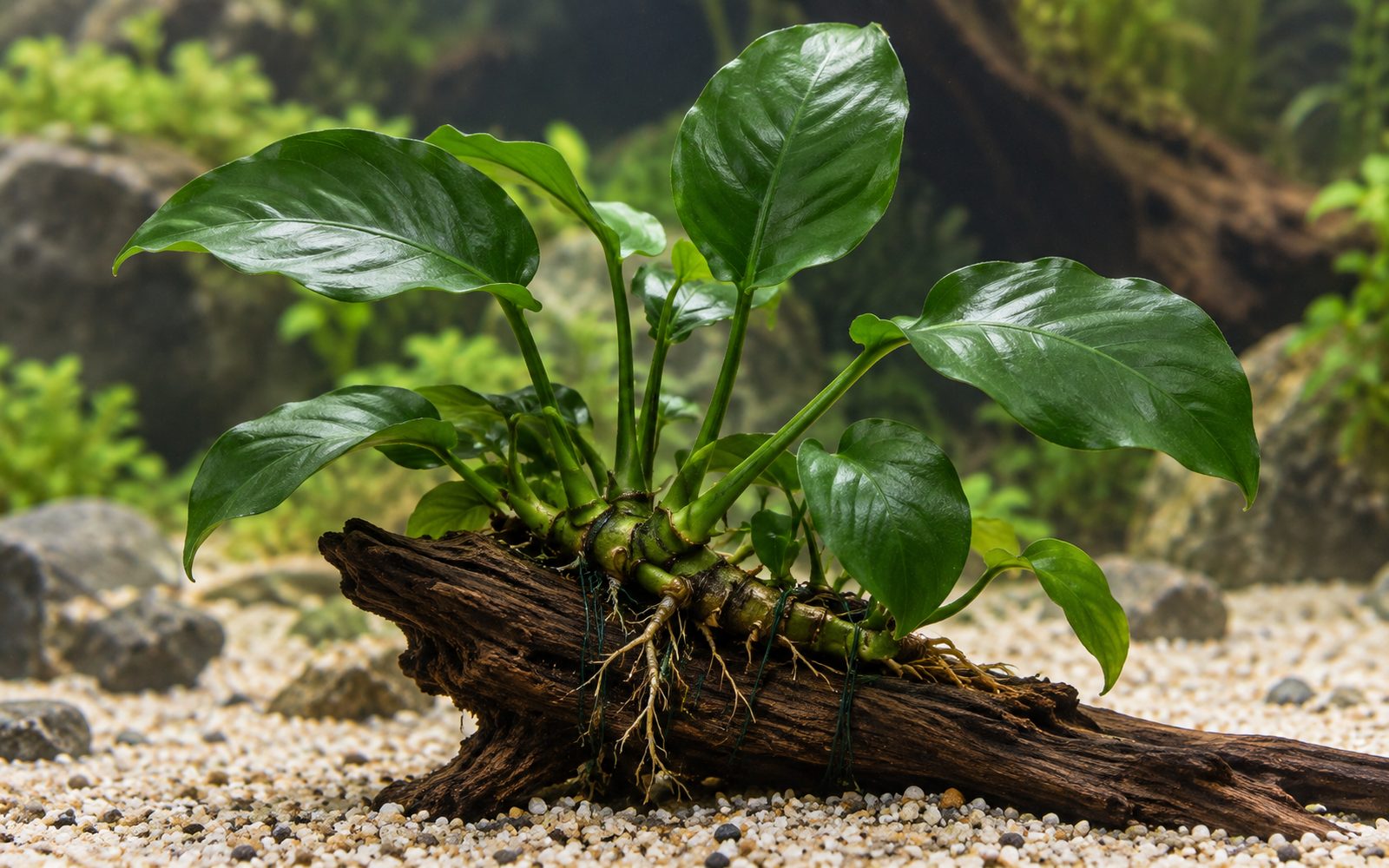 Anubias Barteri
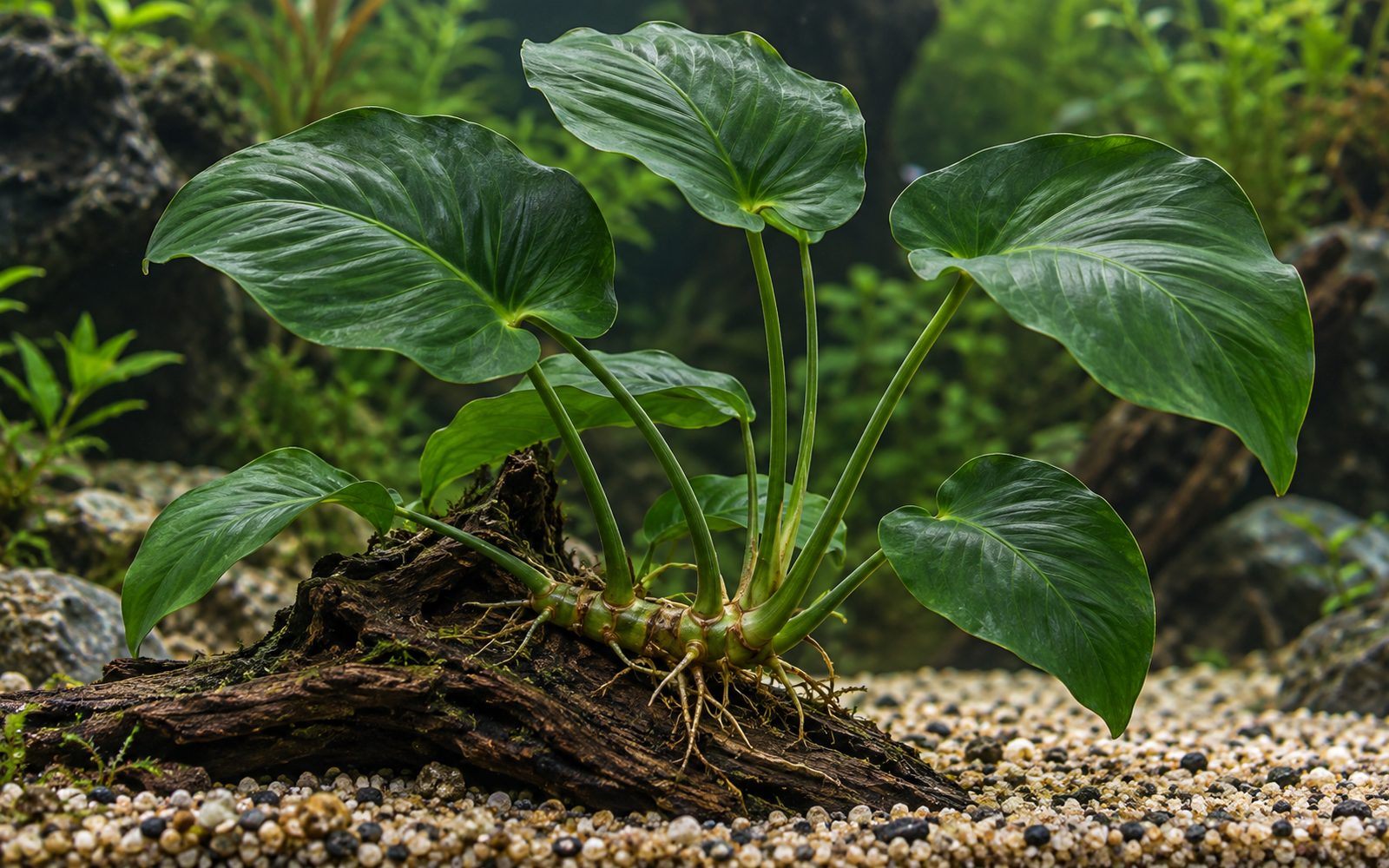 Anubias Caladiifolia
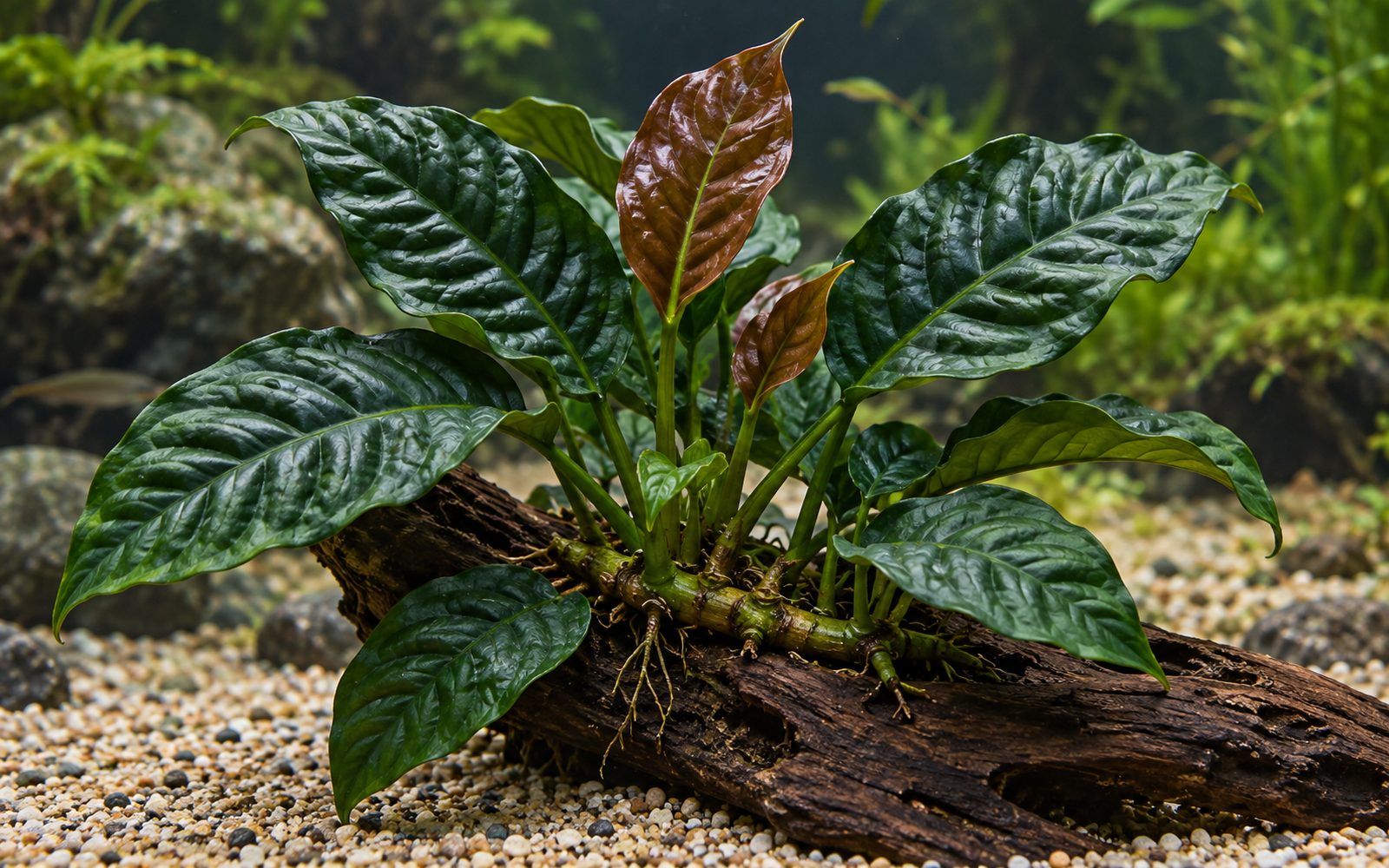 Anubias Coffeefolia
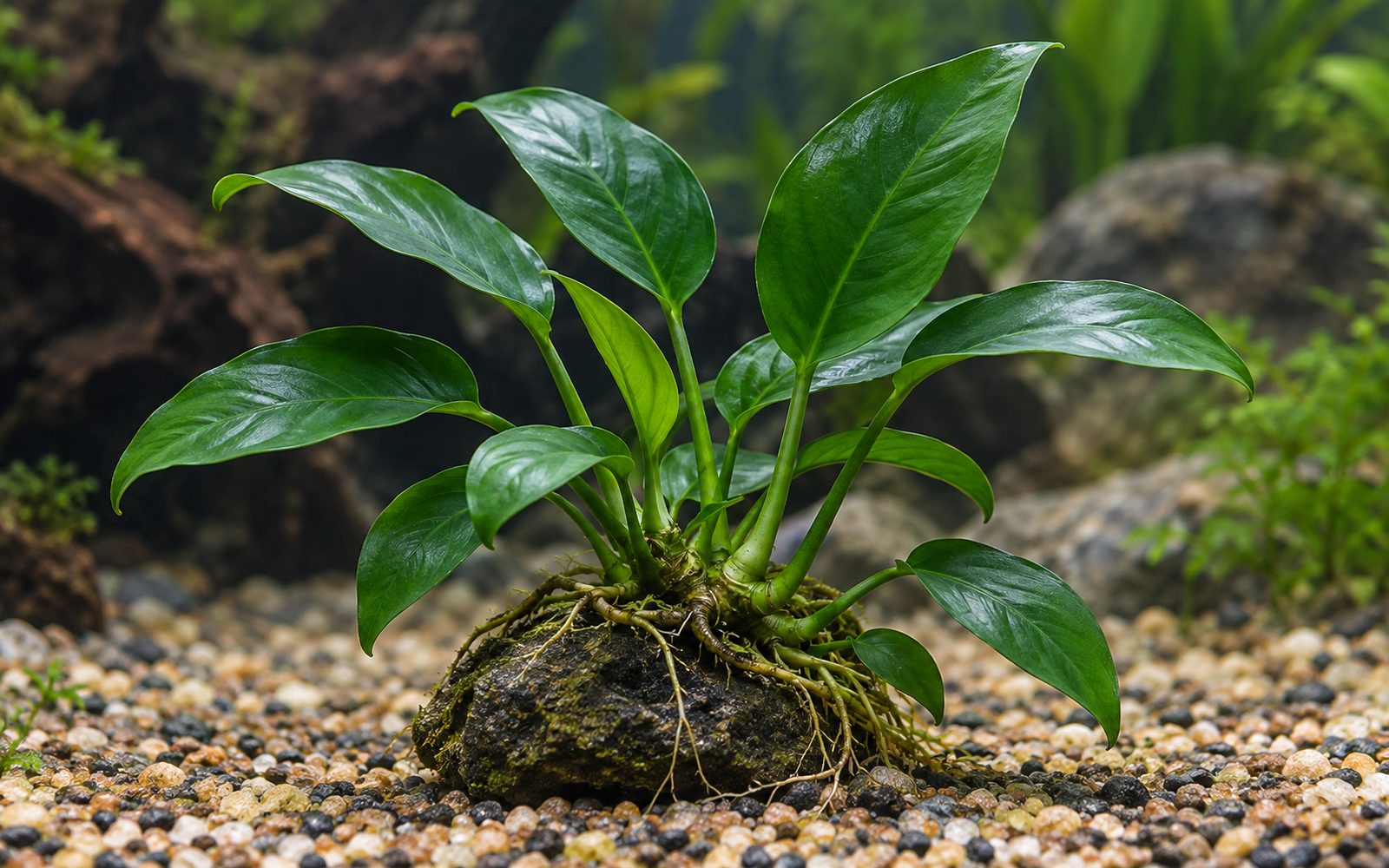 Anubias Glabra
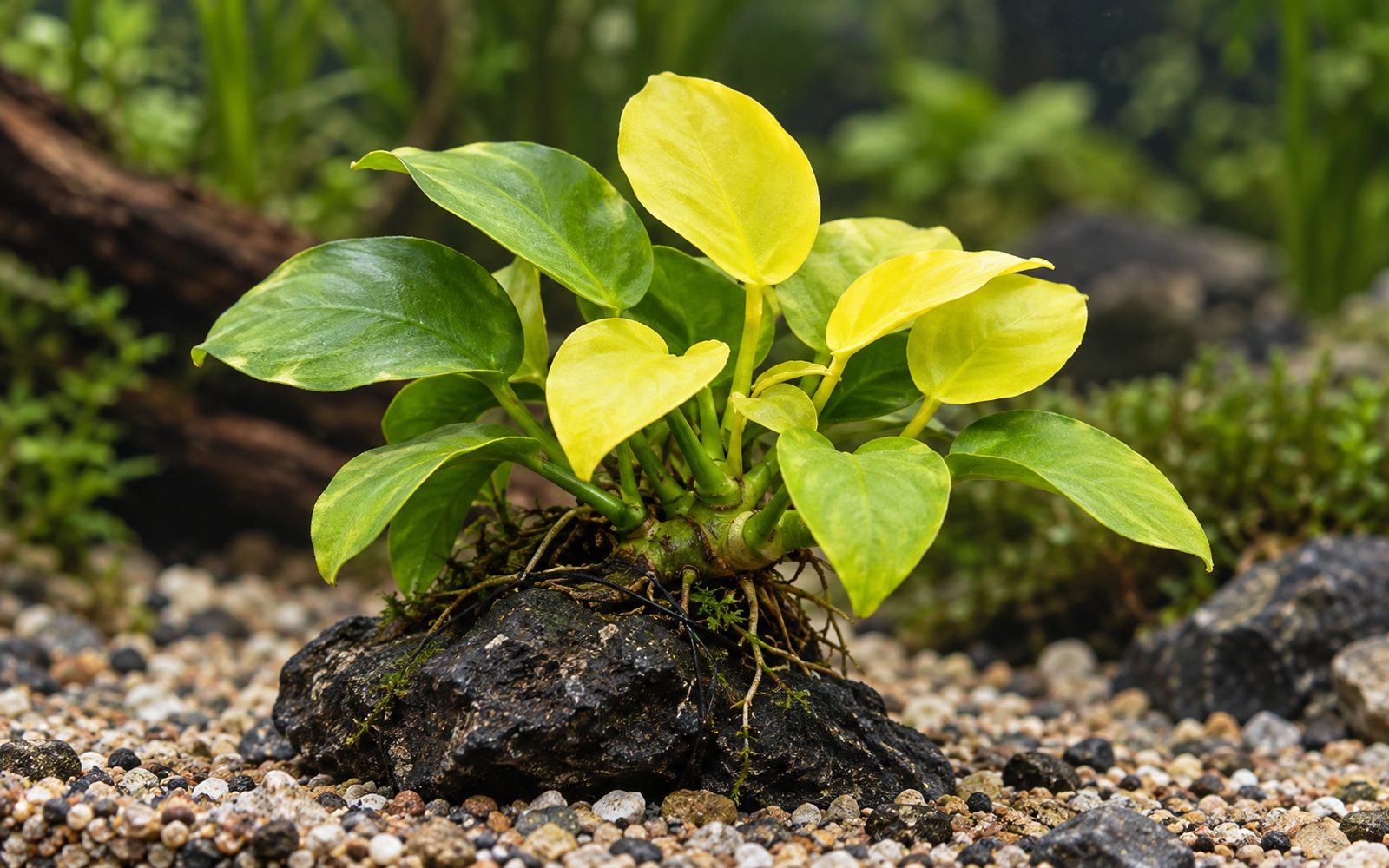 Anubias Nana Golden
Should not be kept together







Hobbyist notes
Things you won't find in books, learned by trial and error. The most helpful ones are on top.
Change history and contributors
- Page created · October 16, 2026